
 By admin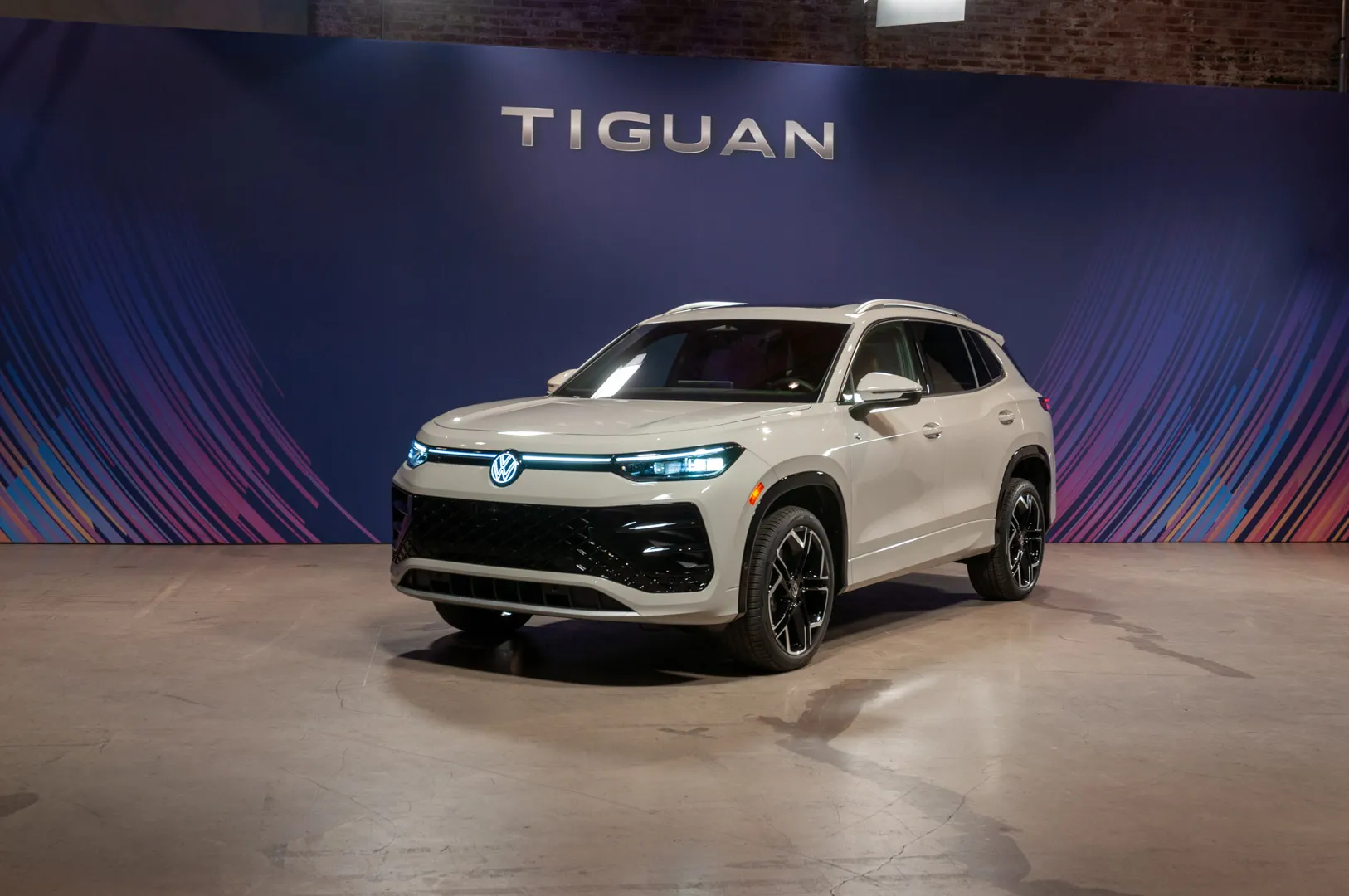
Volkswagen has officially pulled back the curtain on the pricing and specifications for its comprehensively redesigned 2025 Tiguan, a pivotal model in the fiercely contested compact crossover segment. The German automaker confirmed on Wednesday that the next-generation Tiguan will arrive with a starting manufacturer’s suggested retail price (MSRP) of $30,920, including a mandatory $1,425 destination charge. This marks a modest increase of $615 over the outgoing model, a strategic move by Volkswagen to position the new Tiguan competitively while introducing a host of enhancements. Among the most significant changes are a lighter, more powerful powertrain and a notable departure from its predecessor: the elimination of the optional third-row seating, signaling a refined focus on its five-passenger utility.
The 2025 Tiguan enters the market as a crucial vehicle for Volkswagen, tasked with maintaining its strong presence in a segment brimming with formidable rivals. This redesign is not merely cosmetic; it represents a holistic evolution, addressing performance, technology, and passenger comfort, albeit with a revised seating strategy. The decision to drop the third-row option, a unique selling point for the previous generation in its class, suggests a deliberate shift in market positioning, potentially to streamline the model’s identity and avoid internal cannibalization with larger forthcoming VW SUVs.
A Detailed Look at Pricing and Trim Levels
Volkswagen’s trim strategy for the 2025 Tiguan aims to offer a clear progression in features and luxury, catering to a diverse range of buyers.
-
Tiguan S (Base Model): Kicking off the lineup at $30,920 (FWD), the S trim serves as the entry point, offering a compelling package of standard features. For the slight price increase over the previous generation, buyers receive 17-inch alloy wheels, a sophisticated 10.2-inch digital instrument cluster (Volkswagen’s Digital Cockpit), and a substantial 12.9-inch touchscreen infotainment system. This central display comes standard with wireless Apple CarPlay and Android Auto, ensuring seamless smartphone integration from the base model up. Cloth upholstery is standard, prioritizing durability and comfort. This robust standard tech suite immediately positions the Tiguan S as a strong contender against rivals, many of which offer smaller screens or wired connectivity at this price point. The inclusion of advanced digital displays and wireless smartphone integration as standard underscores VW’s commitment to modern technology, appealing to today’s tech-savvy consumers.
-
Tiguan SE: Stepping up to the SE trim, priced at $34,420 (FWD), brings a significant upgrade in both convenience and comfort features. This mid-range model enhances the driving experience with 19-inch wheels, giving it a more commanding presence. Practical additions include remote start, a power tailgate for easier loading and unloading, and ambient interior lighting that adds a touch of sophistication. An auto-dimming rearview mirror improves nighttime visibility, while a power-adjustable driver’s seat and premium leatherette upholstery elevate interior comfort and aesthetics. The SE trim strikes a balance between essential upgrades and accessible luxury, likely to be a popular choice for families and commuters seeking enhanced daily usability. The move to 19-inch wheels and leatherette at this price point aligns well with competitor offerings, making the SE a strong value proposition.
-
Tiguan SEL R-Line Black: For those seeking a sportier aesthetic without reaching the very top of the range, the SEL R-Line Black grade is available at $36,880 (FWD). This trim focuses heavily on visual appeal, featuring a distinctive body kit that lends a more aggressive stance, coupled with larger 20-inch wheels. A mix of dark and chrome exterior and interior trim elements creates a dynamic and modern look, appealing to buyers who desire a bolder presence on the road. Crucially, a standard panoramic sunroof is included, bathing the cabin in natural light and enhancing the sense of spaciousness. This trim positions the Tiguan as a stylish and performance-oriented option, offering a unique blend of sportiness and premium features that stand out in the crowded compact SUV segment. The R-Line Black package caters to a specific demographic that values design and sport-inspired accents.
-
Tiguan SEL R-Line (Top-Tier): The pinnacle of the 2025 Tiguan lineup is the SEL R-Line, priced at $41,180 (FWD). This top-tier trim incorporates similar visual upgrades to the R-Line Black but elevates the interior experience to near-luxury levels. It boasts an expansive 15.0-inch touchscreen infotainment system, one of the largest in its class, offering an immersive user interface. Audio enthusiasts will appreciate the premium 12-speaker Harman Kardon audio system, delivering rich and clear sound. Comfort is paramount with three-zone climate control, allowing individualized temperature settings for front and rear passengers. The front seats are equipped with memory functions and a massage feature, providing unparalleled comfort on long journeys, complemented by power adjustment for the passenger seat. Luxurious leather upholstery completes the premium ambiance. At over $41,000, the SEL R-Line competes directly with entry-level luxury crossovers, offering a comprehensive suite of features and a refined driving experience that justifies its premium pricing. Its advanced technology and comfort features aim to lure buyers who might otherwise consider brands like Audi or BMW.
Performance and Engineering Prowess
Underpinning all 2025 Tiguan models is a familiar yet significantly updated powertrain. The vehicle retains Volkswagen’s proven 2.0-liter turbocharged inline-4 engine, a workhorse that has powered numerous VW and Audi models for years, known for its balance of power and efficiency. However, for this generation, the engine has been meticulously re-engineered to deliver improved performance. Output is now rated at a robust 201 horsepower, representing a healthy increase of 17 hp over the previous generation. This power bump is paired with an 8-speed automatic transmission, a combination designed to offer smooth shifts and optimized power delivery across the rev range.
A critical engineering achievement for the 2025 Tiguan is its notable weight reduction. Volkswagen claims the new model is approximately 170 pounds lighter than its predecessor. This reduction in curb weight is a multi-faceted benefit: it contributes directly to the improved acceleration afforded by the increased horsepower, enhances fuel efficiency, and sharpens the vehicle’s dynamic handling characteristics. A lighter vehicle typically translates to more agile steering, better braking performance, and a generally more engaging driving experience, reinforcing Volkswagen’s reputation for European driving dynamics. This weight loss likely stems from optimization of the underlying MQB platform (or its evolution, MQB Evo), use of lighter materials, and potentially more efficient component designs.
For drivers requiring enhanced traction and stability, particularly in adverse weather conditions or light off-road scenarios, Volkswagen’s 4Motion all-wheel-drive system is available. The pricing structure for AWD varies across trims: it’s a $1,500 option on the S and SEL R-Line Black grades (with late availability for the latter), a more accessible $980 option on the SE grade, and comes standard on the top-tier SEL R-Line. This tiered pricing strategy allows buyers to select AWD based on their needs and budget, with the top trim offering it as a standard feature, reinforcing its premium positioning. The 4Motion system intelligently distributes power between the front and rear axles, providing confidence-inspiring grip.

Design Evolution and Interior Innovation
Visually, the 2025 Tiguan embodies Volkswagen’s contemporary design language, characterized by clean lines, sophisticated proportions, and a confident stance. The image provided suggests a sleeker, more aerodynamic profile than its predecessor, with a redesigned front fascia likely featuring advanced LED lighting signatures that integrate seamlessly with the grille. The R-Line trims further amplify this aesthetic with their unique body kits and larger wheel options, projecting a sportier and more upscale image.
Inside, the Tiguan represents a significant leap forward in digital integration and user experience. The transition from physical buttons to large, intuitive touchscreens underscores a broader industry trend, but VW has strived to balance this with ergonomic considerations. The 10.2-inch Digital Cockpit offers configurable displays for driver information, while the central 12.9-inch (and optional 15.0-inch) infotainment screen serves as the hub for navigation, entertainment, and vehicle settings. The inclusion of wireless Apple CarPlay and Android Auto from the base model is a testament to VW’s commitment to connectivity. Material quality, ranging from durable cloth to premium leather, is carefully chosen for each trim, ensuring a consistent level of refinement. Thoughtful touches like ambient lighting, three-zone climate control, and massaging seats in higher trims transform the cabin into a comfortable and technologically advanced sanctuary.
The Strategic Elimination of the Third Row
Perhaps the most significant strategic decision for the 2025 Tiguan is the permanent removal of the third-row seating option. For years, the Tiguan stood out as one of the few compact SUVs offering this seven-passenger capability, albeit in a somewhat cramped fashion. This move signals a clear re-evaluation of its market role.
Several factors likely influenced this decision:
- Optimized Five-Passenger Experience: By focusing solely on a two-row, five-passenger configuration, Volkswagen can dedicate more interior space to rear passenger comfort and cargo capacity. The previous third row was often criticized for its limited legroom, making it suitable only for small children or very short trips. Eliminating it allows for a more spacious and comfortable second row and a larger, more versatile cargo area, which is a primary concern for most compact SUV buyers.
- Market Realignment: The compact SUV segment is overwhelmingly dominated by five-passenger vehicles. While a third row was a unique selling proposition, it might not have been a primary driver for a significant portion of Tiguan buyers. By sharpening its focus as a premium five-seater, VW can compete more directly and effectively with the core offerings of its rivals.
- Internal Portfolio Differentiation: Volkswagen’s North American lineup includes larger, dedicated three-row SUVs like the Atlas and Atlas Cross Sport. Removing the third row from the Tiguan helps to create clearer differentiation within VW’s own SUV family, preventing potential cannibalization and allowing each model to cater to a specific demographic. It suggests that if a buyer truly needs a third row, VW wants them to step up to an Atlas.
- Cost and Complexity: Designing and manufacturing a viable third-row option adds complexity and cost, both in production and potentially in vehicle weight. Simplifying the architecture allows VW to allocate resources to enhancing the core five-passenger experience, including technology, materials, and powertrain efficiency.
While some loyal customers might miss the optional third row, this strategic shift positions the 2025 Tiguan as a more refined, spacious, and comfortable five-passenger compact SUV, better equipped to challenge its segment rivals head-on.
Navigating a Crowded Competitive Landscape
The compact SUV segment is arguably the most competitive and popular category in the automotive market. The 2025 Volkswagen Tiguan faces off against a formidable array of established and highly successful models. Key rivals include the perennial best-sellers like the Toyota RAV4 and Honda CR-V, known for their reliability and resale value. Other strong competitors include the Subaru Forester (with its standard AWD and outdoorsy appeal), the Hyundai Tucson and Kia Sportage (offering striking design and generous warranty), the Mazda CX-5 and CX-50 (praised for their premium feel and driving dynamics), and the Nissan Rogue (known for its comfortable ride and practical interior). Ford Escape also remains a contender.
To truly stand out, the new Tiguan will need to leverage its unique selling propositions:
- European Driving Dynamics: Volkswagen traditionally imbues its vehicles with a refined and engaging driving experience, a trait often appreciated by enthusiasts.
- Advanced Technology: The large digital displays, robust infotainment system, and comprehensive driver-assistance features (likely standard VW IQ.DRIVE suite) give it a modern edge.
- Premium Feel: Even at its base trim, VW strives for an upscale ambiance, which is further enhanced in the higher R-Line models with leather, massage seats, and premium audio.
- Safety: Volkswagen has a strong track record in safety, and the new Tiguan is expected to continue this tradition with a suite of active and passive safety features.
When sales commence early this summer, the Tiguan will need to prove that its increased power, reduced weight, technological advancements, and refined five-passenger focus translate into a compelling package that justifies its price point against such stiff competition. Its success will hinge not just on its specifications, but on how well it resonates with buyers looking for a sophisticated, capable, and technologically advanced compact SUV. The 2025 Tiguan represents a bold step forward for Volkswagen, a deliberate evolution designed to carve out a stronger, more defined niche in the heart of the automotive market.