
 By admin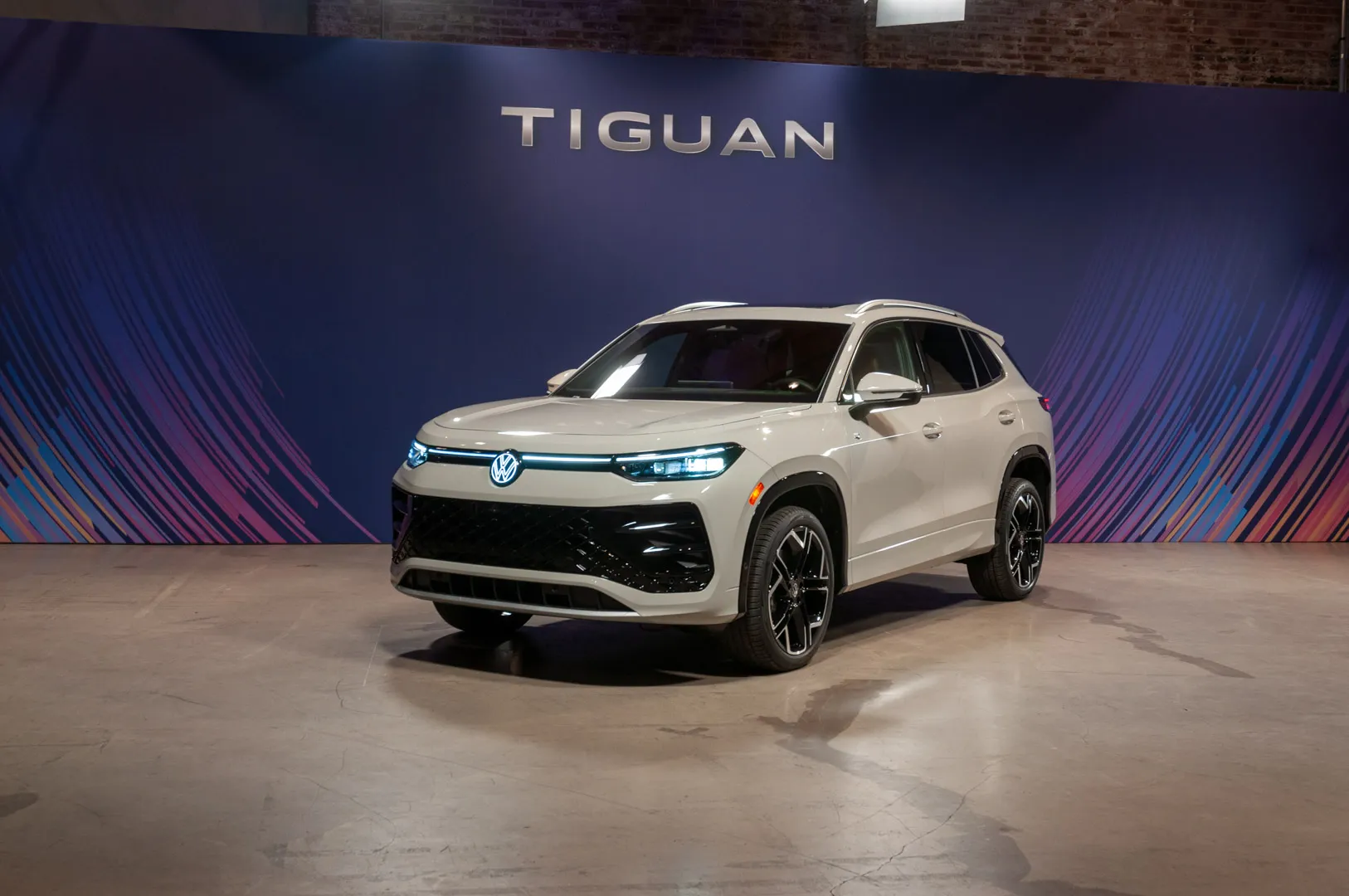
Volkswagen has officially lifted the veil on the highly anticipated redesigned 2025 Tiguan small crossover, confirming pricing and a significant shift in its market strategy. Announced on March 20, 2025, the new Tiguan enters the competitive segment with a starting price of $30,920, including a $1,425 destination charge. This marks a modest increase of $615 over the outgoing model, but it comes with a host of enhancements: a lighter chassis, a more powerful engine, and a notable strategic decision to discontinue the optional third-row seat. This move positions the Tiguan more squarely as a premium two-row compact SUV, aiming to refine its appeal in a crowded marketplace dominated by formidable rivals.
The 2025 Tiguan’s redesign is more than just a facelift; it represents a comprehensive overhaul, built upon Volkswagen’s versatile MQB Evo platform, which underpins many of the brand’s latest models. This architectural foundation promises improved driving dynamics, enhanced safety, and greater efficiency. The exterior design adopts Volkswagen’s latest aesthetic language, characterized by cleaner lines, a more assertive front fascia with updated grille and LED lighting signatures, and a generally more sophisticated profile. The interior, too, has undergone a dramatic transformation, embracing a digital-first philosophy that aligns with contemporary automotive trends.
Pricing and Trim Level Breakdown: A Deeper Dive
The entry point into the 2025 Tiguan lineup is the Tiguan S grade, priced at $30,920. For this base model, front-wheel drive (FWD) is standard. Volkswagen has equipped the S grade with a generous array of standard features designed to attract discerning buyers. These include stylish 17-inch alloy wheels that contribute to its modern stance, a crisp 10.2-inch digital instrument cluster replacing traditional gauges, and a large 12.9-inch touchscreen infotainment system. This central display supports wireless Apple CarPlay and Android Auto, ensuring seamless smartphone integration, a crucial feature for today’s connected drivers. The cabin is appointed with durable cloth upholstery, offering a comfortable and practical environment. The $615 price increase over the previous generation seems justified by these significant technological and design upgrades, offering a compelling value proposition at the entry level.
Stepping up the ladder, the Tiguan SE grade starts at $34,420 with destination. This trim builds upon the S model’s foundation, adding a suite of convenience and comfort features that elevate the driving experience. Key enhancements include larger 19-inch wheels, giving the SE a more substantial and premium look. Remote start functionality provides added comfort in varying climates, while a power tailgate enhances convenience for loading and unloading cargo. Inside, occupants will appreciate the ambient lighting, which adds a touch of sophistication, and an auto-dimming rearview mirror. The driver benefits from a power-adjustable seat, and the seating surfaces are upgraded to premium leatherette upholstery, offering a more luxurious feel and easier maintenance compared to cloth. The SE trim is expected to be a popular choice, striking a balance between features and cost.
For those seeking a sportier aesthetic, the SEL R-Line Black grade is available at $36,880. This variant focuses on visual impact, incorporating a distinctive body kit that enhances its athletic posture. It rides on even larger 20-inch wheels, further emphasizing its dynamic design. The "Black" designation signifies a mix of dark and chrome exterior and interior trim elements, creating a sleek and aggressive appearance. A standard panoramic sunroof is also included, allowing more natural light into the cabin and enhancing the sense of spaciousness. This trim targets buyers who prioritize style and a more aggressive road presence.
Crowning the lineup is the SEL R-Line grade, priced at $41,180. This top-tier model encompasses all the visual upgrades of the R-Line Black but takes luxury and technology to another level. It boasts an even larger and more immersive 15.0-inch touchscreen infotainment system, providing an expansive interface for navigation, entertainment, and vehicle settings. Audiophiles will appreciate the premium 12-speaker Harman Kardon audio system, delivering rich and clear sound. Comfort is paramount with three-zone climate control, ensuring optimal temperatures for all occupants. The front seats are equipped with memory functions for the driver and massage functionality for both front passengers, alongside power adjustment for the passenger seat, a thoughtful addition often reserved for higher-segment vehicles. Luxurious leather upholstery completes the interior, underscoring the SEL R-Line’s premium positioning.
Performance, Engineering, and the Lighter Touch
Under the hood, all 2025 Tiguan models are powered by a refined 2.0-liter turbocharged inline-four engine. While retaining the same displacement as the previous generation, Volkswagen engineers have coaxed more power from this proven powerplant. Output is now rated at 201 horsepower, an increase of 17 hp over the outgoing model. This boost in power, coupled with the return of a smooth-shifting 8-speed automatic transmission, promises a more engaging and responsive driving experience. The turbo-4 engine is also expected to deliver a healthy dose of torque, crucial for confident acceleration and highway passing maneuvers, although specific torque figures were not detailed in the initial announcement.
A significant engineering achievement for the 2025 model is its reduced curb weight. Volkswagen claims the new Tiguan is 170 pounds lighter than its predecessor. This weight reduction is a critical factor in improving various aspects of the vehicle’s performance. A lighter vehicle generally translates to better fuel efficiency, improved handling and agility, and potentially quicker acceleration. It reflects a holistic approach to design and engineering, where advanced materials and optimized construction techniques contribute to shedding unnecessary mass without compromising structural integrity or safety. The MQB Evo platform itself plays a key role here, allowing for greater efficiency in packaging and material use.
All-Wheel Drive Options and Availability
For drivers in colder climates or those seeking enhanced traction and stability, Volkswagen’s renowned 4Motion all-wheel drive (AWD) system is available across most of the Tiguan lineup. On the Tiguan S and SEL R-Line Black grades, AWD is offered as a $1,500 option, with late availability noted for the latter. For the SE grade, the AWD option is priced at $980, making it a more accessible upgrade for mid-trim buyers. The top-tier SEL R-Line grade comes standard with 4Motion AWD, underscoring its premium and capable positioning. This tiered approach to AWD availability allows buyers to tailor their Tiguan to their specific needs and budget, recognizing the varying importance of AWD across different markets and preferences.

The Strategic Decision: Losing the Third Row
Perhaps the most significant strategic change for the 2025 Tiguan is the elimination of the optional third-row seat. In its previous iteration, the Tiguan was one of the few compact SUVs to offer this flexibility, albeit with a rather cramped third row primarily suited for children or short trips. Volkswagen’s decision to drop this feature signals a clear intention to redefine the Tiguan’s identity and target audience.
This move likely stems from several considerations. Firstly, market research may have indicated that a vast majority of Tiguan buyers rarely utilized the third row, or found it inadequate for regular adult use. By removing it, Volkswagen can optimize the vehicle’s design for two-row comfort and cargo capacity, areas where the Tiguan can now truly excel. This allows for a more spacious second row, potentially increased legroom, and a larger, more practical cargo area, making it a more compelling choice against two-row competitors.
Secondly, this decision helps to create clearer differentiation within Volkswagen’s SUV lineup. For customers needing genuine three-row capability, Volkswagen offers the larger Atlas and Atlas Cross Sport models, which are specifically designed for family hauling. The 2025 Tiguan can now focus on delivering a premium compact SUV experience, emphasizing driving dynamics, technology, and sophisticated design, without the compromises often associated with squeezing a third row into a compact footprint. This strategic realignment aims to sharpen the Tiguan’s competitive edge in the highly saturated compact SUV segment.
Advanced Technology and Interior Sophistication
The interior of the 2025 Tiguan is where the redesign truly shines, particularly in its embrace of digital technology. The 10.2-inch digital instrument cluster, standard across all trims, offers customizable displays for navigation, vehicle information, and driver-assistance systems. The central infotainment system, ranging from 12.9 inches to a massive 15.0 inches in the top trim, represents a significant leap forward. These systems are powered by Volkswagen’s latest MIB (Modular Infotainment Matrix) architecture, promising faster processing speeds, more intuitive user interfaces, and over-the-air update capabilities. The inclusion of wireless Apple CarPlay and Android Auto as standard across all trims is a testament to Volkswagen’s commitment to seamless connectivity.
Beyond infotainment, the Tiguan also incorporates a range of comfort and convenience technologies. Features like ambient lighting, remote start, and a power tailgate enhance the daily ownership experience. The top SEL R-Line trim elevates this further with a premium Harman Kardon audio system, multi-zone climate control, and luxurious front seats with memory and massage functions. While not explicitly detailed in the initial release, it is highly probable that the 2025 Tiguan will also feature Volkswagen’s comprehensive suite of IQ.DRIVE driver-assistance systems as standard or available options. This typically includes adaptive cruise control, lane-keeping assist, blind-spot monitoring, rear cross-traffic alert, and forward collision warning with automatic emergency braking, all crucial for modern safety and convenience.
Market Positioning and Competitive Landscape
The 2025 Volkswagen Tiguan enters a fiercely competitive segment, battling established stalwarts like the Subaru Forester, Toyota RAV4, Honda CR-V, Mazda CX-5/CX-50, Hyundai Tucson, Kia Sportage, and Nissan Rogue. Each of these rivals offers a strong package of features, reliability, and value. To stand out, the Tiguan will leverage its unique blend of European driving dynamics, robust build quality, sophisticated interior technology, and a now more powerful and efficient powertrain.
Its refined focus as a two-row SUV allows it to directly challenge the core strengths of its main competitors, emphasizing passenger comfort and cargo versatility. Volkswagen’s brand reputation for solid engineering and a premium feel, even in its mainstream models, will also be a significant asset. The R-Line trims, in particular, offer a distinct sporty appeal that might differentiate it from some of the more utilitarian offerings in the segment. However, Volkswagen will need to effectively communicate the value proposition of its new design and features to overcome the strong brand loyalty enjoyed by some of its Japanese and Korean competitors.
Conclusion: A Renewed Contender
With sales slated to begin early this summer, the 2025 Volkswagen Tiguan represents a significant evolution for the brand in the compact SUV segment. It’s a vehicle that has been thoroughly re-engineered and strategically repositioned. By becoming lighter, more powerful, and shedding its rarely-used third row, the Tiguan aims to offer a more focused, refined, and compelling two-row compact SUV experience. Its enhanced technology, sophisticated interior, and improved driving dynamics, combined with a competitive pricing structure, arm it well for the intense competition ahead. Volkswagen is betting that this sharper focus and premium feel will enable the new Tiguan to not just compete, but truly stand out in one of the automotive market’s most vital and hotly contested categories.