
 By admin
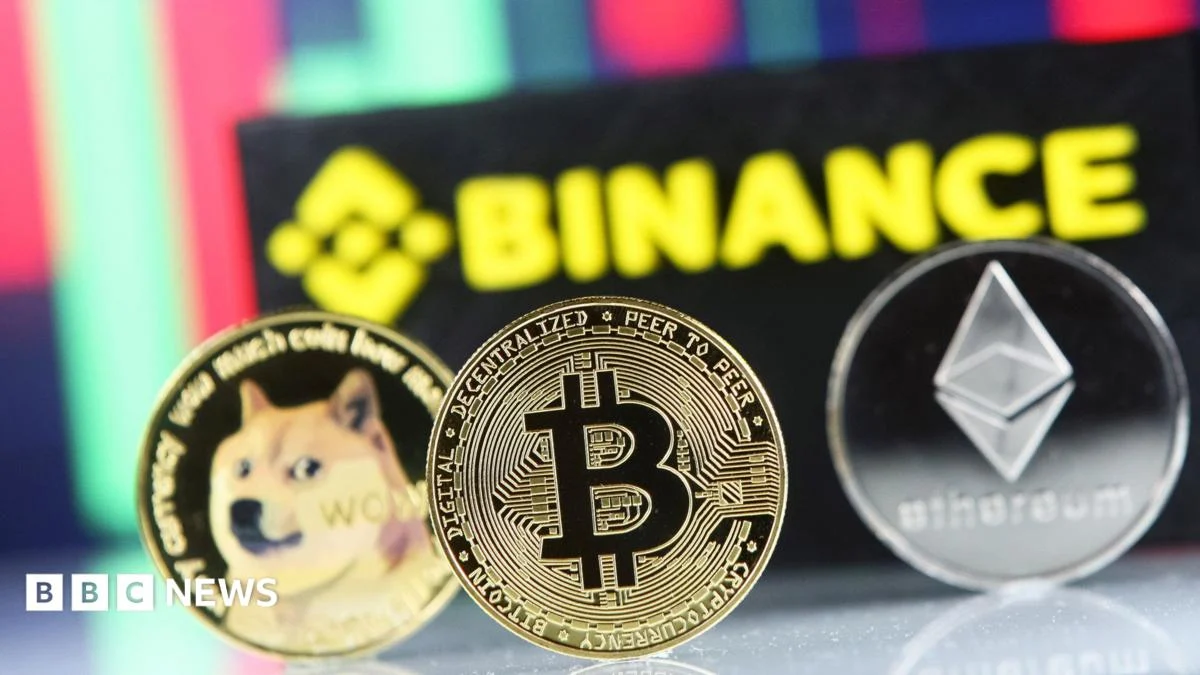
In a stunning development that has sent shockwaves through the global cryptocurrency market, Binance, the world’s largest digital asset exchange, announced it has successfully frozen approximately half of the staggering $6.3 billion (equivalent to £4.7 billion) that was illicitly accessed in what is being widely described as a record-breaking heist. The incident, characterized by Binance as a "complex" hack, has ignited intense scrutiny and a global manhunt for the perpetrators, with evidence strongly pointing towards a notorious North Korean hacking unit.
The sheer scale of the theft is unprecedented in the history of cryptocurrency. Binance initially reported that $3 billion of the stolen digital assets had been secured. However, a significant portion of the funds remains in the possession of unidentified hackers, underscoring the sophistication and audacity of the attack. The exchange’s initial assessment suggested that the breach may have originated from a compromised engineer’s laptop, leading to unauthorized withdrawals. Yet, subsequent investigations revealed a more pervasive and multifaceted attack, involving multiple points of compromise.
Several prominent cryptocurrency analytics firms have been instrumental in piecing together the events, with multiple reports linking the massive hack to a known North Korean hacking collective. This alleged involvement significantly eclipses previous major heists, including a $1.5 billion (£1.12 billion) raid on the Bybit exchange in 2025, which also bore the hallmarks of North Korean cyber operations. The US Secret Service has confirmed its active involvement, stating that its agents are "working around the clock" with the express purpose of "identifying, freezing, tracing, and recovering" the stolen funds. As America’s lead federal agency for investigating financial crimes, the Secret Service has vowed to "identify the cyber criminals responsible and bring them to justice." Binance has echoed this commitment, confirming its active collaboration with the FBI in the ongoing investigation.
While Binance has been quick to reassure its user base, stating that its US-facing exchange remained unaffected by the breach, the jurisdictional implications for the investigation are clear. The US maintains the authority to investigate such hacks and to assist in the recovery of stolen assets, a process that invariably involves a coordinated international law enforcement effort. The gravity of the situation is further amplified by the fact that the hack involved the compromise of some US-linked assets, including prominent stablecoins such as Tether and Circle, cryptocurrencies designed to maintain a fixed value, typically pegged to the US dollar.
In a direct message to its users, Binance declared, "your money is safe, and we’re covering every loss." This assurance comes amidst initial disruptions, as the exchange had temporarily suspended all deposits and withdrawals. However, a subsequent update indicated that deposits were no longer affected, suggesting a degree of stabilization in their operational capacity.
Richard Teng, co-CEO of Binance, provided crucial insights into the nature of the attack during a press briefing. He emphasized that the hack was not the work of a single individual, stating, "This was not carried out by one person. Our initial investigation suggested that the security incident may have involved a compromised laptop, however our subsequent investigation has uncovered additional points of breach." Teng further elaborated on the hackers’ tactics, describing their use of a "self-destruct mechanism that destroyed tooling and traces as they went, making it more difficult for us to trace and investigate." This sophisticated approach significantly hampered the immediate forensic analysis and recovery efforts.
Adding to the financial implications, Binance announced that it had "set aside" more than $6.34 billion in company funds specifically to cover the stolen assets. The exchange is also reportedly "actively buying" a range of cryptocurrency tokens in an effort to replenish its reserves and maintain liquidity. This proactive measure aims to mitigate the immediate financial fallout and instill confidence among its vast user base.
The fallout from the Binance hack has had a palpable impact on the cryptocurrency markets. On Friday, the price of Bitcoin experienced a notable decline, dropping by 5% to $76,800 in New York trading. Other major players in the crypto space also saw their valuations fall. Coinbase, another prominent cryptocurrency exchange, was down 12%, a decline attributed not only to the broader market sentiment but also to earnings results that slightly missed investor expectations. Robinhood, a financial services company that facilitates cryptocurrency trading, also experienced a downturn, falling by 7.8%.
Binance, founded in China in 2017, has grown to become a titan in the digital asset landscape, boasting an estimated over 300 million registered users worldwide. In 2024, the company reported holding more than $160 billion in assets under its custody, highlighting its immense scale and influence within the industry.
A significant source of anxiety among Binance users and the broader crypto community centers on the exchange’s capacity to absorb and cover such an enormous financial loss. While Binance has repeatedly asserted its ability to cover all customer losses and its financial resilience, historical precedents cast a long shadow. Crypto industry observers have pointed to the striking parallels between Binance’s assurances and the statements made by Sam Bankman-Fried, the former CEO of FTX, before his exchange’s dramatic collapse in 2022. That implosion resulted in catastrophic losses for millions of customers and inflicted significant damage on the entire crypto ecosystem.
Several experts have cautioned users against viewing Binance’s promise to cover losses as a legally binding guarantee. They suggest that affected customers might need to pursue litigation to recover their funds. Daniel Tunkel, a legal expert from the London-based Edwin Coe law firm, elaborated on this point, stating that recovery would "come down to what [customers] have been promised in their contracts, and where Binance can be sued for non-performance, if it comes to it." This underscores the importance of user agreements and the potential legal recourse available to individuals who have suffered financial damages.
Binance has been no stranger to regulatory scrutiny across various jurisdictions. Its operations have frequently attracted the attention of financial regulators worldwide, who are grappling with the complexities of overseeing the rapidly evolving digital asset market.
The AI-powered investigations company TRM Labs has played a critical role in the ongoing analysis, noting that several characteristics of the Binance hack bear a strong resemblance to previous incidents attributed to North Korean actors, including the Bybit hack. Over the past five years, the cryptocurrency industry has been plagued by a series of devastating hacks, resulting in billions of dollars in losses. In the overwhelming majority of these cases, investigators have pointed fingers at hackers originating from North Korea, with particular focus on the notorious Lazarus Group, also known as TraderTraitor. These designations refer to clusters of cybercriminals believed to be operating directly under the direction of the North Korean regime.
Chainalysis, another leading crypto analytics firm, has expressed "high confidence" in its assessment that a North Korean entity is linked to the Binance hack. The implications of this persistent attribution are significant. North Korea, an impoverished nation grappling with severe international sanctions and limited industrial capacity, is widely believed to utilize cybercrime as a crucial revenue stream to fund its state apparatus. While Pyongyang consistently denies these allegations, the substantial body of evidence derived from cryptocurrency flow analysis and insider testimonies from defectors presents a compelling case. This evidence suggests that North Korea may be the sole nation actively employing cybercrime as a mechanism for public fundraising, a stark indicator of its unique geopolitical and economic circumstances. The persistence of these attacks, coupled with the sophistication demonstrated, underscores the ongoing threat posed by state-sponsored cybercriminal organizations in the digital asset space.
