
 By admin
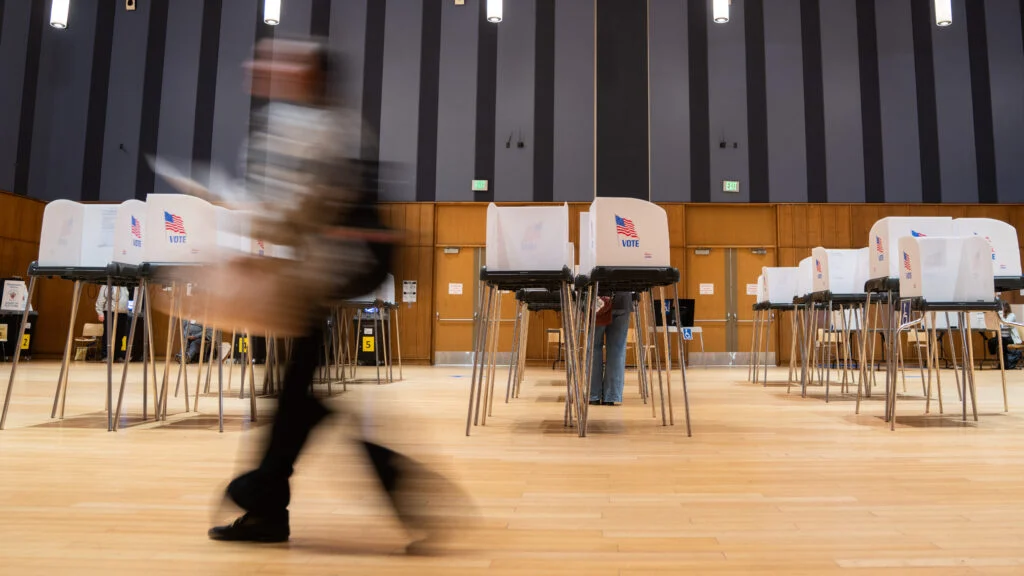
As the airwaves and digital landscapes saturate with campaign advertisements, polling data, and fervent political debates, the reminder to cast a ballot in the upcoming elections has become ubiquitous. From roadside billboards to pop-up notifications on smartphones, the democratic process is impossible to ignore. However, for health scholars and cardiologists, these reminders carry a secondary, more ominous message: elections, particularly those characterized by deep societal divisions and high stakes, can quite literally break your heart. The intersection of political science and medicine has revealed a startling trend: the democratic exercise of voting is increasingly linked to a measurable spike in cardiovascular emergencies, ranging from minor arrhythmias to life-threatening heart attacks.
The scientific community has long understood that acute emotional stress can act as a trigger for cardiac events. However, the specific impact of the electoral cycle has only recently come into sharp focus. Recent studies have identified a significantly higher incidence of cardiac arrhythmias—irregular heartbeats—in the weeks immediately preceding and following major elections. Furthermore, data indicates an increased rate of hospitalizations for acute myocardial infarction, or heart attacks, in the immediate aftermath of Election Day. These findings suggest that the political climate is not just a matter of civic debate but a significant public health variable that requires urgent attention from both the medical community and the general public.
"Your political party doesn’t matter to your heart; stress does," explains Lindsey Rosman, an assistant professor of medicine in the division of cardiology at Northwestern University. In an era where political identity often feels like a core component of one’s personhood, the biological reality is far more indifferent. "Your emotional health and your heart health are inextricably connected," Rosman notes, emphasizing that the body does not distinguish between the stress of a personal tragedy and the collective anxiety induced by a contentious national election.
To understand the magnitude of this phenomenon, researchers have looked back at the last two U.S. presidential cycles, which were marked by unprecedented levels of polarization. Compared with non-election periods, researchers observed distinct physiological changes in the American population during early November. Even if these changes are transient—such as a temporary spike in blood pressure or a brief episode of tachycardia—they can turn catastrophic for individuals with underlying cardiovascular disease. Perhaps more concerning is the risk to those with undiagnosed conditions, who may be unaware that their hearts are vulnerable to the surge of adrenaline and cortisol that accompanies political turmoil.
The research into the 2016 and 2020 elections provides a sobering data set. During the 2016 election, Rosman conducted a study in North Carolina, a pivotal swing state that was inundated with political messaging. By utilizing data from implanted cardiac devices—such as pacemakers and defibrillators—her team was able to monitor heart rhythms in real-time. The results, published as a retrospective observational study, were striking: there was a 77% higher rate of irregular heartbeats during the six-week window surrounding the election compared to a control period. This increase was not confined to one demographic; the pattern of arrhythmia was consistent across age, sex, and race. Most notably, Democrats and Republicans faced a similar level of risk, proving that the physiological toll of political stress is a non-partisan issue.
Following the 2020 election, the focus shifted from arrhythmias to acute cardiovascular events. Matthew Mefford, a cardiovascular disease epidemiologist and research scientist at Kaiser Permanente Southern California, led a retrospective cohort study to determine if election-related stress mirrored the health impacts of natural disasters. The study found that hospitalizations for acute cardiovascular disease rose significantly immediately after Election Day. When comparing the five-day period following the 2020 vote to the same timeframe two weeks prior, the rate of heart attacks was markedly higher. This study included a diverse group of patients, encompassing those with a known history of heart disease and those without, suggesting that the "election effect" can reach deep into the general population.
The biological mechanism behind these events is rooted in the body’s evolutionary "fight-or-flight" response. When an individual perceives a threat—whether it is a physical predator or a perceived threat to their way of life via an election outcome—the sympathetic nervous system takes over. Adrenaline levels skyrocket, the heart rate accelerates, and blood pressure rises. Simultaneously, the vagus nerve, which usually acts as a "brake" to calm the heart, sees its influence diminish. For a healthy individual, this response is manageable. However, for the nearly 120 million Americans—roughly half of the adult population—who live with some form of cardiovascular disease, including hypertension, this state of high alert is dangerous.
The role of inflammation cannot be overlooked. Chronic stress triggers the release of cortisol, which, over time, can lead to systemic inflammation and the destabilization of arterial plaques. When a plaque ruptures due to a sudden surge in blood pressure or heart rate, it can block blood flow to the heart, resulting in a heart attack. Furthermore, the modern political environment is uniquely designed to keep citizens in a state of perpetual high-intensity stress. Ten years ago, political engagement might have been limited to evening news broadcasts and daily newspapers. Today, the saturation of social media and the 24-hour news cycle means that individuals are exposed to "outrage-inducing" content every time they check their phones. This constant bombardment prevents the body from returning to a state of homeostasis, turning acute stress into a chronic condition.
Beyond the direct physiological impact, election stress influences behavior in ways that further endanger the heart. During periods of high political tension, people are more likely to engage in "stress behaviors." This includes sleeping poorly, skipping life-saving medications, or consuming more "comfort foods" high in saturated fats and sodium. There is also a documented increase in the consumption of alcohol and caffeine during election cycles, both of which can trigger arrhythmias in sensitive individuals. When these behavioral changes are layered on top of the biological stress response, the result is a "perfect storm" for cardiac events.
The phenomenon of "stress-induced cardiomyopathy," often referred to as Broken Heart Syndrome, offers a parallel to what researchers are seeing during elections. While usually associated with the loss of a loved one, the condition is triggered by intense emotional distress that causes the heart’s left ventricle to weaken and bulge. While the election-related events studied by Rosman and Mefford are more often traditional heart attacks or arrhythmias, the underlying principle remains the same: the brain and the heart are in a constant, high-stakes dialogue.
The precedent for this link exists outside of politics as well. Previous studies have documented spikes in cardiac events following the 9/11 terrorist attacks, major earthquakes, and even high-stakes sporting events like the World Cup. In one famous study during the 2006 World Cup in Germany, researchers found that on days when the German national team played, the incidence of cardiac emergencies in Munich tripled for men and doubled for women. Elections, it seems, have become the "World Cup" of civic life—events of such perceived importance that the body reacts as if it were in physical peril.
So, what is a voter to do in an increasingly polarized world? The advice from medical professionals is pragmatic. First and foremost, experts suggest setting strict boundaries on news consumption. "Doomscrolling"—the act of continuously scrolling through bad news on social media—is particularly damaging. Limiting political intake to specific times of the day, and avoiding it entirely before bedtime, can help preserve sleep quality and lower nocturnal blood pressure.
Physical activity remains one of the most effective ways to counteract the sympathetic nervous system’s overactivity. Whether it is a brisk walk, a hike in nature, or a yoga session, exercise helps to reset the body’s stress response. Additionally, maintaining medication adherence is critical. Patients with high blood pressure or known arrhythmias must be vigilant about taking their prescriptions, as these drugs provide the necessary buffer against stress-induced spikes.
Looking forward, Lindsey Rosman is expanding her research to include the use of wearable technology. By tracking heart rate variability and activity levels through devices like smartwatches, her team hopes to capture a more granular view of how specific political events—such as debates or the release of exit polls—affect the body in real-time. This data will be vital as the United States moves toward the 2024 presidential election, which many analysts predict will be among the most contentious in history.
In the final analysis, the health of a democracy and the health of its citizens are more closely linked than previously thought. While the focus of any election is naturally on the "heart of the nation," medical science reminds us not to forget the literal hearts of the people living within it. As we navigate the turbulent waters of modern politics, listening to one’s body may be just as important as listening to the candidates. Protecting one’s cardiovascular health is not an act of political apathy; rather, it is a necessary measure to ensure that citizens remain healthy enough to participate in the very system they care so deeply about. "Listen to your body," Mefford advises. In the high-pressure environment of a modern election, that simple advice might just be life-saving.
