
 By admin
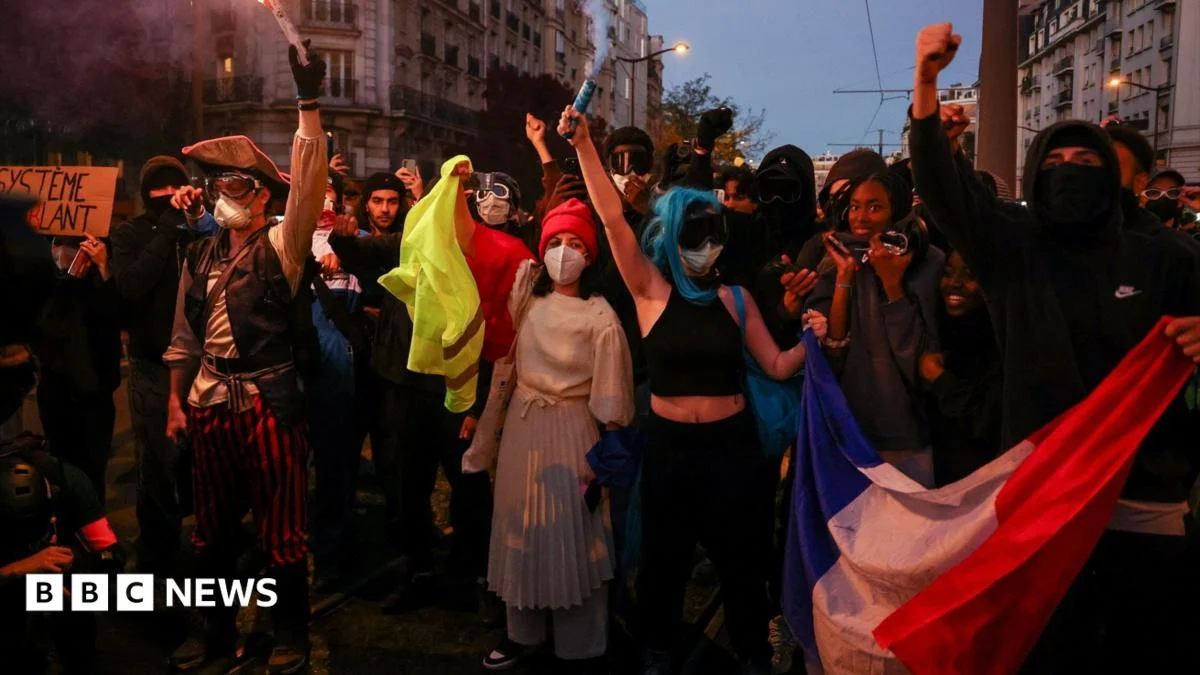
Hundreds of thousands of irate citizens have flooded the streets of France in a powerful display of dissent, marking the third consecutive weekend of nationwide demonstrations against a deepening cost of living crisis and the perceived deterioration of essential public services. The escalating unrest is now poised to culminate in a significant general strike in the coming days, threatening to paralyze key sectors of the French economy and further amplify the public’s grievances. The scale of the mobilization, with over 320,000 individuals taking to the streets across the nation, underscores the profound discontent simmering beneath the surface of French society.
In the heart of the capital, Paris, the demonstrations took a more volatile turn as law enforcement deployed tear gas and engaged in clashes with protesters. This confrontation in Paris, where approximately 70,000 people gathered, highlights the intensity of the public’s frustration and the challenging task facing authorities in managing such widespread dissent. The government’s preparedness for these demonstrations was notably extensive, a direct response to the violent incidents, including rioting and looting, that marred protests two weeks prior. This heightened security presence, while aimed at preventing further escalation, has also been criticized by some as an overly aggressive tactic that can further antagonize demonstrators.
The figures released by France’s interior ministry paint a stark picture of the day’s events: over 320,000 protesters nationwide and at least 290 arrests. These numbers are not merely statistics; they represent a significant portion of the French population expressing their deep-seated anxieties about their economic future and the quality of public provisions. The rising cost of living, fueled by factors such as soaring energy prices, persistent inflation, and stagnant wage growth, has pushed many households to the brink. This economic pressure is compounded by concerns over the state of public services, including healthcare, education, and public transportation, which many feel are being systematically underfunded and eroded.
The origins of this widespread discontent can be traced back to a confluence of economic and social factors that have been building for some time. Globally, nations are grappling with the repercussions of the COVID-19 pandemic, geopolitical instability, and the ongoing transition to greener economies, all of which have contributed to inflationary pressures. In France, however, these global trends have intersected with specific domestic policies and long-standing structural issues. The government’s recent economic reforms, while intended to boost competitiveness, have been perceived by many as disproportionately benefiting corporations and the wealthy, while failing to address the needs of ordinary citizens. The pension reform, in particular, has been a significant flashpoint, sparking widespread anger and contributing to the current wave of protests.
The demonstrations are not confined to the streets of France; the BBC’s correspondent, James Waterhouse, reports that similar protests have erupted in Albania, Germany, and Italy, with young people across Europe taking to the streets. This pan-European dimension to the protests suggests a shared set of concerns among younger generations who are facing precarious employment, mounting student debt, and anxieties about climate change and their future economic prospects. The interconnectedness of these movements, amplified by social media and global news coverage, creates a potent force for collective action and solidarity across borders.
To understand the depth of the current crisis, it is crucial to examine the specific grievances fueling the protests. The rising cost of living is a multifaceted issue. Energy prices, driven by a complex interplay of global supply and demand, sanctions, and geopolitical tensions, have seen a dramatic surge. This directly impacts household budgets, increasing the cost of heating, electricity, and fuel for transportation. Food prices have also climbed, with inflation eroding the purchasing power of wages. For many families, particularly those on lower incomes, these price hikes mean difficult choices between essential needs, leading to increased financial stress and a sense of insecurity.
The perceived decline in public services adds another layer of frustration. The French healthcare system, once a source of national pride, is reportedly facing significant strain, with reports of staff shortages, long waiting times, and an increasing burden on medical professionals. Similarly, the education sector is grappling with underfunding, leading to larger class sizes, outdated facilities, and a decline in the quality of education. Public transportation, a vital artery for urban life, is also facing challenges, with aging infrastructure and service disruptions affecting commuters. These issues are not merely administrative inconveniences; they represent a fundamental erosion of the social contract, whereby citizens expect a certain standard of public provision in return for their taxes and contributions to society.
The government’s response to these protests has been a delicate balancing act. On one hand, authorities have emphasized their commitment to dialogue and finding solutions to the economic challenges. On the other hand, the deployment of law enforcement and the arrests made highlight the government’s determination to maintain order and prevent the escalation of violence. The debate surrounding the use of force is a contentious one. While some argue that such measures are necessary to deter criminal activity and protect public property, others contend that they can alienate protesters and stifle legitimate dissent.
Expert opinions on the situation vary, but many economists and sociologists point to a growing sense of inequality and a lack of social mobility as key drivers of the unrest. Dr. Isabelle Dubois, a sociologist specializing in social movements, notes that "the current protests are not simply about the price of gas; they are a symptom of a deeper societal malaise. For years, there has been a growing perception that the benefits of economic growth are not being shared equitably, and that the social safety net is fraying. This creates fertile ground for widespread discontent." She adds that "the youth, in particular, are facing an uncertain future, and their frustration is palpable. They are demanding a more just and sustainable society."
The impending general strike is a significant development, signaling a potential for widespread disruption. Unions, which have been instrumental in organizing protests and advocating for workers’ rights, are leveraging the current mood to demand concessions from the government and employers. A general strike, by its nature, involves the cessation of work across multiple sectors, including transportation, public services, and potentially even manufacturing. The economic impact of such a strike can be substantial, leading to production losses, supply chain disruptions, and a significant blow to the national economy. The success of a general strike often depends on its ability to garner broad public support and to exert significant pressure on the government and businesses.
The international dimension of these protests cannot be overstated. The fact that youth across Europe are mobilizing around similar issues suggests a shared experience of economic precarity and a desire for systemic change. In Albania, protests have focused on corruption and economic stagnation. In Germany, concerns about rising energy costs and the cost of living have been prominent. In Italy, similar anxieties about economic inequality and the future are driving public demonstrations. This shared sentiment can foster a sense of solidarity and empower activists to push for more ambitious reforms.
The government now faces a critical juncture. Ignoring the widespread public anger could lead to further escalation and a prolonged period of social unrest. Conversely, making significant concessions could be politically challenging and require a fundamental rethinking of economic and social policies. The coming days, with the anticipated general strike, will likely be a crucial test of the government’s ability to navigate this complex and volatile situation. The outcome of these protests and the subsequent actions taken by the French government could have far-reaching implications not only for France but also for the broader European landscape, as other nations grapple with similar economic and social challenges. The demand for a more equitable distribution of wealth, robust public services, and a sustainable future resonates deeply with a generation that feels increasingly disenfranchised and is demanding to be heard.
