
 By admin
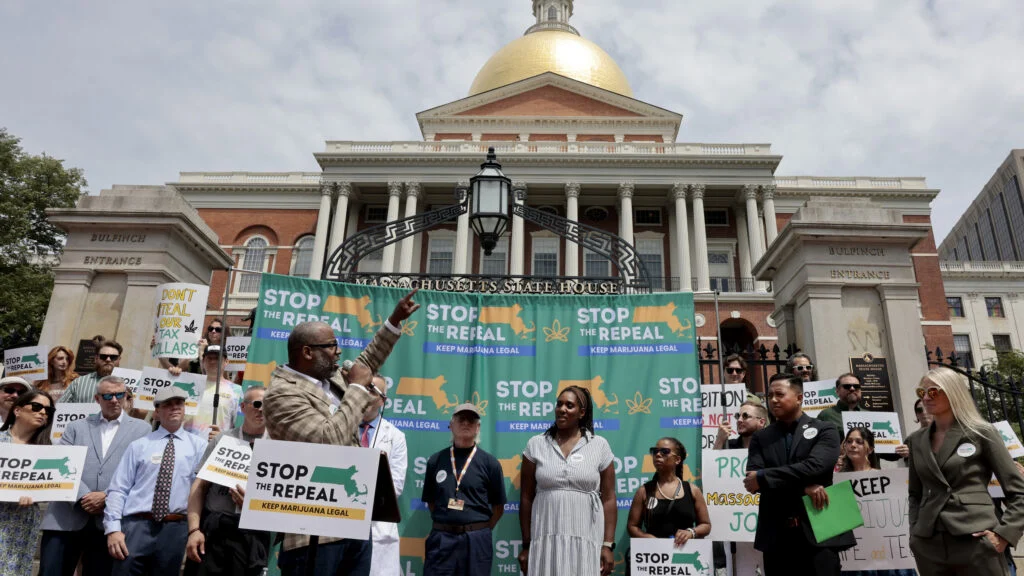
The stakes of Question 8 were existential for the thousands of entrepreneurs, workers, and investors who have built the Massachusetts market from the ground up. Had the measure passed, it would have triggered a mandatory "sunset" period, requiring every licensed recreational dispensary, cultivation center, and manufacturing facility in the state to cease operations by January 1, 2028. This would have effectively vaporized an industry that, as of late 2026, supports more than 35,000 jobs and generates hundreds of millions of dollars in annual tax revenue for both state and municipal coffers. The "Stop the Repeal" campaign, led by former Boston city councilor and dispensary owner Tito Jackson, framed the ballot initiative not just as a threat to a product, but as a direct assault on economic stability and social equity.
Throughout the campaign, Jackson and his allies argued that dismantling the legal market would not eliminate cannabis use but would instead surrender the entire market back to illicit operators. By standing in front of the State House in June to kick off the opposition, Jackson highlighted a central irony: many of the communities most harmed by the historical "War on Drugs" had finally begun to see the benefits of legalization through social equity programs and local tax disbursements. A repeal would have disproportionately affected these minority-owned businesses, many of which are only now reaching profitability after years of navigating complex regulatory hurdles.
The economic data supporting the "No on 8" position was formidable. Since the first recreational shops opened in November 2018, Massachusetts has seen cumulative sales surpass $7 billion. The state’s 10.75% excise tax, combined with the 6.25% sales tax and local options of up to 3%, has funneled significant capital into the Massachusetts General Fund and specific programs aimed at public health, municipal infrastructure, and law enforcement training. In many "Green Communities"—towns that have embraced the industry—marijuana revenue has been used to fund the construction of new schools, the repair of aging roads, and the stabilization of property taxes. For these municipalities, the passage of Question 8 would have created immediate and devastating budgetary shortfalls, forcing local officials to choose between deep service cuts or significant tax hikes.
On the other side of the aisle, the proponents of Question 8, a coalition of public health advocates and conservative community groups, centered their argument on the perceived "normalization" of high-potency THC products and the potential long-term effects on adolescent brain development. They pointed to data regarding an increase in emergency room visits related to accidental edible ingestion and expressed concerns over the proliferation of "pot shops" in residential and commercial hubs. However, the lopsided election results suggest that these concerns were largely outweighed by the public’s preference for a regulated, taxed, and age-restricted system over the alternative of a completely unregulated black market.
The political context of the 2026 midterms also played a role in the outcome. While the rest of the nation was swept up in a "blue wave" that saw Democrats making significant gains in both the House and Senate, the Massachusetts cannabis vote transcended traditional partisan lines. The 76% opposition to the repeal indicates that a significant portion of Republican and Independent voters also favored maintaining the status quo. This bipartisan support reflects a broader national trend where cannabis reform often outpaces the popularity of individual political candidates. In Massachusetts, the industry has become "too big to fail," not just in terms of revenue, but in terms of its integration into the daily lives of residents who view dispensaries with the same banality as liquor stores or pharmacies.
Industry analysts suggest that the defeat of Question 8 will now trigger a new wave of investment in the Massachusetts cannabis space. For the past year, the threat of a total shutdown had created a "chilling effect" on capital expenditures, with many multi-state operators (MSOs) and local startups hesitating to expand or renovate facilities. With the threat of repeal now permanently off the table, the market is expected to move toward a "maturation phase." This will likely involve increased consolidation as larger firms acquire smaller ones, as well as a renewed focus on "cannabis hospitality" and social consumption lounges—concepts that had been stalled in the legislature partly due to the uncertainty surrounding Question 8.

The Cannabis Control Commission (CCC), the state’s regulatory body, also faces a renewed mandate. While the commission has faced its share of internal turmoil and leadership changes over the last two years, the voters’ decision to keep the industry alive places a heavy responsibility on the agency to refine its oversight. Key issues moving forward will include the tightening of laboratory testing standards to ensure consumer safety, the expansion of the "delivery" license category to compete with the convenience of the illicit market, and the continued refinement of social equity benchmarks. The CCC will now be tasked with managing a permanent industry rather than one with an expiration date.
From a social justice perspective, the rejection of the repeal is being hailed as a victory for restorative justice. Advocates pointed out that Question 8 offered no plan for the thousands of individuals who would have been displaced from their jobs, nor did it address the legal vacuum that would have been created regarding the possession limits established in 2016. If the measure had passed, Massachusetts would have entered a chaotic legal "gray zone" where possession might have remained legal under the constitution, but the mechanism for legal purchase would have been abolished. This scenario, critics argued, was a recipe for increased police interactions and a return to the discriminatory enforcement patterns of the past.
The "Stop the Repeal" campaign successfully utilized a grassroots strategy that emphasized the faces behind the industry. By showcasing the stories of veterans who use cannabis for PTSD, elderly residents who rely on CBD-heavy products for chronic pain, and local farmers who have transitioned from traditional crops to hemp and marijuana, the campaign humanized a sector that is often discussed only in terms of "vice" or "tax revenue." This strategy effectively countered the "Yes on 8" narrative, which often relied on older tropes of "stoner culture" that no longer resonate with a population where nearly one in five adults reports using cannabis regularly.
Looking at the broader New England region, the Massachusetts vote serves as a stabilizer. With neighboring states like Connecticut, Rhode Island, and Vermont also developing their own adult-use markets, a repeal in Massachusetts—the region’s oldest and most established market—would have sent shockwaves through the regional economy. It would have likely driven Massachusetts consumers across state lines, enriching neighboring treasuries at the expense of the Commonwealth. By voting "no," Massachusetts residents chose to keep that economic activity within their own borders.
As the dust settles on the 2026 election, the message from Massachusetts is clear: the era of debating whether marijuana should be legal is largely over. The focus has now shifted entirely to how it should be regulated, how the tax revenue should be spent, and how to ensure the market remains competitive and fair. The "green wave" that washed over the state on Tuesday night didn’t just save a few hundred pot shops; it protected an entire ecosystem of ancillary businesses, from security firms and legal practices to specialized HVAC contractors and packaging manufacturers.
The start of 2028 will now pass not with the closing of doors and the boarding up of windows, but with the continued evolution of an industry that has proven its resilience. For the "Stop the Repeal" movement, the 76% margin is more than just a victory; it is a shield against any future attempts to relitigate the end of prohibition. The "puff, puff, didn’t pass" headline may be a lighthearted take on a serious political battle, but for those whose livelihoods depended on the outcome, the relief is profound. Massachusetts has reaffirmed its role as a leader in the cannabis movement, proving that once the "green door" is opened, the public is rarely inclined to shut it.
