
 By admin
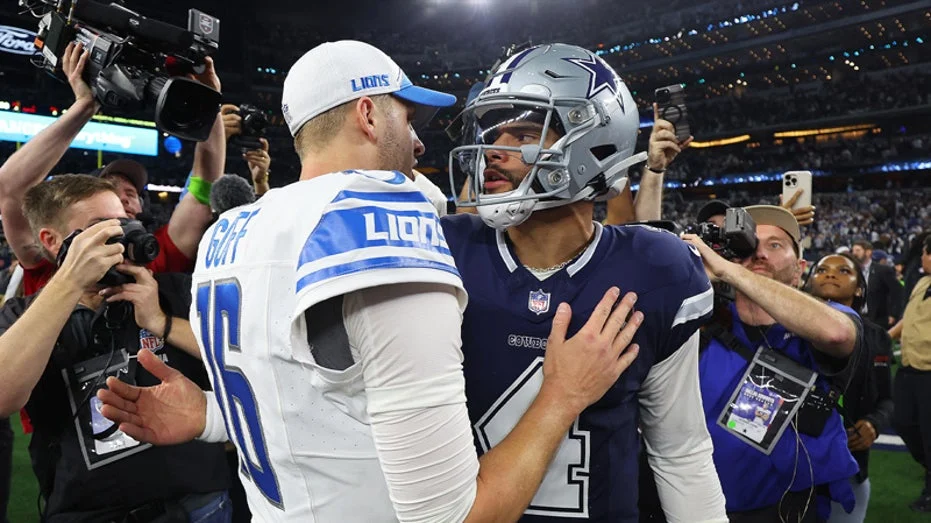
The familiar sight of the Detroit Lions and Dallas Cowboys gracing our television screens on Thanksgiving Day is more than just a scheduling quirk; it’s a deeply ingrained American sports tradition, a cornerstone of the holiday that dates back decades. This annual ritual, as predictable as the gathering of family and the aroma of roasted turkey, has solidified the Lions and Cowboys as synonymous with Thanksgiving football. But the genesis of this enduring partnership is rooted in strategic decisions, a desire for publicity, and a touch of entrepreneurial spirit that transformed a simple football game into a national spectacle.
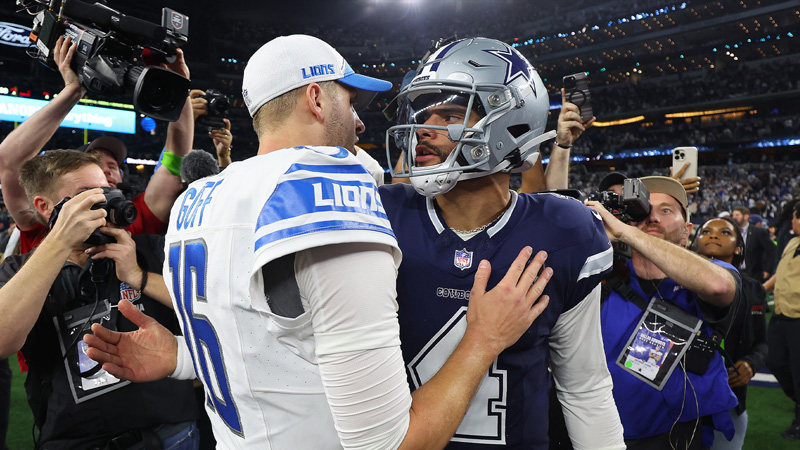
The story of the Detroit Lions’ Thanksgiving Day tradition begins in 1934. The franchise, then known as the Portsmouth Spartans, had recently relocated to Detroit. However, the team was facing a significant challenge: poor attendance. Averaging a mere 15,000 fans per game, the fledgling Detroit Lions were struggling to capture the city’s imagination. In a bold move to inject life into the franchise and boost ticket sales, then-owner George A. Richards conceived of an audacious idea: host an NFL game on Thanksgiving Day. His chosen opponent? The formidable, back-to-back NFL champion Chicago Bears.
The inaugural Thanksgiving Day contest for the Lions, played at the University of Detroit Stadium, did not result in a victory for the home team, with the Bears clinching a 19-16 win. However, the impact on attendance was undeniable. The game drew approximately 26,000 spectators, nearly double the franchise’s typical figures. This resounding success convinced Richards of the holiday’s potential. Thus, the Thanksgiving Day game became an annual fixture for the Lions, a tradition that has continued uninterrupted since 1934, with the sole exceptions of the years between 1939 and 1944, a period shadowed by the global conflict of World War II. Typically, the Lions kick off the Thanksgiving festivities, with their game commencing at 1 p.m. ET, setting the tone for the day’s football marathon.
The Dallas Cowboys’ Thanksgiving Day legacy, while younger, is equally significant and stems from a different, yet equally strategic, motivation. By the 1966 NFL season, the Cowboys were in their seventh year of existence and had yet to achieve consistent playoff success or a winning record. However, this particular season would prove to be a turning point, marking both the team’s maiden playoff berth and its inaugural Thanksgiving Day game.
Then-owner Tex Schramm recognized the immense marketing potential of a Thanksgiving Day game. He viewed it as an unparalleled opportunity to showcase the Dallas Cowboys to a vast, national audience, leveraging the holiday’s captive viewership to build brand recognition and fan loyalty. Furthermore, Schramm astutely identified the strategic advantage of playing a standalone game on a Thursday. In an era where NFL scheduling was predominantly Sunday-centric, a mid-week, high-profile game offered a unique platform and a chance for the Cowboys to gain significant publicity outside the regular Sunday rotation. This foresight transformed the Thanksgiving game from a mere scheduling anomaly into a deliberate strategy for the Cowboys’ growth and national prominence.
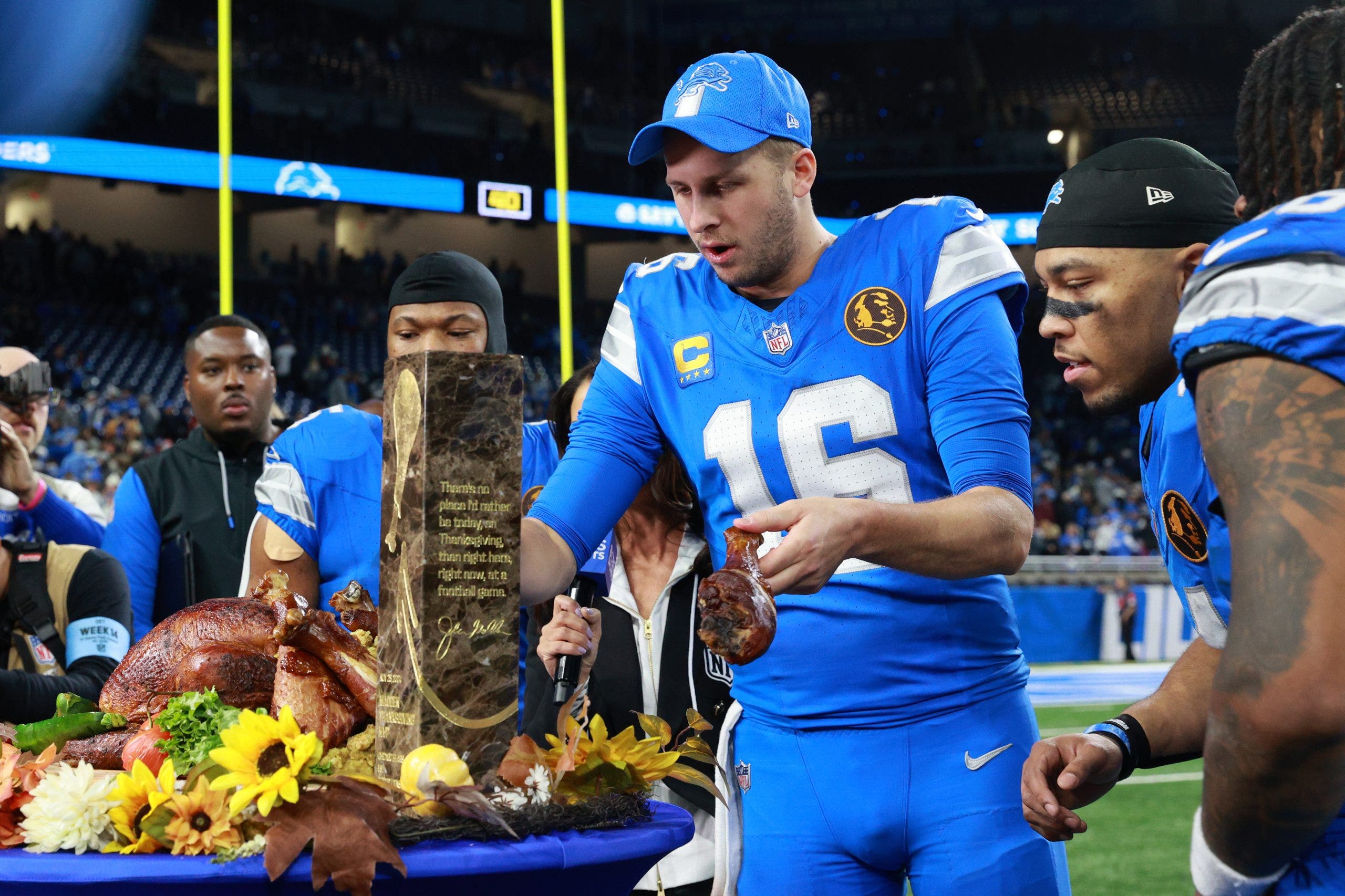
While the Cowboys have largely embraced their Thanksgiving Day role, there have been brief deviations. They did not play on the holiday in 1975 and 1977. Nevertheless, excluding those two years, Dallas has consistently hosted a Thanksgiving Day game since 1966, solidifying their status as a Thanksgiving staple. Their first Thanksgiving Day victory came in 1966 against the Cleveland Browns, a decisive 26-14 win at the Cotton Bowl Stadium. Traditionally, the Cowboys’ Thanksgiving Day game is scheduled for 4:30 p.m. ET, following the Lions’ early afternoon kickoff.
However, for the loyal, albeit often beleaguered, fanbase of the Detroit Lions, their team’s Thanksgiving Day tradition has, at times, felt more like a cruel annual test of endurance. Historically, the Lions have struggled on this hallowed holiday turf. Their all-time record on Thanksgiving Day stands at a modest 38-46-2. More poignantly, Detroit has endured significant losing streaks, dropping eight of their last nine Thanksgiving Day contests. This recent struggle echoes a particularly challenging period from 2004 to 2012, when the Lions lost nine consecutive games on the holiday. While there was a brief resurgence with a four-game winning streak from 2013 to 2016, the overall narrative has been one of disappointment. Their most frequent Thanksgiving Day opponent has been their NFC North rival, the Green Bay Packers, with whom they have clashed 23 times. In these storied matchups, Detroit holds a slight edge with a 12-10-1 record.
In stark contrast, the Dallas Cowboys have carved out a more celebratory Thanksgiving Day legacy. They boast a more favorable all-time record of 35-22-1 on the holiday and have enjoyed a recent surge, winning their last four Thanksgiving Day games. Of their 58 Thanksgiving Day appearances, a remarkable 11 have been against their historic division rival, the Washington Commanders, a series in which the Cowboys have dominated with a 9-2 record.
It is crucial to note that neither the Cowboys nor the Lions originated the concept of NFL games being played on Thanksgiving Day. Historically, other NFL contests had been held on the holiday prior to these franchises making it a permanent fixture. However, the Lions and Cowboys are the sole NFL organizations that committed to making the late November Thursday game an enduring part of their annual schedule. The addition of a third Thanksgiving Day game, a common occurrence in recent years, did not become a reality until 2006, further highlighting the pioneering role of Detroit and Dallas in establishing this holiday tradition.
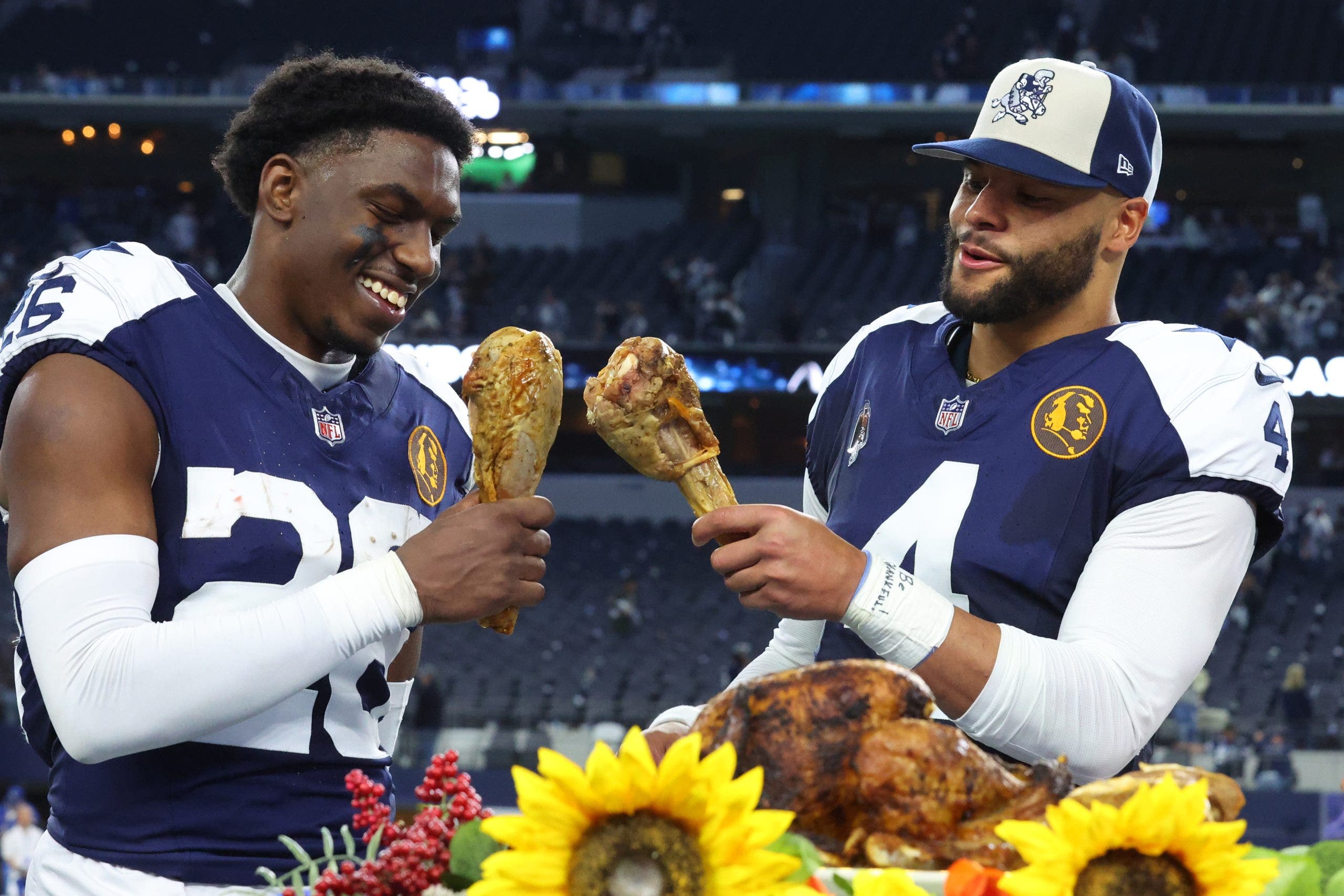
The current NFL Thanksgiving Day slate, as exemplified by the 2026 season, continues to showcase these storied franchises and offers compelling matchups that blend tradition with high-stakes competition. The day’s football feast typically kicks off with the Detroit Lions hosting their NFC North rivals, the Chicago Bears. In 2026, this matchup pitted two formidable 8-2 teams against each other in the Bears’ first meeting of the season with the Lions, commencing at 1 p.m. ET. Following this divisional clash, the Dallas Cowboys, entering the 2026 season with a 5-6 record, faced off against their NFC East rivals, the Philadelphia Eagles, who held a 3-7 record. This game, a critical battle for divisional relevance, was broadcast on FOX at 4:30 p.m. ET. The day’s football festivities culminated with a highly anticipated showdown between two of the league’s premier quarterbacks, Patrick Mahomes of the Kansas City Chiefs (8-2) and Josh Allen of the Buffalo Bills (9-1), in Buffalo at 8:20 p.m. ET.
The enduring presence of the Lions and Cowboys on Thanksgiving Day is a testament to the power of tradition, strategic marketing, and the unique way in which American football has woven itself into the fabric of national holidays. What began as a bold experiment by George A. Richards to boost attendance for the struggling Detroit Lions and a calculated publicity move by Tex Schramm for the burgeoning Dallas Cowboys has evolved into an indispensable part of the Thanksgiving experience for millions of fans across the country. The shared meal, the family gatherings, and the collective anticipation of the NFL’s Thanksgiving Day tripleheader have become as much a part of the holiday as the historical significance of the day itself, a unique intersection of sport, culture, and national celebration. The future of Thanksgiving football will undoubtedly continue to feature these iconic teams, further cementing their place in the annals of American sports history.
