
 By admin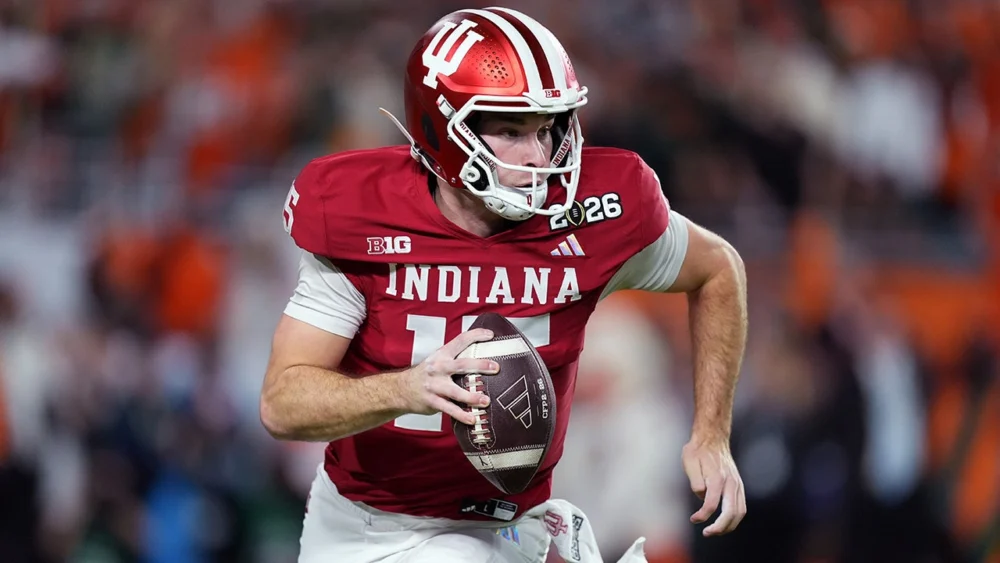
In a startling revelation that has sent ripples through the NFL draft landscape, Fernando Mendoza, the highly touted quarterback from Indiana University and projected top pick in the 2026 NFL Draft, claims a team executive suggested he engineer his own arrest to fall lower in the draft order. The alleged incident, disclosed during an interview with CBS Sports at the NFL combine, has ignited a firestorm of speculation and concern regarding the ethical boundaries within professional football scouting.
Mendoza, who has captivated college football fans with his stellar performance, is widely considered the premier quarterback prospect available. While the Las Vegas Raiders are currently holding the No. 1 overall selection and are heavily rumored to be targeting him, Mendoza has been diligently interviewing with various teams at the combine, a crucial step in the pre-draft evaluation process. It was during one of these candid exchanges that the eyebrow-raising suggestion was reportedly made.
When asked about the most unusual question he had encountered from team representatives, Mendoza recounted, "It was, ‘hey, maybe you should get arrested,’ and I was a little confused, but then I was like, the slide… so you could slide in the draft." The implication, as Mendoza understood it, was that a legal entanglement could tarnish his image and potentially cause him to slip down the draft board, allowing a team with a later pick to acquire him at a perceived discount. He declined to identify the specific team that made this questionable proposition, leaving the NFL community to ponder which franchise might resort to such ethically dubious tactics.
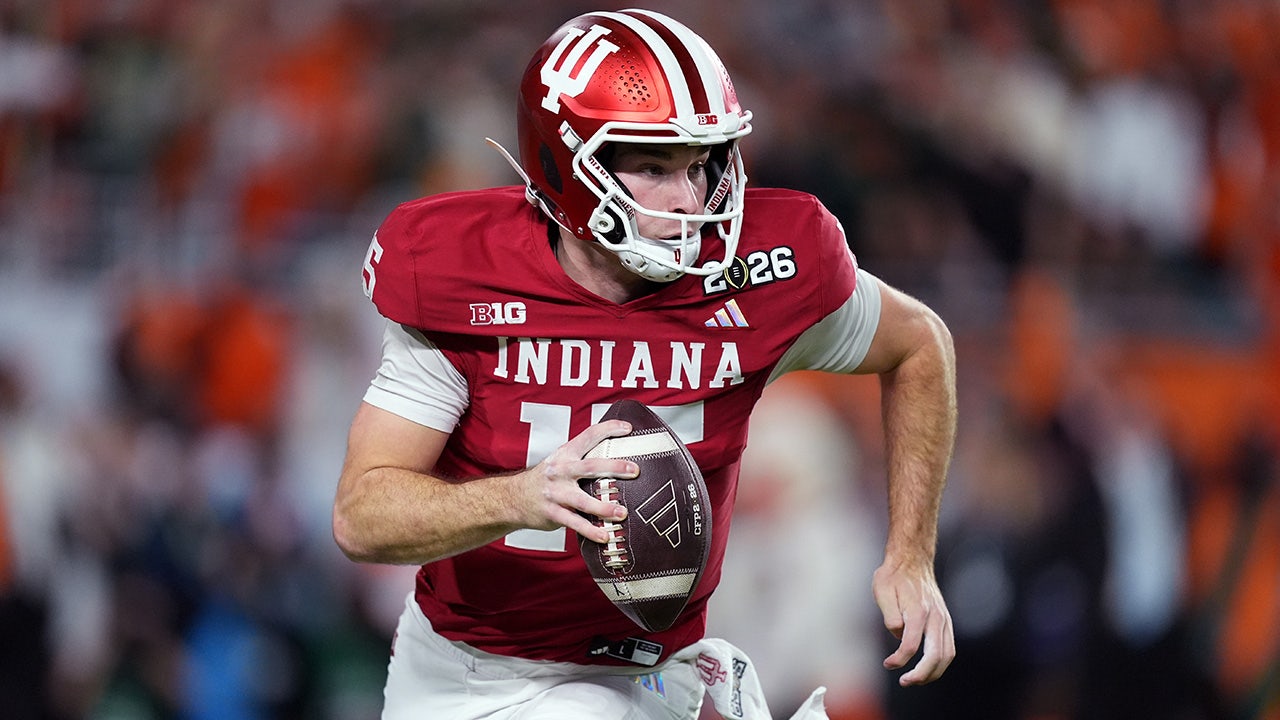
The notion of teams attempting to manipulate draft order through unconventional or even illicit means is not entirely unprecedented, though such direct suggestions to a player are exceedingly rare and highly problematic. In the past, rumors have swirled about teams subtly attempting to influence players to withdraw from the draft or delay their entry, but a direct prompt for criminal activity is a new and disturbing low.
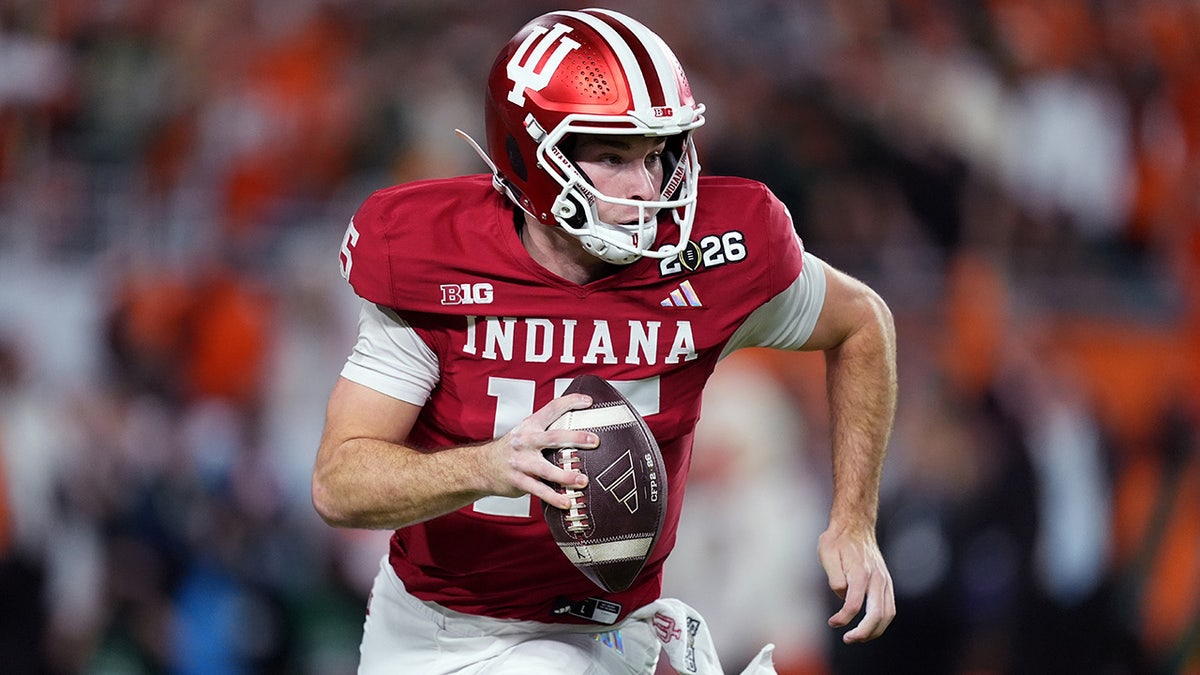
Mendoza’s collegiate career has been nothing short of extraordinary. He led the Indiana Hoosiers to an unprecedented 16-0 undefeated season in modern college football history, culminating in a national championship victory. His individual accolades are equally impressive, including a Heisman Trophy win for his remarkable 2025 season. During that championship campaign, Mendoza showcased his elite talent, throwing for 3,535 yards and 41 touchdowns, while demonstrating remarkable poise and decision-making with only six interceptions. His statistical output and on-field leadership have solidified his status as a generational talent.
The perceived scarcity of top-tier quarterback talent in the 2026 draft class further amplifies the significance of Mendoza’s situation. Another highly regarded prospect, Oregon’s Dante Moore, recently announced his decision to forgo the NFL draft and return to college for another season, leaving a void in the pool of elite signal-callers. Other potential quarterback prospects like Ty Simpson, Drew Allar, and Garrett Nussmeier are generally projected to be selected after Mendoza, making him an even more coveted commodity.
The Las Vegas Raiders, having struggled to find consistent quarterback play in recent years, are widely seen as a team desperate to secure a franchise signal-caller. Their current position in the draft order makes Mendoza an attractive target, and the pressure to make the right choice is immense. However, the alleged suggestion from another team executive raises serious questions about the integrity of the pre-draft process and the lengths some organizations might go to gain a competitive advantage.
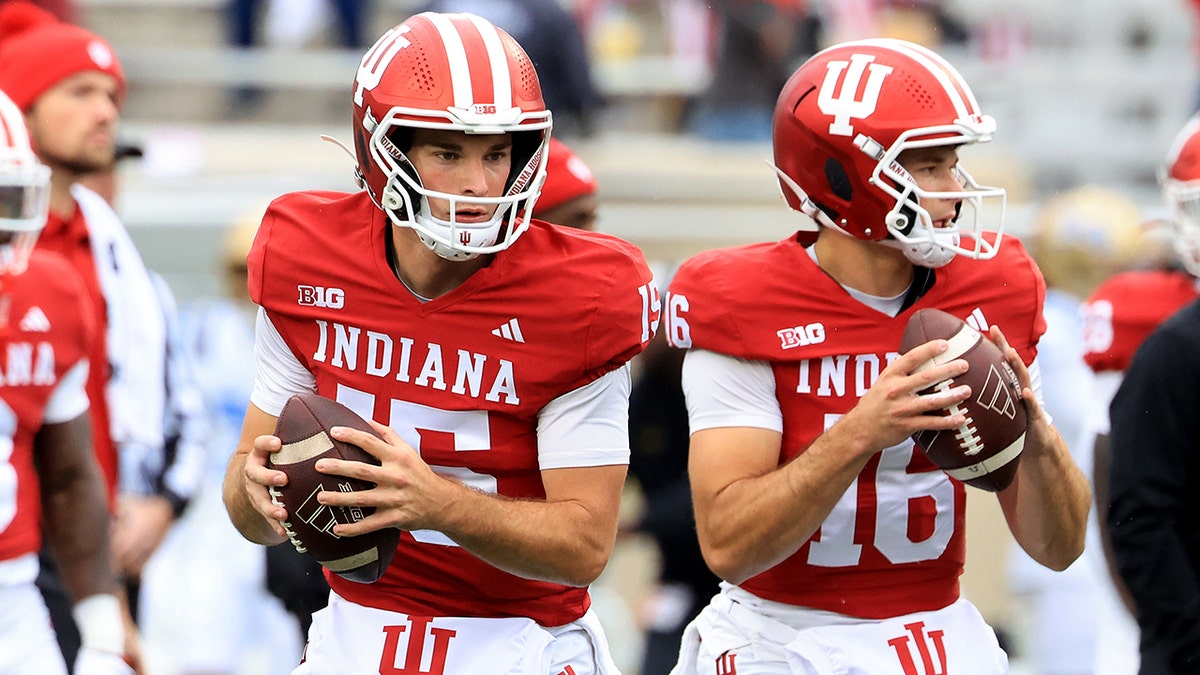
The NFL combine serves as a critical juncture where teams conduct extensive interviews and physical evaluations of draft-eligible prospects. These interviews are designed to assess a player’s football intelligence, character, leadership qualities, and overall fit within a team’s culture. The fact that a team executive would even broach such a sensitive and unethical topic with a player speaks volumes about the intense pressure and strategic maneuvering that characterizes the professional scouting world.
This incident also brings to the forefront the responsibility of NFL teams and their executives to uphold ethical standards and promote a fair playing field. While the competitive nature of the league is undeniable, suggestions that could potentially lead a player down a path of legal trouble are far beyond the pale. Such actions not only jeopardize the player’s future but also tarnish the reputation of the league as a whole.
Legal analysts and sports ethicists have weighed in on the implications of Mendoza’s statement. Dr. Evelyn Reed, a sports ethics professor at Georgetown University, commented, "This alleged suggestion is deeply concerning. It highlights a potential for extreme ethical lapses within the recruitment process. Teams have a responsibility to scout players based on their merits and potential, not by attempting to artificially inflate or deflate their draft stock through nefarious means. The consequences for both the player and the league could be significant if such practices are found to be widespread."
The NFL’s Player Conduct Policy is stringent and designed to protect the integrity of the game and its participants. While this situation involves a suggestion rather than an action by the player, the act of advising a prospect to engage in potentially illegal behavior could be viewed as a violation of league rules and ethical guidelines. The league office may launch an investigation into the matter, especially if Mendoza chooses to identify the team in question.
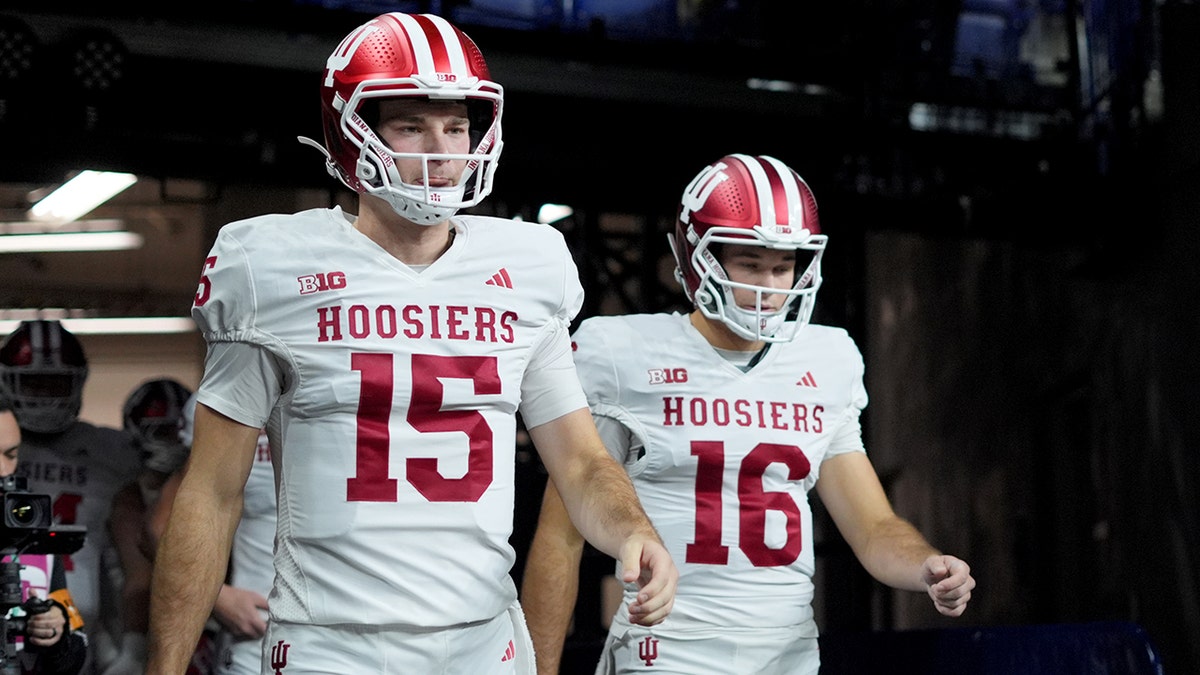
Mendoza’s own reaction to the suggestion – his initial confusion followed by a realization of the strategic implication – paints a picture of a young athlete navigating the complex and often cutthroat world of professional sports. His candidness in sharing this experience, despite the potential ramifications, is commendable. It brings to light a darker side of the draft process that many outside observers may not be aware of.
The situation also raises questions about the psychological impact of these intense pre-draft evaluations on young athletes. Players are under immense pressure to perform on the field and to impress in interviews. They are often subjected to unconventional questions and scenarios designed to gauge their reactions under stress. However, the line between legitimate assessment and unethical manipulation appears to have been crossed in this instance.
The Las Vegas Raiders, while seemingly poised to make Mendoza their top choice, will undoubtedly be scrutinizing this development closely. Their decision-making process at the top of the draft is crucial for the future of their franchise. The alleged suggestion, regardless of the team that made it, introduces an element of uncertainty and raises concerns about the character of individuals involved in the scouting process.
Furthermore, the media’s role in reporting such sensitive information is vital. By bringing this alleged incident to light, Fox News and CBS Sports have initiated a conversation that could lead to greater transparency and accountability within the NFL. The public’s interest in the integrity of the draft process and the well-being of its aspiring athletes is significant.
Looking ahead, the NFL may need to re-evaluate its protocols for team interviews at the combine to ensure that all interactions remain professional and ethical. Stricter guidelines and oversight could be implemented to prevent any recurrence of such disturbing suggestions. The league has a vested interest in protecting its image and ensuring that the path to professional football is as fair and just as possible.
Fernando Mendoza’s journey to the NFL is already one of the most anticipated storylines of the upcoming draft. This revelation, however, has added an unexpected and controversial chapter. His performance on the field has earned him the admiration of fans and scouts alike, but his willingness to speak out about this alleged ethical breach may have a more profound impact on the future of NFL scouting and player recruitment. The hope is that this incident will serve as a catalyst for positive change, reinforcing the importance of integrity and fair play in the pursuit of athletic excellence. The shadow of this alleged suggestion looms large, and the NFL community will be watching closely to see how the league and the involved parties respond to this unprecedented claim.
