
 By admin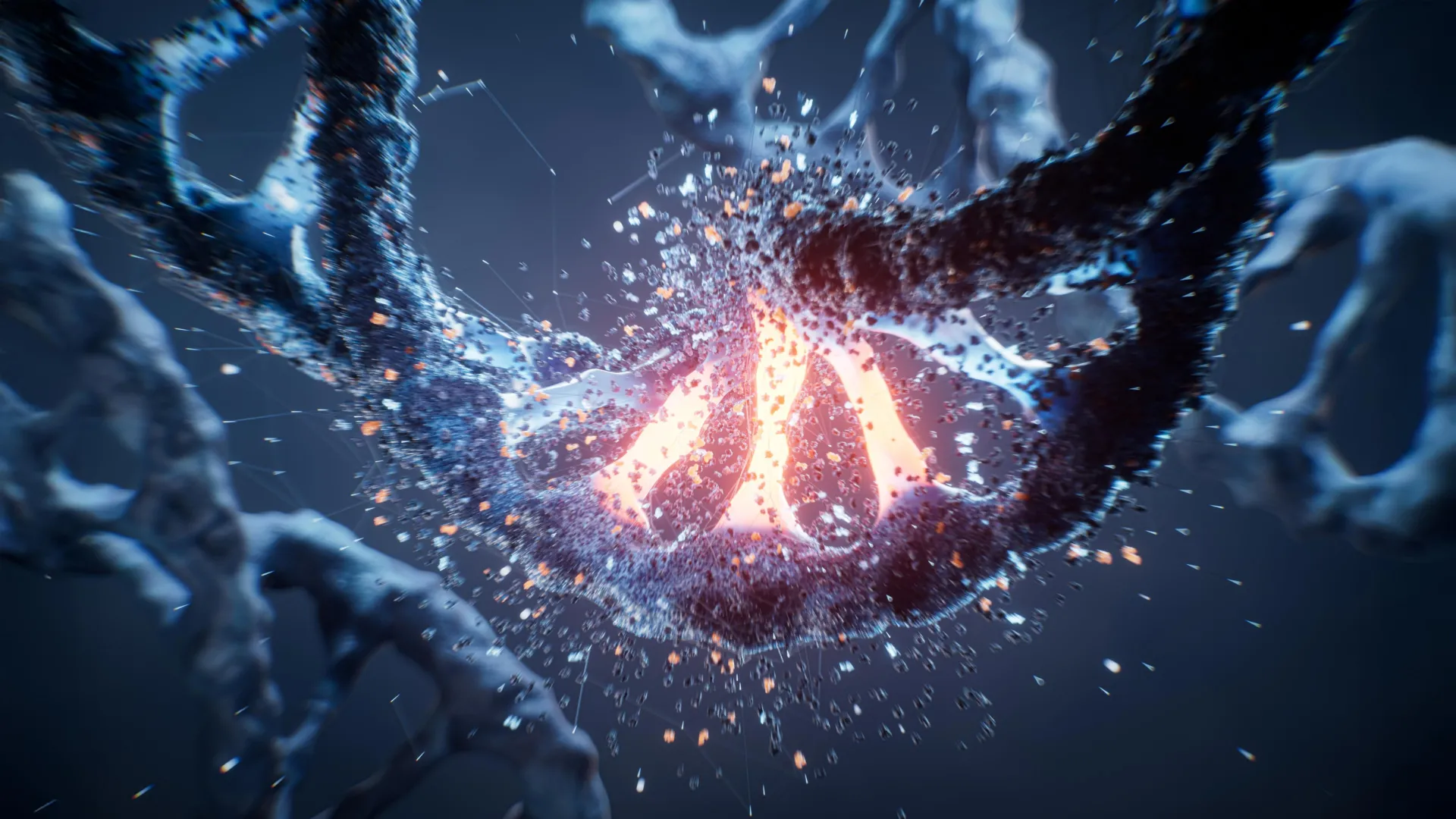
However, recent groundbreaking research from the University of California, Berkeley, has unveiled a startling exception to this long-held rule, challenging a central assumption about the genetic code’s unwavering consistency. Their findings reveal a microorganism capable of tolerating, and even leveraging, a degree of ambiguity in its genetic code, fundamentally reshaping our understanding of how life can interpret its own instructions.
The organism at the heart of this discovery is Methanosarcina acetivorans, a fascinating methane-producing member of the domain Archaea. Archaea represent one of the three great domains of life, distinct from Bacteria and Eukaryotes, often thriving in extreme environments and playing crucial roles in global biogeochemical cycles, particularly in methane production. M. acetivorans is an anaerobic microorganism that thrives in diverse environments, from freshwater sediments to the human gut, where it plays a role in breaking down methylated compounds. What makes this particular archaeon so extraordinary is its unique interpretation of a specific three-letter sequence, UAG. This sequence is conventionally known as a "stop codon" in virtually all other studied life forms, signaling the termination of protein synthesis. Yet, M. acetivorans treats this seemingly definitive instruction in two distinct ways. Sometimes, the cellular machinery faithfully recognizes UAG as a stop signal, halting protein construction. Other times, however, it inserts a specialized amino acid, pyrrolysine, and remarkably, continues the protein synthesis process. This dual interpretation means that a single genetic instruction can lead to the production of two distinct proteins: a shorter, truncated version and a longer, full-length isoform containing pyrrolysine. Despite this seemingly "flexible" or "imprecise" interpretation of its genetic code, Methanosarcina acetivorans appears to function normally, demonstrating that life can indeed operate and even thrive with a more nuanced, probabilistic genetic language than previously imagined.
Scientists postulate that this evolved ambiguity might offer a significant adaptive advantage, particularly for the organism’s specialized metabolism. The ability to insert the rare amino acid pyrrolysine (Pyl) is crucial for M. acetivorans. Pyrrolysine is the 22nd known genetically encoded amino acid, alongside selenocysteine (the 21st), and its incorporation into proteins allows for unique biochemical capabilities. In M. acetivorans, pyrrolysine is essential for the function of certain enzymes involved in breaking down methylamine, a compound commonly found in anaerobic environments and produced by various organisms, including bacteria in the human gut. This ambiguous interpretation of the UAG codon could allow the organism to fine-tune the production of these pyrrolysine-containing enzymes, perhaps in response to the availability of methylamine or other environmental cues.
"Objectively, ambiguity in the genetic code should be deleterious; you end up generating a random pool of proteins," commented Dipti Nayak, a UC Berkeley assistant professor of molecular and cell biology and senior author of the paper describing these groundbreaking findings, published in the prestigious journal Proceedings of the National Academy of Sciences. Her statement underscores the prevailing dogma that genetic fidelity is paramount. However, she quickly added a profound re-evaluation: "But biological systems are more ambiguous than we give them credit to be and that ambiguity is actually a feature — it’s not a bug." This provocative perspective suggests that what was once considered a flaw might, in fact, be an ingenious evolutionary innovation, providing a flexible regulatory layer to gene expression.
Why Methylamine Metabolism Matters
The metabolism of methylamines, particularly by Archaea like Methanosarcina acetivorans and certain bacteria that may have acquired similar metabolic pathways, carries significant implications for both environmental health and human physiology. Methylamines are ubiquitous in various ecosystems, participating in the global carbon and nitrogen cycles. In the context of human health, these compounds have garnered considerable attention due to their link with cardiovascular disease. When individuals consume red meat or other choline-rich foods, certain gut microbes metabolize compounds like choline and L-carnitine into trimethylamine (TMA). TMA is then absorbed and transported to the liver, where it is converted by host enzymes into trimethylamine N-oxide (TMAO). Elevated levels of TMAO in the bloodstream have been consistently associated with an increased risk of atherosclerosis, heart attack, and stroke.
This is where the methylamine-consuming microbes, including M. acetivorans, become crucially important. By efficiently breaking down methylamines before they can reach the liver and be converted into TMAO, these microorganisms play a vital role in modulating the host’s TMAO levels. Understanding the precise mechanisms by which these microbes metabolize methylamines, including the unique role of pyrrolysine and the ambiguous genetic code, could pave the way for novel dietary interventions or targeted probiotic therapies aimed at manipulating the gut microbiome to reduce TMAO production and mitigate cardiovascular risk. This discovery thus transcends basic molecular biology, connecting directly to pressing public health concerns.
Beyond its ecological and health implications, the discovery of a naturally ambiguous genetic code also opens up exciting new avenues for medical strategies. A significant proportion of human genetic disorders, estimated to account for roughly 10% of inherited diseases, are caused by premature stop codons, also known as nonsense mutations, within critical genes. These mutations prematurely truncate protein synthesis, leading to the production of incomplete and often nonfunctional proteins. Devastating conditions such as cystic fibrosis, Duchenne muscular dystrophy, some forms of hemophilia, and certain beta-thalassemias fall into this category. For years, researchers have speculated about the therapeutic potential of "reading through" these premature stop codons. The idea is that if these stop codons could be made slightly "leaky," allowing a small percentage of ribosomes to bypass them and continue protein synthesis, cells might produce enough full-length, functional protein to significantly ease symptoms or even restore protein function. Existing experimental drugs aim to induce such read-through, but often face challenges related to efficiency, specificity, and off-target effects. The natural system observed in M. acetivorans provides an unprecedented biological precedent for controlled stop codon read-through, offering invaluable insights into the molecular mechanisms that govern such processes and potentially inspiring new drug development strategies.
How the Genetic Code Normally Works: A Cipher of Life
To fully appreciate the significance of this discovery, it’s essential to revisit the established principles of how the genetic code normally operates. Genetic information, meticulously stored within the double helix of DNA, is first transcribed into messenger RNA (mRNA). This mRNA then serves as a template for protein synthesis, a process known as translation, which is carried out by complex cellular machinery called ribosomes. RNA, unlike DNA, is built from four distinct chemical "letters" or nucleotides: adenine (A), cytosine (C), guanine (G), and uracil (U), with uracil replacing thymine found in DNA.
In nearly all organisms studied to date, the genetic code functions with remarkable fidelity. Every three-letter codon within the mRNA sequence is typically understood to have one singular meaning: it either specifies the incorporation of one particular amino acid into the growing protein chain or it acts as a "stop" signal (UAA, UAG, or UGA), indicating the end of protein synthesis. The translational system, comprising ribosomes, transfer RNAs (tRNAs), and various protein factors, adheres to this one-to-one relationship with strict, almost unwavering consistency. This high degree of precision is crucial for producing functional proteins, as even a single incorrect amino acid can sometimes render a protein non-functional or even harmful.
While the genetic code is often described as "universal," there are well-documented variations across the tree of life, demonstrating its evolutionary flexibility. For instance, in certain mitochondrial genomes or some ciliated protozoa, specific codons may be reassigned to code for different amino acids than in the standard code. Furthermore, the code is "degenerate" or "redundant," meaning that multiple codons can often correspond to the same amino acid (e.g., both UGU and UGC code for cysteine). This degeneracy, often accommodated by the "wobble hypothesis" where the third base of a codon can sometimes pair loosely with a tRNA anticodon, introduces a degree of robustness against point mutations. Despite these known variations and redundancies, the fundamental principle has always been that each individual codon carries only one specific meaning within a given organism.
"It’s essentially like a cipher," Nayak explained, capturing the essence of this intricate molecular translation. "You’re taking something in one language and translating it into another, nucleotides to amino acids." This analogy highlights the precision and deterministic nature previously attributed to the genetic code.
For many years, scientists have been aware that numerous Archaea possess the unique biochemical machinery to produce and incorporate pyrrolysine (Pyl), effectively giving them a 21st amino acid to work with, in contrast to the canonical 20 found in most other organisms. This "extra" building block significantly expands their biochemical capabilities, enabling them to synthesize proteins with novel catalytic or structural properties, particularly in anaerobic metabolism. Researchers had previously assumed that these organisms simply reassigned the UAG stop codon to exclusively represent pyrrolysine, thereby maintaining the principle of a one-to-one codon-amino acid relationship, albeit with an expanded set of amino acids.
Nayak enthusiastically articulated the implications of having this expanded repertoire: "Now that you have a new amino acid, the world’s your oyster. You can start playing around with the much larger code. It’s like adding one more letter to the alphabet." This perspective underscores the evolutionary advantage of non-canonical amino acids in enhancing organismal fitness.
A Stop Codon With Two Meanings: The Ambiguity Unveiled
The new study, spearheaded by Nayak and former graduate student Katie Shalvarjian, began by surveying a wide range of Archaea, specifically looking for the genetic machinery required to synthesize pyrrolysine. Their analysis confirmed that the machinery for pyrrolysine creation is indeed widespread among Archaea, particularly within the methanogenic lineages that specialize in consuming methylated amines. This initial finding was consistent with previous knowledge.
"We found that the machinery required to create pyrrolysine is widespread in the Archaea, especially amongst these methanogenic archaea that consume methylated amines," stated Shalvarjian, now a postdoctoral researcher at Lawrence Livermore National Laboratory. Her subsequent investigations into how the methanogen controlled pyrrolysine production, and how carrying 21 amino acids instead of 20 influenced these organisms, led to the truly unexpected discovery. She observed that the UAG codon was not always translated as pyrrolysine. Instead, it behaved in a truly ambiguous manner.
"The UAG codon is like a fork in the road, where it can be interpreted either as a stop codon or as a pyrrolysine residue," Shalvarjian vividly described. This analogy perfectly captures the probabilistic nature of the UAG codon’s interpretation in M. acetivorans. At the molecular level, this ambiguity likely arises from a competition at the UAG site on the ribosome between the specialized pyrrolysyl-tRNA (which carries pyrrolysine and recognizes UAG) and the canonical release factors (proteins that normally bind to stop codons and trigger polypeptide release). The outcome of this competition dictates whether the protein synthesis terminates or continues with the incorporation of pyrrolysine. "We think whether or not a protein exists primarily in its elongated or in its truncated form might form a regulatory cue for the cell," Shalvarjian added, hinting at the potential adaptive significance of this dual protein production.
Intriguingly, the researchers diligently searched for specific sequence or structural signals within the mRNA that might deterministically dictate how the UAG codon is interpreted – for instance, a specific downstream mRNA structure like the SECIS element used for selenocysteine incorporation, which ensures that UGA is read as selenocysteine rather than a stop codon. However, they found no such clear, deterministic triggers. This lack of a fixed signal suggests a more inherent, perhaps stochastic, ambiguity.
"The methanogens have not recoded UAG, nor have they added any new factors to make it deterministic," Nayak emphasized, underscoring the novelty of this finding. "They’re flip-flopping back and forth between whether they should call this a stop or whether they should keep going by adding this new amino acid. They cannot decide. They just do both and they seem to be fine by making this random choice." This "random choice" is not truly arbitrary, but rather appears to be a probabilistic process influenced by cellular conditions.
Early evidence gathered by the team strongly suggests that the intracellular availability of pyrrolysine itself plays a crucial role in influencing the outcome. When pyrrolysine is abundant within the cell, the UAG codon is more likely to be read as pyrrolysine, and protein synthesis continues. Conversely, when pyrrolysine is scarce, the same UAG codon more frequently functions as a stop signal, leading to premature termination. This concentration-dependent interpretation transforms the "random choice" into a sophisticated, albeit probabilistic, regulatory mechanism. It allows M. acetivorans to dynamically adjust its proteome in response to the availability of a critical, and often rare, amino acid. The researchers estimate that between 200 and 300 genes in this organism contain UAG codons, meaning that a significant portion of its proteome could be produced in two distinct forms, depending on the fluctuating cellular conditions. This mechanism offers a powerful yet resource-efficient way for the organism to generate protein isoforms with potentially different functions, stabilities, or localizations from a single genetic locus.
"This really opens the door to finding interesting ways to control how cells interpret stop codons," Nayak concluded, highlighting the broad implications of this discovery. The ability to manipulate this natural ambiguity could have far-reaching applications, from engineering microbial strains for enhanced metabolic capabilities to developing novel therapeutic approaches for human genetic diseases caused by premature stop codons. This research not only expands our fundamental understanding of the genetic code’s flexibility but also underscores the incredible ingenuity of evolutionary adaptation, revealing that even life’s most precise mechanisms can harbor a profound and advantageous ambiguity.
The research was supported by prestigious grants including the Searle Scholars Program, a Rose Hills Innovator Grant, a Beckman Young Investigator Award, an Alfred P. Sloan Research Fellowship, a Simons Foundation Early Career Investigator in Marine Microbial Ecology and Evolution Award, and a Packard Fellowship in Science and Engineering. Dipti Nayak also holds a position as a Chan-Zuckerberg Biohub-San Francisco investigator. Additional co-authors on this landmark paper include Grayson Chadwick and Paloma Pérez from UC Berkeley, and Philip Woods and Victoria Orphan from the California Institute of Technology, reflecting the collaborative nature of this significant scientific endeavor.
