
 By admin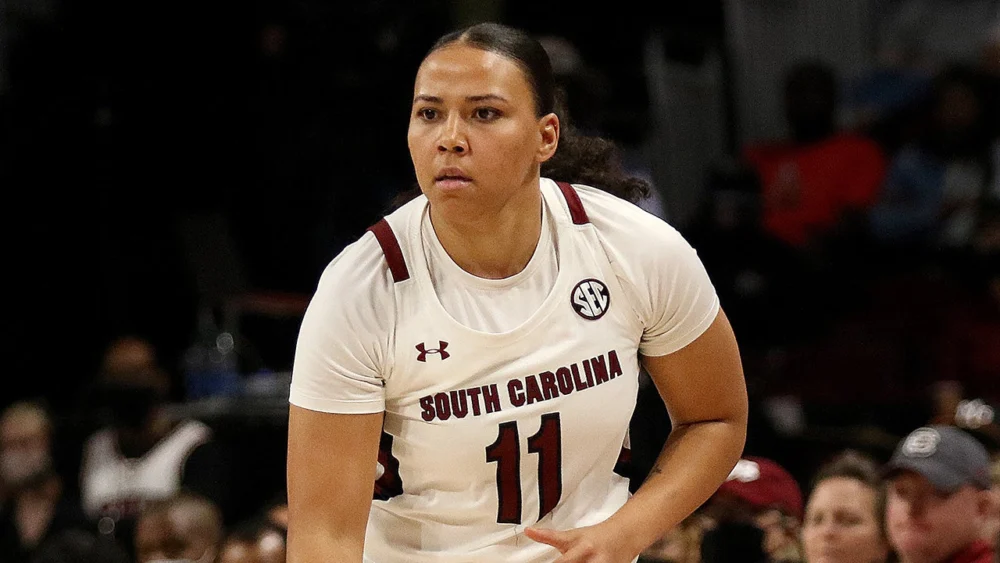
The skies over Tel Aviv and other major Israeli cities were pierced by the wail of air raid sirens on Saturday, signaling a dramatic escalation in the ongoing conflict as Iran launched a significant retaliatory strike. Fox News chief foreign correspondent Trey Yingst, reporting live from the scene, described an "incredibly powerful explosion" amidst the barrage of Iranian ballistic missiles and drones. This retaliatory action comes in the wake of recent military strikes conducted by the United States and Israel on Iranian targets. Adding a grim layer to the unfolding crisis, an Israeli official, speaking on condition of anonymity, confirmed that approximately 40 top Iranian leaders were killed in the preceding strikes, a claim that Iran has not publicly addressed but which underscores the high stakes of the current confrontation.
Amidst this volatile backdrop, former NCAA and Team USA women’s basketball standout Destiny Littleton found herself directly experiencing the terror of the Iranian counterstrikes. On Saturday, she shared harrowing footage on her Instagram, documenting her frantic efforts to find safety as the air raid sirens sounded and the threat of aerial attacks became palpable. Littleton, a decorated athlete who clinched a national championship with the University of South Carolina under the tutelage of coach Dawn Staley in 2022 and secured a gold medal for the U.S. in the 2017 FIBA 3×3 U18 World Cup, currently plays professionally for Hapoel Jerusalem in Israel’s premier basketball league. Her firsthand account offers a stark, personal perspective on the unfolding hostilities.
Her documented experience culminated in a deeply unsettling scene captured on video: Littleton and fellow civilians, their voices laced with fear, shouting in panic as drones and the ominous sounds of explosions filled the air. In one particularly chilling clip, Littleton’s voice trembles as she struggles to locate a bomb shelter amidst the blaring sirens. "Trying to find the saferoom, but I can’t find it," she exclaims, her voice tight with anxiety as she navigates what appears to be an empty alleyway. "Jesus Christ, I don’t think this is the right… I don’t think this is the right way." The sounds of distant bombs exploding punctuate her search, prompting a sharp, fear-filled exclamation: "Oh s—!"
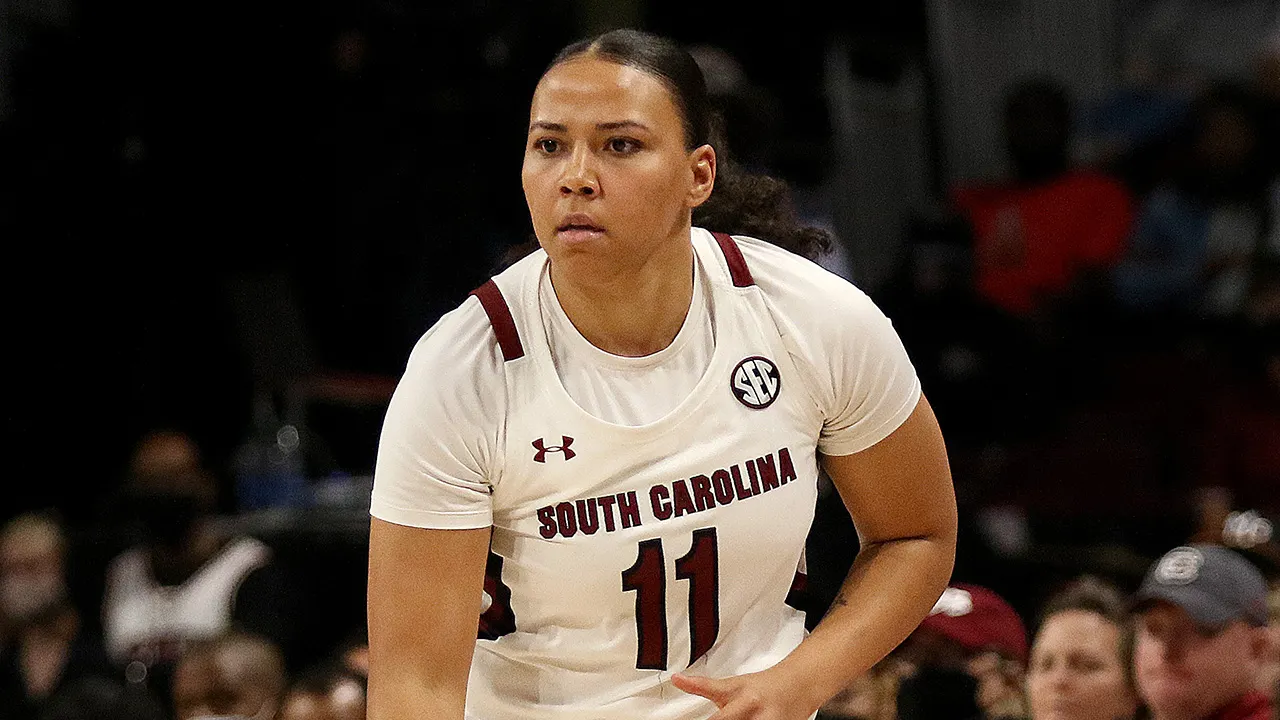
The urgency of her situation became clear as she continued to document her flight. Shortly after her initial failed attempt to find adequate shelter, she posted another video, revealing that she had left the inadequate shelter and was heading to a teammate’s residence, citing a feeling of profound discomfort. "That B-O-M-B shelter I was just in, couldn’t fit five people, and that was it, I was like, ‘no, no, no, no,’" she recounted, her relief at finding an alternative, however temporary, evident but overshadowed by the prevailing fear.
Upon reaching her teammate’s high-rise apartment building, Littleton provided an update, her voice still strained but with a slightly more controlled tone. She described hearing multiple explosions in rapid succession, painting a grim auditory picture of the attacks. "I heard the booms all over," she stated, panning her camera to offer a view of the Jerusalem skyline, now a backdrop to the sounds of war.
The situation, however, remained intensely perilous. In her final video update of the night, Littleton appeared visibly shaken, her face slick with sweat, as she described imminent threats. "There’s no siren going on right now, and yet there’s these things in the sky blowing up! I’m pretty sure they’re either missiles or drones! Either way, we’ve seen them blow up in the sky, multiple of them, very very close to us actually!" she exclaimed, her voice rising with renewed panic. The uncertainty of the threat only amplified the terror. "I’m not really sure what it is… Jesus Christ."
The tension escalated dramatically as more drones appeared in the vicinity. "Over there! Over there! Over there! Over there! Over there!" she shouted, her attention drawn to a new aerial threat. She then pivoted her camera, capturing what she suspected was a drone flying perilously close to their building. "I’m pretty sure that’s not a star," she stated, her voice filled with a chilling realization. In swift succession, five more drones entered the frame, and in the distance, an explosion lit up the night sky. "I think those are freaking drones bro!"

The ensuing moments were a cacophony of raw fear. The entire room erupted into loud panic as another drone passed directly over the building where they had sought refuge. Littleton instinctively turned her camera upwards, revealing the menacing presence of the aerial weapons. "Oh s—!" she cried out, her voice a mixture of terror and disbelief. A fellow civilian’s desperate shout, "Guys! Guys! What the f—!" echoed the collective shock and horror. The drone continued its trajectory, eventually detonating at a significant distance from their location, as captured in her footage.
Following this terrifying close call, Littleton and the group were seen in her footage exiting the apartment and making their way to a bunker. Her demeanor was one of profound distress: visibly rattled, covered in sweat, and overwhelmed, she massaged her head and let out a heavy sigh, the ordeal clearly taking its toll. As of the time of this report, Littleton had not posted any further updates.
The plight of these American athletes in Israel has not gone unnoticed. University of South Carolina coach Dawn Staley announced on Saturday that the university was actively working to facilitate the safe return of Littleton and two other former Gamecock players currently in Israel. This effort includes WNBA veteran Tiffany Mitchell and former Phoenix Mercury forward Mikiah Herbert Harrigan. Staley took to social media to express her deep concern, posting, "Please pray for our @GamecockWBB @TiffMitch25 @2121Mikiah @dstnylttltn24 who are in a war zone in Israel. We are working on a plan to get home. Let us pray for our loved ones to return home safely asap! Thank you in advance."
The recent escalation of hostilities began on Saturday morning when the United States joined Israel in conducting strikes against Iran. In a statement delivered via video remarks on Truth Social, former President Donald Trump urged the Iranian populace to rise up and seize control of their government once the "major combat operations" by the U.S. and Israel concluded. This statement added another layer of geopolitical complexity to an already volatile situation.
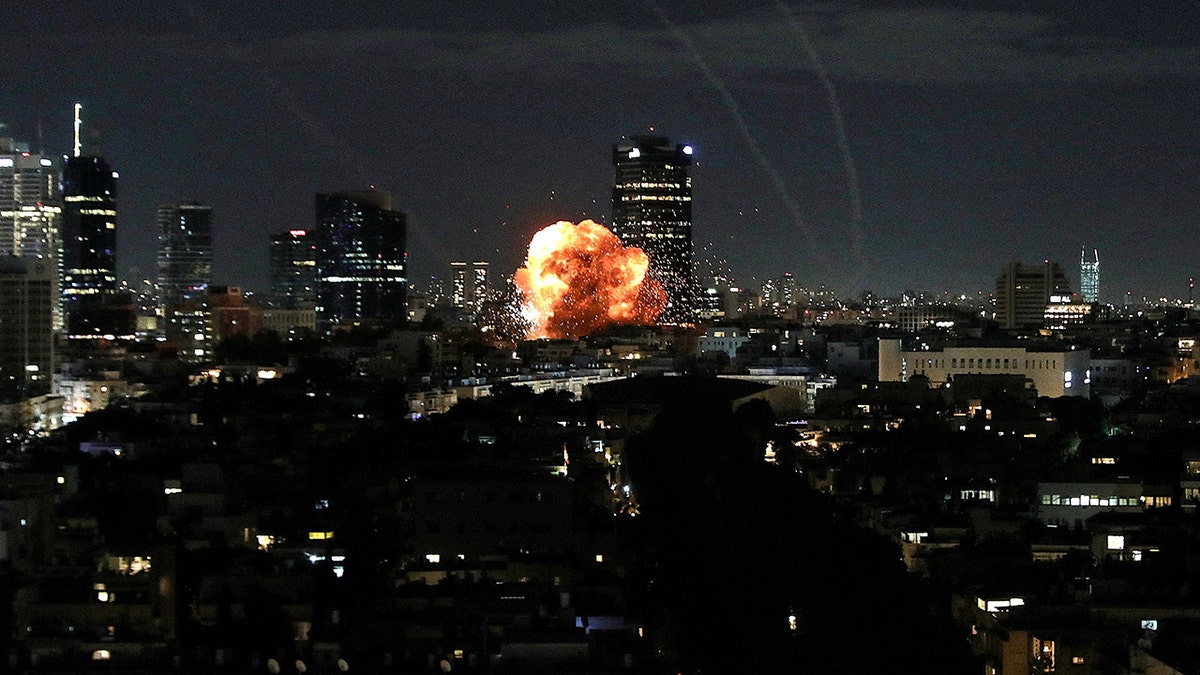
Iran, in response to these strikes, launched retaliatory missile attacks targeting U.S. bases across the Middle East. Reports from Fox News indicated that approximately 40 missiles had landed within Israeli territory. The scale and nature of these attacks have raised serious concerns about regional stability and the potential for a wider conflict. The exchange of fire represents a significant departure from previous measured responses, signaling a potentially more aggressive posture from both sides.
The international community has reacted with a mixture of concern and condemnation, calling for de-escalation and the protection of civilians. The United Nations Security Council is reportedly convening to discuss the escalating situation, though consensus on a unified international response remains elusive. The economic implications of such a conflict are also substantial, with global energy markets and international trade already showing signs of volatility. Analysts warn that a prolonged conflict could have devastating consequences for regional economies and global supply chains.
The military exchanges underscore a complex and deeply entrenched conflict, fueled by a long history of geopolitical tensions and regional rivalries. Iran’s stated aim in launching its missiles was to punish Israel for perceived aggression, while Israel and its allies maintain that their actions were defensive in nature, aimed at neutralizing immediate threats. The casualty reports, particularly the unconfirmed figure of 40 Iranian leaders killed, suggest a significant intelligence operation or a highly successful strike, the full ramifications of which are yet to be understood.
The use of ballistic missiles and drones by Iran signifies a sophisticated military capability, capable of reaching targets deep within Israel. The attacks on cities like Tel Aviv, Haifa, and Jerusalem highlight the indiscriminate nature of such warfare, where civilian populations are inevitably put at risk. The footage shared by Destiny Littleton serves as a powerful and visceral reminder of the human cost of these geopolitical maneuvers. Her experience, while personal, reflects the fear and uncertainty faced by countless civilians caught in the crossfire.
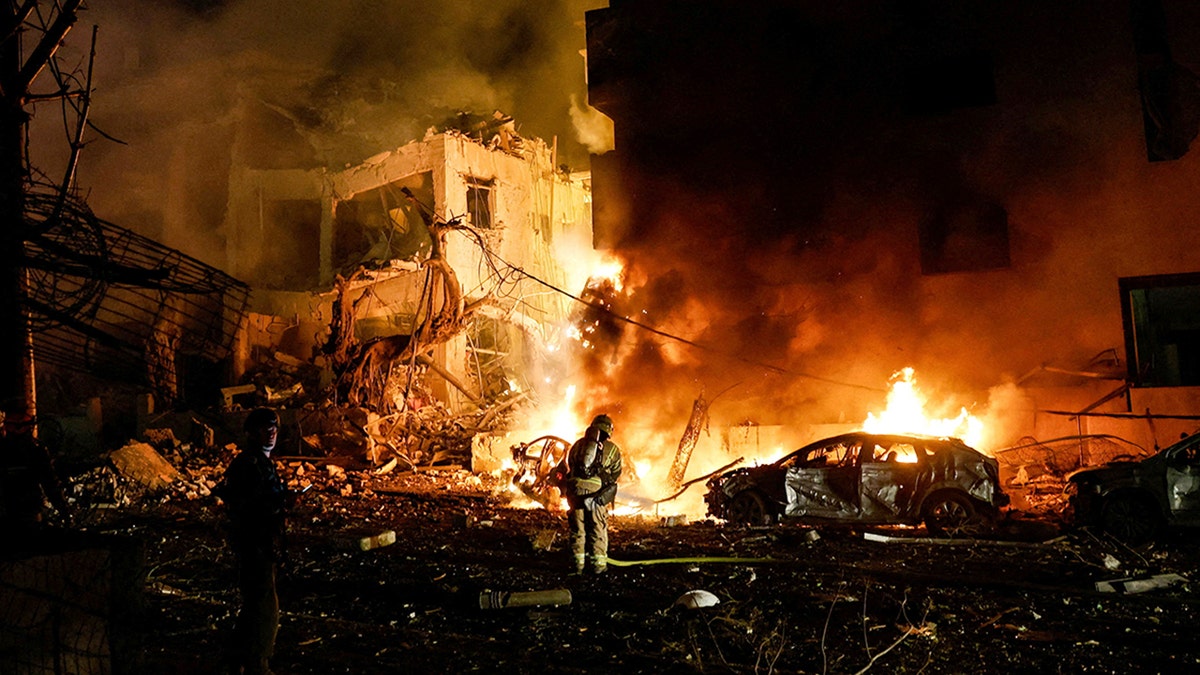
The involvement of the United States in direct strikes against Iran, and Iran’s subsequent retaliation targeting U.S. interests, signifies a dangerous crossing of red lines. This direct confrontation between two nations with significant military capabilities raises fears of a broader regional war, with potential involvement from other regional actors and global powers. The strategic implications of such an escalation are profound, potentially reshaping the geopolitical landscape of the Middle East for years to come.
The athletic community, in particular, has been drawn into the conflict, with the safety of athletes like Destiny Littleton, Tiffany Mitchell, and Mikiah Herbert Harrigan becoming a focal point. The efforts by the University of South Carolina and other organizations to ensure their safe return underscore the human connections that transcend national borders, even in times of intense conflict. The urgency of their repatriation highlights the dangers faced by foreigners in war zones and the complex logistical challenges involved in extracting civilians from active conflict areas.
As the situation continues to develop, the world watches with bated breath. The rhetoric from political leaders, the movements of military forces, and the safety of civilians all remain critical factors in determining the future trajectory of this escalating crisis. The events of Saturday have undoubtedly marked a significant turning point, and the long-term consequences of these actions will likely be felt far beyond the immediate theater of conflict. The pursuit of peace and de-escalation remains paramount, yet the path forward appears fraught with peril. The echoes of sirens in Tel Aviv serve as a stark reminder of the fragile peace in the region and the devastating potential of unchecked conflict.
