
 By admin
As we navigate the early months of 2026, the landscape of airline loyalty has undergone a seismic shift, characterized by a transition from traditional mileage-based rewards to aggressive, revenue-driven models. Frequent flyers across the United States are currently recalibrating their elite status strategies, weighing the merits of chasing an American Airlines AAdvantage tier for complimentary checked bags and priority boarding against the allure of a higher Delta Medallion level to secure coveted global upgrade certificates. However, a growing cohort of sophisticated travelers is looking beyond the "Big Three" domestic carriers—Delta, United, and American—to leverage elite status with non-U.S. airlines. This strategy, once reserved for the most extreme "mileage runners," has become a mainstream tactical move for those seeking to maximize benefits while minimizing out-of-pocket expenditures.

The pivot toward foreign airline status is driven by a fundamental disconnect in the industry: while U.S. carriers have made it increasingly difficult and expensive to earn status through flying alone, many of their international alliance partners maintain more traditional, distance-based qualification metrics. For travelers who fly frequently but do not necessarily spend tens of thousands of dollars on premium cabin airfare, the international route remains a compelling, high-value alternative. Earning status with a foreign airline does not necessitate frequent international travel; in many instances, the flying you already do with domestic carriers can be credited to a foreign partner, unlocking a suite of perks that are often superior to what a domestic program would offer at a comparable level of effort.
My own journey into the world of international elite status began in 2018, and since then, I have successfully pursued and maintained status with three different non-U.S. carriers. My motivation was rarely driven by a desire to fly those specific airlines more often. Instead, the decision was rooted in a strategic analysis of where my flight activity would yield the greatest return on investment. I looked for programs where status was easier to earn, where the qualification periods were more flexible, and where the specific benefits—particularly regarding lounge access—outshined those offered by domestic counterparts.
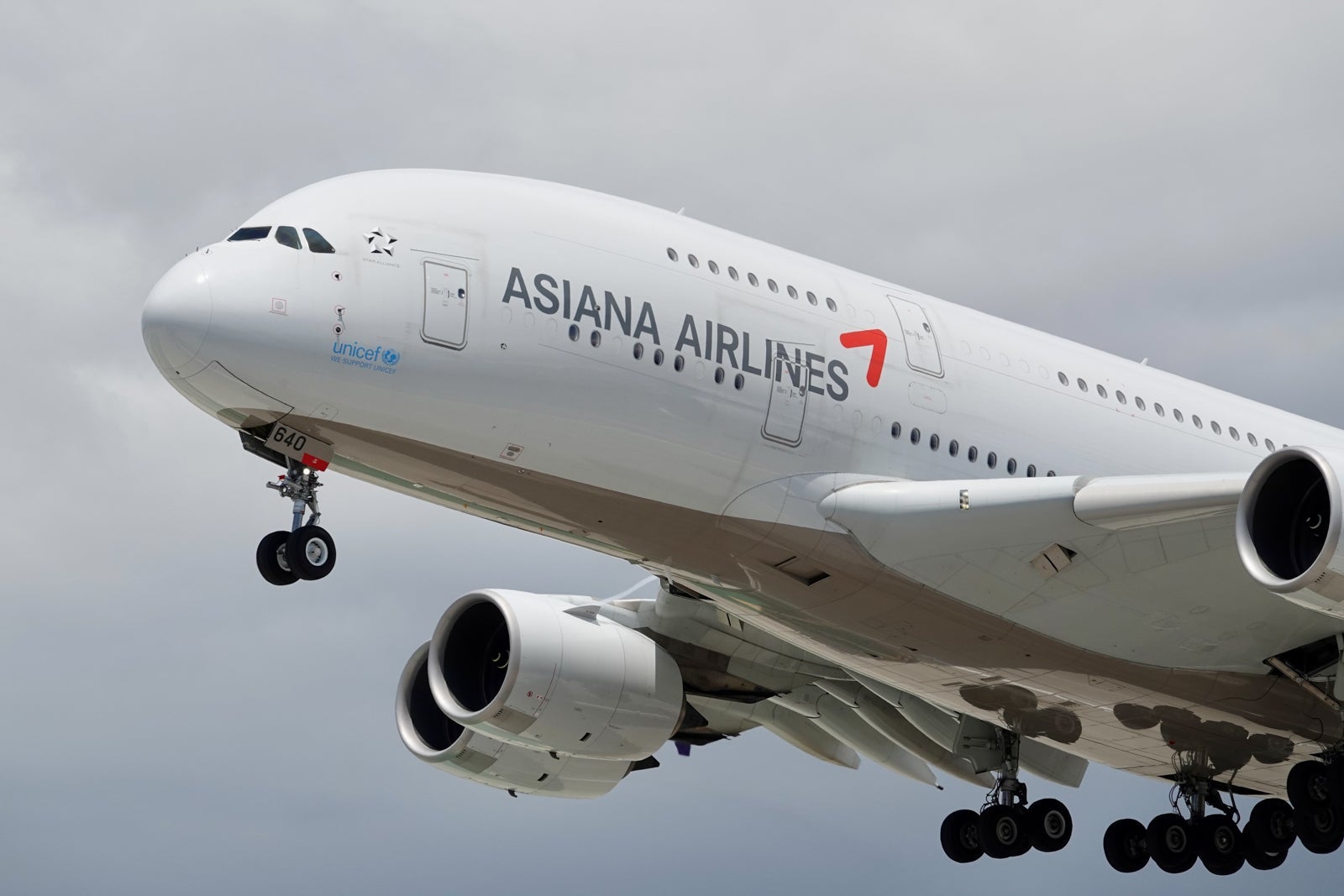
To understand why this strategy is so effective, one must first understand the mechanics of the three major global airline alliances: Star Alliance, Oneworld, and SkyTeam. When you earn elite status with a member airline, you also earn a corresponding "alliance-wide" status. For example, earning top-tier status with Asiana Airlines grants you Star Alliance Gold status, which is recognized by United Airlines, Lufthansa, ANA, and dozens of others. This cross-border recognition is the key to the entire strategy.
One of the most remarkable examples of this is the Asiana Club Diamond status, which confers Star Alliance Gold benefits. In an era where United Airlines requires its MileagePlus members to navigate a complex web of Premier Qualifying Points (PQPs) and Premier Qualifying Flights (PQFs)—often requiring $10,000 to $15,000 in annual spend for mid-tier status—Asiana Club offers a refreshing alternative. Asiana provides members with a generous 24-month window to qualify for status and allows them to keep that status for another two years once the qualification period ends. This four-year cycle is virtually unheard of in the U.S. market, where status must be defended every single calendar year.
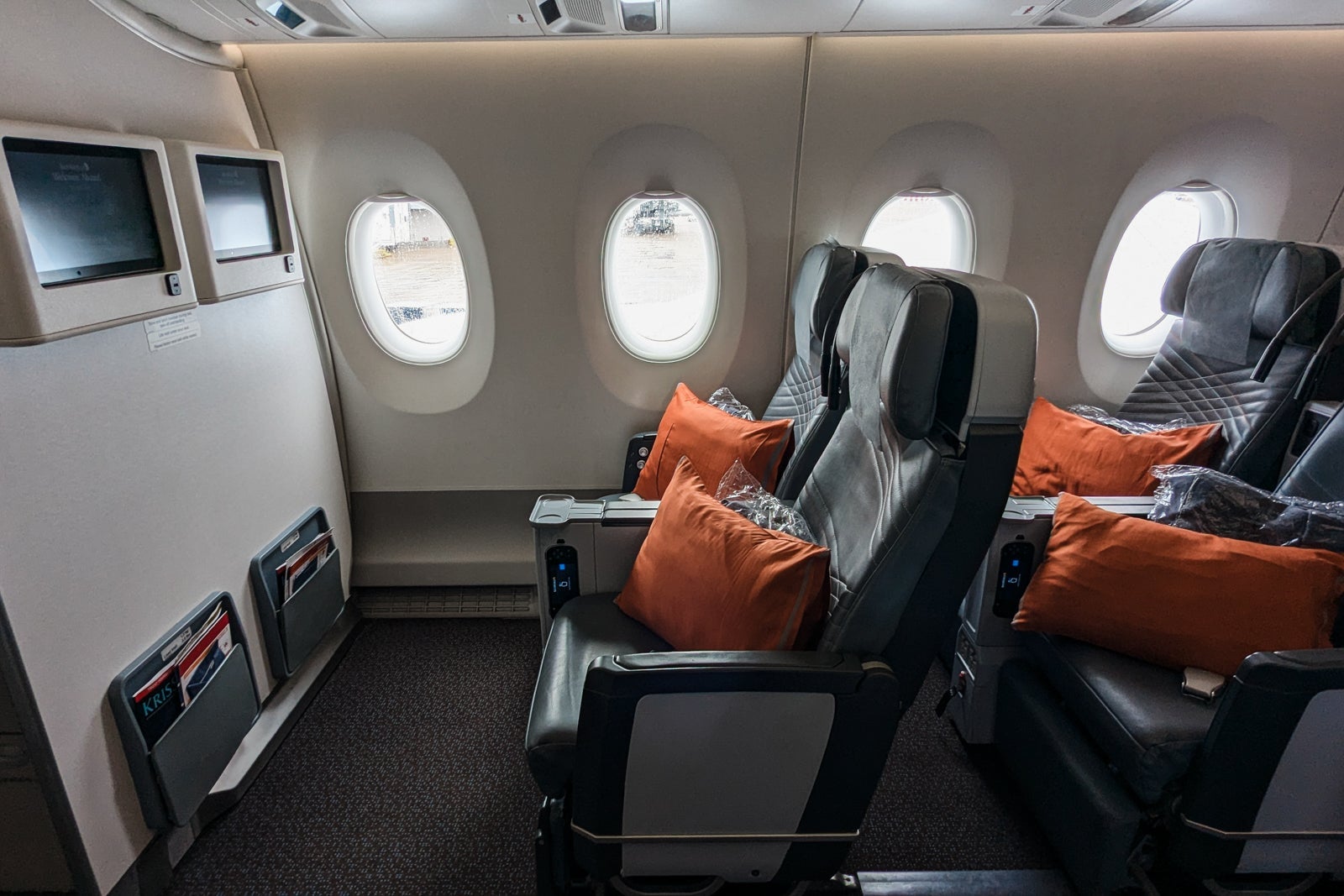
Furthermore, the requalification requirements for Asiana are lower than the initial qualification hurdles. While a United flyer must meet the same high bar every year, an Asiana Diamond member only needs to credit 30,000 flight miles over a two-year period to maintain their Star Alliance Gold perks. I initially qualified for this status by crediting just three major trips: a business-class ANA flight from Vancouver to Sydney and two Air Canada round-trip economy flights to China. Because these flights were spread across two calendar years, they wouldn’t have even earned me United Silver status if credited to MileagePlus. Yet, they were more than enough to secure four years of Star Alliance Gold through Asiana. However, with the impending merger between Asiana and Korean Air, savvy flyers are now looking toward Turkish Airlines as the next great Star Alliance haven.
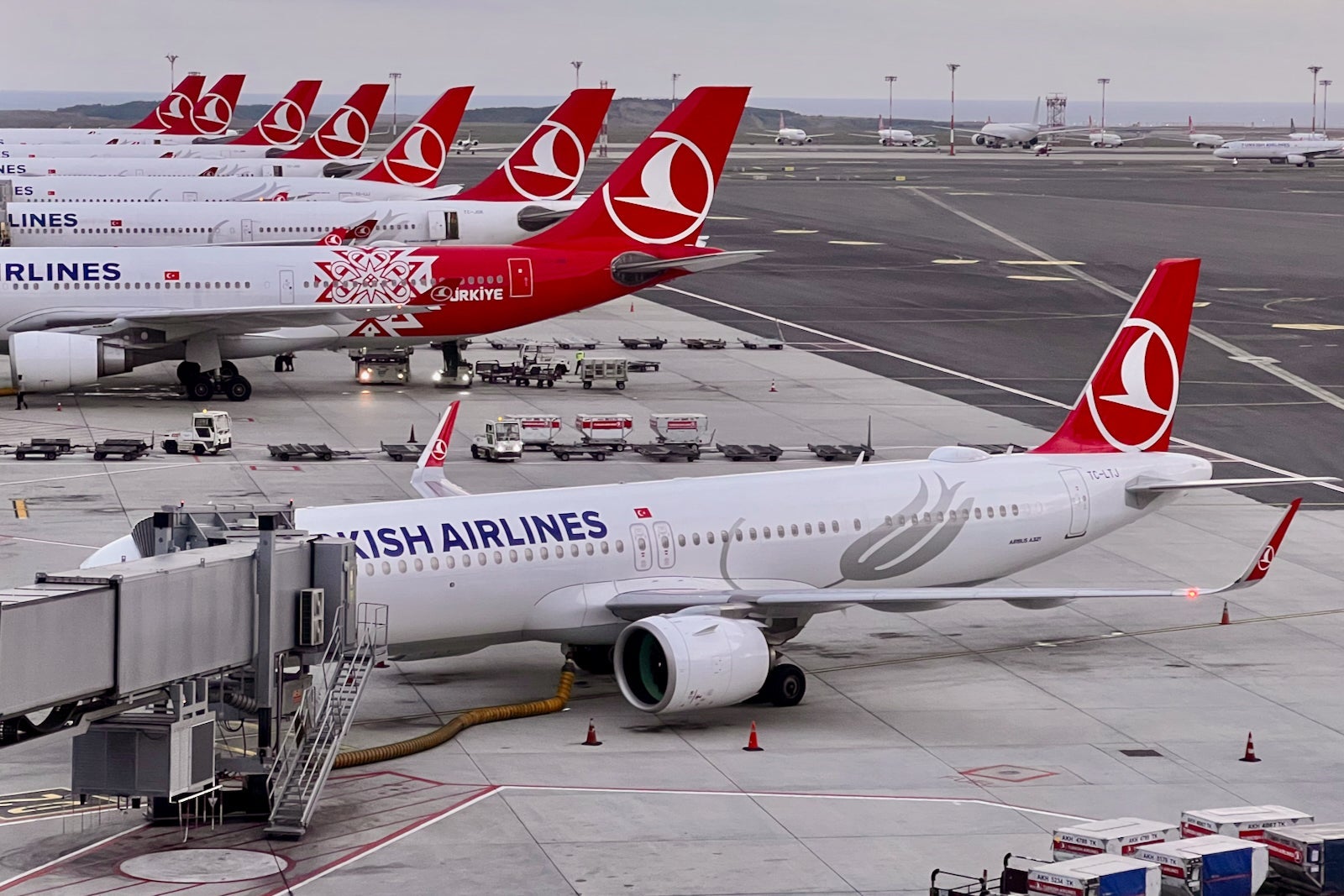
Turkish Airlines’ Miles&Smiles program has emerged as a powerhouse for those seeking Star Alliance Gold. The program awards status miles based on a combination of fare class and physical distance flown, making it a goldmine for those who find inexpensive, long-haul economy tickets. Turkish also frequently offers status matches to elite members of competing alliances. For instance, an American Airlines Platinum Pro member can often match into Turkish Miles&Smiles Elite status. To maintain this, a non-resident of Turkey only needs to earn 25,000 status miles in the first year or 37,500 over two years. When you consider that a single round-trip flight from New York to Singapore can net nearly 20,000 miles, the path to Star Alliance Gold becomes remarkably clear.

In the Oneworld alliance, the strategy is equally potent, particularly through the Malaysia Airlines Enrich program. During a "Triple Everything" promotion, I was able to earn Enrich Gold (Oneworld Sapphire) by flying just 17 short-haul segments in Southeast Asia for less than $500. While such promotions are rare, the benefits of holding foreign Oneworld status while flying domestically in the U.S. are immense. This brings us to the "Lounge Loophole."
One of the most significant advantages of holding foreign elite status is the ability to access domestic lounges. Under the rules of Oneworld and Star Alliance, U.S.-based elite members (like those with United Premier or American AAdvantage status) are generally excluded from airport lounge access when flying on purely domestic itineraries unless they are in a premium cabin or have a separate lounge membership. However, the alliances mandate that elite members of foreign partner airlines must be given lounge access on all itineraries, including domestic ones in economy. This means a Malaysia Enrich Gold member or a Turkish Miles&Smiles Elite member can walk into an American Admirals Club or a United Club on a $50 domestic ticket, a perk that their American and United elite counterparts are denied. For the Malaysia Enrich status I held, this even extended to the prestigious American Airlines Flagship Lounges, providing a level of luxury usually reserved for international business-class passengers.
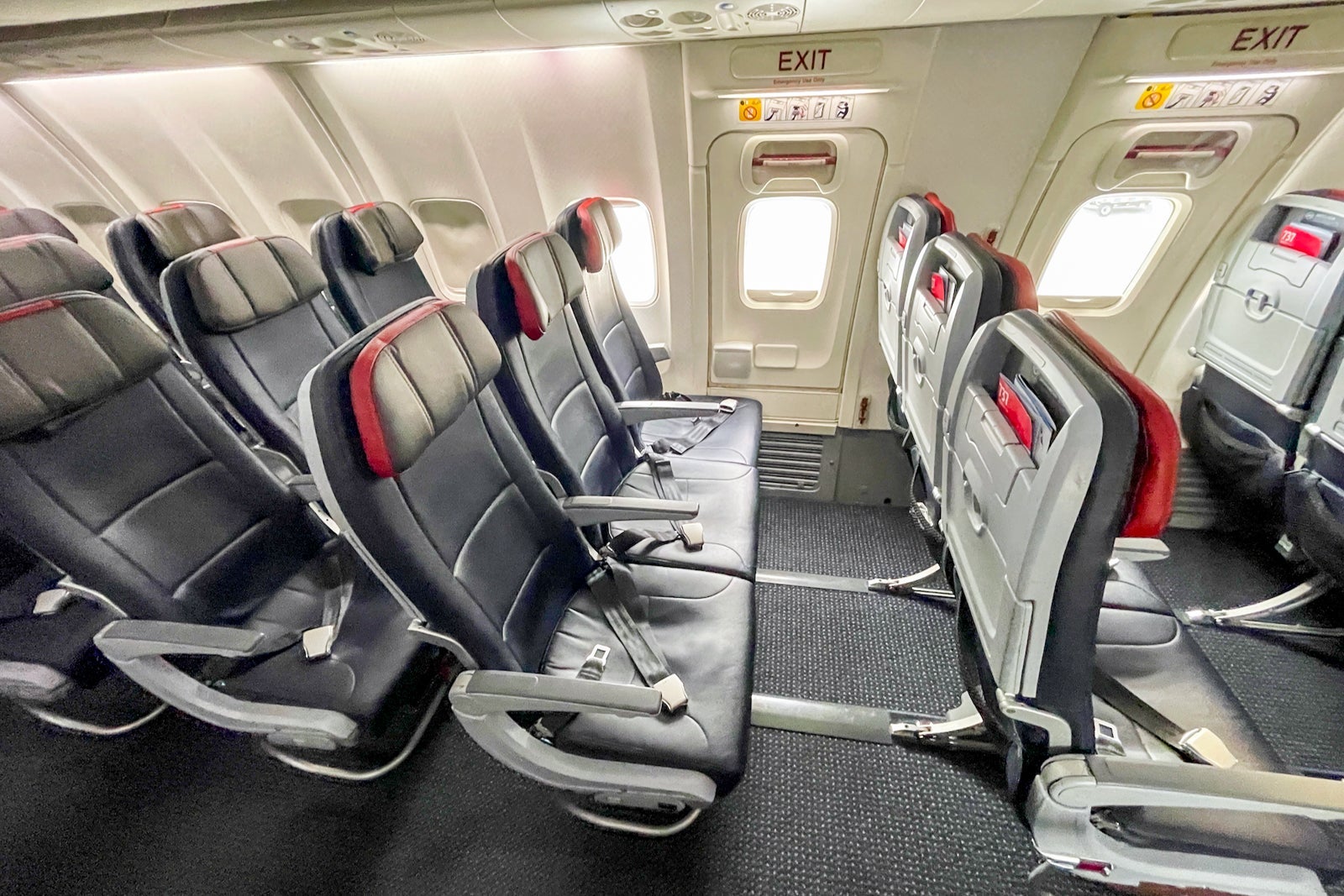
Despite these benefits, opting for foreign status involves significant trade-offs. The most prominent downside is the loss of upgrade priority. U.S. airlines prioritize their own elite members for complimentary "space-available" upgrades to First Class or Comfort+/Main Cabin Extra. If you are flying on a United flight with Star Alliance Gold status earned through Turkish or Asiana, you will be at the bottom of the upgrade list, or more likely, not on the list at all. Similarly, domestic carriers often restrict their "extra legroom" seating—like United Economy Plus or American Main Cabin Extra—to their own frequent flyers. If you value a more comfortable seat on every domestic flight over lounge access and easier qualification, sticking with a U.S. program is likely the better choice.
There is also the issue of "same-day" flexibility. Top-tier domestic elites often enjoy free same-day confirmed changes or standby options. These benefits rarely transfer to partner elites. If your flight is canceled or delayed, a United Premier 1K member will be handled with high priority by the United app and phone agents. As a Turkish Elite member flying United, you may find yourself struggling to get the same level of service during an irregular operation. Additionally, the ecosystem of co-branded credit cards in the U.S. is heavily tilted toward domestic carriers. While you can earn American AAdvantage Loyalty Points by buying groceries on a Citi card, earning status with Malaysia Enrich or Asiana typically requires actually sitting in an airplane seat.

So, who should pursue foreign airline status in 2026? This strategy is ideal for the "value seeker"—the traveler who flies long distances on affordable tickets and values airport lounges more than the slim chance of a domestic First Class upgrade. It is also a brilliant move for those whose travel is inconsistent year-to-year, as programs like Asiana and Turkish offer more forgiving qualification timelines. Conversely, if you are a high-spending corporate traveler whose company pays for expensive, last-minute fares, the revenue-based models of Delta, United, and American will likely reward you more handsomely.
For those traveling in pairs, a "hybrid strategy" can yield the best of both worlds. One partner can focus on a domestic program to secure upgrades and preferred seating for the duo, while the other partner earns foreign status to ensure lounge access for both. This synergy allows a couple to enjoy the premium domestic experience provided by a U.S. carrier while bypassing the lounge restrictions that typically plague domestic flyers.
As the industry continues to consolidate—highlighted by the Asiana-Korean Air merger and the integration of Alaska Airlines and Hawaiian Airlines—the number of "sweet spot" loyalty programs is shrinking. However, the fundamental value proposition of foreign airline status remains. By looking globally, flyers can circumvent the increasingly punitive requirements of domestic programs, turning the complexities of international alliances into a personalized toolkit for better, cheaper, and more comfortable travel. The savvy traveler of 2026 knows that loyalty is a currency, and sometimes, that currency is worth far more when spent abroad.
