
 By Isnaini Azizah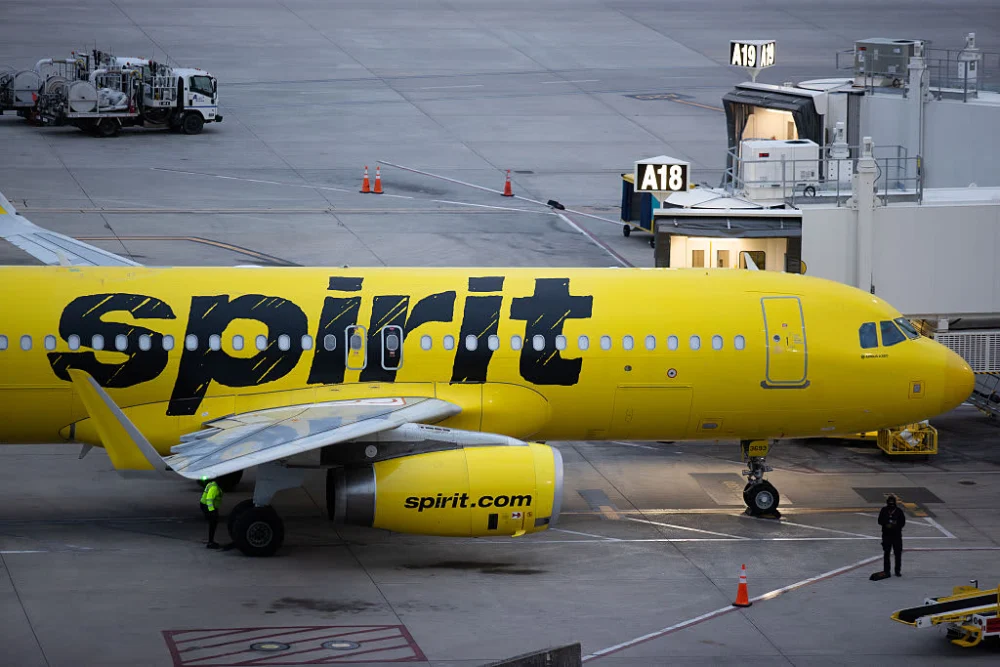
Spirit Airlines is aggressively pivoting its operational strategy as it maneuvers through its second bankruptcy process in less than a year, announcing the sale of 20 additional Airbus aircraft and the immediate recall of 500 flight attendants from furlough. This dual-track approach—slashing the fleet while bolstering front-line staffing for the peak spring travel season—underscores the precarious tightrope the Dania Beach, Florida-based carrier is walking as it attempts to stave off liquidation and find a sustainable path forward in a hyper-competitive aviation market. The sale of the 20 aircraft, the majority of which were already out of active service, represents a significant downsizing of the airline’s physical footprint, bringing its total fleet to just 94 planes. This is a stark contraction for an airline that once harbored ambitions of being a national powerhouse in the ultra-low-cost carrier (ULCC) segment.
Chief Operating Officer John Bendoraitis detailed the moves in a comprehensive internal memorandum to employees on Wednesday night, framing the decisions as necessary steps toward "right-sizing" the company. The aircraft being sold are slated to be phased out beginning in April 2025. According to Bendoraitis, the reduction in fleet size is consistent with a broader strategic plan to concentrate the airline’s limited resources on its most profitable and highest-demand routes. By shedding underutilized or inefficient assets, Spirit aims to lower its overhead and improve its liquidity position, which has been under immense strain following years of operating losses and a massive debt load that was exacerbated by the fallout of a blocked merger with JetBlue Airways.
The recall of 500 flight attendants provides a glimmer of hope for a workforce that has been battered by uncertainty. Just months ago, Spirit had moved to furlough more than 1,300 flight attendants and hundreds of pilots as part of a desperate cash-preservation strategy. The decision to bring back a significant portion of these workers suggests that the airline’s previous cuts may have been too deep, leading to operational instability. The Association of Flight Attendants-CWA (AFA), which represents Spirit’s cabin crews, noted that the remaining staff had faced a "grueling operation" over the last two months due to staffing shortages. The union welcomed the recall, stating it was critical for both the well-being of the employees and the reliability of the airline’s schedule as it prepares for the surge in passengers expected during the spring break corridor.
Spirit’s financial woes are deeply rooted in a combination of internal strategic missteps and external market forces. For years, the ULCC model—pioneered by Spirit—relied on offering rock-bottom base fares while charging for every additional service, from carry-on bags to seat assignments. However, this model has come under intense pressure as legacy carriers like Delta, United, and American Airlines introduced "Basic Economy" tiers, effectively neutralizing Spirit’s price advantage while offering a more robust network and better operational reliability. Furthermore, Spirit was hit harder than most by the technical issues surrounding the Pratt & Whitney Geared Turbofan (GTF) engines. At various points over the last two years, dozens of Spirit’s Airbus A320neo family aircraft were grounded for inspections and repairs, leading to a massive loss in capacity and revenue that the airline could ill afford.
The airline’s current bankruptcy filing follows a failed attempt to restructure its debt outside of court. While Chapter 11 is designed to allow a company to keep operating while it reorganizes its finances, Spirit’s situation is particularly dire because it is the second such filing in a very short window. This "Chapter 22" scenario—a colloquialism for back-to-back bankruptcies—often signals a company that failed to address its fundamental structural problems during the first reorganization. Analysts suggest that for Spirit to survive this time, it must not only cut costs but also fundamentally reinvent its value proposition to consumers.
In recent months, Spirit has attempted to do just that by moving away from its "no-frills" roots. The airline introduced new travel "bundles" titled "Go Big" and "Go Comfy," which include perks like larger seats, snacks, and checked bags in a single price. This shift toward a more "premium-lite" experience is an attempt to capture higher-yield passengers and move away from the cutthroat competition for the lowest-budget travelers. However, rebranding an airline while in bankruptcy is an uphill battle, as consumer confidence often wanes when a carrier’s long-term viability is in question.
The broader industry has been watching Spirit’s plight with a mixture of predatory interest and caution. Rumors of a merger with Frontier Airlines have persisted for years, and recent deal talks with the investment firm Castlelake and Frontier have been a focal point of market speculation. Thus far, however, these discussions have not yielded a definitive agreement. A merger with Frontier would theoretically create a more formidable ULCC competitor with better scale, but regulatory hurdles remain a significant concern. The Department of Justice’s successful blocking of the JetBlue-Spirit merger on antitrust grounds set a precedent that makes any further consolidation in the airline industry difficult to navigate. Frontier itself has faced its own profitability challenges, making a potential acquisition of a debt-laden Spirit a risky proposition.
The operational challenges mentioned by Bendoraitis and the union are not merely logistical; they are financial. When an airline lacks sufficient staffing, it becomes more prone to cancellations and delays, which trigger expensive passenger re-accommodations and damage the brand’s reputation. By recalling 500 flight attendants, Spirit is betting that the increased labor cost will be offset by a more stable operation that can capitalize on the high demand of the spring season. "Fixing this airline is a shared effort," Bendoraitis wrote, acknowledging that while many factors are outside the control of the crews, their performance remains the foundation of any potential recovery.
The sale of the 20 Airbus planes also points to a shifting relationship with its fleet providers and lessors. In the airline industry, aircraft are often the most valuable collateral a company holds. Selling these planes provides an immediate cash infusion, but it also reduces the airline’s future earning potential. At 94 aircraft, Spirit is now roughly half the size it was at its peak, a contraction that reflects the harsh reality of its current balance sheet. The aircraft being phased out starting in April are likely older models or those requiring significant maintenance, allowing Spirit to focus on its newer, more fuel-efficient A320neo and A321neo units, provided their engine issues can be managed.
As Spirit navigates the coming months, its survival will depend on three critical factors: the successful execution of its new "premium" business model, the stabilization of its operational performance through the newly recalled staff, and the successful negotiation of a long-term restructuring plan with its creditors. The airline’s warning in late 2025 that it might not be able to survive without a significant cash injection still hangs over the company. The current moves—shedding metal and reclaiming labor—are the maneuvers of a company trying to find a "goldilocks" size where it is small enough to be manageable but large enough to be relevant.
Industry experts remain divided on whether Spirit can emerge as a standalone entity. Some argue that the US market no longer has room for a pure-play ULCC of Spirit’s size, given the aggressive pricing strategies of legacy carriers. Others believe that if Spirit can successfully pivot to its new tiered pricing model and reduce its debt to manageable levels, it could find a profitable niche serving secondary markets and budget-conscious travelers who still want a modicum of comfort.
The next few months will be a litmus test for the carrier. The spring break season will provide a much-needed influx of revenue, and the performance of the 500 recalled flight attendants will be crucial in ensuring that revenue isn’t lost to operational meltdowns. Meanwhile, the aviation world will continue to watch for any signs of a white knight in the form of Frontier or a private equity firm like Castlelake. For now, Spirit remains in a state of managed contraction, cutting its way toward what it hopes will be a sustainable future, even as its fleet grows smaller and its margin for error grows thinner. The "right-sizing" mentioned by Bendoraitis is more than just corporate jargon; it is a desperate attempt to find the bottom of a long decline before the airline runs out of runway entirely.
