
 By admin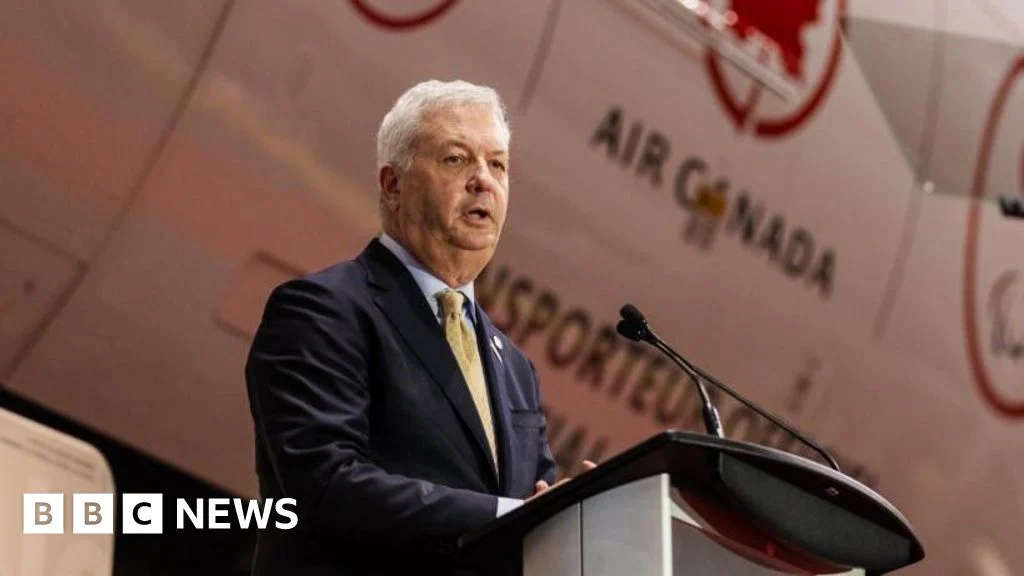
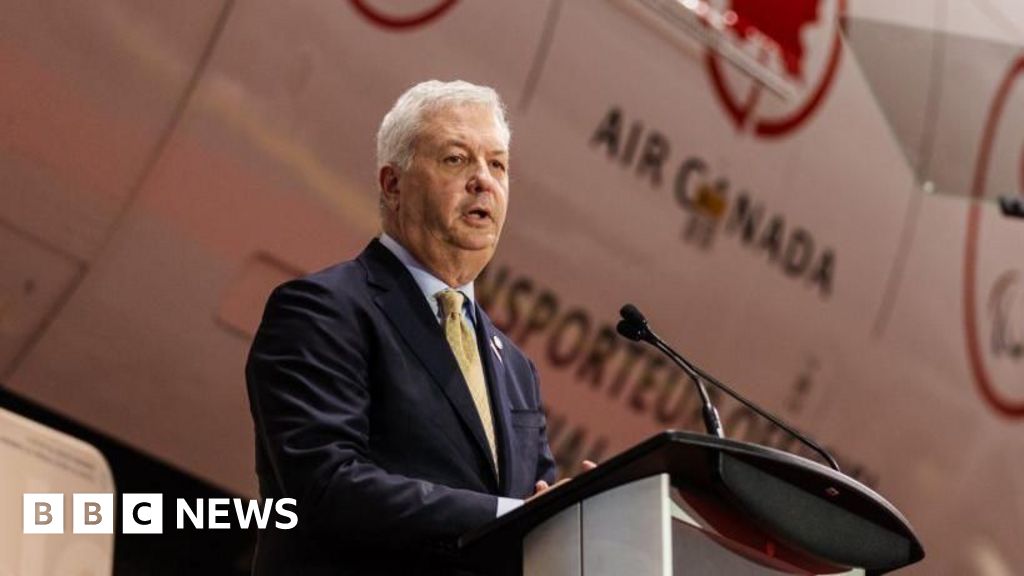
Air Canada CEO Michael Rousseau has issued a profound apology, expressing deep regret that his initial video message of condolence following a tragic collision at LaGuardia Airport, which claimed the lives of two pilots, was delivered solely in English. The controversy erupted due to Rousseau’s perceived inability to articulate his sympathies in French, an official language of Canada, and particularly poignant given that one of the deceased pilots, Antoine Forest, was of French Canadian heritage. Rousseau stated he was "deeply saddened" that his linguistic limitations "diverted attention" from the grieving families of the pilots and the broader Air Canada staff affected by the devastating incident.
In a detailed statement released on Thursday, Rousseau acknowledged his ongoing struggle to express himself "adequately" in French, despite years of dedicated lessons. This admission comes amidst mounting pressure and calls for his resignation from prominent figures, including Prime Minister Mark Carney, who deemed Rousseau’s English-only message a "lack of compassion," and Quebec Premier François Legault, who explicitly stated Rousseau should step down if he cannot speak French. The incident has ignited a significant debate about linguistic competency and representation at the helm of Canada’s flag carrier.
Rousseau’s written statement, meticulously provided in both English and French, underscored his continued efforts to improve his French proficiency, admitting that his command of the language remains "weak" despite "many lessons over several years." He reiterated his sincere apologies for any offense caused and pledged to persist in his linguistic endeavors. Crucially, his statement did not directly address the escalating demands for his resignation, focusing instead on the immediate aftermath of the accident and his personal linguistic journey.
The tragic collision occurred on Sunday night at LaGuardia Airport in New York when an Air Canada plane, operated by Jazz Aviation, collided with a fire truck shortly after landing. The flight had originated from Montreal, Quebec. Tragically, both pilots, Antoine Forest and Mackenzie Gunther, lost their lives in the incident. Air Canada reported on Wednesday that dozens of passengers sustained injuries, with four individuals still hospitalized.
Following the accident, Rousseau released a video statement via the social media platform X (formerly Twitter), conveying his "deepest sorrow for everyone affected." The message, however, was delivered exclusively in English, though the video did include subtitles in both English and French. This choice of language quickly drew the attention of Canada’s parliamentary Committee on Official Languages, which subsequently summoned Rousseau to appear before MPs to provide an explanation for the English-only delivery of his condolences.
Michael Rousseau, who resides in Montreal but identifies as an anglophone, has faced scrutiny regarding his French language skills on previous occasions. Notably, he encountered similar criticism shortly after his appointment as CEO of Air Canada in 2021. At that juncture, he also issued an apology and committed to enhancing his French. This pattern of linguistic challenges has led to a deeper examination of leadership expectations within a country that officially recognizes both English and French as its primary languages.
Air Canada’s history is intertwined with Canada’s linguistic landscape. Originally established as a federal public corporation, it transitioned to private ownership in 1988. Nevertheless, the airline remains bound by Canada’s Official Languages Act, a legislative framework that mandates bilingual services in various federal institutions, including making announcements on board aircraft in both English and French. This legal obligation amplifies the significance of Rousseau’s linguistic capabilities in his role as CEO.
Meanwhile, investigators are diligently working to unravel the precise circumstances that precipitated the fatal crash on Sunday evening. On Tuesday, authorities released pertinent details extracted from the final three minutes of cockpit voice recordings and air traffic control communications. These recordings revealed that controllers had granted clearance for both the Air Canada aircraft and the fire truck to cross the runway. However, the audio also captured a desperate warning—a voice instructing the truck to stop moments before the catastrophic collision. The investigation is ongoing, with a focus on understanding potential miscommunications, operational protocols, and any contributing factors that may have led to the tragic outcome.
Operations at LaGuardia Airport experienced significant disruptions in the wake of the accident. By Thursday, the severely damaged aircraft had been towed away from the scene. Airport authorities expressed their commitment to reopening the runway where the collision occurred, aiming for completion "no later than Friday morning." The swift removal of the wreckage and the expedited reopening of the runway are indicative of the efforts to restore normalcy and minimize further impact on air travel.
The controversy surrounding Rousseau’s linguistic abilities has been amplified by the context of Canada’s long-standing commitment to bilingualism. The Official Languages Act, enacted in 1969, was a landmark piece of legislation aimed at ensuring equal status for English and French in federal institutions and promoting the full recognition of both languages across the country. For a national airline like Air Canada, the ability of its chief executive to communicate effectively in both official languages is seen by many as a fundamental requirement, reflecting the diversity of its customer base and its symbolic role as a national carrier.
Linguistic experts and commentators have weighed in on the matter, highlighting the cultural and political dimensions of the issue. Some argue that while genuine efforts to learn a language should be acknowledged, the position of CEO of a Canadian company like Air Canada carries a responsibility that extends beyond mere personal proficiency. It involves representing the nation’s linguistic duality and demonstrating an understanding of its multicultural fabric. The incident also raises questions about the appointment process and the vetting of candidates for leadership roles in publicly visible corporations, particularly concerning their ability to meet the expectations of a bilingual nation.
The response from the public has been varied, with a significant segment expressing disappointment and demanding accountability. Social media platforms have been abuzz with discussions, reflecting a spectrum of opinions ranging from empathy for Rousseau’s personal struggles to strong condemnation of what is perceived as a lack of cultural sensitivity and a failure to uphold national values. The calls for resignation, particularly from political leaders, underscore the gravity with which this issue is being treated at the highest levels of government.
In the broader context of aviation safety, the investigation into the LaGuardia collision will undoubtedly scrutinize all aspects of the event, from air traffic control procedures to the operational readiness of airport emergency services. The tragic loss of life serves as a stark reminder of the inherent risks in air travel and the critical importance of robust safety protocols and clear communication channels. The outcome of this investigation will likely lead to recommendations aimed at preventing similar incidents in the future.
However, the linguistic controversy surrounding Air Canada’s CEO has undeniably overshadowed the immediate focus on the accident’s aftermath and the ongoing safety investigation. Rousseau’s apology, while a step towards addressing the public outcry, has not entirely quelled the debate. The coming days and weeks will likely see further developments as the parliamentary committee probes the matter and as Air Canada navigates this challenging period, grappling with both operational recovery and reputational management. The incident serves as a potent case study in the intersection of corporate leadership, linguistic policy, and national identity in Canada. The commitment to bilingualism is not merely a legal obligation but a deeply ingrained aspect of Canadian identity, and any perceived disregard for it, especially from a prominent national figure, is met with significant public scrutiny. The future of Rousseau’s tenure at Air Canada may well depend on his ability to not only improve his French but also to demonstrate a more profound understanding and commitment to Canada’s linguistic duality.
