
 By Isnaini Azizah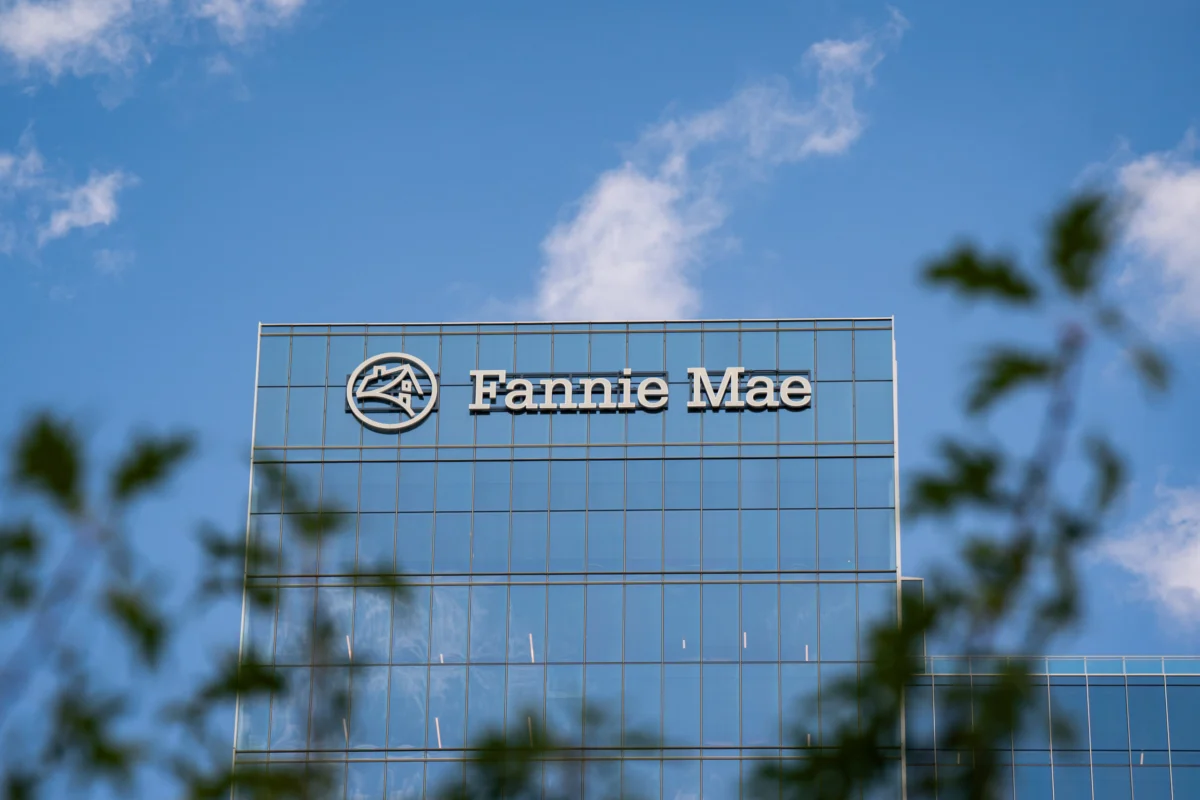
The new offering is designed to address a growing demographic of wealth: individuals who have significant holdings in digital assets but find themselves "asset rich and cash poor" when navigating the traditional home-buying process. Under the terms of the program, homebuyers can now leverage their holdings in Bitcoin (BTC) or USD Coin (USDC) to secure financing without the need to liquidate their positions. By pledging these digital assets as collateral, borrowers can satisfy down payment requirements, a hurdle that has historically prevented many crypto-investors from entering the property market. Fannie Mae’s role is critical here; the agency will purchase these loans on the secondary market just as it would any other conforming mortgage, providing the liquidity and institutional backing necessary for the product to scale nationwide.
The mechanics of the loan involve a sophisticated two-tier structure. To utilize the product, a borrower must maintain a Coinbase account and apply for a traditional mortgage through Better. Simultaneously, the borrower takes out a second loan, which is specifically backed by their pledged Bitcoin or USDC. This second loan is then used to fund the down payment on the primary home mortgage. Both the primary mortgage and the collateralized second loan are held by Better, creating a streamlined experience for the consumer. Once the crypto assets are pledged, they are moved into a secure Coinbase Prime account under Better’s custody, where they remain for the life of the loan. While the assets cannot be traded during this period, they remain the property of the borrower and are returned in full once the debt is satisfied.
Vishal Garg, the CEO of Better Home and Finance, views this development as the beginning of a broader transformation in how Americans utilize their net worth. In a recent interview, Garg emphasized that the infrastructure being built today is not limited to cryptocurrency. "We have now finally created the infrastructure rails to enable any tokenized asset in America to be able to be pledged to help someone afford to buy a home," Garg stated. He noted that while the program is launching with Bitcoin and USDC, the future roadmap includes the ability to pledge Apple or Amazon stock, mutual funds, bond funds, or assets held within an Individual Retirement Account (IRA). The ultimate goal is to allow consumers to leverage their entire portfolio of wealth to secure the most significant purchase of their lives without disrupting their long-term investment strategies.
The strategic advantages of this model are multifaceted, particularly regarding tax efficiency and capital preservation. Under current IRS regulations, selling cryptocurrency to fund a down payment is considered a taxable event, often triggering significant capital gains taxes. For an investor who has seen their Bitcoin holdings appreciate substantially, selling to buy a home could result in a tax bill of 15% to 20%, significantly eroding their purchasing power. By pledging the assets instead of selling them, the borrower avoids the immediate tax hit and retains exposure to the asset’s future price appreciation. Furthermore, for those holding USD Coin—a stablecoin pegged to the U.S. dollar—the yield generated on those holdings can be used to offset the interest payments on the mortgage, effectively lowering the net cost of borrowing.
Max Branzburg, the head of consumer and business products at Coinbase, highlighted the generational importance of this shift. "Token-backed mortgages are a major first step to unlocking homeownership for the younger generations that have struggled with barriers to saving for a traditional down payment," Branzburg noted. For Millennials and Gen Z, who may have entered the workforce during a period of high inflation and skyrocketing home prices, traditional savings accounts often fail to keep pace with real estate appreciation. However, many in these age groups have found success in the digital asset markets. This new product allows them to convert that digital success into physical stability.
One of the most innovative features of the Better and Coinbase product is its protection against market volatility. In traditional crypto-backed lending, a sudden drop in the price of the collateral can trigger a "margin call," requiring the borrower to provide more collateral or face liquidation. However, Garg explained that in this specific mortgage product, even if the value of the pledged crypto falls, the terms of the loan remain unchanged as long as the borrower continues to make their monthly payments. This provides a layer of security that is often missing from the highly volatile world of decentralized finance. Additionally, the product eliminates the need for Private Mortgage Insurance (PMI) on the second loan, which is typically required for borrowers who cannot provide a 20% down payment, further reducing the monthly financial burden.

To illustrate the program’s utility, consider a borrower looking to purchase a $500,000 home. Under traditional rules, a 20% down payment would require $100,000 in cash. Under the new program, that same borrower could pledge $250,000 worth of Bitcoin. Better would then issue a $100,000 loan against that collateral to cover the down payment, while Fannie Mae backs the remaining $400,000 mortgage. The borrower makes a single monthly payment to Better, which services both loans. While the borrower is technically paying interest on two separate debt instruments, Garg argues that Better’s competitive rates and the avoidance of PMI make the overall package highly attractive compared to traditional alternatives.
The entry of Fannie Mae into this space is a signal of growing institutional comfort with digital assets. While other companies, such as the fintech firm Milo, have offered crypto-backed mortgages in the past, those products were not compliant with Fannie Mae’s stringent secondary market standards. This often meant they carried much higher interest rates and required the borrower to collateralize 100% of the home’s value in crypto. By aligning with Fannie Mae’s conforming loan standards, Better and Coinbase have brought crypto-backed lending into the mainstream, offering rates and terms that are comparable to traditional financing.
This shift is also reflective of a broader trend within the Federal Housing Finance Agency. Observers note that the FHFA has become increasingly bullish on the potential for blockchain technology to modernize the antiquated systems of the U.S. housing market. Tony Giordano, a real estate agent and cryptocurrency specialist, recently remarked on the inevitability of this evolution. "I don’t see how the entire real estate industry will not be on the blockchain within 10 years," Giordano stated during a Property Play podcast. He suggested that blockchain integration could eventually cut real estate transaction costs in half by automating title searches, escrow, and recording processes that currently rely on manual labor and fragmented county records.
As an added incentive to drive adoption, Coinbase One members who are approved for a loan through Better are eligible for a rebate worth 1% of the mortgage value, capped at $10,000. This promotional move is designed to integrate the user bases of both platforms and reward early adopters of the technology. Looking ahead, the partnership plans to expand the list of eligible collateral to include other major cryptocurrencies like Ethereum and Solana, further broadening the appeal of the product.
However, the path forward is not without its critics and challenges. Skeptics point to the inherent volatility of the crypto market as a potential systemic risk to the housing sector. If a large number of borrowers pledge assets that subsequently lose the majority of their value, the "collateral" backing these loans becomes essentially symbolic, even if the borrower continues to pay. There are also regulatory hurdles to consider, as the SEC and other governing bodies continue to debate the classification of various digital assets. Yet, the fact that Fannie Mae—an organization synonymous with stability and government oversight—has opened this door suggests that the "crypto winter" of past years has given way to a more pragmatic "crypto spring," where digital assets are treated as legitimate financial tools rather than mere speculative vehicles.
Ultimately, the marriage of Fannie Mae’s institutional reach with the technological prowess of Better and Coinbase represents a pivotal moment in financial history. It validates cryptocurrency as a stable form of collateral in the eyes of the U.S. government and provides a blueprint for the future of asset-backed lending. As the lines between traditional banking and digital finance continue to blur, the ability to buy a home with the click of a button, backed by a digital wallet, is no longer a futuristic concept—it is a present-day reality. This development not only empowers a new generation of homeowners but also sets the stage for a world where all forms of value, from stocks to tokens, can be seamlessly deployed to build wealth and secure a place in the American dream.
