
 By admin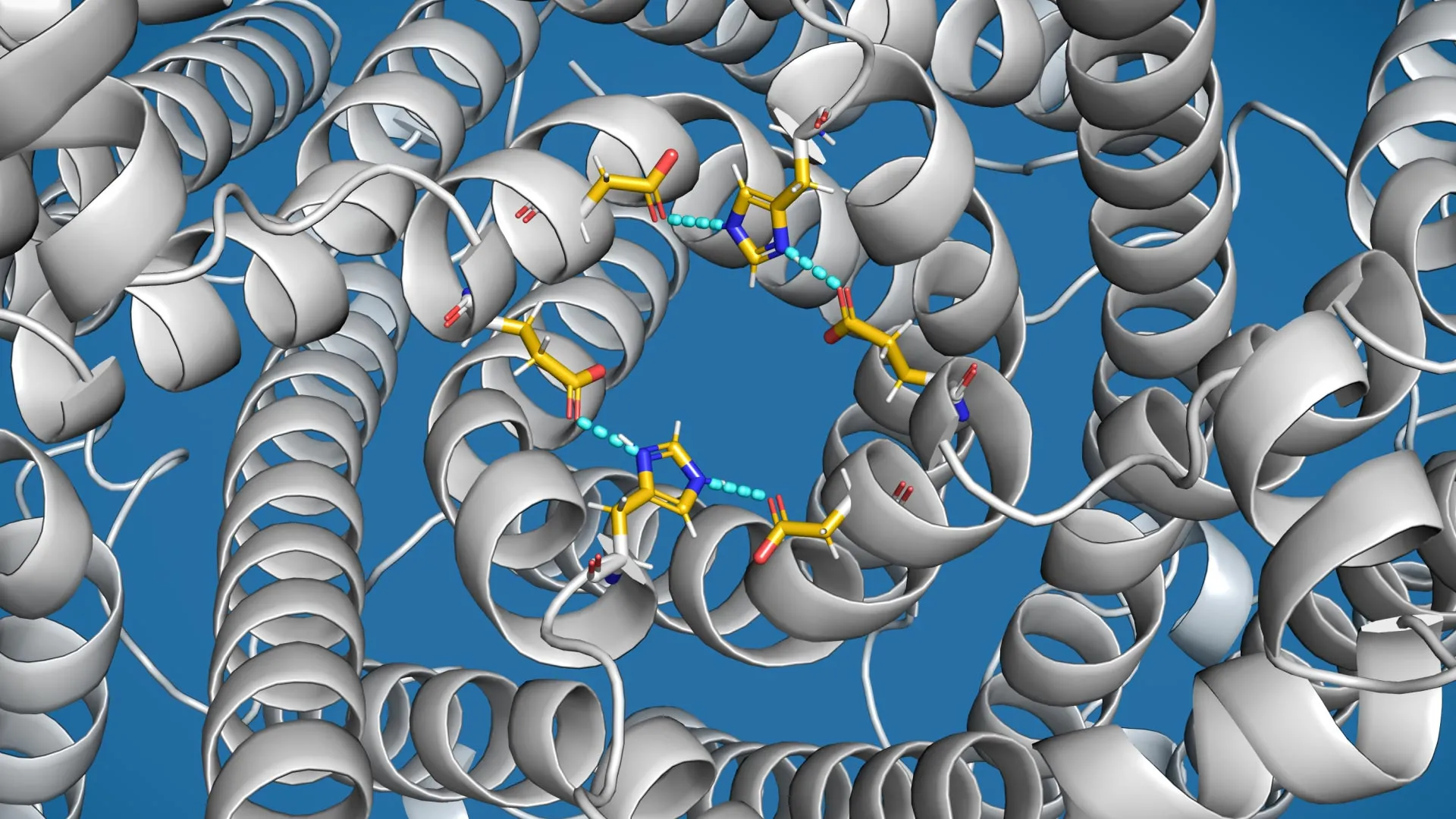
Just as a household sink or bathtub is equipped with an overflow drain to prevent water from spilling onto the floor, human cells possess an analogous, sophisticated safeguard system to manage their internal environment. This intricate cellular mechanism has been brought to light by a collaborative team of scientists from Bonn-Rhein-Sieg University of Applied Sciences (H-BRS), LMU Munich, TU Darmstadt, and Nanion Technologies. Their research deciphers the long-debated function of TMEM175, an ion channel whose role has remained largely a mystery until now. Led by Professor Christian Grimm from LMU Munich and Dr. Oliver Rauh from H-BRS, the team’s work proposes that TMEM175 precisely regulates the acidity within lysosomes, acting as a crucial buffer against harmful pH fluctuations.
The Cell’s Recycling Hub: Lysosomes and the Criticality of pH Balance
At the heart of this discovery are lysosomes, the cell’s specialized membrane-bound compartments often referred to as its recycling centers or waste disposal units. These organelles are indispensable for cellular homeostasis, breaking down large, complex molecules—such as worn-out proteins, lipids, and carbohydrates, as well as invading pathogens—into simpler building blocks that the cell can reuse or excrete. This meticulous degradation process is orchestrated by a battery of hydrolytic enzymes that reside within the lysosome.
For these lysosomal enzymes to function optimally and efficiently degrade cellular waste, they require a highly acidic environment. The pH scale, which measures the concentration of protons (H+) in a solution, dictates this acidity, with lower pH values indicating higher proton levels. To establish and maintain this essential acidity, specialized protein complexes, primarily the V-ATPase (vacuolar-type H+-ATPase), actively pump protons from the cell’s cytoplasm into the lysosomal lumen. This continuous influx of protons lowers the lysosomal pH, typically to a range of 4.5 to 5.0, creating the ideal conditions for enzymatic activity.
However, maintaining this delicate balance is far more complex than a simple one-way proton pump. Just as too little acidity can impair waste breakdown, excessive acidity can also be detrimental, potentially leading to lysosomal rupture or damage to lysosomal proteins themselves. This is where the need for additional regulatory proteins embedded in the lysosomal membrane becomes apparent. These proteins are essential for fine-tuning the internal environment and preventing drastic shifts in pH. The new study emphatically positions TMEM175 as a key player in this intricate dance of pH regulation.
The researchers posit that in healthy cells, TMEM175 actively participates in maintaining the ideal acidity level within lysosomes, ensuring that waste breakdown processes proceed with maximal efficiency. When mutations occur that disrupt the normal function of this critical ion channel, the delicate pH regulation within lysosomes is impaired. This dysregulation leads to a cascade of cellular problems: proteins and other cellular debris are not properly degraded, leading to their accumulation. Over time, this accumulation of misfolded or undegraded proteins can become toxic, particularly to sensitive cell types like neurons, ultimately contributing to their dysfunction and death. Previous research has consistently linked problems in lysosomal function and cellular waste management to the broader processes of aging and the onset and progression of various neurodegenerative diseases, most notably Parkinson’s disease. "Our study establishes that the ion channel TMEM175 plays a decisive role here," underscores Dr. Oliver Rauh, highlighting the channel’s central importance in cellular health and disease.
The Journey to Understanding TMEM175: From Enigma to Key Player
For many years, the scientific community struggled to pinpoint the precise subcellular location of TMEM175 within cells, let alone its specific physiological function. Its rather unassuming name, which stands simply for "transmembrane protein 175," is a testament to the initial lack of concrete knowledge surrounding its role. It was merely identified as a protein spanning cellular membranes, numbered among many others.
Over time, however, scientific interest in TMEM175 began to escalate dramatically. This surge in attention was primarily driven by a growing body of genetic and functional evidence that started to connect TMEM175 to a spectrum of neurodegenerative diseases, with a particularly strong association with Parkinson’s disease. Genetic studies identified specific mutations in the TMEM175 gene in patients suffering from Parkinson’s, suggesting a direct pathological link. These genetic clues spurred researchers to intensify efforts to unravel the channel’s elusive function.
Eventually, through persistent investigation using advanced cellular and molecular biology techniques, researchers confirmed that TMEM175 indeed functions as an ion channel. This meant it was capable of forming a pore through the lysosomal membrane, allowing charged particles (ions) to pass through. However, even with this confirmation, a significant debate persisted: what specific ions did TMEM175 primarily transport? Was it mainly a potassium channel, facilitating the movement of potassium ions (K+), or was it a proton channel, regulating the flow of protons (H+)? And crucially, how did these ion movements influence cell function in both healthy physiological states and in the context of disease? Resolving this debate was paramount to understanding its role in Parkinson’s and other conditions.
A pH Sensor That Adjusts Proton Flow: The Breakthrough Mechanism
The breakthrough in understanding TMEM175’s intricate function came from the detailed biophysical characterization conducted by the collaborative research team. Dr. Oliver Rauh, a key figure in this discovery and now at H-BRS as part of the CytoTransport research collaboration, reflects on the channel’s unique characteristics. "I’ve worked on many ion channels, and TMEM175 is by far the strangest of them all," he remarks. This sentiment underscores the complexity and unconventional behavior that made TMEM175 such a challenging target for research.
Dr. Rauh elaborates on the initial assumptions and the subsequent paradigm shift: "When we started on the project around six years ago, it was assumed that TMEM175 was a potassium channel. Its function was completely unknown. We’ve now been able to demonstrate that TMEM175 not only conducts potassium ions, but also protons, and is thus directly involved in the regulation of pH—that is, the proton concentration—in the interior of lysosomes." This revelation is critical because it shifts TMEM175 from a general ion channel to a specific regulator of the lysosomal environment, directly impacting its function as a cellular recycling center.
The primary experimental technique that enabled this detailed functional analysis was the patch clamp method, a sophisticated electrophysiological technique. Christian Grimm, an expert in measuring electrical activity across biological membranes, particularly those of lysosomes, explains its importance: "Most of the experiments were conducted using the patch clamp method." This method involves isolating a tiny patch of the lysosomal membrane and measuring the electrical currents flowing through individual ion channels embedded within it. By manipulating the ionic concentrations and pH levels on either side of the membrane, researchers can precisely determine which ions pass through the channel and how the channel’s activity responds to various stimuli.
The meticulous patch clamp experiments conducted by the team yielded definitive results. They unequivocally demonstrated that TMEM175 possesses a dual function: it can conduct both potassium ions and, crucially, protons. Furthermore, their findings revealed that TMEM175 acts as a sophisticated pH sensor. This means the channel can detect when the lysosomal acidity reaches a critical, potentially harmful level. In response to this sensing, it dynamically adjusts the flow of protons, effectively acting as the "overflow valve." When the lysosome becomes too acidic, TMEM175 opens to allow protons to exit, or it modulates other ion movements to buffer the pH, thereby preventing over-acidification and maintaining the optimal pH range necessary for lysosomal enzyme activity.
TMEM175 Dysfunction and the Pathogenesis of Parkinson’s Disease
The discovery of TMEM175’s role as a lysosomal pH regulator has profound implications for understanding the molecular mechanisms underlying Parkinson’s disease. Parkinson’s is a progressive neurodegenerative disorder primarily characterized by the loss of dopaminergic neurons in a specific area of the brain called the substantia nigra. The hallmark pathological feature of Parkinson’s is the accumulation of misfolded alpha-synuclein protein into aggregates known as Lewy bodies.
A growing body of research has established a strong link between lysosomal dysfunction and Parkinson’s disease. Impaired lysosomal function leads to the inefficient degradation of cellular waste, including misfolded proteins like alpha-synuclein. When TMEM175 is mutated or dysfunctional, its ability to maintain the precise lysosomal pH is compromised. This pH dysregulation directly impairs the activity of lysosomal enzymes, which are highly sensitive to pH changes. Consequently, waste products, particularly aggregated proteins, are not efficiently cleared from the cell.
The accumulation of these toxic protein aggregates—especially alpha-synuclein—within neurons creates a hostile cellular environment. This accumulation can impair mitochondrial function, induce oxidative stress, and trigger inflammatory responses, all of which contribute to neuronal damage and eventual death. In the context of Parkinson’s, the selective vulnerability of dopaminergic neurons to this accumulating toxicity is a critical factor. The direct link between TMEM175 mutations, lysosomal pH dysregulation, impaired waste clearance, and neurodegeneration provides a powerful new mechanistic explanation for a subset of Parkinson’s cases and highlights a fundamental pathway involved in the disease’s progression.
Moreover, the connection between lysosomal dysfunction extends beyond Parkinson’s to the broader context of cellular aging. As cells age, their lysosomal function naturally declines, leading to a build-up of cellular debris and a reduced capacity for waste management. This age-related decline in lysosomal efficiency is thought to be a significant contributor to the increased susceptibility to neurodegenerative diseases in older populations. By elucidating TMEM175’s role, the researchers have identified a key player in both genetic forms of Parkinson’s and potentially in the age-related decline of cellular health, making it a highly attractive target for therapeutic intervention.
Future Horizons: Therapeutic Potential and Beyond
"Our findings create an important foundation for a better understanding of functional processes in lysosomes and the function of the TMEM175 channel, which was contested before now," the authors state in their paper. This sentiment perfectly encapsulates the significance of their work: it resolves a long-standing scientific debate and provides a clear, actionable understanding of a previously mysterious protein.
More importantly, the insights gleaned from this study open promising new avenues for therapeutic development. "At the same time, our insights into the protein TMEM175 offer a promising target structure for the development of drugs to treat or prevent neurodegenerative diseases like Parkinson’s," the authors conclude. This is where the true translational power of the research lies.
Knowing that TMEM175 regulates lysosomal pH provides a concrete target for drug discovery. Pharmaceutical researchers can now focus on developing small molecules that can modulate TMEM175 activity. For instance, drugs could be designed to enhance TMEM175 function in cases where the channel is underactive due to mutations, thereby restoring proper lysosomal pH balance and improving waste clearance. Such interventions could potentially prevent the accumulation of toxic proteins, slow down neuronal degeneration, and ultimately alleviate the symptoms of Parkinson’s disease or even prevent its onset in individuals at risk.
Furthermore, this research contributes to the growing field of personalized medicine. Genetic screening for TMEM175 mutations could identify individuals who are genetically predisposed to Parkinson’s due to impaired lysosomal function. For these individuals, targeted therapies aimed at TMEM175 could be particularly effective, offering a tailored approach to treatment or prevention.
Beyond Parkinson’s, the implications of this research are likely to extend to other neurodegenerative conditions. Lysosomal dysfunction is a common theme in diseases such as Alzheimer’s, Huntington’s, and lysosomal storage disorders. Therefore, a deeper understanding of TMEM175’s role in lysosomal health could provide insights and therapeutic strategies applicable to a broader spectrum of devastating neurological disorders. The interdisciplinary collaboration between academic institutions and industry partners (H-BRS, LMU Munich, TU Darmstadt, and Nanion Technologies) underscores the complex nature of such discoveries and highlights the power of combining diverse expertise to tackle fundamental biological questions with significant clinical relevance. This comprehensive understanding of TMEM175’s function marks a significant step forward in the ongoing fight against neurodegenerative diseases, offering a beacon of hope for future therapeutic interventions.
