
 By admin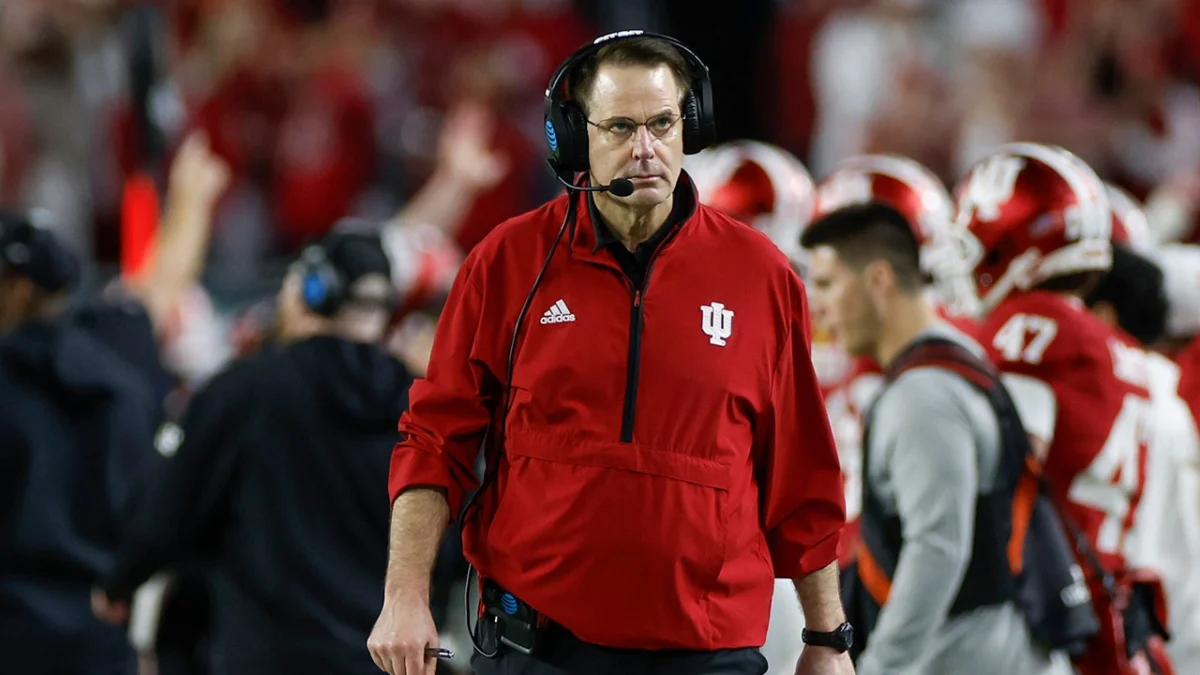
In a monumental achievement that etched their names into college football history, the Indiana Hoosiers, under the astute leadership of Head Coach Curt Cignetti, secured their inaugural national championship. The triumph, achieved in just Cignetti’s second season at the helm, culminated in a nail-biting College Football Playoff national championship victory over the Miami Hurricanes. This historic win marked a significant milestone for the Indiana program, catapulting them onto the national stage with an undefeated 16-0 record. The Hoosiers’ remarkable journey was characterized not only by their on-field prowess but also by Cignetti’s distinctive and demanding coaching philosophy, a style that became immediately apparent to new recruits as the team opened its spring practice.
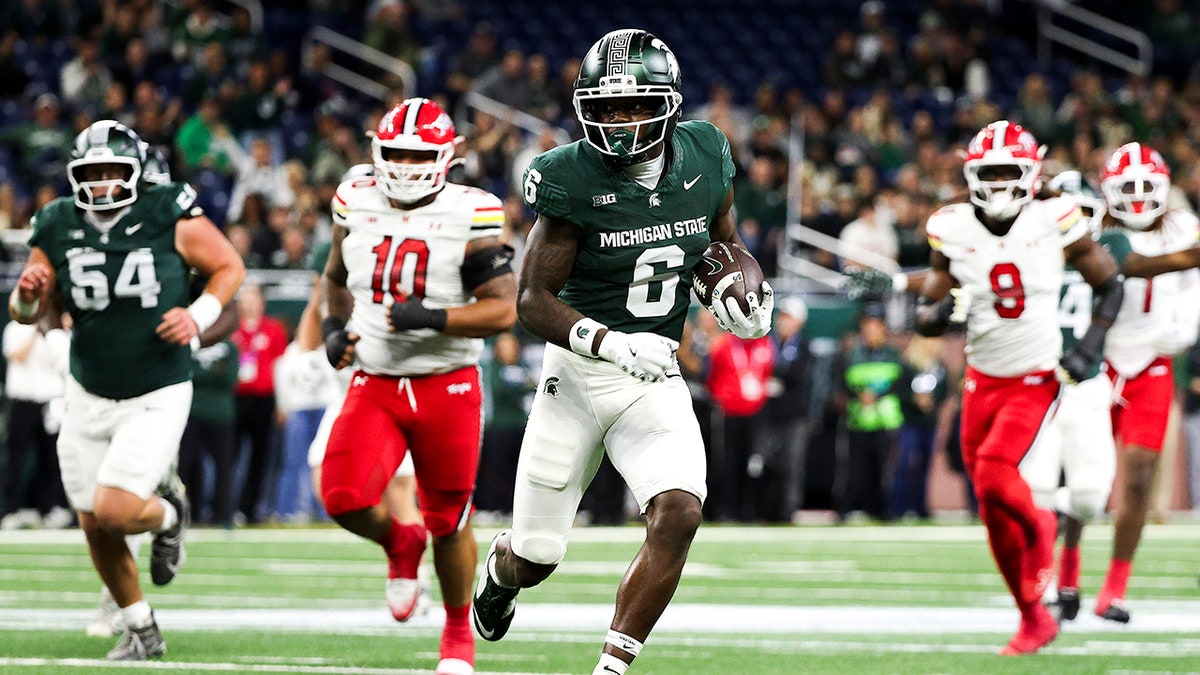
The intensity of Cignetti’s approach was vividly illustrated during the opening of Indiana’s spring practice, where transfer wide receiver Nick Marsh received a swift and memorable introduction to the high expectations within the Hoosier program. Marsh, who arrived at Indiana after a productive two-year stint with Michigan State, where he amassed 1,311 receiving yards and nine touchdowns, found himself on the receiving end of Cignetti’s sharp critique before practice even officially began. The flashpoint? Marsh’s choice of footwear – a pair of striking gold cleats. Cignetti, known for his meticulous attention to detail and unwavering commitment to team standards, did not mince words. "I didn’t love those gold shoes he came out in today," Cignetti stated, his voice carrying the weight of his no-nonsense coaching demeanor. "He learned what getting your a– ripped is all about. I don’t know if that happened to him very often at Michigan State. That was before practice started." This seemingly minor incident served as a potent microcosm of Cignetti’s philosophy: every detail matters, and adherence to team culture and expectations is paramount from the moment a player steps onto the field.
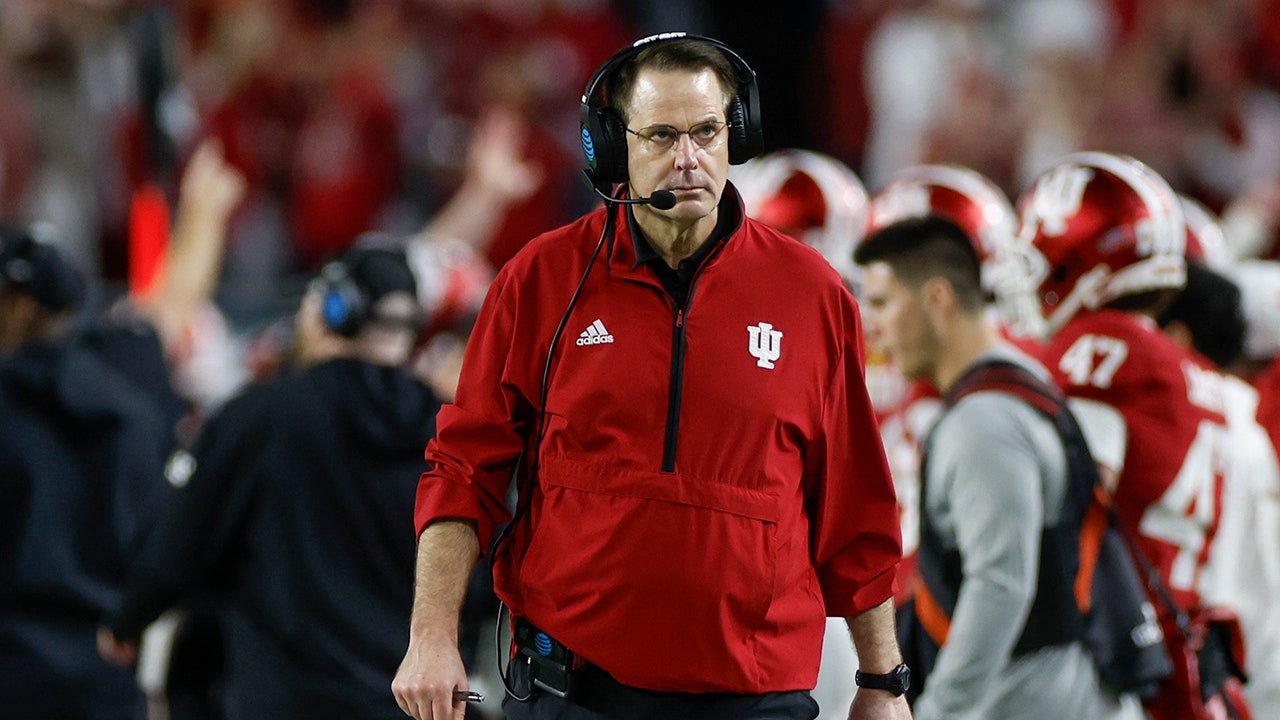
Cignetti’s redirection of focus from Marsh’s statistical achievements at Michigan State to his pre-practice attire underscored a deeper coaching principle. While acknowledging Marsh’s proven talent and past success, Cignetti prioritized instilling a new standard of discipline and conformity to the Indiana Way. This approach is not unique to Cignetti; many successful college football coaches emphasize the importance of buy-in to the program’s culture as a foundational element for championship aspirations. For Marsh, this was a clear signal that his contributions would be measured not only by his athletic ability but also by his willingness to embrace the team’s ethos. The implication was that such minor deviations from team norms, even if seemingly insignificant, would not be overlooked. This early intervention, while perhaps jarring for Marsh, was designed to ensure immediate assimilation into the Hoosier culture, preventing potential complacency and setting a high bar for all players, especially those new to the program.
The Hoosiers’ championship season was a testament to their resilience and strategic execution. Their perfect 16-0 record, culminating in a dramatic playoff victory over Miami, speaks volumes about the team’s chemistry, coaching acumen, and individual talent. This level of success often stems from a coaching staff that can effectively blend established talent with impactful new additions. Indiana’s transfer portal activity has been a significant factor in their rapid ascent. Beyond Nick Marsh, the acquisition of TCU quarterback Josh Hoover is another key piece of the puzzle. Hoover, who demonstrated flashes of brilliance during his time with the Horned Frogs, is expected to provide a dynamic presence under center, further bolstering the Hoosiers’ offensive capabilities. The integration of these high-caliber transfers is crucial for sustained success, especially in a college football landscape increasingly defined by player movement.
Cignetti himself has become a focal point of discussion regarding Indiana’s newfound success. His career trajectory, marked by consistent winning at James Madison before making the leap to Indiana, has drawn considerable attention. Recently, Cignetti addressed speculation linking him to NFL coaching opportunities, firmly stating his commitment to the collegiate game. "I’ve always been more of a college football guy," he asserted, reaffirming his dedication to building programs at the university level. This declaration is significant, as it signals stability for the Indiana program and allows the coaching staff and players to focus on future endeavors without the distraction of potential coaching changes. Cignetti’s conviction in college football suggests a long-term vision for the Hoosiers, aiming to build a lasting legacy rather than seeking a temporary step up.
The current spring practice period, following such a momentous championship victory, presents a unique set of challenges and opportunities for Cignetti and his staff. As Cignetti himself acknowledged, the coaching staff faces a greater task with the current group of players than with the previous two teams that laid the groundwork for the championship run. This increased workload stems from the influx of new talent and the need to fully integrate them into the team’s established systems and culture. "We have more work to do with this group than the first two teams," Cignetti remarked, highlighting the ongoing process of player development and team cohesion. He further elaborated on the team’s need to gain a deeper understanding of the players who will be relied upon in the upcoming season, emphasizing that this period is critical for evaluating talent and solidifying roles. The championship roster, while successful, is not static, and the coaching staff must continuously assess and adapt to maintain their competitive edge.
The successful integration of transfers like Marsh and Hoover is paramount. While Marsh brings proven receiving ability, and Hoover offers potential at quarterback, their transition to a new environment with a demanding coach requires careful management. Cignetti’s early, firm approach with Marsh, while potentially intense, can be viewed as a strategic move to accelerate this integration. By immediately addressing perceived shortcomings or deviations from team standards, he aims to prevent small issues from snowballing into larger ones. This proactive coaching style is designed to foster accountability and ensure that every player understands and respects the program’s values. The goal is to create a unified team where individual talents are channeled towards collective success, rather than being overshadowed by personal eccentricities.
The championship game against Miami was a showcase of the Hoosiers’ grit and determination. The thrilling victory, sealed in the final moments, underscored the team’s ability to perform under immense pressure. This ability is not accidental; it is cultivated through rigorous training, strategic planning, and a coaching staff that instills mental toughness. Cignetti’s demanding style, while perhaps intimidating at times, is clearly designed to prepare his players for the high-stakes environment of elite college football. The "wake-up call" Cignetti provided to Marsh serves as an example of this philosophy in action, emphasizing that every player must be ready to meet the program’s rigorous standards. "That was a wake-up call," Cignetti reiterated regarding the cleats incident. "But he’s really worked hard, done a great job for us." This follow-up statement indicates that Marsh, after the initial recalibration, has responded positively, demonstrating the effectiveness of Cignetti’s approach in fostering growth and improvement.
The path to a national championship is arduous, requiring a delicate balance of talent acquisition, player development, strategic innovation, and unwavering discipline. Curt Cignetti has demonstrated a remarkable ability to orchestrate these elements at Indiana, transforming the program into a national powerhouse in a remarkably short period. His demanding coaching style, exemplified by his interactions with new recruits like Nick Marsh, is a cornerstone of this success. As the Hoosiers embark on their quest to defend their title, Cignetti’s commitment to high standards and his focus on building a cohesive team culture will undoubtedly continue to shape the narrative of Indiana football. The early lessons learned in spring practice, even those as seemingly trivial as the color of a player’s cleats, are integral to maintaining the championship mentality that has propelled the Hoosiers to the pinnacle of collegiate athletics. The challenge now lies in sustaining this success, a task for which Cignetti appears uniquely qualified and deeply committed. The Hoosiers’ journey is a compelling case study in how a strong, disciplined coaching philosophy, coupled with strategic team building, can lead to extraordinary achievements in the competitive world of college football.
