
 By admin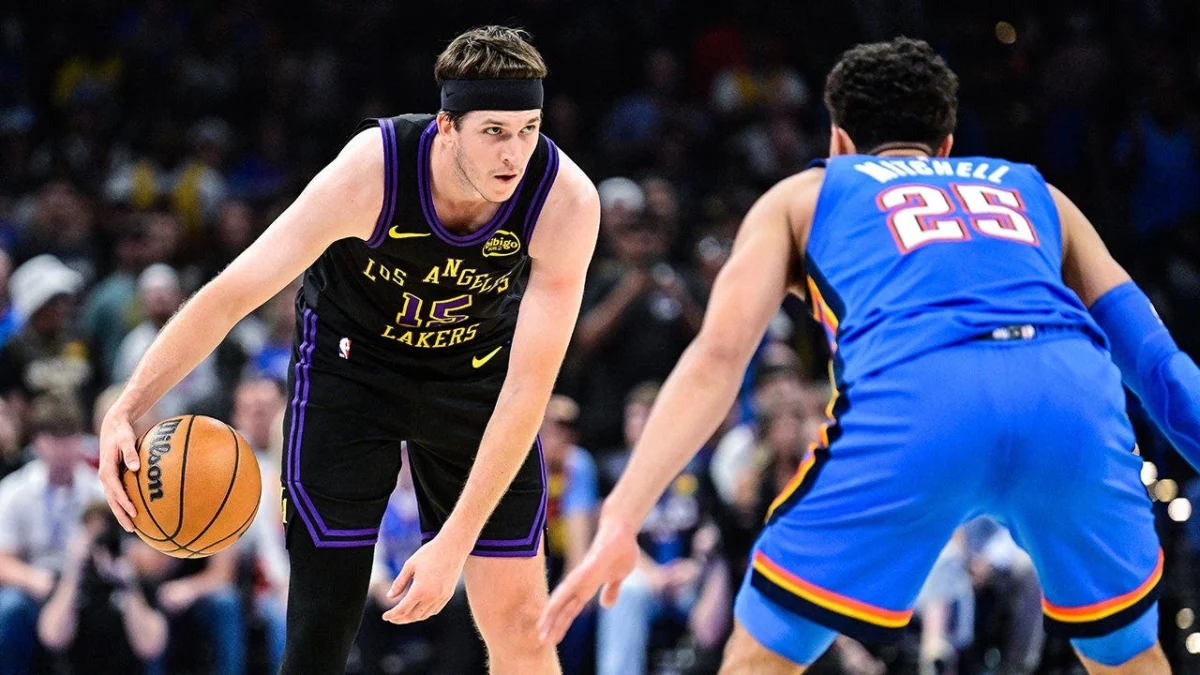
The Los Angeles Lakers have been dealt a significant blow to their playoff aspirations with the news that key guard Austin Reaves will miss the remainder of the regular season due to a left oblique muscle injury. This development, reported by ESPN on Saturday, comes at a critical juncture for the Lakers, with only five games left before the postseason tips off. Reaves is projected to be sidelined for an estimated 4-6 weeks, a timeline that could extend well into the initial stages of the playoffs, raising serious concerns about the team’s immediate competitiveness. The Lakers are scheduled to face the Dallas Mavericks on Sunday, a contest that will now be significantly more challenging without their dynamic guard.
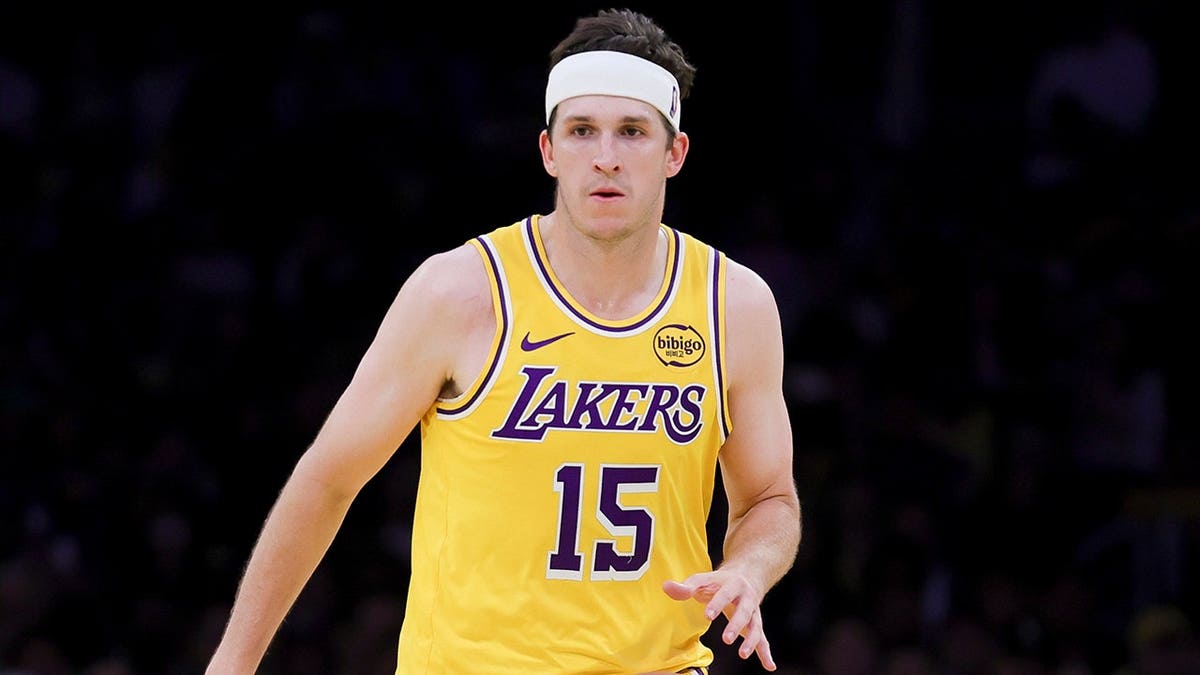
This injury marks another setback for a Lakers team that has navigated a challenging season, battling inconsistency and health concerns throughout. Reaves, who joined the Lakers as an undrafted free agent prior to the 2021-22 season, has steadily evolved into one of the franchise’s most impactful players. His journey from an overlooked prospect to a vital contributor underscores his dedication and skill. After developing his game at Oklahoma and Wichita State, Reaves found his footing in the NBA with the Lakers, gradually earning increased playing time and eventually securing a starting role in his third season. His ascent has been a testament to his offensive versatility, defensive effort, and clutch performances, making him a linchpin in the Lakers’ offensive schemes.
This season, the 27-year-old Reaves has been a consistent force, participating in 51 games and showcasing impressive statistical production. He is averaging a robust 23.3 points, 5.5 assists, and 4.7 rebounds per game. His ability to create his own shot, distribute the ball effectively, and contribute on the boards has made him indispensable. In the Lakers’ recent 139-96 defeat against the Oklahoma City Thunder on Thursday night, Reaves logged 27 minutes, highlighting his continued importance to the team’s rotation even in a lopsided loss. The loss to the Thunder, a strong Western Conference contender, further underscored the Lakers’ vulnerabilities and the crucial role Reaves plays in their ability to compete against top-tier opposition.
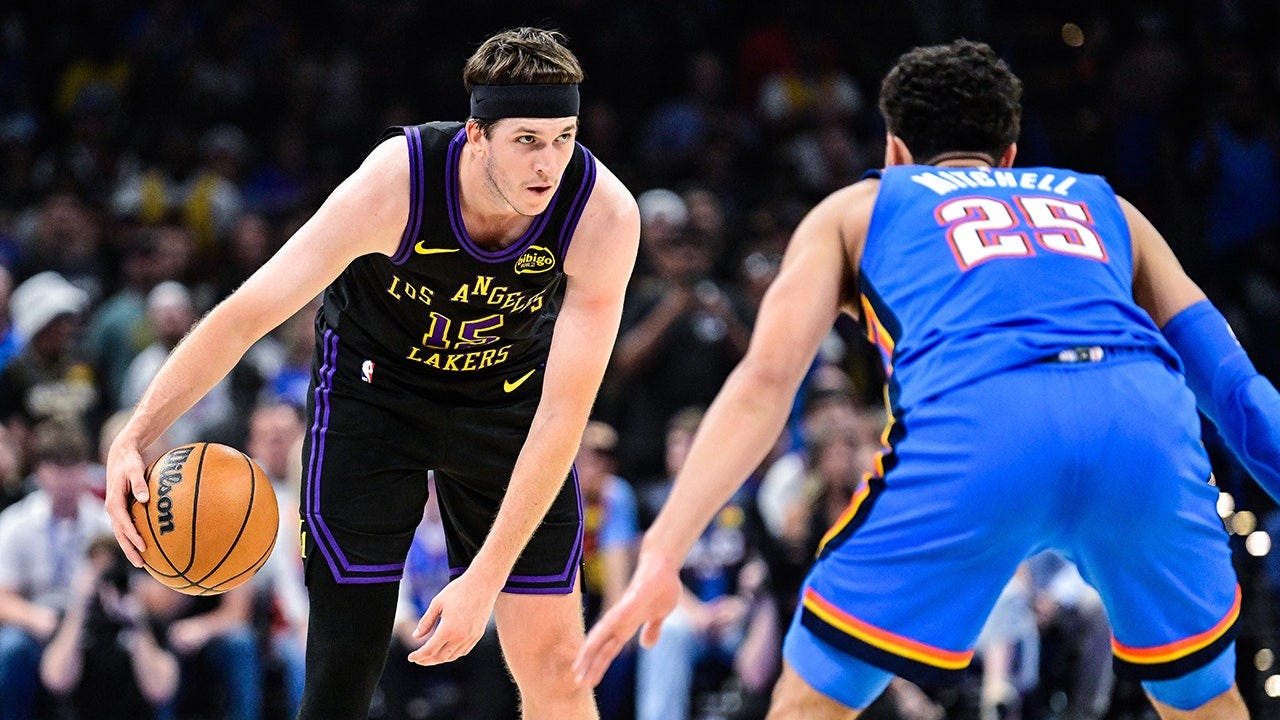
The franchise officially confirmed the injury, providing a somber update that reverberated through the Lakers’ fanbase and the wider NBA community. The timing of this injury is particularly agonizing. With the regular season winding down, teams are jockeying for playoff positioning, and the Lakers have been aiming to secure a favorable seed to maximize their chances of a deep postseason run. The absence of Reaves not only depletes their offensive firepower but also impacts their defensive schemes and overall floor balance. His ability to draw fouls and consistently knock down free throws has also been a vital asset, especially in close games.
Compounding the Lakers’ woes, the news of Reaves’ injury arrives just a day after another significant blow: the loss of superstar Luka Doncic to a left hamstring strain, also ending his regular season. While Doncic is a member of a different team, the parallel nature of these high-profile injuries in the Western Conference injects a sense of dramatic irony and increased pressure on the remaining healthy stars. Doncic, a leading MVP candidate, had been on an extraordinary scoring tear, including a historic 60-point triple-double and scoring over 600 points in March alone. His absence from the Mavericks’ lineup creates a similar void for his team, highlighting the fragility of even the most dominant players in the demanding NBA season.
Lakers head coach J.J. Redick, speaking earlier on Saturday, acknowledged the team’s difficult circumstances but emphasized a resolute focus on their objectives. "Our mission, it hasn’t changed," Redick stated. "The rest of these guys and my staff, we’re going after the 3-seed, and we’re going to try to win a playoff series." This sentiment reflects a commendable determination to overcome adversity, but the reality of playing without one of their primary offensive engines presents a formidable challenge to achieving those goals. Redick, in his first year as head coach, has been tasked with integrating new pieces and navigating player availability, and this latest obstacle will test his coaching acumen and the team’s collective resilience.
Looking ahead, Reaves’ contract situation adds another layer of complexity to his injury. He is eligible for a lucrative contract extension in the offseason. Should he decline his player option for the 2026-27 season, as reports suggest he is likely to do, this injury could impact his negotiating leverage and the Lakers’ financial planning. A strong finish to the season and a deep playoff run could have bolstered his market value, while an extended absence might temper expectations for potential suitors, although his established track record suggests he will still command significant attention. The Lakers will need to weigh their future roster construction, potentially needing to find ways to fill the void left by Reaves’ scoring and playmaking.
The Lakers’ remaining schedule includes a road game against the Dallas Mavericks on Sunday, followed by contests against the Minnesota Timberwolves, the Golden State Warriors, the Memphis Grizzlies, and finally, the Utah Jazz on April 12th to conclude their regular season. Each of these matchups carries significant weight as the team fights to maintain its playoff standing. The upcoming game against the Mavericks, now without Doncic and facing a Lakers team without Reaves, presents an intriguing, albeit concerning, preview of a potentially altered playoff landscape.
The impact of Reaves’ injury extends beyond immediate game performance. His absence forces other players to step into larger roles, potentially accelerating their development but also increasing their workload. Players like D’Angelo Russell, Rui Hachimura, and potentially even LeBron James will need to shoulder more of the offensive burden. The Lakers’ defense, which has been a point of emphasis under Redick, will also need to compensate for Reaves’ on-ball pressure and his ability to anticipate passing lanes. The team’s overall depth and the performance of their supporting cast will be under intense scrutiny in the coming weeks.
The NBA’s evolving landscape, with a growing emphasis on player load management and injury prevention, makes this situation particularly sensitive. While the league has implemented measures like the 65-game eligibility rule for major awards, the focus for teams like the Lakers is squarely on playoff health and readiness. The physical toll of an 82-game season, exacerbated by a demanding playoff schedule, means that any significant injury can derail championship aspirations. The Lakers, having won an NBA championship in 2020 and consistently aiming for contention, understand the preciousness of having their roster intact during the postseason.
The context of the Lakers’ current season is also important. They have shown flashes of brilliance, particularly when their key players are healthy and performing at their best. However, they have also struggled with consistency, often falling victim to defensive lapses and offensive droughts. Reaves’ ability to provide a steady scoring presence and facilitate the offense has been a crucial element in their more successful performances. His injury removes a significant variable from the equation, forcing Redick and the coaching staff to re-evaluate their strategies and personnel rotations.
The Lakers’ pursuit of the third seed in the Western Conference, as mentioned by Coach Redick, is a significant objective. Securing a top-three seed offers the advantage of home-court advantage in the first round of the playoffs and potentially a more favorable matchup against lower-seeded teams. However, the current standings are tight, and dropping in the seeding without Reaves could lead to a more challenging path through the playoffs, potentially facing teams like the Denver Nuggets or the Oklahoma City Thunder earlier than anticipated.
Beyond the immediate on-court implications, the injury also raises questions about the Lakers’ long-term strategy. As they look to build a sustainable contender around their veteran stars and emerging talent, player development and health are paramount. Reaves represents a significant part of their future, and ensuring his full recovery and continued development will be a priority. The club’s medical staff will be working closely with Reaves to ensure a comprehensive rehabilitation process, aiming to have him back at full strength for the playoffs, if his recovery timeline permits.
In conclusion, Austin Reaves’ season-ending oblique injury represents a significant challenge for the Los Angeles Lakers as they approach the NBA playoffs. His consistent production, playmaking ability, and overall impact on the court will be sorely missed. While the team remains determined to compete, their path to success has become considerably more arduous. The coming games will serve as a crucial test of their depth, resilience, and coaching acumen as they strive to navigate this difficult period and make a deep playoff run despite the absence of one of their vital offensive engines. The Lakers’ ability to adapt and overcome this setback will be a defining narrative of their postseason journey.
