
 By admin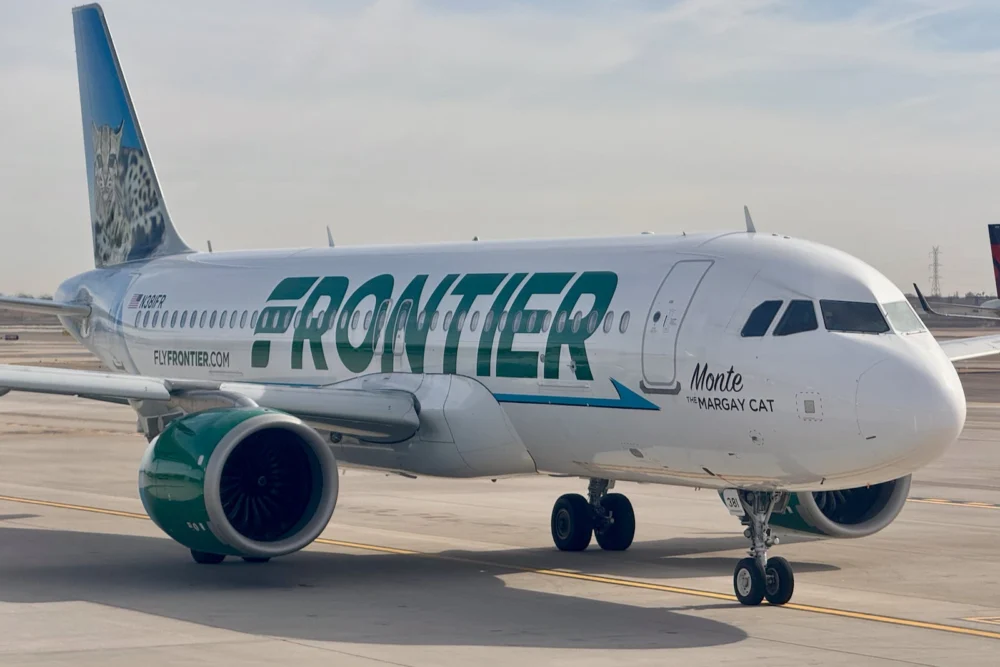
The decision to exit 10 cities—a move confirmed by airline officials as being driven by shifting demand and broader market dynamics—comes on the heels of a disappointing fiscal year. Frontier reported a staggering net loss of $137 million for 2025, a figure that underscores the systemic challenges facing budget airlines in an era of soaring labor costs, volatile fuel prices, and a domestic market saturated with excess capacity. By pruning underperforming routes and focusing on high-margin opportunities, the carrier hopes to stabilize its balance sheet and reassure investors that its low-cost model remains viable in a changing economic landscape.
A Radical Shift in Fleet and Growth Strategy
Central to Frontier’s turnaround plan is a dramatic "right-sizing" of its fleet. For years, the airline’s strategy was predicated on rapid expansion, fueled by a constant stream of new aircraft deliveries. However, the current environment has rendered that strategy unsustainable. To mitigate losses and reduce capital expenditures, Frontier has reached an agreement to return 24 Airbus A320neo aircraft to the prominent leasing firm AerCap. This reduction represents a significant portion of its 176-plane fleet, signaling a temporary retreat from the quest for market share at any cost.
Furthermore, Frontier has reached an agreement with Airbus to postpone the delivery of 69 new A320neo aircraft. Originally scheduled to join the fleet over the next three years, these planes will now not begin arriving until 2030 or later. This delay provides the airline with much-needed breathing room, allowing it to focus on maximizing the utilization of its existing assets rather than struggling to find profitable routes for new arrivals. The airline now expects to maintain a modest growth rate of approximately 10% annually through the end of the decade, a sharp contrast to the double-digit surges it pursued in previous years.
Jimmy Dempsey, President and CEO of Frontier, emphasized that this pause is not a sign of defeat but a tactical repositioning. "As we look ahead to fiscal 2026, we are encouraged by demand trends and are laser-focused on returning Frontier to profitability," Dempsey stated. He outlined a four-pillar strategy for the coming years: right-sizing the fleet, strengthening cost discipline, improving operational reliability, and maturing the airline’s customer loyalty programs.
The ULCC Crisis: Context and Competition
To understand Frontier’s current predicament, one must look at the broader state of the U.S. airline industry. While "legacy" carriers like Delta, United, and American Airlines have reported record profits by capturing high-yielding premium and international traffic, the ultra-low-cost segment has been left behind. The post-pandemic "revenge travel" boom initially favored budget carriers, but as travel patterns normalized, the industry was left with a glut of low-fare seats in popular leisure markets like Florida, Las Vegas, and Phoenix.
This overcapacity led to a "race to the bottom" in pricing, where airlines were forced to offer fares so low they could not cover the rising costs of fuel and labor. Frontier’s primary rival, Spirit Airlines, has become the poster child for these struggles, having filed for Chapter 11 bankruptcy protection twice in as many years. The uncertainty surrounding Spirit’s future has cast a shadow over the entire ULCC sector, raising questions about whether the "no-frills" model can survive in its current form.
Frontier is attempting to distance itself from the chaos by pivoting toward a more "reliable" brand identity. For years, the carrier was plagued by high rates of cancellations and poor on-time performance—issues that Dempsey has now labeled "not acceptable." By reducing the complexity of its network and exiting the 10 underperforming cities, the airline aims to create a more resilient operation that can better handle weather disruptions and technical issues.
Reimagining the Network: The 10-City Exit
While the specific list of the 10 exiting cities reflects a localized lack of demand, the broader trend is a move away from hyper-competitive "sun and fun" markets where the legacy carriers have begun to compete more aggressively with their own basic economy products. By exiting these markets, Frontier is looking for "white space"—routes where it can be the dominant or sole provider of low-cost service, rather than one of five airlines fighting for the same budget-conscious traveler.

This network realignment is also a response to the changing nature of leisure travel. Travelers are increasingly prioritizing reliability and "value" over the absolute lowest base fare. Frontier has responded by introducing new fare classes, such as "UpFront Plus," which offers a blocked middle seat in the first two rows, and "BizFare," aimed at attracting small business travelers who need more flexibility. These products represent an attempt to move upmarket and capture a share of the "premium leisure" segment that has proven so lucrative for larger airlines.
Operational Reliability and Customer Loyalty
A key component of Frontier’s path to profitability is the maturation of its loyalty program, FRONTIER Miles. Historically, ULCCs have struggled to build brand loyalty, as their customers are often "price-sensitive" rather than "brand-loyal." Frontier is working to change this by offering more tangible rewards and a streamlined path to elite status. The goal is to create a base of "repeat flyers" who choose Frontier not just because it is the cheapest option on a search engine, but because they value the specific perks and reliability the airline offers.
The focus on on-time performance is equally critical. In the low-cost world, a single delayed flight can have a cascading effect across the entire network, leading to expensive crew reassignments and passenger compensation. By slowing its growth and stabilizing its fleet, Frontier aims to "mature" its operations. Dempsey’s vow to "get better" regarding cancellations is a direct acknowledgment that the airline’s reputation for poor service has become a financial liability.
Financial Headwinds and the Road Ahead
Despite the optimistic tone from leadership, the road to 2026 remains fraught with challenges. The $137 million loss in 2025 is a sobering reminder of how quickly costs can erode margins. Labor costs, in particular, remain a significant headwind. As pilots and flight attendants across the industry have negotiated record-breaking contracts, Frontier has had to adjust its cost structure accordingly. The "cost discipline" Dempsey mentioned will likely involve a combination of corporate belt-tightening and a renewed focus on ancillary revenue—the fees for bags, seats, and onboard refreshments that are the lifeblood of the ULCC model.
The airline’s relationship with AerCap and Airbus will be vital in the coming years. By returning 24 planes, Frontier is effectively reducing its fixed costs, but it also means the airline will have less capacity to deploy if demand suddenly spikes. It is a delicate balancing act: shrinking to survive while maintaining enough of a presence to remain relevant in the national aviation conversation.
Expert Perspectives on the "New" Frontier
Industry analysts view Frontier’s move as a necessary, if painful, correction. Many believe the era of $19 transcontinental fares is coming to an end as airlines realize they cannot operate at such levels given current inflationary pressures. "Frontier is doing what it has to do to survive," says one industry consultant. "The old model of ‘grow at all costs’ is dead. Now, it’s about ‘grow where you can win.’ Exiting those 10 cities is a sign that management is finally being honest about where they can and cannot compete."
The next 12 to 18 months will be a proving ground for Frontier. If the airline can successfully reduce its cancellations and improve its on-time performance while maintaining its low-cost structure, it may emerge as a more stable and profitable version of itself. However, if the domestic market remains oversupplied or if fuel prices take another upward turn, even these drastic measures may not be enough to keep the carrier in the black.
For now, travelers can expect a "quieter" Frontier. The days of constant new route announcements and massive aircraft orders are being replaced by a focus on the "boring" but essential aspects of airline management: scheduling, maintenance, and customer service. As the airline exits those 10 cities and prepares for a leaner 2026, the goal is clear: to stop the bleeding and prove that there is still a place for the ultra-low-cost carrier in the modern American sky. Through fleet right-sizing and a renewed commitment to operational excellence, Frontier is betting its future on the idea that sometimes, to move forward, an airline must first take a step back.
