
 By admin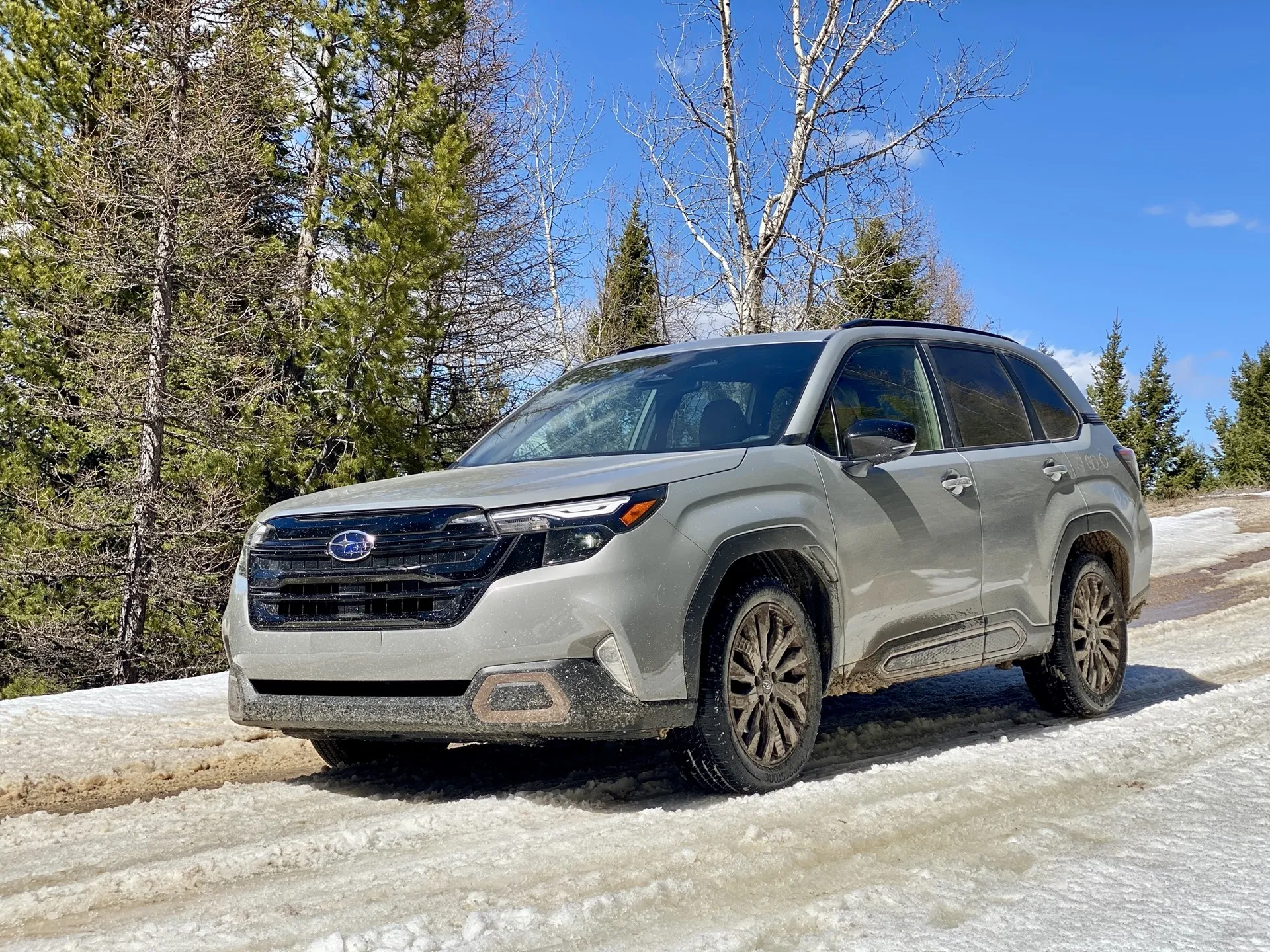
In a significant shift within the automotive industry’s reliability landscape, Subaru has ascended to the pinnacle of brand trustworthiness, dethroning long-standing champions Toyota and its luxury marque, Lexus. This revelation comes from the highly anticipated annual report published Thursday by Consumer Reports, marking the first time the relatively smaller Japanese automaker has seized the top position, historically dominated by the giants of the industry. The findings underscore a critical juncture where extensive redesigns and the integration of new technologies by established leaders can inadvertently open the door for more conservative, proven approaches to claim the lead in consumer confidence.
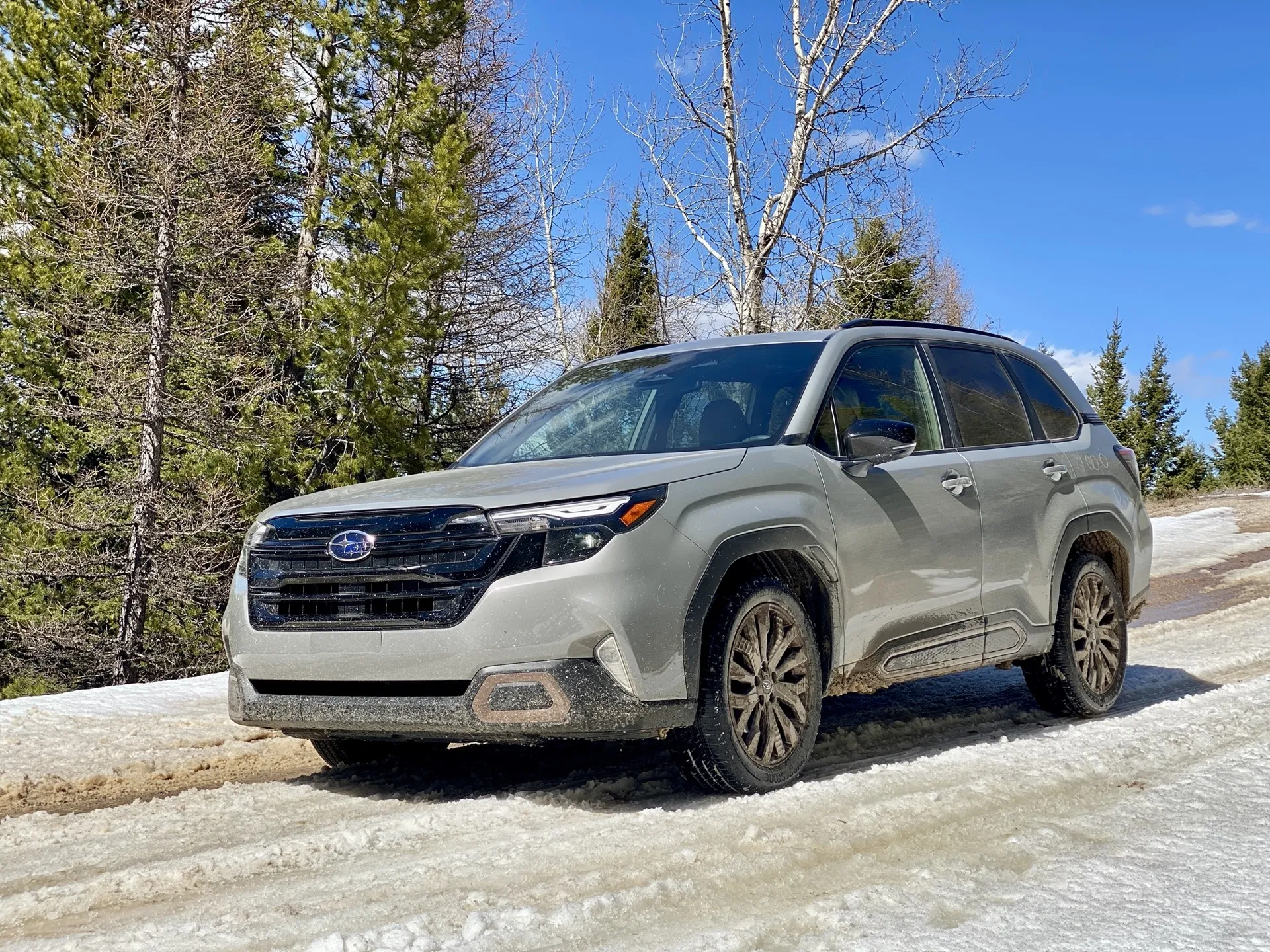
Subaru’s triumph as the most reliable car brand is a testament to a strategy that, ironically, mirrors the very principles that kept Toyota and Lexus at the forefront for at least the past five years. The report highlights Subaru’s consistent adoption of "incremental updates with proven parts shared across the lineup." This cautious, evolutionary approach to vehicle development, as seen in redesigned models like the upcoming 2025 Subaru Forester, prioritizes refinement and dependability over radical innovation. This conservative stance, while sometimes drawing criticism for a perceived lack of cutting-edge design or powertrain options, has clearly paid dividends in terms of owner satisfaction and fewer reported issues. For years, Toyota garnered immense praise for its bulletproof reliability, often attributed to its measured introduction of new features and meticulous engineering, a mantle Subaru now appears to have inherited.
Conversely, the slip of Toyota and Lexus from their accustomed top-tier positions can largely be attributed to a comprehensive and aggressive product overhaul that has seen nearly every vehicle in Toyota’s vast lineup receive significant redesigns. Starting with the 2022 Toyota Tundra pickup truck, and continuing through its extensive range of sedans, crossover SUVs, trucks, and sports coupes, this ambitious refresh culminated with the highly anticipated 2025 Toyota 4Runner SUV, a model last redesigned a remarkable 15 years ago in 2010. While such a widespread update is crucial for staying competitive in a rapidly evolving market, new cars, particularly those featuring substantial technological advancements and powertrain changes, often mean new problems.
Many of these redesigned SUVs and trucks within the Toyota family now feature more efficient, smaller displacement turbo and hybrid engines, replacing the larger, often "emissions-endangered V-8s" that had powered the lineup for so long. This transition, while necessary for meeting stricter global emissions standards and improving fuel economy, introduces complex new systems that can be prone to initial teething problems. For instance, the new Tundra has been particularly beset by issues, accumulating 10 recalls since its 2022 model launch. These problems escalated to the point where Toyota made the costly decision in July to replace more than 100,000 twin-turbo 3.5-liter V-6 engines in the 2022-2023 Tundra and its luxury counterpart, the Lexus LX. While Consumer Reports clarifies that recalls themselves do not directly penalize a brand in its reliability ratings, persistent underlying problems that lead to such recalls and owner complaints certainly do.
The Consumer Reports annual survey is a robust and comprehensive evaluation, gathering data from hundreds of thousands of vehicle owners and supplementing it with the organization’s own rigorous internal testing. The survey spans an extensive range of model years, from 2000 to 2024, providing a broad historical and contemporary view of vehicle performance. It meticulously probes 20 possible "pain points" experienced by owners over the preceding 12 months. These issues range from fundamental mechanical components like transmissions and electric motors to more contemporary concerns such as climate controls and, notably, in-car electronics. Touchscreen interfaces and infotainment systems, in particular, have been a consistent "point of frustration" for many new car owners across the industry, reflecting the challenges of integrating complex digital ecosystems seamlessly into the driving experience. The data collected from these pain points is then aggregated to assess a brand’s overall reliability.
For Subaru, its unwavering commitment to its distinctive flat-4 boxer engine in core models like the Subaru Crosstrek, and its relative lack of widespread electrification – with the notable exception of the Subaru Solterra electric crossover, which is built in partnership with Toyota – has contributed significantly to its reliability standing. The Solterra, however, serves as a crucial caveat to Subaru’s otherwise stellar performance. It is the lone Subaru model to receive a below-average score for predicted reliability, demonstrating that even a brand committed to proven technology can be impacted by ventures into newer, less familiar territory, especially when developed in collaboration. This particular point highlights the delicate balance between innovation and maintaining reliability, a challenge faced by the entire industry.
Consumer Reports’ "predicted reliability" score is derived from an average of a model’s performance over the past three years, provided the vehicle has not undergone a significant redesign during that period. This methodology aims to capture consistent performance rather than transient launch issues. For Toyota, below-average ratings for key new models like the Tundra, the redesigned Tacoma midsize pickup truck, and the bZ4X EV (which shares its platform with the Solterra) collectively "sunk Toyota’s overall reliability rating." This clearly illustrates Jake Fisher’s point, senior director of Consumer Reports’ Auto Test Center: "While brand rankings can guide you to the showroom, it is critical to look at reliability for specific models before making a purchase decision. Even within high-ranking companies, there can be significant variation in reliability." His advice underscores the complexity of modern automotive reliability, where a brand’s overall reputation might not perfectly reflect the performance of every single model in its diverse portfolio.
Despite the recent hiccups associated with its new SUV and truck lineup, Toyota and Lexus still demonstrated remarkable underlying resilience. Lexus secured the second spot, and Toyota ranked third, placing both brands among the most reliable out of the 22 brands evaluated. It’s important to note that 15 brands, ranging from robust truck manufacturers like Ram to luxury performance brands such as Porsche, were not included in the rankings due to insufficient data, which provides context for the overall competitive landscape.
Broadly, the report confirmed a persistent trend in automotive reliability: Asian brands continue to outperform their counterparts, followed by German brands. Domestic automakers, while making strides, generally lagged behind. Buick emerged as the "highest ranking domestic badge," securing the 11th position, squarely in the middle of the rankings. Buick’s success is attributed to its strategy of adopting a conservative, incremental approach to new models, much like Subaru and Toyota’s historical method. However, the report also offers an important nuance: nearly half of Buick’s models are manufactured in Asia, suggesting that manufacturing location and design philosophy can both contribute to reliability.
Other notable shifts in the rankings included Mazda, which slipped to sixth place this year due to increased reported problems with its CX-90 plug-in hybrid model. Hyundai also saw a decline, dropping to 10th, primarily due to ongoing issues with its Ioniq 5 electric crossover and transmission problems plaguing the Santa Cruz small pickup. These examples further emphasize the challenges associated with introducing new powertrain technologies (PHEVs, EVs) and complex mechanical systems.
At the other end of the spectrum, Rivian, a relatively new entrant into the electric vehicle market, rated last for reliability. Owners reported a range of problems with its R1T pickup truck, spanning from paint and trim inconsistencies to issues with EV charging systems. This serves as a stark reminder of the immense difficulties faced by startup automakers, particularly those focusing on cutting-edge EV technology, in achieving the consistent build quality and operational reliability that consumers expect from established manufacturers. The learning curve for new EV platforms and supply chains is steep, and these initial reliability challenges are not uncommon for nascent automotive companies.
The dynamic nature of these reliability rankings highlights a fundamental tension within the automotive industry: the constant push for innovation versus the imperative for dependability. Manufacturers are under immense pressure to introduce advanced technologies, especially in electrification, autonomous driving features, and sophisticated infotainment systems, to meet evolving consumer demands and regulatory requirements. However, as Toyota’s recent experience demonstrates, rushing these innovations to market without extensive real-world testing and validation can lead to significant reliability issues. Subaru’s current success, on the other hand, illustrates the enduring value of a more deliberate, iterative development process that prioritizes proven components and incremental improvements.
For consumers, the takeaway from this year’s Consumer Reports survey is clear: while brand reputation offers a useful starting point, a deep dive into the specific reliability scores of individual models is paramount before making a purchasing decision. The automotive landscape is no longer one where a single brand universally guarantees problem-free ownership across its entire lineup. As the industry continues its rapid transformation, particularly with the accelerating shift towards electric vehicles and increasingly complex digital integrations, understanding the trade-offs between innovation and reliability will become an even more crucial factor in informed buying choices. The 2025 Consumer Reports reliability rankings serve as a powerful barometer of these ongoing industry shifts and the ever-evolving definition of what makes a car truly dependable.
