
 By admin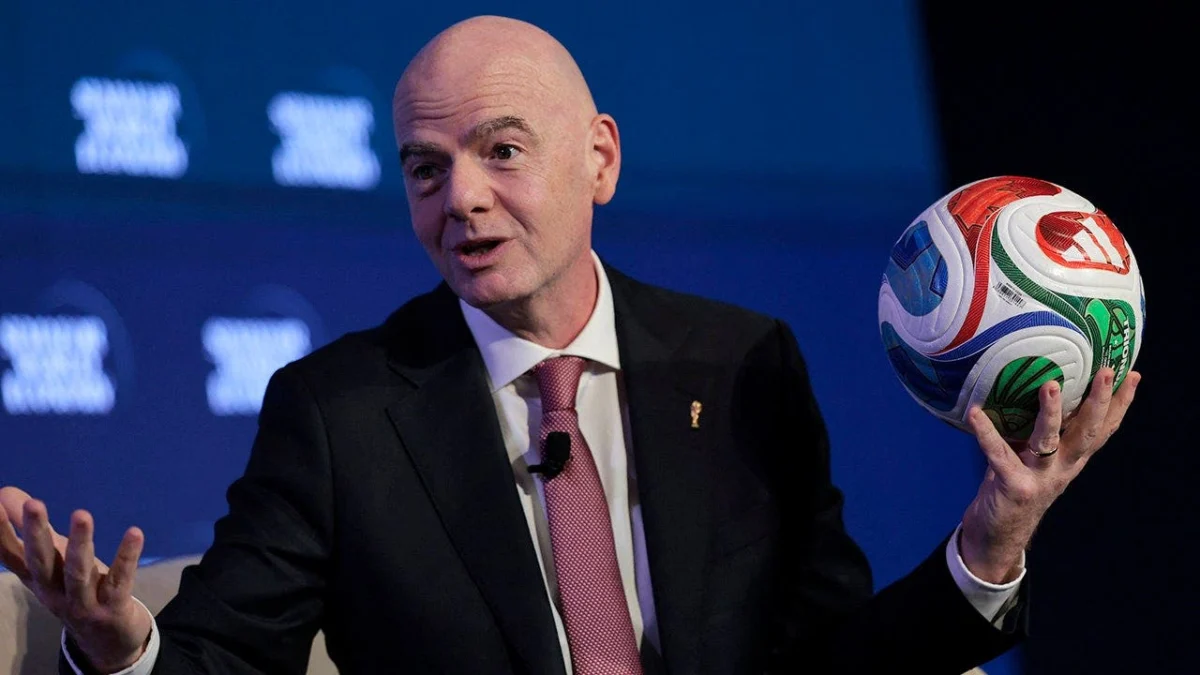
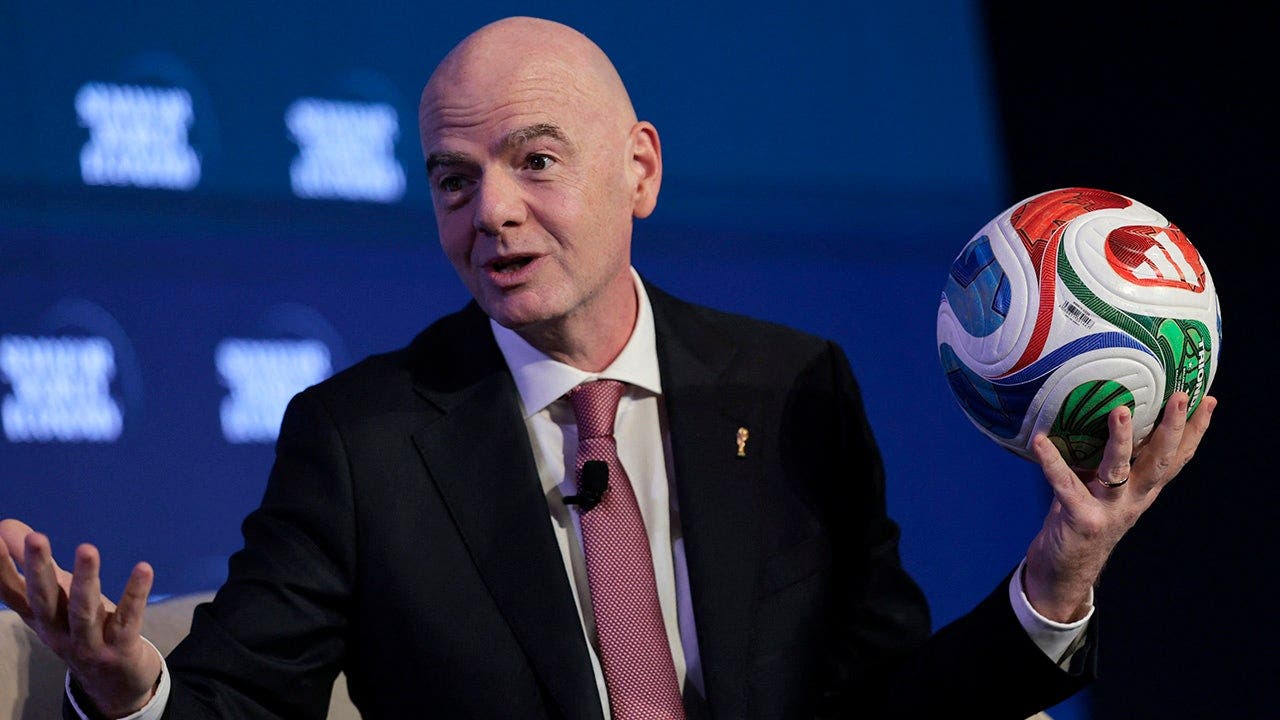
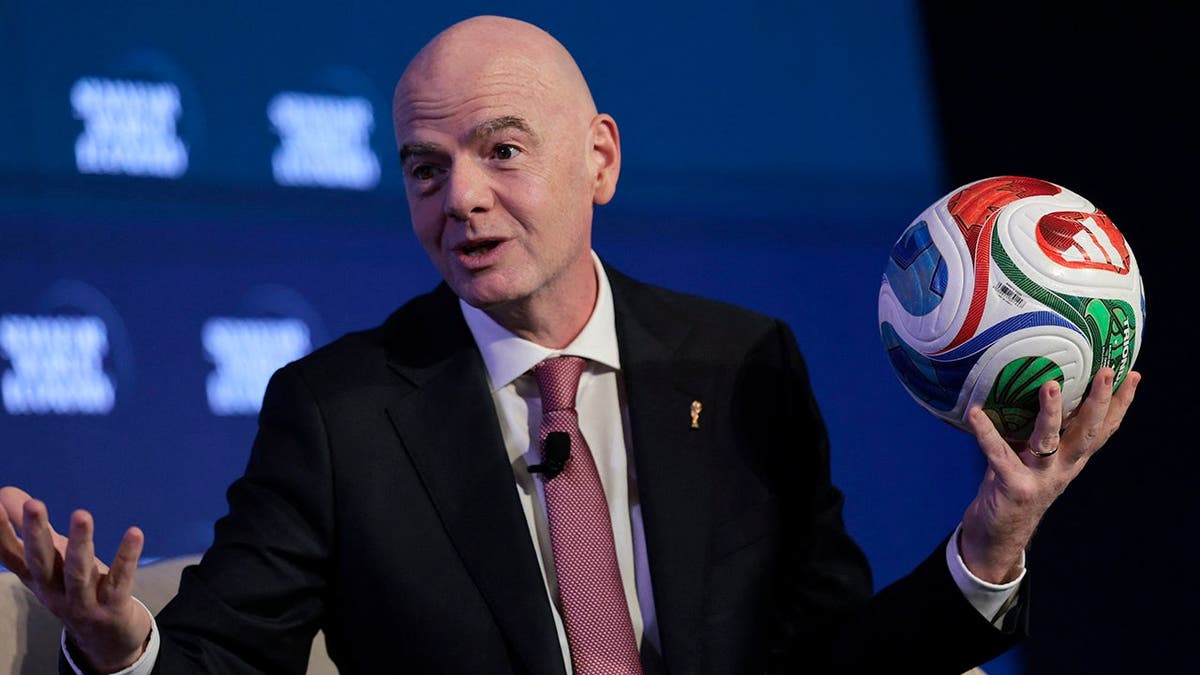
In a sharp and detailed rebuttal, FIFA has publicly responded to New Jersey Governor Mikie Sherrill’s recent call for the international soccer federation to subsidize public transportation for fans attending the 2026 FIFA World Cup matches at MetLife Stadium. Governor Sherrill, in a video statement, criticized reports of exorbitant ticket prices, citing figures as high as $100 for NJ Transit rides, and asserted that FIFA, with its projected $11 billion revenue from the tournament, should bear the cost of fan transportation, especially given that New Jersey is allocating $48 million towards the event. FIFA, however, expressed "surprise" at the Governor’s "approach to fan transportation" and pointed directly to the binding "Host City Agreements" that govern such arrangements.
The crux of FIFA’s response lies in the historical agreements and subsequent adjustments made with host cities. Initially, the 2018 FIFA World Cup Host City Agreements stipulated that free transportation for fans to all matches would be provided. However, FIFA states that in 2023, acknowledging the significant financial burden this placed on host cities, the organization revised these requirements. The updated agreements mandate that "All Match Ticket holders and accredited individuals shall be able to access transport (public or additionally planned transport) at cost to allow travel to Stadiums on match days." This means that while FIFA is not directly paying for every fan’s ride, the expectation is that transportation will be available at a reasonable, cost-based price, rather than at inflated market rates.
FIFA further emphasized its long-standing collaborative efforts with host cities on transportation and mobility planning, highlighting its advocacy for substantial federal funding to support these initiatives. The organization projects that the World Cup will draw millions of fans to North America, generating significant economic impact. For the New York/New Jersey (NYNJ) region, which is scheduled to host eight matches, including the prestigious final on July 19, this influx of international visitors is expected to be substantial. FIFA’s statement also pointedly noted that it is "not aware of any other major event previously held at NYNJ Stadium, including other major sports, global concert tours, etc., where organizers were required to pay for fan transportation," subtly suggesting that the Governor’s demand deviates from established precedents for large-scale events at the venue.
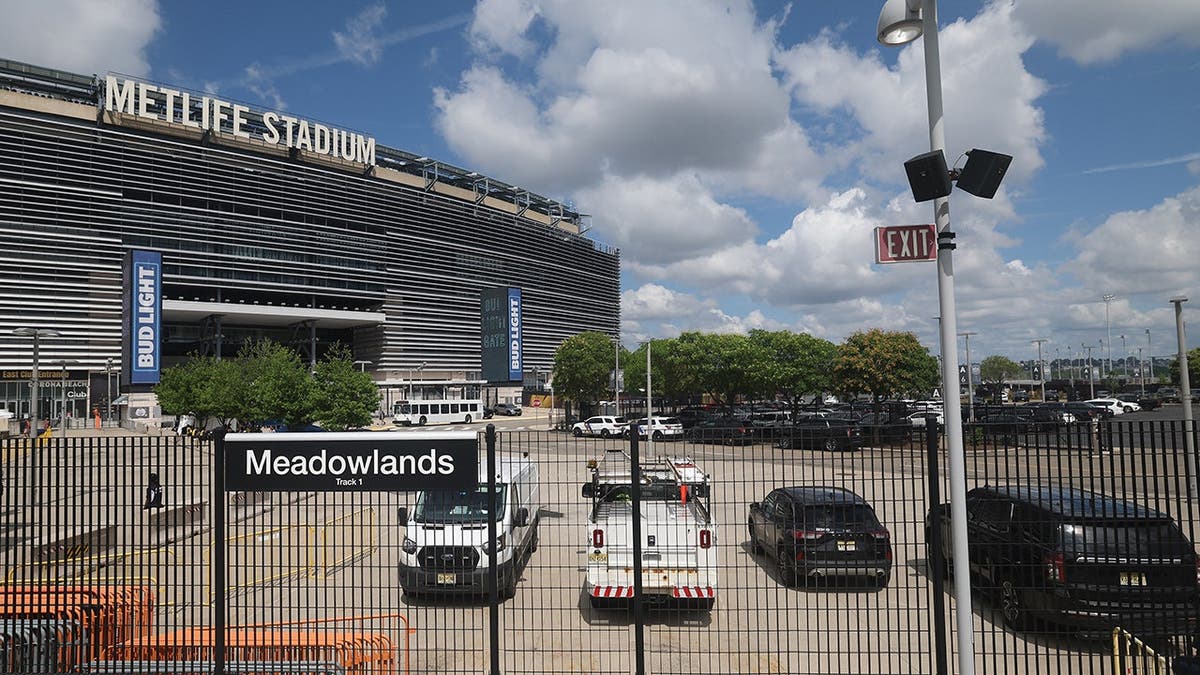
MetLife Stadium, located in East Rutherford, New Jersey, is poised to be a central hub for the 2026 World Cup, with its eight-match schedule including the tournament’s grand finale. The operational plans for the event are already revealing significant logistical adjustments. Notably, Penn Station in Manhattan will experience stringent restrictions on game days, limiting access to only those with match tickets. This measure is likely intended to manage crowd flow and ensure efficient transit for ticket holders.
Furthermore, parking at MetLife Stadium itself has been entirely banned. This decision, despite the availability of thousands of parking spaces within the Meadowlands Sports Complex, is attributed to the need to repurpose these areas for "fan activation and security" purposes. This means that attendees will rely heavily on public transportation and designated drop-off zones, underscoring the importance of the transit infrastructure that Governor Sherrill has been advocating to be funded by FIFA.
The controversy surrounding fan transportation costs has been amplified by reports of high ticket prices on public transit. While NJ Transit fares from East Rutherford to Penn Station currently stand at just under $13, the prospect of significantly higher prices on match days has fueled public concern and prompted political intervention. This situation mirrors similar concerns raised in other host cities. For instance, the Massachusetts Bay Transportation Authority (MBTA) recently announced $80 tickets from Boston to Gillette Stadium, and the Boston Host Committee has outlined plans for $95 Yankee Line bus tickets to Foxborough. These elevated prices highlight a broader challenge of ensuring affordable access to major sporting events for the general public, especially for those relying on public transit.
Adding to the logistical and fan experience considerations, FIFA has also implemented a ban on tailgating at both Gillette Stadium and MetLife Stadium. This prohibition, common at many large sporting venues to manage crowds and safety, further shapes the fan experience around the matches, moving away from traditional pre-game festivities held in stadium parking lots.
The political discourse surrounding the World Cup preparations in the NYNJ region highlights the complex interplay between international sporting bodies, local governments, and public infrastructure. Governor Sherrill’s public appeal to FIFA reflects a desire to ensure that the economic benefits of hosting the World Cup are accessible to a broad spectrum of the population, not just those who can afford premium ticket prices and travel arrangements. Her argument, centered on the substantial revenue FIFA stands to gain versus the public investment from New Jersey, aims to leverage the economic disparity to secure a more favorable outcome for local commuters.
However, FIFA’s response underscores the contractual framework that underpins such mega-events. The organization’s reference to the "Host City Agreements" emphasizes that responsibilities and financial obligations are meticulously detailed and legally binding. The adjustments made in 2023, moving from free transportation to "at cost" transport, suggest a negotiation process that has already taken into account the financial realities for host cities. FIFA’s stance also implies a belief that the economic uplift generated by the World Cup – through tourism, local spending, and job creation – is a significant contribution that benefits the host region, a point often emphasized by organizers of such global events.
The advocacy for federal funding by FIFA also points to a shared responsibility. While FIFA is a global entity, the successful execution of a World Cup within a host nation requires the cooperation and financial support of various levels of government. The mention of millions of dollars in federal funding suggests that efforts have been made to secure resources from the U.S. government to alleviate some of the infrastructure and transportation burdens on local municipalities.
The situation at MetLife Stadium and its surrounding transportation networks illustrates the logistical challenges inherent in hosting an event of this magnitude. The decision to repurpose parking lots for fan activation and security, while understandable from an operational standpoint, directly impacts attendee choices and necessitates robust public transit solutions. The restriction of access at Penn Station further emphasizes the need for efficient and well-managed transit for those attending the matches.
As the 2026 FIFA World Cup approaches, the tension between FIFA’s contractual obligations and the demands of local officials like Governor Sherrill is likely to persist. The debate over fan transportation costs is a microcosm of the broader discussions surrounding the economic and social impacts of hosting major international events. While FIFA points to its agreements and the economic benefits it brings, advocates like Governor Sherrill emphasize the need for equitable access and public benefit, particularly concerning essential services like transportation. The resolution of these issues will not only shape the fan experience at MetLife Stadium but also set precedents for future mega-events hosted in the United States and globally. The core of the dispute lies in interpreting the spirit and letter of the agreements, balancing FIFA’s commercial interests with the public service obligations of host cities, and ultimately ensuring that the World Cup is an inclusive and accessible spectacle for all. The ongoing dialogue and potential for further negotiation will be crucial in navigating these complex dynamics.
