
 By admin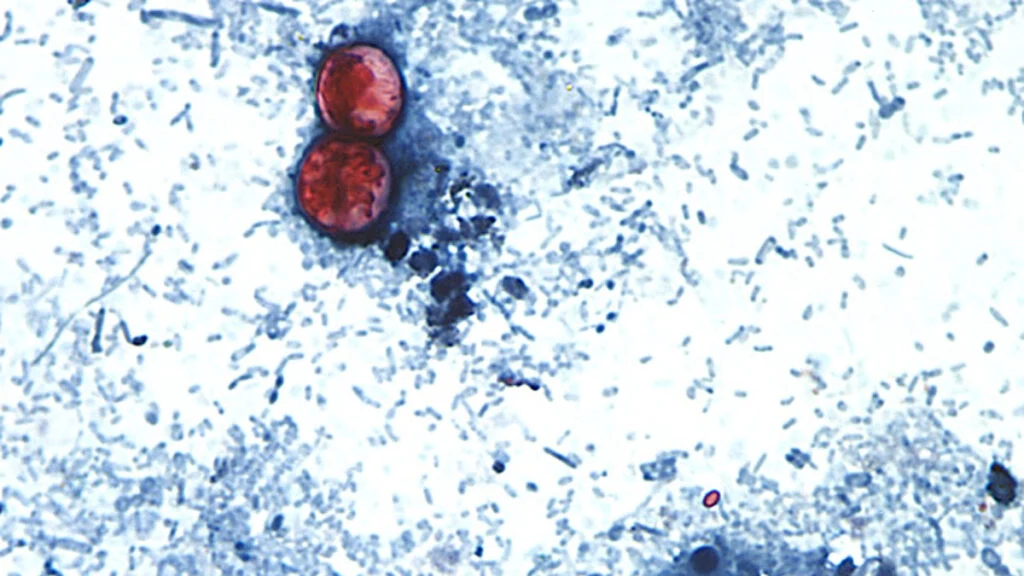
The current data indicates a significant public health crisis, with the total number of infections surpassing the 4,700-case threshold that marked the 2019 peak. While the illness is typically non-fatal and manageable with specific antibiotic regimens, the sheer volume of cases is straining local health departments and raising urgent questions about the safety of raw produce distribution in the United States. As of late July, the Centers for Disease Control and Prevention (CDC) has issued a high-level health alert, noting that since the beginning of May, there have been 1,645 laboratory-confirmed domestic cases, alongside more than 5,100 additional reports that require further epidemiological analysis to determine if they were acquired within the U.S. or during international travel.
Geographically, the outbreak has hit the Midwest and the Northeast with particular severity. Michigan has emerged as the primary epicenter of the 2026 surge, reporting a staggering 3,300 cases. Following closely are northwest Ohio with over 1,100 cases, New York City with more than 400, and Illinois with at least 200. The disparity in regional numbers has led federal officials to believe that while some cases may be sporadic or linked to international travel—particularly in Illinois, where half of the patients reported recent trips abroad—a massive, interconnected domestic outbreak is driving the numbers in the Michigan-Ohio-Kentucky-West Virginia corridor.
The investigation into the source of these infections has increasingly focused on the leafy greens industry. In Michigan, Natasha Bagdasarian, the state’s chief medical executive, revealed that intensive interviews with over 1,000 patients have consistently pointed toward lettuce and pre-packaged salad kits as the most likely vehicles for the parasite. "Early information has shown lettuce as a common product that regularly comes up during the investigation," Bagdasarian noted, emphasizing that the consistency of these reports suggests a systemic issue rather than isolated incidents of contamination.
This suspicion has already triggered ripples through the fast-food and retail sectors. On Tuesday, Taco Bell, one of the nation’s largest quick-service chains, took the preemptive step of removing certain ingredients from select restaurants. In an official statement, the company characterized the move as a "precautionary measure," stating they are working in lockstep with public health authorities to monitor the situation. While federal officials from the Food and Drug Administration (FDA) have been hesitant to name specific vendors or distributors publicly, Donald Prater, the FDA’s Acting Deputy Commissioner for Food, confirmed that "traceback investigations" are currently underway. These investigations involve a complex "backwards mapping" of the supply chain, tracking a specific leaf of lettuce from a consumer’s plate back through processors, distributors, and ultimately to the specific farms and irrigation sources where the contamination may have originated.
To understand the severity of the 2026 surge, one must understand the biological nature of Cyclospora cayetanensis. This microscopic, one-celled parasite causes an intestinal illness known as cyclosporiasis. Unlike many other foodborne pathogens, Cyclospora is not spread directly from person to person. Instead, the parasite’s oocysts (eggs) must be shed in the feces of an infected person and then spend days or even weeks in the environment—usually in soil or water—to become "sporulated" or infectious. This unique life cycle means that the presence of the parasite in the U.S. food supply is almost always the result of produce coming into contact with water or soil contaminated by human waste.
The symptoms of cyclosporiasis are often described by the CDC as "explosive." Patients typically experience watery diarrhea, frequent bowel movements, loss of appetite, weight loss, stomach cramps, bloating, increased gas, nausea, and extreme fatigue. In some instances, flu-like symptoms including body aches and low-grade fevers occur. If left untreated, the illness can last from a few days to a month or longer, and it is known for a "relapsing" pattern where symptoms seem to clear up only to return with renewed intensity. The standard treatment involves a combination of two antibiotics, trimethoprim and sulfamethoxazole, though patients with sulfa allergies must seek alternative, often less effective, treatments.
The rise in cases over the last decade, culminating in the 2026 record, is attributed to a confluence of factors. Public health experts point to climate change as a primary driver; as global temperatures rise and extreme weather events like flooding become more frequent, the conditions for Cyclospora to thrive and contaminate irrigation systems are enhanced. Furthermore, the globalization of the food supply means that a single contaminated farm, whether in the U.S. or abroad, can distribute tainted produce to dozens of states within days.
Improved diagnostic technology has also played a role in the "increase" of reported cases. Historically, Cyclospora was difficult to detect because it required specialized stool tests that were not part of a standard "food poisoning" panel. However, the advent of highly sensitive Multiplex PCR (polymerase chain reaction) tests, such as the BioFire FilmArray, has allowed clinicians to identify the parasite much more frequently than they could a decade ago. While this better detection is a win for medicine, it also reveals that the parasite has likely been a larger problem for longer than previously realized.
In response to the current crisis, Michigan health officials have issued specific guidance for consumers, advising them to pivot away from convenience-oriented produce. "We are suggesting people avoid bagged lettuce and pre-mixed salad kits for the time being," Bagdasarian stated. Instead, consumers are encouraged to purchase whole heads of lettuce, discard the outermost layers, and perform a rigorous washing process. However, experts warn that washing is not a foolproof solution. The surface of a lettuce leaf is microscopic and craggy, providing numerous "nooks and crannies" where the tiny parasite can cling, resisting even high-pressure water rinses.
The economic impact of the 2026 outbreak is expected to be substantial. The produce industry, particularly the leafy greens sector in California and Arizona—which supplies the vast majority of the nation’s lettuce—could face millions of dollars in losses if a broad recall is initiated. For the restaurant industry, the "Taco Bell effect" of removing ingredients can lead to diminished consumer confidence and supply chain disruptions that last for months.
As the investigation continues, federal health officials expect the case count to climb significantly through the end of August. Gwen Biggerstaff, deputy director of the CDC’s Division of Foodborne, Waterborne, and Environmental Diseases, noted that the true scale of the outbreak is almost certainly underrepresented. Many individuals with "mild" cases of diarrhea may never seek medical attention or have a stool sample tested, meaning the thousands of reported cases are likely just the tip of a much larger epidemiological iceberg.
The 2026 surge serves as a stark reminder of the vulnerabilities inherent in the modern food system. While the Food Safety Modernization Act (FSMA) has introduced stricter standards for irrigation water quality, the persistence of Cyclospora suggests that current testing protocols may need to be revised. As the parasite becomes more entrenched in the domestic environment, the focus must shift from reactive "tracebacks" to proactive prevention, ensuring that the water used to grow the nation’s salads is free from the microscopic threats that have made 2026 a record-breaking year for all the wrong reasons. For now, the public is urged to remain vigilant, report symptoms to their healthcare providers immediately, and follow the evolving guidance from state health departments as they work to pin down the source of this "explosive" parasitic threat.
