
 By admin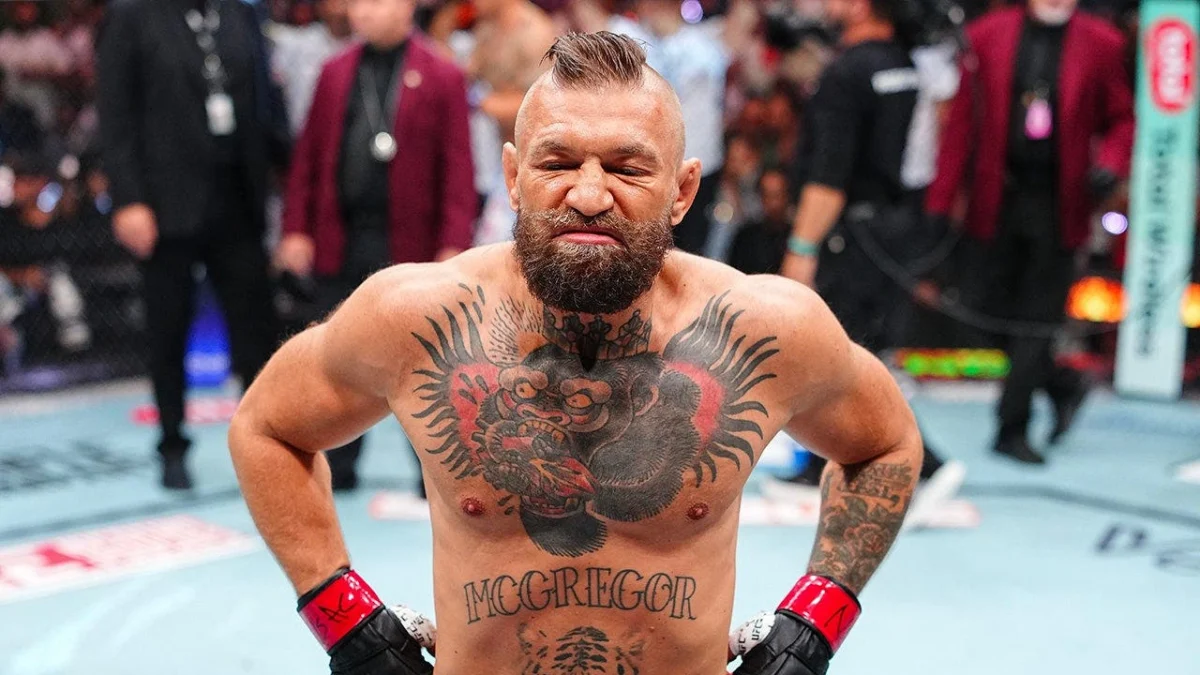
Conor McGregor, the charismatic Irish mixed martial artist, has finally shed light on the precise nature of the devastating knee injury that prematurely ended his highly anticipated return to the UFC octagon on July 11 in Las Vegas. The fight, which saw him face off against Max Holloway at UFC 329, was abruptly halted, leaving fans and McGregor himself in a state of shock and confusion. In a candid post on the social media platform X, McGregor revealed the diagnosis: a torn ACL and meniscus in his right knee.
"Update: it was acl and meniscus," McGregor posted, confirming the severity of the damage. He went on to describe the revelation as "quite shocking," particularly given the circumstances of the injury. The former two-division UFC champion elaborated, stating, "It is the same injury as the first Holloway fight, only this time the opposite leg. Quite shocking." This comparison to a previous injury, albeit sustained 13 years prior against the same opponent, adds a layer of unfortunate symmetry to the situation. McGregor’s initial encounter with Holloway took place before his meteoric rise to global superstardom in mixed martial arts, making the recurrence of a similar, debilitating knee injury over a decade later a stark and unexpected twist of fate.
The injury occurred just moments into the first round of the welterweight bout. McGregor, known for his dynamic and often audacious striking, attempted a jumping roundhouse kick on Holloway. As he landed, the impact evidently took a severe toll on his knee, causing him to immediately clutch the injured limb and collapse to the canvas. The visual of the usually formidable McGregor in evident pain and distress sent ripples of concern through the arena and across the millions watching worldwide.
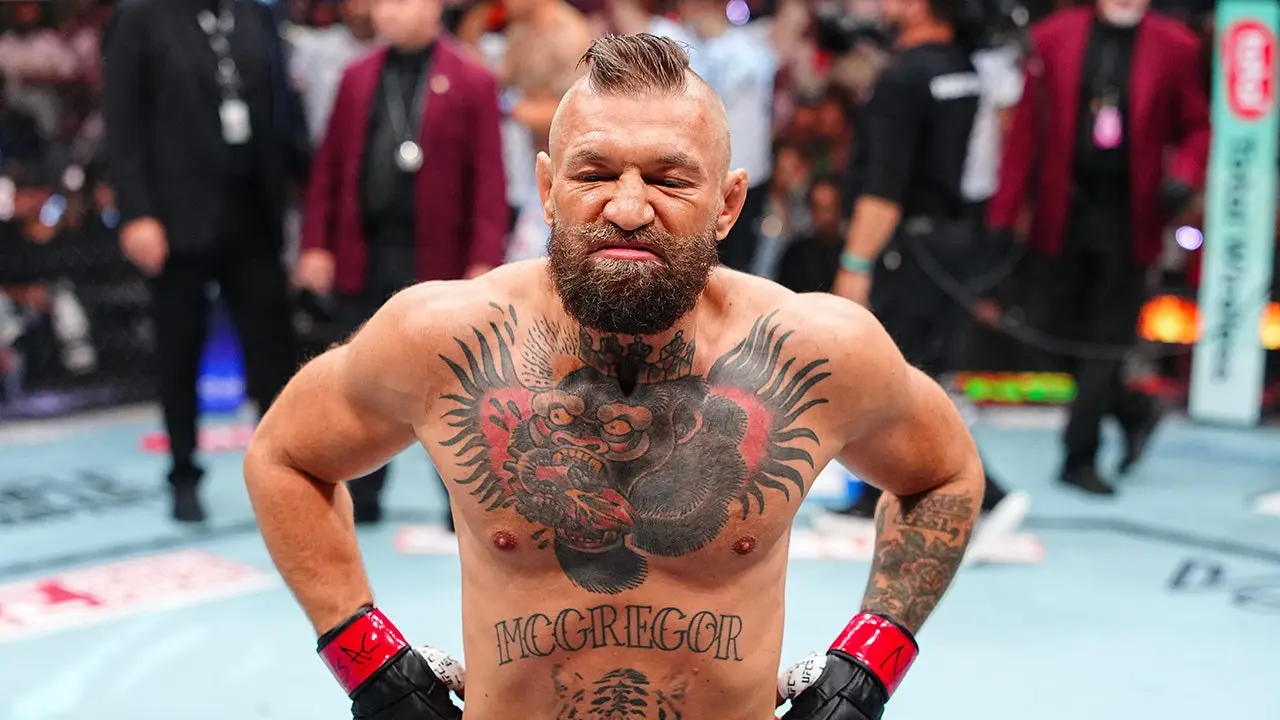
Despite Holloway’s attempts to capitalize on the situation and land follow-up strikes, McGregor was clearly compromised. The fight was swiftly brought to a conclusion by referee Mike Beltran, who stopped the contest mere seconds into the opening round. This resulted in a technical knockout (TKO) victory for Holloway and an anticlimactic end to the co-main event of UFC 329.
In the immediate aftermath of the fight, McGregor expressed his profound disappointment and bewilderment. His initial X post described his "head gasket is gone. Destroyed." He emphatically stated, "I had no injury/injuries going into the fight. I was throwing kicks, planted and jumping, all throughout camp as well as backstage before the fight. This came out of nowhere. I am beyond dark here. I can only describe it as hell." This raw and visceral reaction underscored the suddenness and severity of the injury, highlighting the disconnect between his pre-fight physical condition and the catastrophic event that transpired.
The revelation that this injury mirrors a previous one against Holloway, albeit on the opposite leg, is particularly striking. McGregor’s first fight with Holloway, a unanimous decision loss for McGregor at UFC Fight Night 26 in August 2013, predates the significant turning point in his career. Following that bout, McGregor embarked on an unprecedented run of success, capturing titles in both the featherweight and lightweight divisions, solidifying his status as one of the greatest fighters in UFC history. The recurrence of a similar knee injury against the same opponent, after such a significant period and career trajectory, adds a layer of almost poetic, albeit painful, irony.
Despite the severity of the injury and the emotional toll it has undoubtedly taken, Conor McGregor is demonstrating his characteristic resilience and forward-thinking approach. He remains optimistic about his recovery and future in the sport. "With today’s regenerative medicine advancements and improved training methods it is well within my realm to return by next summer," McGregor confidently stated. His current physical condition appears to be a testament to this optimism. He reported, "I am walking without a crutch. I done leg extension machine work the other day to no issue. So I can walk without aid, and activate my quad under resistance. All very positive." This practical update on his rehabilitation suggests a dedicated and disciplined approach to his recovery, a trait he has consistently exhibited throughout his career.

McGregor also shared a more philosophical perspective on the incident, suggesting a sense of being "saved from something worse." He mused, "I wonder was I saved from something worse here. I believe so. I would have attended the after party as ‘the man’ and who knows then. I believe I was saved. Thank you God!" This perspective, while unconventional, reflects a desire to find meaning and a silver lining in a challenging situation, a common trait in McGregor’s public persona. He concluded his update with a message of gratitude and encouragement: "On we go, no sad stories. Thank you for the support and well wishes everyone, your health is your wealth." This sentiment emphasizes the importance of well-being above all else, a fitting reflection for an athlete who has faced significant physical adversity.
The fight itself was brief, highlighting the abruptness of the injury. McGregor’s attempt at a spectacular jumping roundhouse kick, a move he had reportedly practiced extensively leading up to the fight, proved to be his undoing. Pre-fight footage shared by McGregor’s camp indeed showed him rehearsing these kicks in the locker room and backstage, landing them without issue, further underscoring the sudden and unexpected nature of the injury during the actual bout. This raises questions about the biomechanics of the movement and the specific stress placed on the knee joint during the impact of the landing.
The incident also drew commentary from prominent figures in the MMA world. UFC commentator Joe Rogan, known for his insightful and often critical analysis, called out the "crazy kick attempt" by McGregor that led to the injury. Rogan’s remarks, as reported by Fox News, highlighted the inherent risks associated with such high-impact, unconventional techniques. "You don’t do that," Rogan is quoted as saying, implying that the choice of technique, combined with the circumstances of the landing, may have contributed to the severity of the injury. This expert perspective adds another layer to the analysis of the event, suggesting that tactical decisions can play a role in the outcome of an athlete’s physical well-being.
Conor McGregor’s professional record now stands at 22 wins and 7 losses following the TKO defeat at UFC 329. At 38 years old, the fighter, who has achieved legendary status in the sport, is clearly not ready to hang up his gloves. His determination to recover and return to the octagon, despite the significant setback, speaks volumes about his competitive spirit and his desire to control the narrative of his fighting career. He is unlikely to want his legacy to be defined by such an unfortunate and abrupt ending to a fight.

The injury sustained by McGregor is a stark reminder of the inherent risks involved in professional mixed martial arts. Athletes push their bodies to extraordinary limits, and while training and conditioning are paramount, unpredictable events and the cumulative toll of combat can lead to significant physical setbacks. The ACL and meniscus are crucial components of knee stability, and tears to these structures often require extensive rehabilitation and can significantly impact an athlete’s performance and career longevity.
The advancements in regenerative medicine and sports science, which McGregor alluded to, offer a more optimistic outlook for recovery than in previous eras. Stem cell therapy, platelet-rich plasma (PRP) injections, and sophisticated physical therapy protocols have enabled many athletes to return to their previous level of performance after significant injuries. McGregor’s proactive engagement with his rehabilitation, as evidenced by his ability to walk without crutches and perform leg extensions, suggests he is leveraging these modern medical approaches.
McGregor’s journey back to the octagon will undoubtedly be closely watched by fans worldwide. His ability to overcome this latest challenge will be another chapter in a career already filled with remarkable comebacks and historic achievements. His positive mindset, coupled with the advancements in sports medicine, provides a strong foundation for his stated goal of returning by next summer. The fighting world waits to see if "The Notorious" can once again defy the odds and reclaim his place at the pinnacle of the sport. His message, "your health is your wealth," serves as a poignant reminder for all athletes and individuals about the paramount importance of physical well-being in the pursuit of any endeavor.
