
 By admin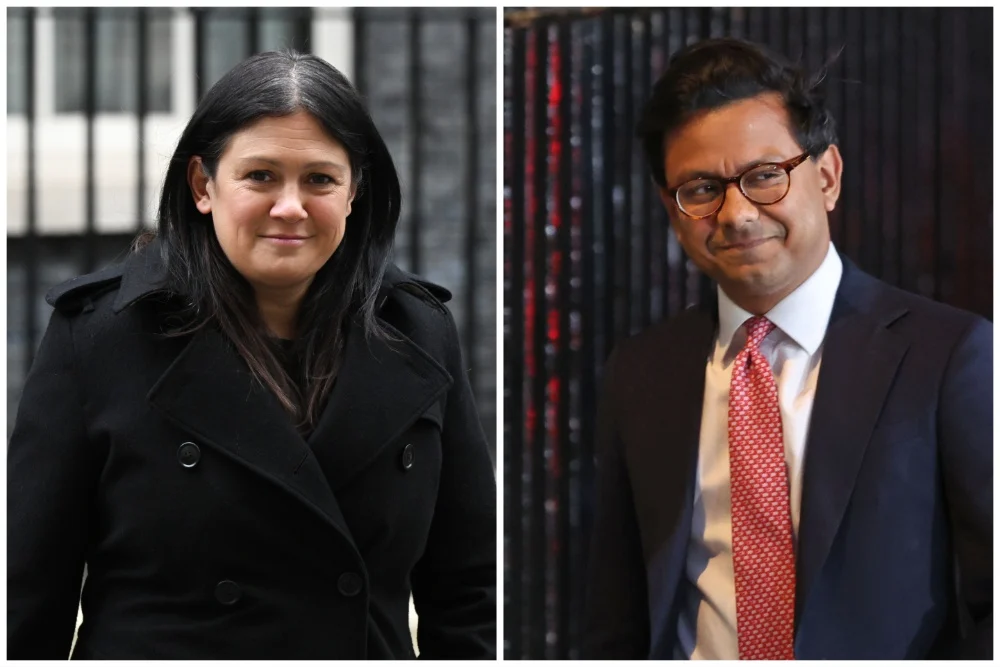
In a significant political development, Prime Minister Andy Burnham has initiated a sweeping cabinet reshuffle, a move that typically heralds a period of change and strategic realignment within government. However, amidst this extensive overhaul, incumbent Culture Secretary Lisa Nandy has secured her position, a decision that underscores her perceived stability and experience in a portfolio grappling with profound challenges. Nandy, a Member of Parliament for Wigan since 2010, was initially appointed to the crucial role of Secretary of State for Culture, Media and Sport by former Prime Minister Keir Starmer in July 2024, following the Labour party’s decisive victory in the general election. Her tenure thus far has been marked by a rapid succession of ministerial changes in the department, with Nandy becoming the twelfth minister to hold the post in less than a decade, a statistic that highlights the volatile nature of this governmental brief.
Her two-year tenure has, in fact, positioned her as one of the longest-serving ministers in this historically transient role. Prior to her elevation to the Culture portfolio, Nandy had already established a reputation for her diligent work within the Shadow Cabinet, serving as the Shadow Minister for International Development and later as the Shadow Housing Minister. These previous roles provided her with a broad understanding of public policy and a track record of engaging with complex societal issues, skills that have undoubtedly been brought to bear on the multifaceted challenges within the culture, media, and sport sectors.
Nandy assumed her current responsibilities at a particularly turbulent juncture for the United Kingdom’s screen sector. The industry was still reeling from the protracted Hollywood writers’ and actors’ strikes, which had sent shockwaves through global film and television production. This external pressure was compounded by a domestic economic climate characterized by post-pandemic inflation, a significant downturn in the advertising market, and substantial budget cuts implemented by both traditional broadcasters and burgeoning streaming platforms. The cumulative effect of these factors created a precarious environment, demanding astute leadership and strategic intervention.
In this challenging landscape, Nandy has been tasked with overseeing several high-profile and critical policy areas. Foremost among these is the renewal of the BBC’s royal charter, a process that involves a comprehensive review of its governance, public service remit, and, crucially, its funding mechanism. This is a complex undertaking, given the BBC’s integral role in the UK’s cultural fabric and its ongoing adaptation to the digital age. The charter renewal process is not merely administrative; it is a fundamental re-evaluation of a national institution’s future in an evolving media ecosystem. Analysts suggest that Nandy’s continued oversight indicates a desire for continuity and a steady hand during this pivotal negotiation, potentially aiming to strike a balance between public accountability and the BBC’s operational independence.
Furthermore, Nandy is actively engaged in navigating the implications of the merger between Paramount and Warner Bros. Discovery within the UK. She has publicly stated her "mindedness to intervene" in this significant consolidation, a clear signal that the government is closely scrutinizing the potential impact on the UK’s media landscape, including competition, content diversity, and local production. This interventionist stance reflects a broader concern among policymakers about the increasing concentration of media ownership and its potential to stifle innovation and reduce consumer choice. The regulatory scrutiny of such mega-mergers is a critical function of government in ensuring a healthy and competitive market, particularly in a sector as culturally significant as media.
The UK’s media and entertainment industry has seen a flurry of other major corporate activities that have fallen under Nandy’s purview. Notably, Comcast-owned Sky’s recent acquisition of the public service broadcaster ITV is a landmark deal that is currently awaiting regulatory approval. This acquisition, if finalized, would represent a seismic shift in the ownership structure of British television, raising questions about the future of public service broadcasting and the competitive dynamics of the market. The government’s role in scrutinizing such large-scale mergers is paramount, with a focus on safeguarding public interest and ensuring fair competition.
Beyond the ITV acquisition, there is also significant interest in potential bidders for ITV’s soon-to-be-spun-off production arm, ITV Studios. This highly successful division is a major player in global content creation, and its divestment is expected to attract considerable attention from private equity firms and other media conglomerates. Nandy’s department will likely play a role in monitoring this process, ensuring that the sale aligns with broader industrial policy objectives and does not lead to a detrimental fragmentation of the UK’s creative industries.
In a strategic move reflecting the growing importance of artificial intelligence, Prime Minister Burnham has also established a new ministerial brief dedicated to AI. Kanishka Narayan has been appointed as the first Minister for AI, a position that will see him jointly operating within the Cabinet Office and the Department for Business, Innovation, Science and Trade. This dual placement underscores the cross-cutting nature of AI policy, impacting everything from economic growth and technological innovation to ethical considerations and national security.
Narayan, who previously served as Parliamentary Under-Secretary of State in the Department for Science, Innovation and Technology, brings a focused expertise to this nascent but critical area. Elected as the MP for the Vale of Glamorgan in July 2024, his appointment signals the government’s commitment to developing a comprehensive national strategy for AI, encompassing research, development, regulation, and deployment. His remit will likely involve fostering innovation, attracting investment, and ensuring that the UK remains at the forefront of AI advancements while addressing potential societal risks, such as job displacement and algorithmic bias. The establishment of this dedicated ministerial role highlights a recognition that AI is not merely a technological trend but a transformative force that requires dedicated governmental attention and strategic foresight.
The retention of Lisa Nandy as Culture Secretary, therefore, can be interpreted as a pragmatic decision by Prime Minister Burnham. In a period of considerable economic headwinds and profound structural shifts within the media and creative industries, appointing a minister with a proven track record and a deep understanding of the sector’s complexities offers a degree of reassurance and stability. Her ongoing oversight of the BBC charter renewal and her active engagement with the Paramount/Warner Bros. Discovery merger demonstrate her capacity to handle complex, high-stakes negotiations.
However, the challenges facing Nandy and her department remain substantial. The ongoing digital transformation of media consumption, the increasing dominance of global tech giants, and the persistent need to support the UK’s vibrant but often precarious creative workforce all demand sustained attention and innovative policy solutions. The creative industries are a significant contributor to the UK economy, generating billions in revenue and employing hundreds of thousands of people. Ensuring their continued success and resilience requires not only adept management of corporate deals but also a proactive strategy to foster talent, promote diversity, and adapt to emerging technologies.
The appointment of Kanishka Narayan as Minister for AI further emphasizes the government’s forward-looking agenda. As AI technology continues to evolve at an unprecedented pace, its integration into various sectors, including media and culture, will inevitably present both opportunities and challenges. Nandy and Narayan will likely need to collaborate closely to ensure that the UK’s cultural landscape can effectively leverage the benefits of AI while mitigating its potential downsides, such as the spread of misinformation and the impact on creative professions.
In conclusion, Lisa Nandy’s continuation in the role of Culture Secretary amidst Prime Minister Burnham’s cabinet reshuffle signifies a strategic choice for stability and experienced leadership in a department facing a confluence of significant challenges. Her mandate includes navigating complex regulatory environments, overseeing the future of a national broadcaster, and adapting to the rapidly evolving global media landscape, all while fostering the continued growth and innovation of the UK’s dynamic creative industries. The parallel establishment of a dedicated AI ministry signals a broader governmental ambition to address future-oriented technological shifts, suggesting a coordinated approach to shaping the nation’s cultural and economic future in an era of profound transformation.
