
 By admin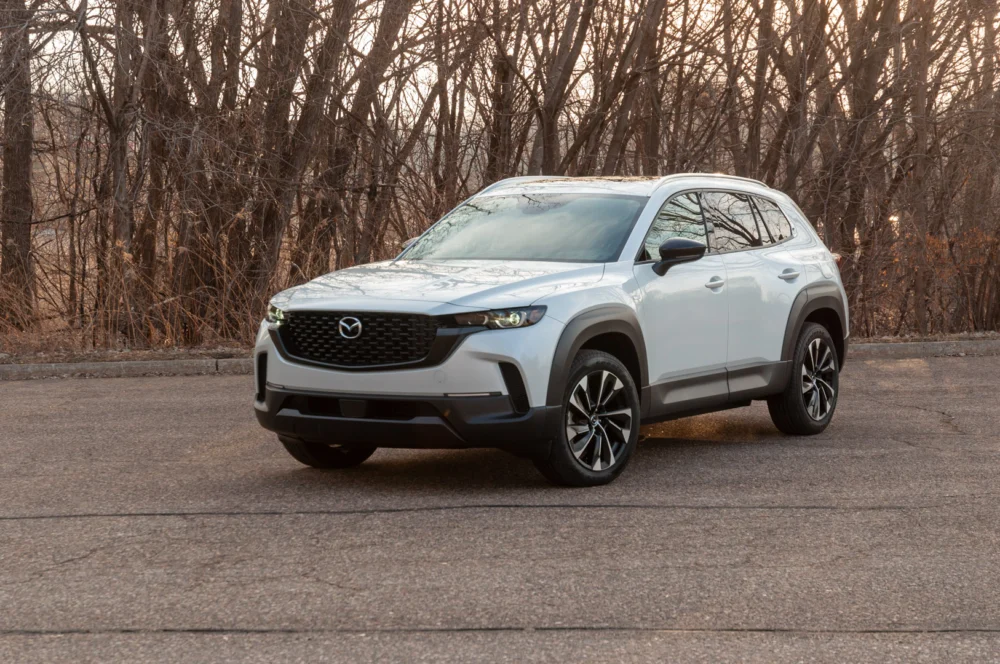
Mazda, a brand celebrated for its "zoom-zoom" driving dynamics and a consistent push towards a premium aesthetic, has often carved out a niche for itself by offering vehicles that prioritize driver engagement and sophisticated design. The CX-50, introduced as a more rugged, adventure-oriented sibling to the urban-focused CX-5, already presented a slightly different take on Mazda’s philosophy. Its wider stance and lower roofline suggested a vehicle more suited for light off-roading and outdoor lifestyles, yet its interior packaging carried some inherent limitations. The introduction of a hybrid powertrain, sourced directly from Toyota, marks a significant strategic move for Mazda, leveraging a proven, efficient system to bolster its environmental credentials and appeal to a broader, more fuel-conscious audience. However, the integration of this system into the CX-50 chassis has, by several accounts, introduced unexpected issues, creating a vehicle that is arguably the most practical in Mazda’s current portfolio from a value-focused perspective, but one that fails to ignite passion or deliver the polished experience typically associated with either Mazda or Toyota’s hybrid offerings.
After a week of varied driving – including daily commutes and a weekend family road trip – the 2025 Mazda CX-50 Hybrid presented a clear duality of character, revealing both compelling advantages and frustrating shortcomings. This comprehensive review delves into the pros and cons, examining how Mazda’s ambition for efficiency collides with its design philosophy and the realities of integrating external technology.
Pro: The Hybrid is the Most Efficient 2025 Mazda CX-50 Model
Undoubtedly, the primary raison d’être for the CX-50 Hybrid is its superior fuel economy, and in this regard, it largely delivers. The heart of this efficiency comes from a sophisticated Toyota-sourced powertrain, essentially lifted straight from the highly successful RAV4 Hybrid. This system ingeniously combines a 2.5-liter inline-4 Atkinson-cycle engine with a planetary torque-split hybrid system. This setup features two electric motors working in concert with the gasoline engine, providing seamless power delivery and regenerative braking capabilities. Furthermore, an additional 54-hp electric motor is strategically placed at the rear wheels, providing on-demand all-wheel drive without a mechanical connection to the front axle – a hallmark of Toyota’s e-AWD system. Powering these electric motors is a compact 1.59-kWh nickel-metal-hydride (NiMH) battery pack, neatly tucked away beneath the rear seats. The combined output for this robust system is a healthy 219 horsepower and 163 lb-ft of torque, offering more than enough grunt for typical daily driving and highway merges.
The impact of this powertrain on fuel efficiency is stark and undeniable. The EPA rates the 2025 CX-50 Hybrid at an impressive 39 mpg in the city, 37 mpg on the highway, and a combined 38 mpg. To put this into perspective, the non-hybrid CX-50 models offer significantly lower figures: the standard 2.5-liter naturally aspirated engine achieves 25/31/28 mpg (city/highway/combined), while the more potent 2.5-liter turbo model drops further to 23/29/25 mpg. The hybrid variant thus represents a substantial leap in fuel economy, making it an attractive option for consumers looking to reduce their trips to the pump and lower their carbon footprint.

While the official EPA figures are commendable, real-world driving often yields slightly different results. During a test period encompassing 190 miles of mixed suburban driving, the trip computer indicated an average of 34.0 mpg, falling somewhat short of the combined EPA rating. Similarly, a 120-mile highway stretch, maintained at speeds exceeding 70 mph, saw the CX-50 Hybrid average 31.2 mpg. These real-world numbers, though lower than EPA estimates, are still exceptionally competitive within the compact SUV segment and represent a significant improvement over the non-hybrid CX-50. Factors such as aggressive driving, heavy use of climate control, specific traffic conditions, and even the vehicle’s break-in period can all influence observed fuel economy. Despite the slight discrepancy, the CX-50 Hybrid remains a class leader in efficiency, directly challenging rivals like the Honda CR-V Hybrid and Kia Sportage Hybrid. For many buyers, the long-term savings at the fuel pump will be a compelling argument, especially with volatile gasoline prices.
Con: Mazda CX-50 Hybrid Powertrain is Less Refined Than Toyota RAV4
Perhaps the most perplexing and disappointing aspect of the CX-50 Hybrid is the unexpected lack of powertrain refinement, especially given its Toyota lineage. The RAV4 Hybrid, which shares this very powertrain, is lauded for its smooth and quiet operation. However, in the CX-50 Hybrid, a noticeable "on- and off-again quiver" manifests at idle, palpable through the steering column, steering wheel, and even the front seat. This persistent vibration, even when stationary, detracts from the premium feel Mazda strives for.
The issues don’t subside once the vehicle is in motion. During acceleration, particularly when the throttle is engaged about three-quarters of the way, a distinct "driveline lash" or vibration permeates the entire car. This sensation feels akin to something not quite meshing correctly within the drivetrain, a jarring experience that disrupts the otherwise composed ride. These refinement issues were consistent throughout the week-long test, suggesting they are not isolated incidents but potentially systemic integration challenges. It’s crucial to emphasize that these are not characteristics typically associated with the Toyota RAV4 Hybrid, where the transition between electric and gasoline power is remarkably smooth and unobtrusive.
The discrepancy in refinement points to potential differences in how Mazda has integrated and calibrated the Toyota powertrain into its own chassis and control systems. Even with identical hardware, variations in engine mounts, transmission tuning, software calibration for power delivery, and noise, vibration, and harshness (NVH) engineering can lead to vastly different user experiences. Mazda’s engineers might have prioritized certain aspects of chassis rigidity or steering feel, inadvertently introducing resonance or vibration pathways that Toyota’s established hybrid platforms have meticulously engineered out. This lack of polish undermines Mazda’s premium aspirations and suggests that simply dropping a proven powertrain into a different vehicle isn’t a guaranteed recipe for success without extensive re-engineering and tuning specific to the new platform. For drivers accustomed to the seamless operation of modern hybrids, particularly those from Toyota, these refinement issues could be a significant deterrent.
Pro: Mazda CX-50 Hybrid is a Sleeper
In an era where many hybrid vehicles proudly display their eco-credentials with distinctive blue accents, aerodynamic tweaks, and prominent badging, the 2025 Mazda CX-50 Hybrid takes a refreshingly understated approach. This vehicle is a true "sleeper," subtly hiding its fuel-efficient powertrain beneath a familiar and attractive exterior. Unless one is a keen observer of Mazda’s specific trim details or spots the small, discreet "Hybrid" badge affixed to the front fender or rear tailgate, there’s nothing to immediately give away its electrified nature. This design philosophy aligns perfectly with Mazda’s "Kodo" (Soul of Motion) design language, which emphasizes elegant simplicity, flowing lines, and a sense of dynamic poise.

The CX-50 itself, with its broad shoulders, rugged cladding, and purposeful stance, already exudes a strong visual presence. It’s designed to look capable and adventurous, moving away from the more urban-centric aesthetic of the CX-5. The hybrid variant maintains this visual integrity entirely. There are no outlandish styling cues or aerodynamic compromises that scream "I bought the efficient one." This is a significant pro for buyers who desire the practical benefits of a hybrid – primarily the excellent fuel economy – without wanting to broadcast their environmental consciousness or drive a vehicle that looks overtly "different."
This subtle approach allows the CX-50 Hybrid to appeal to a broader demographic, including those who appreciate Mazda’s design ethos and driving dynamics but also recognize the financial and environmental advantages of hybridization. It means the CX-50 Hybrid fits seamlessly into the rest of the CX-50 lineup, offering a choice of powertrain rather than a distinct sub-model. For many, the ability to blend in while enjoying superior efficiency is a highly desirable trait, preserving the vehicle’s perceived value and aesthetic appeal without compromise. It’s a smart move by Mazda to offer a powerful, efficient SUV that doesn’t sacrifice style for substance, thereby attracting a segment of the market that might otherwise shy away from more overtly "green" vehicles.
Con: CX-50 Hybrid Compromises Compromised Packaging
One of the existing criticisms of the standard Mazda CX-50 is its rear-seat packaging, which many reviewers find to be less generous and comfortable than its sibling, the CX-5. Unfortunately, the introduction of the hybrid powertrain, specifically the placement of the battery pack, exacerbates these pre-existing issues. The 1.59-kWh nickel-metal-hydride battery is housed beneath the rear seats, necessitating a modification to the seating arrangement. While the CX-50 already featured a "stadium seating" design, where rear occupants sit slightly higher than those in front for a better view, the hybrid version adjusts this. Rear passengers now sit closer to the floor, yet simultaneously higher from the ground due to the battery’s presence. This ergonomic contortion results in a noticeable reduction in legroom compared to the non-hybrid CX-50. Given that the CX-50’s rear seat was already less comfortable than the CX-5’s due to its seat bottom position and overall dimensions, this additional compromise in the name of fuel economy is a significant drawback for families or those who frequently carry adult passengers in the back.
The issues aren’t confined to the rear. The front seats of the CX-50 are mounted on relatively tall brackets, which creates what several editors have described as a "booster-seat impression." This unusual positioning can feel unnatural and awkward within the overall cabin design. More critically, it impacts ingress and egress, particularly for taller individuals. During testing, both a reviewer’s father and a friend struggled to contort their torsos and backs sufficiently to slide into the front passenger seat without hitting their heads on the roofline. Grunts and groans were a common occurrence, highlighting a significant ergonomic flaw that compromises the user experience from the moment one attempts to enter the vehicle.
Mazda’s design philosophy often prioritizes sleek exterior lines and a connected driving feel over maximizing interior volume, a trade-off evident in many of their models. However, in the CX-50 Hybrid, these design choices, combined with the practical necessities of hybrid component integration, create a cabin that feels less accommodating than many competitors. For a family-oriented SUV, compromised rear legroom and difficult front-seat access can significantly detract from its practicality and appeal. This issue is particularly glaring when considering rivals like the Honda CR-V Hybrid or Toyota RAV4 Hybrid, which generally offer more spacious and user-friendly interiors. The CX-50 Hybrid, therefore, demands a concession on interior comfort and accessibility that many buyers in this segment may be unwilling to make.

Pro: CX-50 Hybrid Delivers Premium Look and Feel
Despite some of its functional shortcomings, the 2025 Mazda CX-50 Hybrid unequivocally upholds Mazda’s commitment to delivering a premium look and feel that punches well above its price point. This is a consistent strength across Mazda’s entire lineup, from the compact CX-30 to the larger CX-90, and the CX-50 Hybrid is no exception. Stepping inside the cabin, one is immediately greeted by an environment that feels considerably more upscale than many direct competitors.
Throughout the interior, soft-touch materials are generously applied, particularly on the dashboard, door panels, and center console, where many rivals resort to hard plastics. The dashboard itself features tasteful stitching, adding a layer of craftsmanship and visual sophistication. The seats, depending on the trim level, often come with elegant contrast piping, enhancing their visual appeal and comfort. Even the smaller details contribute to this premium ambiance: the climate and audio control knobs are beautifully knurled, providing a satisfying tactile experience that mimics higher-end luxury vehicles. This attention to detail in material selection and finish is a hallmark of Mazda’s strategy to position itself as a "premium mainstream" brand.
When compared directly to its segment rivals, the CX-50 Hybrid’s interior truly shines. It easily surpasses the interior quality of any Toyota RAV4, which, while functional and durable, often employs more utilitarian plastics and less visually appealing designs. Similarly, the CX-50 Hybrid’s cabin feels more refined and cohesive than that of a Kia Sportage, which, despite its modern aesthetic, can still feel a step below Mazda in terms of material richness and tactile feedback. This sophisticated interior design creates a serene and inviting atmosphere, making every journey feel a bit more special. For buyers who prioritize interior aesthetics, material quality, and a sense of refinement, the CX-50 Hybrid offers a compelling argument, providing an experience that often requires a significantly higher price tag from other brands. It’s a space where Mazda’s meticulous craftsmanship and design philosophy truly come to life, offering a tangible sense of value beyond mere features.
Con: The CX-50 Hybrid is Loud
While hybrid vehicles are generally expected to offer a quieter driving experience, particularly at lower speeds when operating on electric power, the 2025 Mazda CX-50 Hybrid unfortunately struggles with excessive cabin noise, especially at highway speeds. Around town, the vehicle performs adequately; the gasoline engine remains a subdued presence in the background, and electric-only operation is pleasantly quiet, provided the throttle isn’t aggressively floored. However, the tranquility quickly dissipates once the CX-50 Hybrid ventures onto the open road.
Above approximately 55 mph, a rather astonishing amount of wind noise becomes evident. This pervasive whooshing and buffeting sound appears to emanate primarily from the side mirrors and the A-pillar area, creating a constant, intrusive drone. The cabin, which feels so composed and premium at lower speeds, transforms into a surprisingly loud environment on the highway. This persistent wind noise forces occupants to raise their voices during conversations and makes it more challenging to fully appreciate the available Bose audio system, diminishing the overall long-distance comfort and premium feel that Mazda aims to deliver.

The source of this noise could be multifaceted. It might be attributed to the CX-50’s aerodynamic design, where exterior styling elements, such as the large side mirrors or the rake of the A-pillars, create turbulent airflow that translates into cabin noise. Alternatively, it could indicate insufficient sound deadening in critical areas, allowing external sounds to penetrate the passenger compartment more easily than expected for a vehicle in this class. Regardless of the precise cause, the elevated noise levels at highway speeds are a significant drawback, contradicting the expectation of refinement typically associated with both Mazda’s brand image and the inherent quietness of hybrid powertrains. For buyers who frequently undertake highway journeys or value a peaceful cabin environment, the CX-50 Hybrid’s loudness will be a notable compromise, detracting from what could otherwise be a pleasant driving experience.
Pricing and Value Proposition
The 2025 Mazda CX-50 Hybrid enters the market with a starting price that reflects its premium aspirations while remaining competitive. The base model begins at a reasonable $35,390, which includes a $1,420 destination charge. For the purposes of this review, the tested Premium Plus trim model commanded a price of $41,920. This higher trim level justifies its cost with a host of desirable features designed to enhance comfort, convenience, and technology. Key additions include a sophisticated head-up display (HUD) that projects vital driving information onto the windshield, elegant 19-inch alloy wheels that complement the CX-50’s rugged aesthetic, a high-fidelity Bose audio system for an immersive listening experience, and ventilated front seats, a welcome luxury during warmer climates.
In terms of market positioning, Mazda has strategically priced the CX-50 Hybrid to be a strong contender against its segment rivals. Notably, the tested CX-50 Hybrid Premium Plus undercuts a fully loaded Honda CR-V Hybrid Sport Touring model by $1,025. This aggressive pricing strategy makes the CX-50 Hybrid an attractive option for buyers seeking a premium experience and excellent fuel economy without necessarily paying top dollar. However, this price advantage must be weighed against the aforementioned compromises in powertrain refinement and interior packaging. While the CX-50 Hybrid offers a luxurious cabin feel and standout exterior design for its price point, the persistent vibrations, excessive road noise, and constrained rear seating might be deal-breakers for some.
The value proposition of the CX-50 Hybrid ultimately depends on a buyer’s priorities. For those who prioritize fuel efficiency, a distinctive design, and a high-quality interior ambiance above all else, and who can overlook the refinement and packaging issues, the CX-50 Hybrid offers a compelling package. Its competitive pricing, especially compared to rivals, makes it an accessible entry into the hybrid SUV market with a touch of Mazda’s signature style. However, for consumers who demand a completely polished driving experience, ample passenger space, and whisper-quiet highway cruising, the CX-50 Hybrid might only give them pause.
Conclusion and Future Outlook
The 2025 Mazda CX-50 Hybrid emerges as a vehicle of inherent contradictions. On one hand, it represents Mazda’s pragmatic response to the surging demand for fuel-efficient SUVs, leveraging Toyota’s proven hybrid technology to deliver segment-leading economy within its own lineup. Its undeniable strengths lie in its attractive, understated "sleeper" aesthetic, which maintains Mazda’s signature Kodo design language, and a truly premium interior that outshines many competitors in its class. For the buyer who prioritizes these elements and is seeking a stylish, efficient crossover with an upscale feel at a competitive price, the CX-50 Hybrid presents a compelling, if imperfect, choice.

However, the integration of the Toyota powertrain into the CX-50 chassis has regrettably introduced significant compromises that detract from the overall driving experience. The unexpected powertrain refinement issues – from the persistent quiver at idle to the unsettling driveline lash during acceleration – are particularly jarring, especially given the flawless operation of the same system in the Toyota RAV4. These issues, combined with the already compromised rear-seat packaging (further exacerbated by the battery placement) and a surprising amount of wind noise at highway speeds, create a driving experience that falls short of Mazda’s typical high standards for polish and refinement. It suggests that while the hybrid technology itself is robust, its adaptation into the CX-50 platform was not as seamless as one might hope.
Ultimately, the 2025 Mazda CX-50 Hybrid is a practical solution to a market need, but it feels like a stop-gap measure rather than a fully realized vision. It offers Mazda buyers a hybrid option in the segment, but it leaves many questions unanswered about the brand’s commitment to hybrid refinement. The lingering disappointment stems from the fact that a vehicle with so much potential, combining Mazda’s flair with Toyota’s efficiency, stumbles on fundamental aspects of execution. The hope for a more harmonious blend of efficiency and Mazda’s acclaimed driving dynamics now rests on the horizon, with the anticipation of Mazda’s upcoming, in-house developed hybrid system slated for the next-generation CX-5. Until then, the CX-50 Hybrid serves as a stark reminder that even the most promising collaborations require meticulous engineering and a holistic approach to deliver a truly satisfying product.
2025 Mazda CX-50 Hybrid Premium Plus
Base price: $35,390 including $1,420 destination charge
Price as tested: $41,920

Powertrain: 219-hp hybrid system, all-wheel drive
EPA fuel economy: 39/37/38 mpg (city/highway/combined)
The hits: Sleeper hybrid status, sharp design, premium materials, undercuts CR-V Hybrid pricing, best fuel economy of any CX-50
The misses: Powertrain refinement issues, compromised seating, loud inside
