
 By admin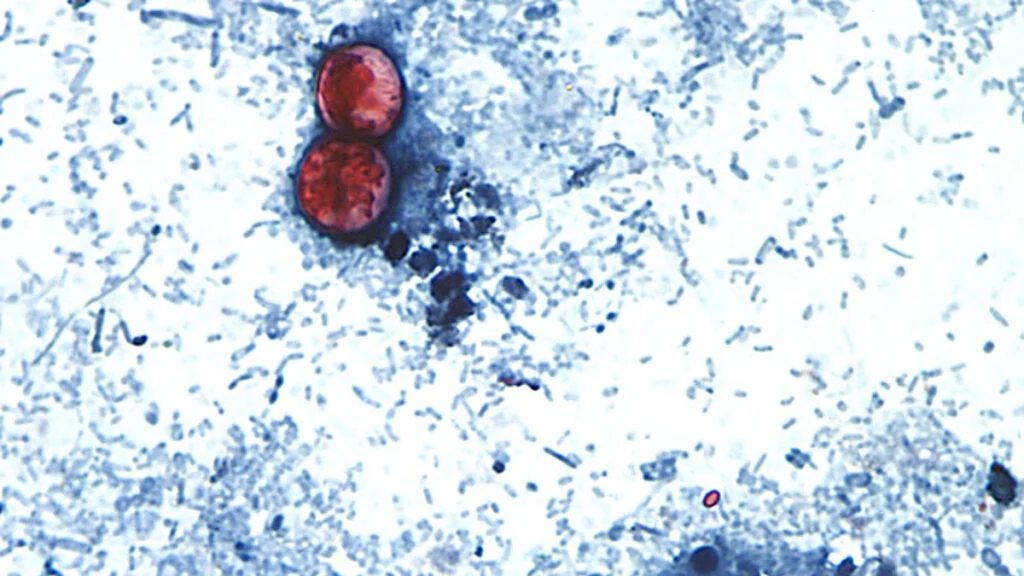
Federal health officials have launched a comprehensive investigation into a burgeoning outbreak of Cyclospora, a microscopic, diarrhea-causing parasite that has sickened at least 72 individuals across the United States as of Wednesday. The Food and Drug Administration (FDA), in collaboration with the Centers for Disease Control and Prevention (CDC), is currently working to identify the specific food products responsible for this latest cluster of illnesses. While the investigation is in its preliminary stages, officials have not yet released a geographical breakdown of where the cases are concentrated, nor have they pinpointed a common point of exposure for the affected patients. This new development comes amid an already heightened state of vigilance for food safety authorities, who are simultaneously managing separate, unrelated clusters of the same parasitic infection.
Cyclospora cayetanensis is a protozoan parasite that causes an intestinal illness known as cyclosporiasis. Unlike many bacterial foodborne pathogens, such as Salmonella or E. coli, Cyclospora is a complex organism that is typically transmitted when food or water becomes contaminated with human feces. This contamination most frequently occurs in agricultural settings where produce is irrigated or processed using water tainted by sewage, or when infected workers handle the crops without proper sanitation. The parasite is unique in that it is not immediately infectious when passed in the stool; it requires days to weeks outside the host under specific environmental conditions to become "sporulated" and capable of infecting another person. This delay often complicates trace-back efforts, as the window between contamination, consumption, and the onset of symptoms can span several weeks.
The emergence of these 72 cases follows closely on the heels of a separate, multistate outbreak that federal officials have linked to iceberg lettuce from Taylor Farms. Earlier this week, the FDA and CDC confirmed that their focus remains steadfast on the Taylor Farms supply chain as the source of that specific cluster. In response to the findings, Taylor Farms announced a voluntary recall of iceberg lettuce grown in central Mexico, which was distributed to various foodservice and retail outlets. It is important to note that health officials are treating the current 72-case outbreak as a distinct event from the Taylor Farms incident, although both highlight the recurring vulnerability of the leafy green supply chain to parasitic contamination during the spring and summer months.
The symptoms of cyclosporiasis are notoriously grueling and can be debilitating for those with weakened immune systems. According to the CDC, the hallmark of the infection is watery diarrhea, which can be frequent and at times explosive. Other common symptoms include loss of appetite, significant weight loss, stomach cramps, bloating, increased gas, nausea, and extreme fatigue. Some patients may also experience vomiting, body aches, and low-grade fever. If left untreated, the illness can persist for several weeks or even months, often following a relapsing pattern where the patient appears to recover only to have the symptoms return. Because these symptoms mimic other gastrointestinal distress, many cases go undiagnosed unless a specific stool test for Cyclospora is requested by a healthcare provider.
The investigation process for a Cyclospora outbreak is a multi-agency effort involving the FDA’s Coordinated Outbreak Response and Evaluation (CORE) Network. When a cluster of illnesses is identified through the National Outbreak Reporting System, investigators begin the painstaking process of interviewing patients about their "food histories"—what they ate and where they shopped in the weeks leading up to their illness. Because the incubation period for Cyclospora is roughly one to two weeks, patients often struggle to recall exactly what produce they consumed. This "recall bias" is one of the primary reasons why identifying the source of an outbreak can take weeks or months. Once a common food item is suspected, the FDA conducts "trace-back" investigations, following the supply chain from the retail store or restaurant back through distributors and processors to the specific farm or field where the product was grown.
Historical data suggests that Cyclospora outbreaks in the United States have become an annual occurrence, typically peaking between May and August. In previous years, outbreaks have been linked to a variety of imported fresh produce, including raspberries, basil, cilantro, snow peas, and various types of lettuce. The seasonal nature of the parasite is partly due to the climate in regions where these crops are grown during the U.S. "off-season," as well as the environmental conditions required for the parasite’s oocysts to mature. Over the last decade, the number of reported cases has risen significantly, a trend experts attribute to both an increase in the consumption of imported fresh produce and improved laboratory testing methods, such as DNA-based PCR testing, which allow for faster and more accurate detection of the parasite.
The challenge of managing Cyclospora is exacerbated by the globalized nature of the food supply. Produce grown in one country may be harvested, washed in a centralized facility, packaged, and shipped thousands of miles to consumers in another country within a matter of days. If the water used for irrigation or for cooling the produce is contaminated, the parasite can be spread across a massive volume of product. Furthermore, Cyclospora is known for its resilience. It is resistant to many common disinfectants, including chlorine, which is standard in many produce-washing operations. This means that even if a processing plant follows standard chemical sanitation protocols, the parasite may survive and remain on the surface of the food.
For consumers, the current outbreak serves as a stark reminder of the importance of food safety practices, though health experts acknowledge that preventing Cyclospora at home is difficult. Standard food safety advice includes washing all fruits and vegetables thoroughly under running water; however, because the parasite is "sticky" and can hide in the crevices of leafy greens or the skin of berries, washing alone is not a guaranteed method of removal. The CDC and FDA emphasize that hand hygiene is the most effective tool for preventing the spread of many pathogens. Notably, alcohol-based hand sanitizers, which became ubiquitous during the COVID-19 pandemic, are largely ineffective against Cyclospora. The parasite’s hardy outer shell protects it from the drying effects of alcohol. Instead, officials urge the public to use traditional soap and water, as the mechanical action of scrubbing and the chemical properties of soap are highly effective at dislodging and rinsing away the oocysts.
The medical community also plays a vital role in managing these outbreaks. Because the standard treatment for most bacterial diarrhea (such as Ciprofloxacin) does not work against Cyclospora, a specific diagnosis is required to prescribe the correct medication. The treatment of choice is a combination of two antibiotics, trimethoprim-sulfamethoxazole (commonly known as Bactrim, Septra, or Cotrim). For patients with sulfa allergies, alternative treatments are less established, making early detection and professional medical consultation essential. Public health officials encourage anyone experiencing prolonged or severe diarrheal illness to contact their doctor and specifically mention any recent consumption of fresh produce, particularly if they are aware of ongoing outbreaks.
As the FDA continues its probe into the 72 cases, the agency has signaled that it will provide updates as more definitive data becomes available. The investigation is currently leveraging high-tech tools, including genomic sequencing and environmental sampling, to find a match between the parasite found in patients and the parasite found in the environment or on food products. However, the clock is ticking; fresh produce has a limited shelf life, and by the time an outbreak is recognized, the contaminated lot of food has often already been consumed or discarded, leaving investigators to rely on "look-back" data and records from distributors.
In the broader context of public health, the recurring nature of Cyclospora outbreaks has prompted calls for stricter regulations on water quality and sanitation in agricultural regions, both domestically and abroad. The FDA’s Food Safety Modernization Act (FSMA) has introduced new standards for produce safety, focusing on the quality of irrigation water and the health and hygiene of farmworkers. Nevertheless, enforcing these standards across international borders remains a logistical and diplomatic challenge. Until more robust preventative measures are universally adopted, the burden of protection falls on a combination of regulatory oversight, industry accountability, and consumer awareness.
As this new outbreak unfolds, federal officials maintain that the public should remain calm but informed. While 72 cases represent a significant cluster, the rapid response of the FDA and CDC is designed to prevent the number from escalating into the hundreds or thousands. The ongoing investigation into the Taylor Farms recall and this new, unidentified source represents a two-pronged effort to clean up the national food supply and ensure that the summer produce season does not become synonymous with widespread illness. Updates will be issued as soon as the FDA’s CORE Network identifies a specific brand, retailer, or product associated with the 72 illnesses, allowing for targeted recalls and more specific consumer warnings.
