
 By Rifan Muazin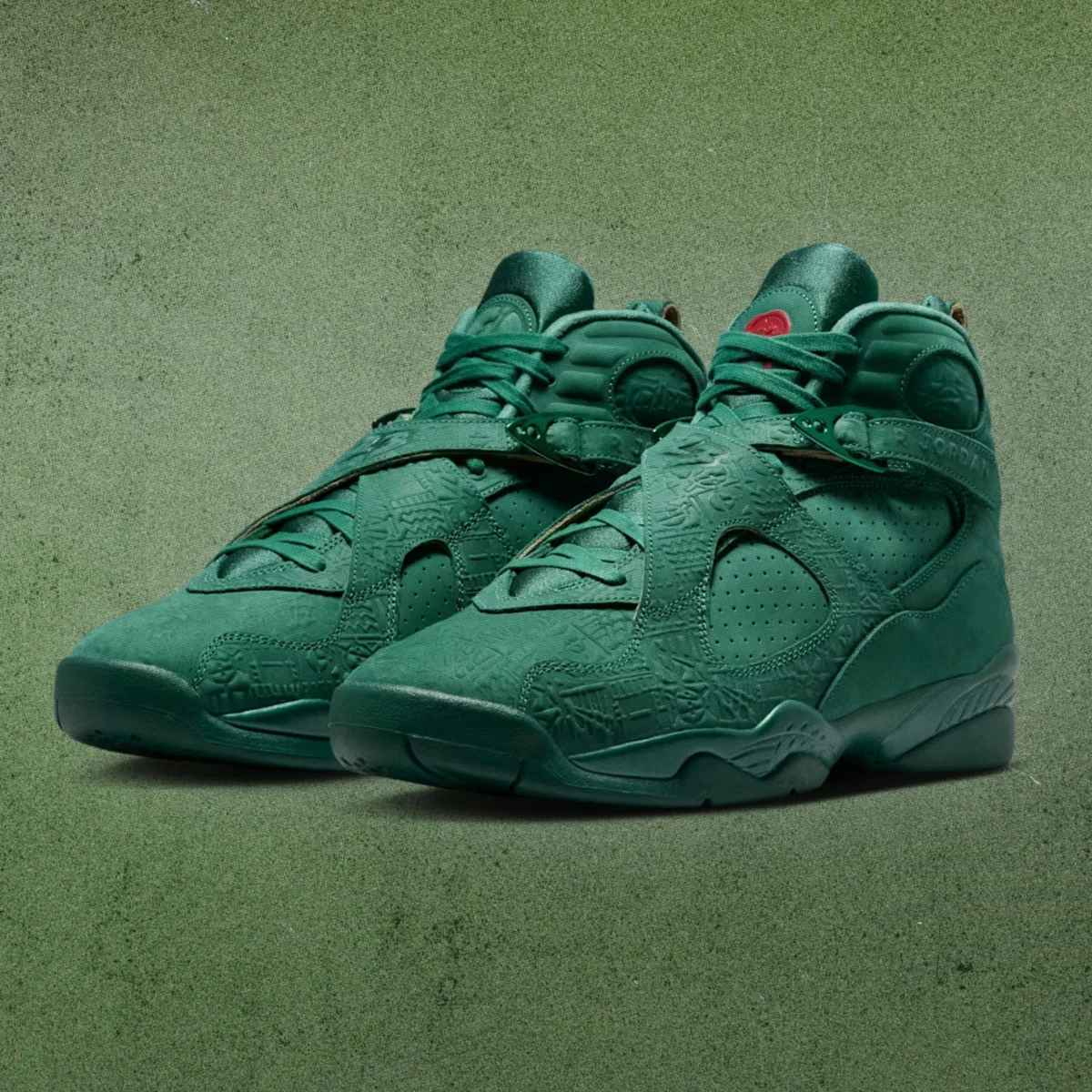
The ethos of Bin 23 was simple yet revolutionary for its time: take the most iconic silhouettes from the Air Jordan lineage and rebuild them using the highest quality materials available, regardless of the cost. This meant replacing standard synthetic leathers and meshes with lush suedes, croc-embossed skins, and premium tumbled leathers that felt more at home in a bespoke Italian workshop than on a basketball court. To further emphasize the exclusivity, each pair was released in strictly limited, numbered batches, often accompanied by cedar shoe trees for moisture control and shape retention, as well as premium dust bags and specialized packaging. This was luxury before "luxury sneakers" were a ubiquitous category, and for over a decade, the collection remained a dormant legend in the sneaker community.
The original run of the Bin 23 initiative was brief but impactful, lasting only from 2010 to 2011. During this period, only five silhouettes were granted the "Premio" distinction: the Air Jordan 2, 5, 13, 7, and 9. Each release carried a distinct personality. The Air Jordan 2 Premio, the first in the series, utilized a rich chocolate brown leather that echoed the aesthetic of a high-end dress shoe. The Air Jordan 13 took on a "Desert Clay" palette, while the Air Jordan 7 looked toward West African art for its color inspiration. The Air Jordan 5 was perhaps the most coveted, featuring a sleek black leather upper and the signature red wax "Bin 23" seal on the heel—a mark of quality that became the hallmark of the entire line. When the project was put on an indefinite hiatus in 2011, these shoes didn’t just maintain their value; they became "grails" in the truest sense of the word, often commanding thousands of dollars on the secondary market due to their extreme scarcity and the superior tactile experience they offered compared to standard releases.

For fifteen years, the Bin 23 line sat in the archives as Jordan Brand pivoted toward other strategies. The sneaker world changed around it. We saw the rise of the "remastered" initiative, the explosion of the Air Jordan 1 as a lifestyle staple, and the era of the mega-collaboration. Partners like Virgil Abloh’s Off-White, Travis Scott’s Cactus Jack, and luxury houses like Dior and A Ma Maniére began to fill the void that Bin 23 had left behind. These collaborations brought high-fashion sensibilities to the Jumpman, but they often relied on the cachet of the collaborator rather than the inherent luxury of the construction. However, during the 2024 NBA All-Star Weekend, Jordan Brand signaled a shift back to its internal prestige by surprise-releasing a burgundy-hued Air Jordan 3 under the Bin 23 banner. It was a clear message to the community: the Premio series was back, and it was ready to reclaim its throne.
This week, the resurgence continues with the introduction of the first-ever Air Jordan 8 to join the opulent Bin 23 lineup. The Air Jordan 8 "Bin 23" (officially styled in a "Legion Pine" colorway) is a masterful reinterpretation of a silhouette that has historically been one of the most complex and busy designs in the Jordan catalog. Originally designed by Tinker Hatfield and released in 1993, the Air Jordan 8 is famous for its heavy-duty cross-straps, chenille tongue patch, and graphic-heavy mudguards. In the hands of the Bin 23 team, this rugged performance beast has been transformed into a sophisticated lifestyle piece that feels deeply personal to Michael Jordan’s post-retirement life.
The "Legion Pine" colorway serves as a sophisticated nod to MJ’s enduring obsession with golf. The upper is draped in a deep, fairway-green leather that possesses a natural grain and a soft-to-the-touch finish. This lush greenery is contrasted by gold detailing that appears on the sockliner and subtly peeks out from beneath the silhouette’s signature cross-straps—a color pairing that evokes the prestigious imagery of the Masters Tournament and the manicured bunkers of a world-class golf course. While the iconic "23" logo remains embedded on the straps, the aesthetic is elevated through an intricate embossed pattern that runs across the leather upper, adding a layer of visual depth that is rarely seen on standard athletic footwear.
.jpg)
The material play on the Air Jordan 8 Bin 23 is a study in texture. Patches of premium nubuck leather provide a matte contrast to the slight sheen of the primary leather, while poly-satin elements on the interior and tongue add a touch of "sumptuousness" that ensures the shoe feels as good as it looks. One of the most striking deviations from the original 1993 design is the branding on the tongue. On the left shoe, the traditional Jumpman logo has been replaced by the iconic red wax Bin 23 stamp, signifying its place within this elite collection. The sole unit maintains the rich green tone of the upper, though it is broken up by an illustrative panel across the midfoot, maintaining the 8’s heritage of bold, artistic outsole designs.
The release of the Air Jordan 8 "Bin 23" comes at a pivotal moment for the sneaker industry. Following years of "lazy" retros and an oversaturation of colorways that often felt repetitive, consumers have begun to show signs of fatigue. The resale market has cooled, and enthusiasts are becoming more discerning, looking for products that offer genuine value, storytelling, and rarity. By limiting the production of the Air Jordan 8 Bin 23 to a rumored 2,300 pairs globally, Jordan Brand is leaning back into the "scarcity principle" that built its legend. This isn’t just about making a shoe hard to get; it’s about making a shoe that feels "considered." In an age of mass production, the idea of a numbered, small-batch sneaker feels vital and refreshing.
From an analytical perspective, the $350 price tag is significant. While high for a standard basketball shoe, it sits in a strategic middle ground between the $210 price point of a standard "Retro+" release and the $2,000+ entry point of a Dior or Louis Vuitton collaboration. It is a "bridge" luxury product—designed for the collector who values the heritage of the Jordan Brand but wants a level of quality that exceeds the typical retail offering. For Jordan Brand, the Bin 23 line serves as an important "halo" project. It allows the brand’s designers to flex their muscles and work with materials that aren’t feasible for a general release of 500,000 pairs. It reinforces the idea that the Jumpman logo is not just a sports icon, but a symbol of excellence and luxury.
.jpg)
As the release date approaches, the anticipation within the community is palpable. The Air Jordan 8 "Bin 23" is scheduled to drop via Nike’s SNKRS platform on Friday, July 24, at 10 a.m. EST. Given the limited nature of the release—only 2,300 pairs—this will undoubtedly be one of the most difficult "gets" of the year. For those lucky enough to secure a pair, the advice from purists is clear: wear them. The beauty of the Bin 23 series has always been in how the premium materials age and patina over time, much like the fine wines that inspired the collection in the first place. These are not shoes meant to sit in a shrink-wrapped box; they are meant to be experienced.
Looking forward, the revival of the Bin 23 initiative suggests that Jordan Brand may have more prestige releases in the pipeline. With the 3 and the 8 now officially added to the "new era" of the collection, fans are already speculating on which silhouette might be next. Could we see a Bin 23 version of the Air Jordan 1, or perhaps the 11? Whatever the future holds, the current trajectory indicates a return to form for a brand that, for a moment, seemed to have forgotten the power of pure, unadulterated quality. The Air Jordan 8 "Bin 23" is more than just a new colorway; it is a testament to the enduring legacy of Michael Jordan and a reminder that true luxury is defined by the details. In a world of fast fashion and fleeting trends, the Bin 23 collection stands as a monument to the idea that some things are worth the wait, worth the price, and certainly worth the hunt.
