
 By admin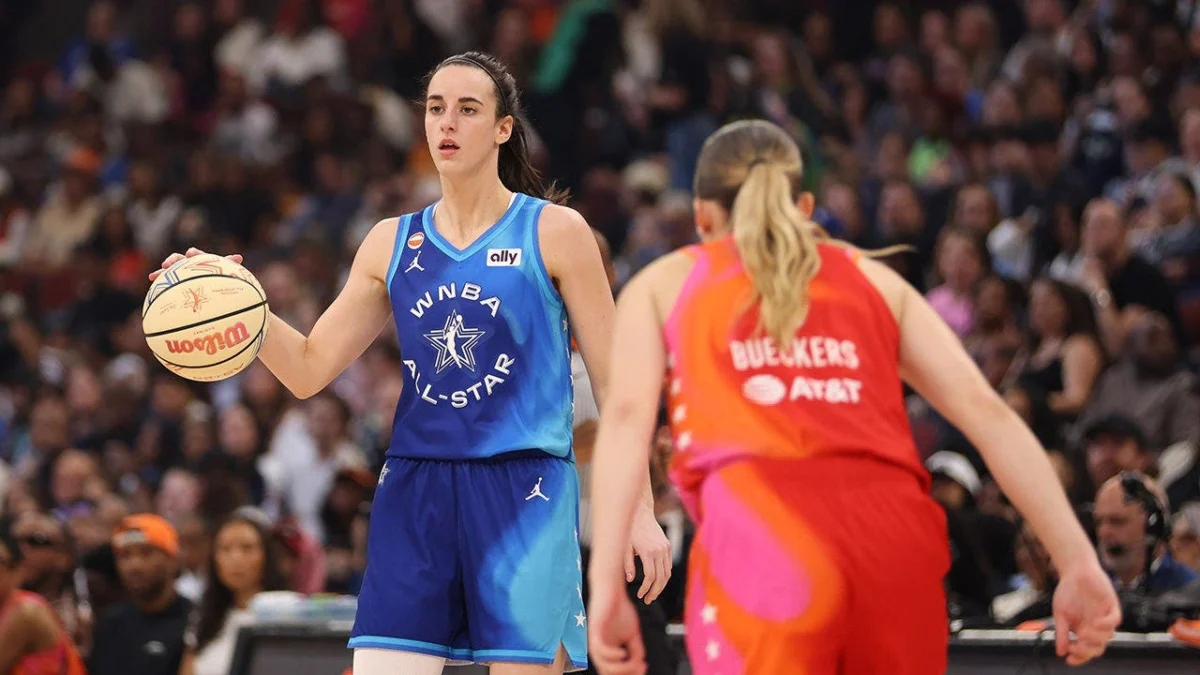
The WNBA, celebrating its landmark 30th season, brought its annual All-Star Game spectacle back to Chicago on Saturday night, marking the first time the city has hosted the prestigious event since 2022. The electric atmosphere at the United Center was palpable, as a record-breaking crowd of 19,783 fans witnessed a high-octane offensive display that ultimately saw Team Spoon, led by a stellar all-around performance from Jonquel Jones, emerge victorious over Team Coop with a final score of 129-122.
Jonquel Jones, a dominant force for much of the game, was deservedly named the Most Valuable Player, etching her name in the WNBA’s history books. Her stat line was nothing short of remarkable, as she poured in 22 points, hauled down an impressive 13 rebounds, and dished out 8 assists. This triple-double-adjacent performance showcased her versatility and leadership, proving to be the catalyst for her team’s success in a contest that, by design, prioritized offensive fireworks over defensive intensity. The game was a testament to the league’s offensive evolution, with a staggering 127 three-point attempts taken by both teams, reflecting the modern era of basketball.
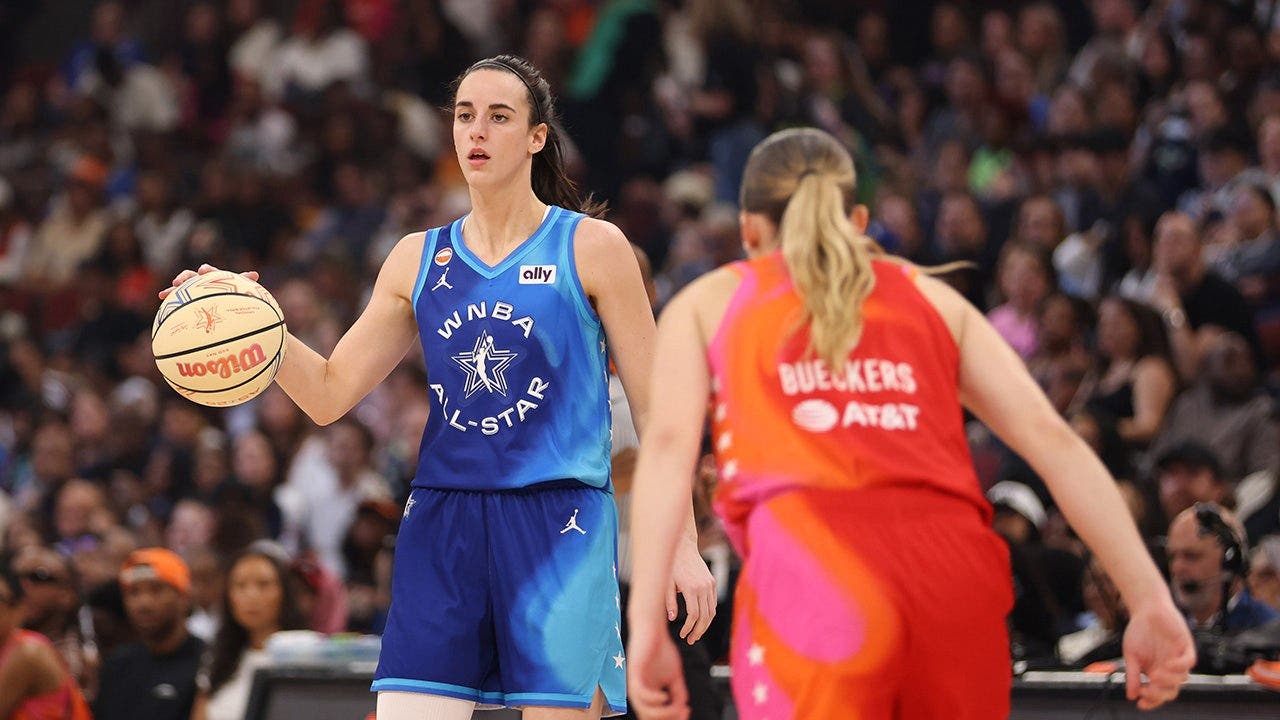
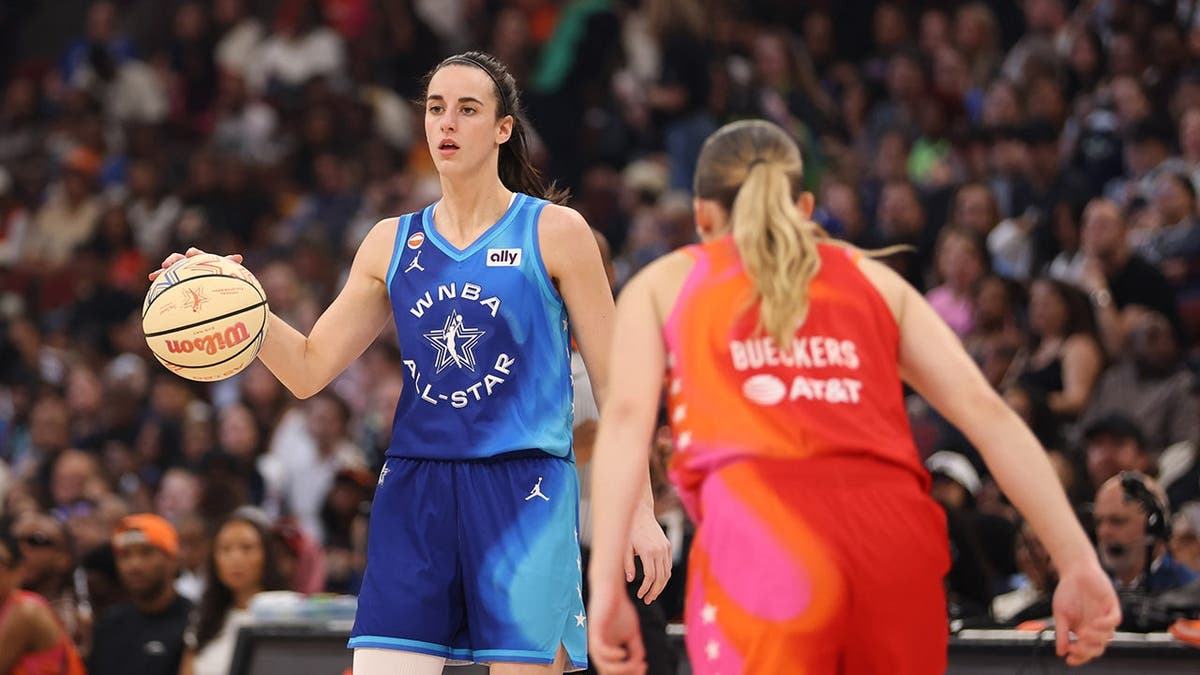
Beyond Jones’ MVP performance, Team Spoon boasted a deep and talented roster that contributed significantly to their scoring output. Eight players from Team Spoon managed to score in double figures, highlighting the balanced offensive attack. Allisha Gray was a significant contributor, adding 19 points to the winning effort, while the league’s burgeoning superstar, Caitlin Clark, continued to impress in her All-Star debut, finishing with 17 points. Clark’s presence alone has injected a new level of excitement and viewership into the league, and her performance in the All-Star Game, while not leading in scoring, demonstrated her ability to impact the game in multiple ways.
The choice of Chicago as the host city for this milestone event underscored the league’s connection to its vibrant fan base and its historical significance. The United Center, a storied venue that has been home to the Chicago Bulls for decades, provided a grand stage for the WNBA’s brightest stars. The atmosphere was electric, a far cry from the more intimate setting of the Wintrust Arena, where the 3-point contest and Shooting Stars competition were held the previous night. This strategic decision to host different events at different venues allowed for a more tailored experience for each competition, with the All-Star Game benefiting from the larger capacity and iconic status of the United Center.
The WNBA’s 30th season is a significant moment, representing three decades of growth, resilience, and the unwavering dedication of its athletes. From its inception in 1996, the league has consistently championed women’s sports, providing a platform for unparalleled talent and inspiring a new generation of athletes and fans. The current season has been particularly notable, with increased media attention, record attendance figures, and a surge in popularity that many attribute to the influx of exciting young talent like Caitlin Clark. This All-Star Game served as a fitting celebration of that legacy and a vibrant preview of the league’s promising future.
One of the most talked-about moments of the game, and indeed the weekend, came in the second quarter when Dominique Malonga of Team Coop etched her name in the WNBA record books with a spectacular dunk. Receiving a pass from fellow rising star Angel Reese of the Atlanta Dream, the 6-foot-6 center for the Seattle Storm soared through the air and slammed the ball through the hoop. This historic play marked Malonga as the seventh player in league history to successfully dunk in an All-Star Game. The WNBA confirmed that the 20-year-old Malonga is now the youngest player ever to achieve this remarkable feat during the league’s marquee event, further cementing her status as a rising star.
The dunk itself was a moment of sheer athleticism and a powerful statement about the evolving capabilities of WNBA players. While dunks have become more commonplace in recent seasons, seeing it executed on the All-Star stage, particularly by a young player like Malonga, generated considerable buzz and excitement. It’s a testament to the league’s commitment to showcasing the athleticism and skill of its players, pushing the boundaries of what was once thought possible in women’s basketball. The visual of Malonga’s powerful dunk against the backdrop of a roaring crowd at the United Center will undoubtedly become an iconic image in WNBA history.
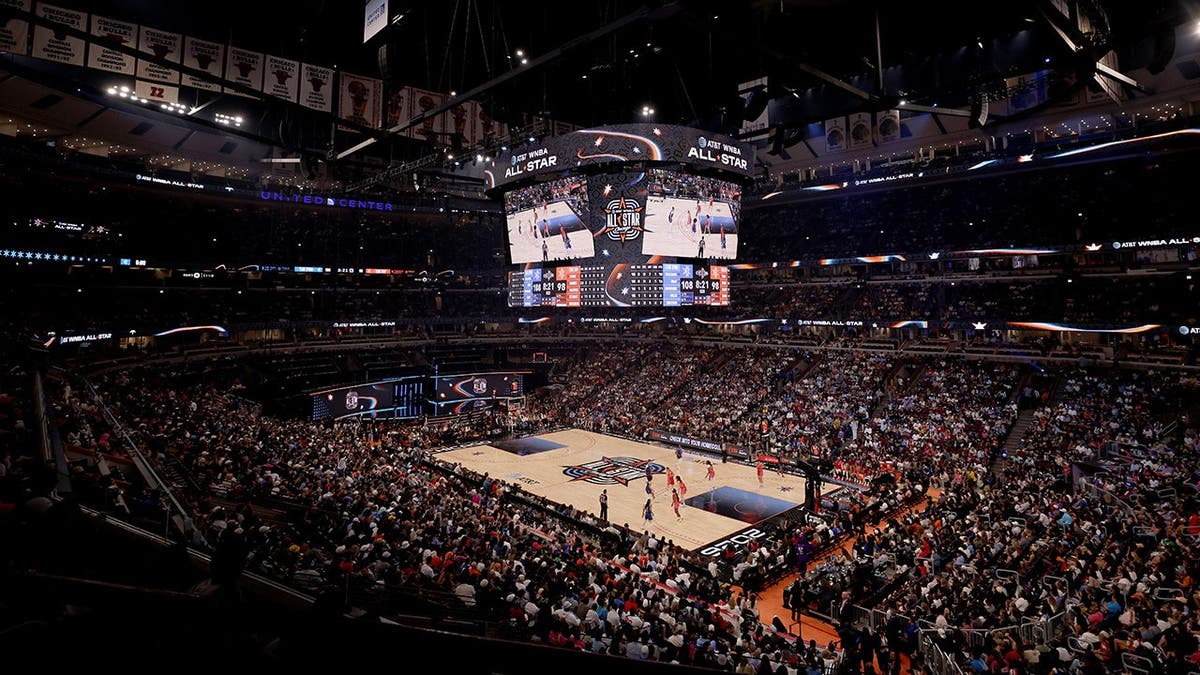
The WNBA All-Star Game has always been a platform for showcasing the league’s talent, but this year’s iteration felt particularly significant, amplified by the league’s ongoing 30th-anniversary celebrations. The energy surrounding the event was undeniable, from the pre-game festivities to the final buzzer. The record attendance at the United Center is a clear indicator of the growing interest in the WNBA. This surge in popularity is not only a result of the exceptional talent on display but also a reflection of increased media coverage and strategic marketing efforts that have brought the league to a wider audience. The league’s digital presence, including its social media channels and partnerships with streaming platforms, has also played a crucial role in engaging younger demographics.
The success of the All-Star weekend, extending beyond the game itself to include events like the 3-point contest and Shooting Stars competition, highlights the WNBA’s dedication to creating a comprehensive and engaging fan experience. The performances in these ancillary events also contributed to the overall narrative of the weekend. For instance, the 3-point contest saw Azzi Fudd make history by becoming the first rookie to win the title, further underscoring the impact of the league’s incoming talent. These moments, big and small, all contribute to the rich tapestry of the WNBA’s ongoing evolution.
The strategic decision to hold the All-Star Game at the United Center, a venue with a capacity of over 20,000, was instrumental in setting a new attendance record. This surpasses previous attendance marks and signifies a growing demand for live WNBA action. Such high attendance figures not only translate to significant revenue for the league and its teams but also send a powerful message to potential sponsors and broadcast partners about the WNBA’s marketability and appeal. The economic impact of hosting such a high-profile event in a major city like Chicago cannot be overstated, benefiting local businesses and tourism.
The offensive nature of the game, while perhaps not satisfying to purists of defensive strategy, was perfectly aligned with the spirit of an exhibition event. The focus was on showcasing the offensive firepower and entertainment value that has become a hallmark of modern basketball. Players were encouraged to express themselves, take risks, and put on a show for the fans, and they certainly delivered. The sheer volume of three-point attempts is indicative of the league’s embrace of the long-range shot, a trend that has transformed basketball across all levels. This offensive freedom allowed stars like Jones and Gray to shine, and provided opportunities for emerging talents to make their mark.
Looking ahead, the WNBA’s 30th season, punctuated by this record-breaking All-Star Game in Chicago, sets a strong precedent for the remainder of the season and beyond. The league is experiencing a renaissance, driven by a combination of established stars, exciting rookies, and a growing, engaged fan base. The success of this event is not just a celebration of the past but a clear indicator of a bright and prosperous future for women’s professional basketball. The WNBA continues to break barriers and redefine expectations, proving its place as a premier professional sports league. The continued investment in marketing, player development, and fan engagement will be crucial in sustaining this momentum.
The narrative of this All-Star Game is one of celebration, achievement, and forward momentum. Jonquel Jones’ MVP performance, Dominique Malonga’s historic dunk, and the record-breaking attendance all contribute to a memorable weekend that perfectly encapsulates the WNBA’s 30-year journey and its exciting trajectory. The league’s commitment to showcasing its athletes’ skills, coupled with the growing support from fans and media, positions the WNBA for continued success and expansion in the years to come. The "beyond words" aspect of the WNBA’s impact is evident in the growing viewership, the increasing sponsorship deals, and the overall cultural significance the league is achieving. This 30th-anniversary celebration in Chicago was not just a game; it was a statement of the WNBA’s enduring power and its promising future.
The inclusion of the audio option for Fox News articles signifies a commitment to accessibility and catering to diverse consumption preferences. This feature allows a broader audience to engage with the news, whether they are commuting, multitasking, or simply prefer an auditory experience. For sports news, the ability to listen to game recaps and analyses can be particularly engaging, bringing the excitement of the event to life through narration. As the WNBA continues to grow, embracing such technological advancements will be key to reaching and retaining an ever-expanding fan base. The integration of audio not only enhances the user experience but also reflects the modern media landscape where content is consumed across multiple platforms and formats. This forward-thinking approach is emblematic of the WNBA’s own progressive spirit.
