
 By admin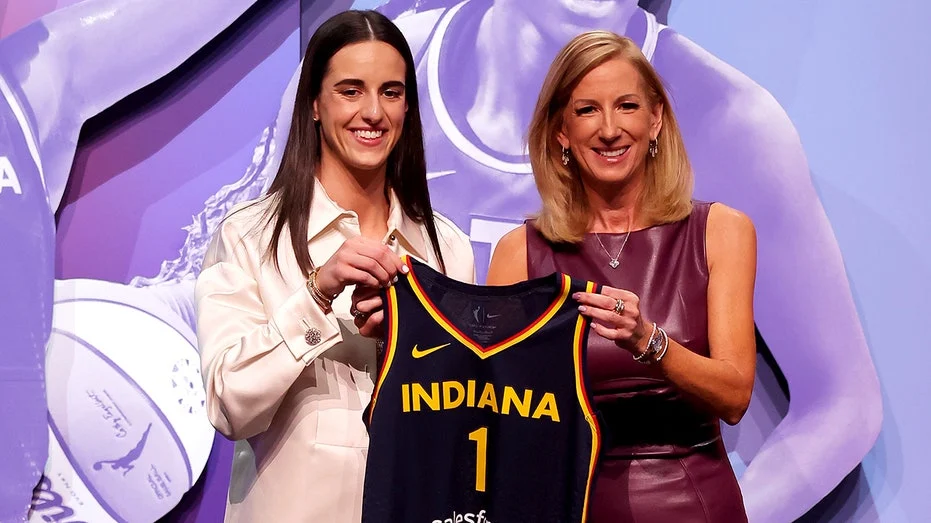
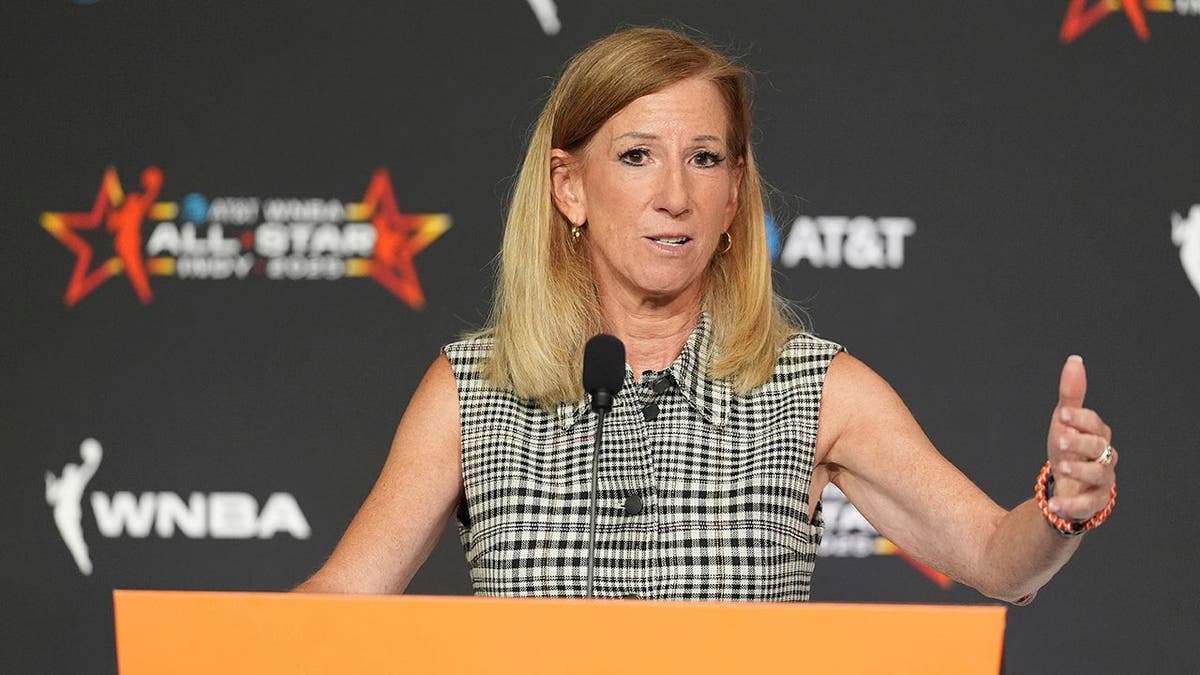
WNBA Commissioner Cathy Engelbert dedicated a significant portion of her address at the league’s All-Star game to confronting the escalating "harassment" directed at players. In a robust statement aimed at bolstering player welfare and public perception, Engelbert outlined the league’s commitment to implementing "next steps" that will comprehensively address "every aspect" of the player experience, encompassing their on-court performance, off-court lives, and digital interactions. This proactive stance comes as the league navigates a period of intense scrutiny and public discourse surrounding player safety and the nature of online interactions within the WNBA ecosystem.
"The racism, the misogyny, the homophobia, the harassment and threats directed to our players has no place in sport or anywhere else," Engelbert declared, underscoring the severity and pervasiveness of the issues. She candidly admitted that these troubling trends have intensified in recent weeks, though she also acknowledged their presence since her tenure began. "There’s more work to do, and we need to make sure we’re doing it," she emphasized, signaling a resolve to move beyond rhetoric and toward tangible solutions.
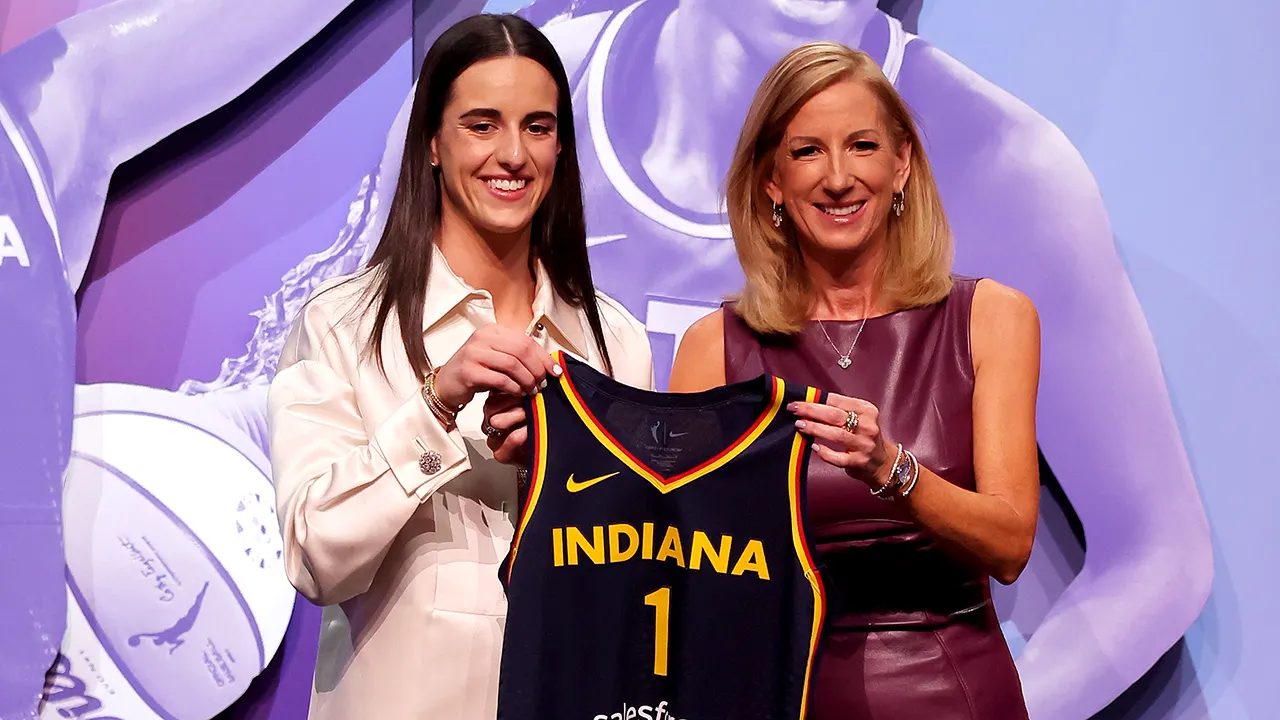
The commissioner’s remarks arrive at a critical juncture for the WNBA, a league experiencing unprecedented growth in popularity, largely fueled by the electrifying performances of collegiate superstar Caitlin Clark. Clark’s transition to the professional ranks has brought a surge of new fans and media attention, but it has also amplified existing tensions and brought to light new challenges. While the league celebrates its burgeoning success, the spotlight has inadvertently cast a harsher glare on the darker aspects of fan engagement and interpersonal dynamics within the sport.
Recent incidents have brought these concerns to the forefront. Many WNBA fans have voiced alarm over what they perceive as racially charged attacks targeting Caitlin Clark. A particularly contentious moment occurred on June 24th when Phoenix Mercury star Alyssa Thomas was involved in an incident where Clark was struck in the throat. This event, among others, has fueled discussions about the physicality of the game and the intent behind certain player interactions. Beyond on-court altercations, a significant wave of concern has also emerged regarding racially charged comments and outright threats directed at players online. This includes accusations of racist slurs being sent via direct messages to players like Aces star Chelsea Gray earlier this month, highlighting the insidious nature of online abuse.
These controversies have not gone unnoticed by external stakeholders. Critics have openly called for Engelbert’s resignation, questioning her leadership and the league’s handling of these sensitive issues over the course of her tenure and particularly in the current season. When pressed on the possibility of her continuing as commissioner into the 2027 season, Engelbert offered a non-committal response, stating, "I will just continue to just do my job, execute the strategy because it has been working," while expressing gratitude for leading the league during its "incredible hyper-growth period." This ambiguous answer did little to quell speculation regarding her future.
The WNBA’s growing prominence has also attracted the attention of lawmakers. A notable development was a letter dispatched to Commissioner Engelbert by eleven Republican lawmakers. This bipartisan group expressed their concerns and urged the WNBA to implement stronger measures to protect Caitlin Clark from physical aggression and perceived targeting. The letter underscored a broader societal concern about athlete safety and the responsibilities of sports leagues in safeguarding their players.
In her press conference, Engelbert directly addressed the issue of online harassment, particularly targeting what she termed "keyboard warriors." "Someone gave me this term, ‘keyboard warriors.’ They’re very, very adamant to get their messages through to our players, whether it’s through DMs, whether it’s through other means," she explained. She assured that the league intends to "attack it" and increase communication with players regarding these online threats. This acknowledgment of the digital threat underscores the evolving landscape of player safety, which now extends beyond physical arenas to the virtual world.
When questioned about enhancing transparency in investigations, fines, and suspensions, Engelbert remained guarded, repeatedly stating, "We have processes," without providing concrete details on how these procedures might become more accessible or understandable to the public. This lack of definitive answers on transparency has been a recurring theme in discussions surrounding the league’s response to recent controversies.
The press conference also avoided several specific contentious topics. Notably, Engelbert was not questioned about a recent USA Today column that drew parallels between Caitlin Clark’s experiences with physical play and controversial refereeing and the tragic murder of Emmett Till, a historical event deeply rooted in racial injustice. Furthermore, no direct questions were posed regarding the physical altercation between Alyssa Thomas and Caitlin Clark, nor about the letter from the GOP lawmakers. The absence of these specific inquiries suggests a strategic framing of the press conference by the league, focusing on broader themes of player welfare rather than dwelling on particular incidents.
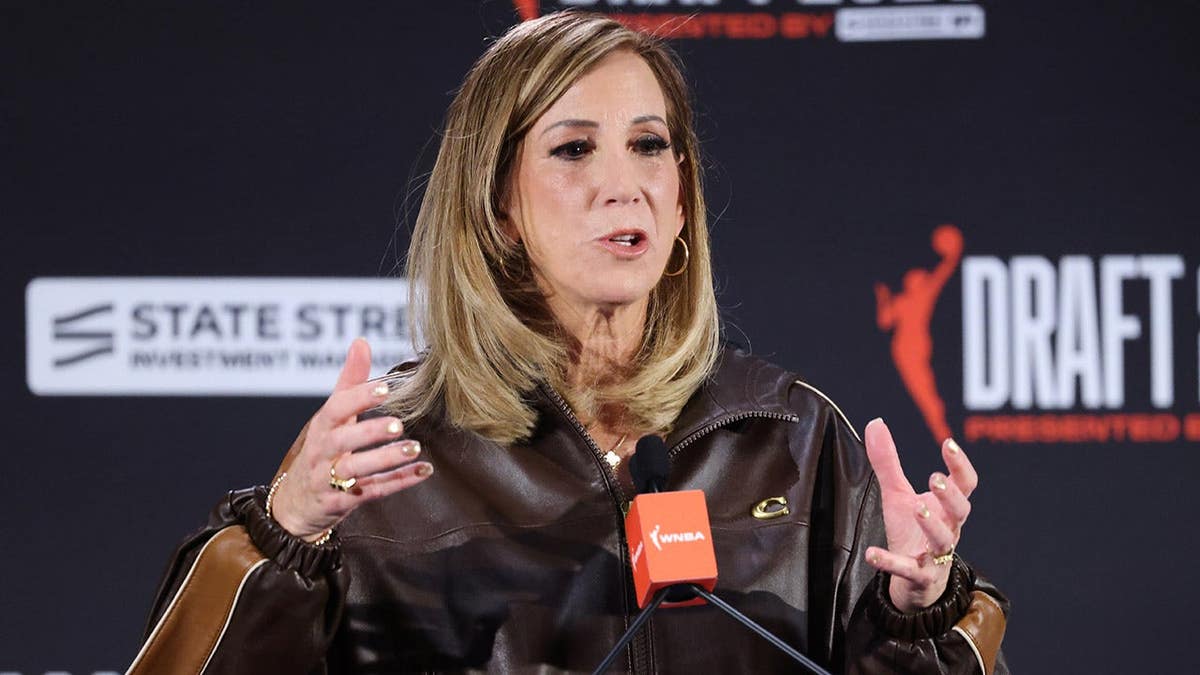
Engelbert did, however, announce a significant technological advancement for the league: the implementation of a full replay center, slated to begin operation in 2027. This initiative signals a commitment to leveraging technology to enhance officiating accuracy and, by extension, player safety and fair play. While this represents a concrete step forward, it does not directly address the immediate concerns regarding online harassment and interpersonal conflicts.
The commissioner’s comments about "keyboard warriors" and the league’s commitment to addressing player harassment are significant. The WNBA, like many professional sports leagues, is grappling with the dual challenge of capitalizing on newfound popularity while simultaneously mitigating the negative consequences that often accompany intense public scrutiny. The league’s trajectory, marked by record-breaking viewership and increased media coverage, is undeniably positive. However, the rising tide of online vitriol and the physical altercations on the court demand a robust and transparent response to ensure the sustained health and integrity of the league.
The recent surge in fan engagement, while beneficial for the WNBA’s economic prospects, has also created a platform for a vocal minority to express harmful sentiments. The league’s expansion and increased visibility have unfortunately attracted a segment of the audience that engages in trolling, harassment, and the spread of misinformation. This phenomenon is not unique to the WNBA, but it has become particularly acute given the league’s demographic and the intense media focus on its star players.
The "keyboard warriors" Engelbert referenced represent a growing concern for athletes across all sports. The anonymity afforded by the internet can embolden individuals to engage in behavior they would likely refrain from in face-to-face interactions. For WNBA players, who are often targets of both admiration and criticism, the constant barrage of online messages can take a significant toll on their mental and emotional well-being. The league’s commitment to enhancing player support systems and providing resources to combat online abuse is therefore crucial.
The commissioner’s acknowledgement of the historical context of racism, misogyny, and homophobia within sports is also important. These issues have long plagued athletic communities, and the WNBA, with its diverse player base and outspoken athletes, is particularly susceptible to their manifestation. By directly confronting these systemic problems, Engelbert signals a willingness to address the root causes of harassment, rather than merely treating the symptoms.
The ongoing debate surrounding player safety and accountability within the WNBA is multifaceted. It involves not only the actions of opposing players but also the conduct of fans, the effectiveness of officiating, and the league’s disciplinary procedures. The public’s demand for transparency in these areas is understandable, especially when dealing with incidents that have significant implications for player careers and the league’s reputation.
The introduction of a full replay center in 2027 is a positive step towards ensuring fairness and accuracy in game outcomes. This technological investment demonstrates a commitment to modernizing the league and improving the officiating experience. However, the efficacy of such a center will ultimately depend on its implementation and the league’s willingness to use its findings to inform disciplinary actions and, potentially, to provide greater clarity to the public about controversial calls.
The WNBA stands at a pivotal moment. The league’s unprecedented growth presents a golden opportunity to solidify its position as a premier professional sports entity. However, this growth is inextricably linked to its ability to foster a safe, respectful, and inclusive environment for its players. Commissioner Engelbert’s commitment to addressing harassment, while met with some skepticism due to a perceived lack of concrete action on certain fronts, is a necessary starting point. The league’s future success will hinge on its capacity to translate these pronouncements into tangible improvements in player welfare and a more transparent and accountable operational framework. The coming months and years will be critical in determining whether the WNBA can successfully navigate these complex challenges and emerge stronger and more resilient. The eyes of the sports world, and indeed a growing segment of the general public, will be watching closely to see how these promises are fulfilled.
