
 By admin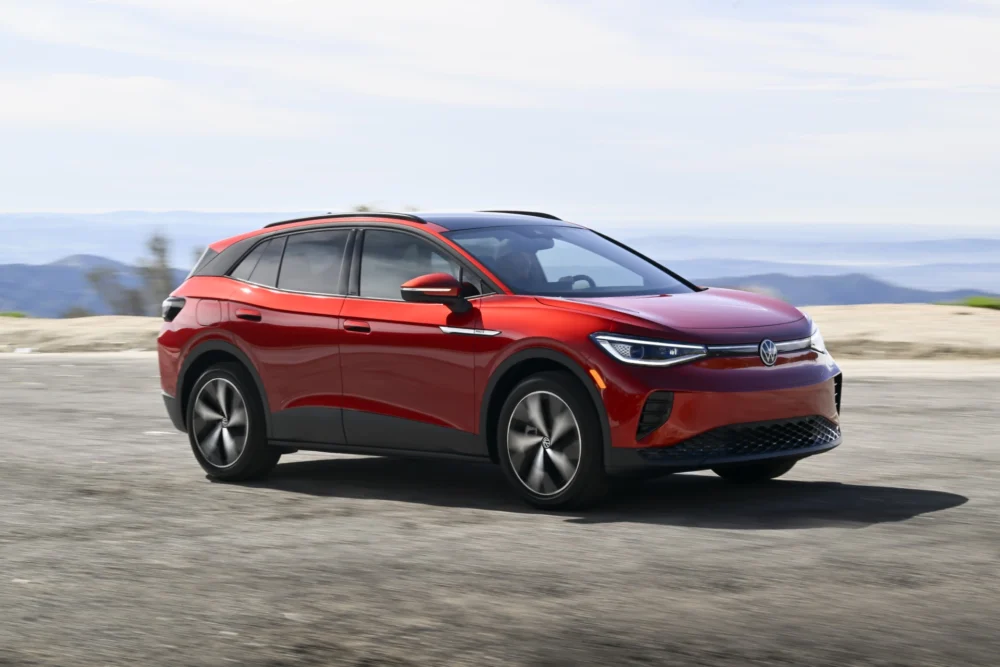
Volkswagen Group of America has announced a significant recall affecting 13,769 units of its popular electric vehicles, the 2024 Volkswagen ID.4 and the 2024-2025 Audi Q4 E-Tron and Q4 E-Tron Sportback models. The recall, dated March 18, 2025, centers on a critical but often overlooked component: the charging system for the 12-volt auxiliary battery. This issue, while not directly involving the high-voltage battery packs that propel these EVs, carries the potential for serious consequences, including sudden loss of power, electronic malfunctions, and the inability to restart the vehicle, as detailed in reports filed with the National Highway Traffic Safety Administration (NHTSA).
The Unsung Hero: The 12-Volt Battery in Electric Vehicles
In the age of sophisticated electric powertrains, it might seem counterintuitive that modern EVs still rely on a conventional 12-volt battery, the same type found in gasoline-powered cars for decades. However, this seemingly anachronistic component plays an absolutely vital role in the complex electrical architecture of an electric vehicle. While the large, high-voltage battery pack powers the electric motors, the 12-volt battery is responsible for energizing a myriad of crucial low-voltage systems. These include the vehicle’s infotainment system, headlights, wipers, power windows, central locking, airbags, critical safety features like ABS and traction control, and even the "start-up" sequence that primes the high-voltage system. Without a properly functioning 12-volt battery, an EV can become an expensive, immobile brick, regardless of the charge level in its main traction battery.
The system responsible for maintaining the charge of this auxiliary 12-volt battery is typically a DC-DC converter, which steps down the high voltage from the main battery pack to the 12-volt standard required by these ancillary systems. It acts as the "alternator" of an EV, constantly recharging the 12-volt battery while the vehicle is running and often when it’s plugged in. The current recall specifically targets this crucial charging system, highlighting its indispensable nature.
The Technical Flaw: Insufficient Protective Coating
According to the NHTSA, the root cause of this recall lies within the onboard charger designed to replenish the 12-volt battery. Specifically, the printed circuit board (PCB) within this component may have an "insufficient protective coating." Printed circuit boards are the backbone of modern electronics, featuring intricate pathways and mounted components that control various functions. To safeguard these delicate circuits from environmental factors like moisture, dust, and temperature fluctuations, manufacturers typically apply a protective conformal coating.
The absence or inadequacy of this coating creates a vulnerability. In environments where condensation can form – perhaps due to temperature changes, humidity, or even minor water ingress – moisture can penetrate the PCB. This moisture, often containing dissolved salts or impurities, can lead to several critical failures:
- Short Circuits: Water can bridge electrical pathways, causing unintended current flows that can damage components or trip protective systems.
- Corrosion: Over time, moisture can react with the metallic traces and solder joints on the PCB, leading to corrosion that degrades electrical conductivity and eventually causes component failure.
- Component Malfunction: Even without immediate short-circuiting, moisture can interfere with the proper operation of sensitive electronic components, leading to erratic behavior or complete failure.
In this scenario, a malfunction in the 12-volt battery’s onboard charger means the auxiliary battery will not receive the charge it needs, even if the main high-voltage battery is fully topped up. This progressive discharge of the 12-volt battery is what ultimately triggers the cascade of issues reported.
Consequences for Drivers: Warnings and Risks
The implications of a failing 12-volt battery charging system are far-reaching and can significantly impact vehicle operation and safety. As the 12-volt battery depletes, drivers may experience:
- Loss of Power Steering Assist: Modern electric power steering systems rely on 12-volt power. A failure here can make steering exceptionally heavy and difficult, especially at low speeds or during parking maneuvers, increasing the risk of an accident.
- Brake Assist Issues: While the main braking system is often hydraulic, electronic brake assist features, ABS, and stability control systems depend on the 12-volt supply. A malfunction could compromise braking performance or vehicle stability in critical situations.
- Electronic System Failures: The infotainment system, digital instrument cluster, climate control, and advanced driver-assistance systems (ADAS) like adaptive cruise control or lane-keeping assist could cease to function, degrading the driving experience and potentially safety.
- Inability to Restart: Perhaps the most frustrating consequence is being unable to restart the vehicle once it’s been shut off. A completely dead 12-volt battery will prevent the necessary initial power-up sequence, leaving the driver stranded.
- "Reduced Driving Functions": The NHTSA states that if a malfunction is detected, "the vehicle will provide several, major warnings to the driver, and the vehicle will experience reduced driving functions." This typically refers to the activation of a "limp home mode," where the vehicle’s power and speed are severely restricted to allow the driver to reach a safe location or service center. Dashboard warning lights, audible chimes, and messages on the central display would alert the driver to the critical situation. While limp home mode is a safety feature, it can still be alarming and dangerous if it activates unexpectedly in heavy traffic or at high speeds.
Regulatory Oversight: NHTSA’s Role
The National Highway Traffic Safety Administration (NHTSA) plays a crucial role in vehicle safety in the United States. Its mandate includes setting and enforcing safety standards, investigating safety defects, and facilitating vehicle recalls. When a manufacturer or the NHTSA identifies a potential safety defect, a formal investigation is initiated. If a defect posing an unreasonable risk to safety is confirmed, a recall is issued. This process ensures that manufacturers take responsibility for rectifying design or manufacturing flaws that could endanger vehicle occupants or other road users. The detailed filings with the NHTSA provide transparency and ensure that the public is informed about potential risks and the steps being taken to mitigate them.
Volkswagen Group’s Response and Remedy
In response to this identified defect, Volkswagen Group of America is instructing its dealers to replace the faulty onboard charger for the 12-volt battery free of charge for all affected vehicles. This standard industry practice ensures that owners are not burdened with the cost of a manufacturing defect. Given that all involved vehicles – the 2024 Volkswagen ID.4 and 2024-2025 Audi Q4 E-Tron and Q4 E-Tron Sportback models – are relatively new, they are still well within their factory warranty periods. As such, Volkswagen and Audi do not anticipate having to reimburse customers for any related costs, as the repairs will be covered under warranty.
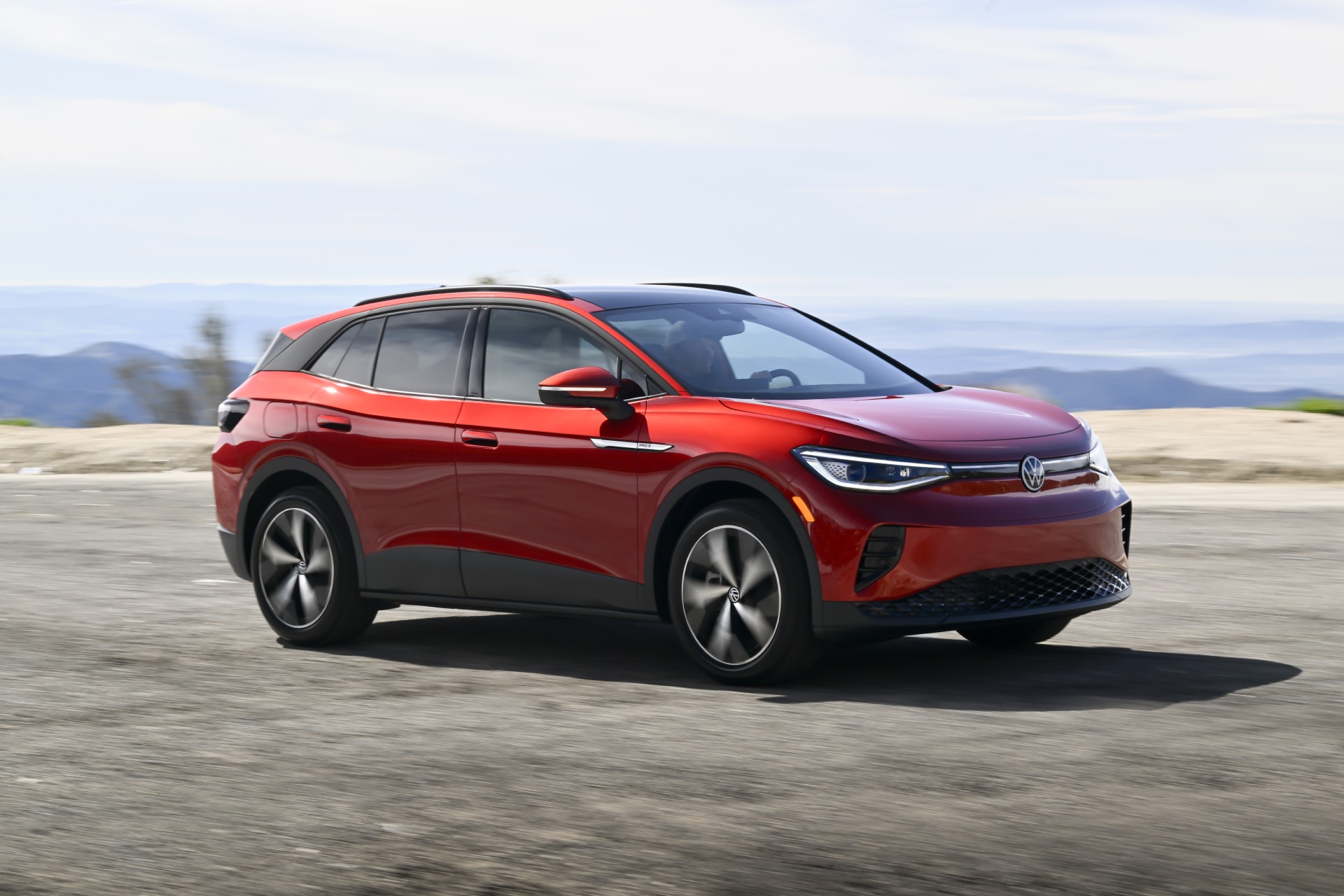
To inform affected owners, both Volkswagen and Audi plan to mail owner notification letters on April 29. Owners of Volkswagen ID.4 vehicles can seek further information by calling the brand’s customer service department at 1-800-893-5298 or by visiting its dedicated recall website (vw.com/en/owners-and-services/about-my-vehicle/recalls.html). Volkswagen’s specific reference number for this recall is 93CJ. Audi Q4 E-Tron owners can contact Audi’s customer service department at 1-800-253-2834 or visit its recall site (web.audiusa.com/recall/). Audi’s reference number for this recall is 93FR. It is always advisable for owners to check their vehicle’s VIN on these recall websites to confirm if their specific car is included in the campaign.
The MEB Platform and Shared Challenges
This latest recall is particularly notable because it affects two closely related models, the Volkswagen ID.4 and the Audi Q4 E-Tron, which both share the Volkswagen Group’s modular electric drive matrix, or MEB platform. The MEB platform is a highly flexible architecture designed to underpin a wide range of electric vehicles across various VW Group brands. While platform sharing offers significant advantages in terms of economies of scale, development costs, and production efficiency, it also means that a defect in a shared component or system can lead to widespread recalls affecting multiple models simultaneously. This recall underscores the inherent interconnectedness of modern automotive engineering and the challenges of ensuring quality control across a vast supply chain for shared platforms.
A Pattern of Recalls: Broader Implications
This is not the first time the ID.4 and Q4 E-Tron have been subject to recall campaigns. The Volkswagen Group has faced a series of quality control issues with its new generation of electric vehicles, leading to multiple recalls in a relatively short period.
Earlier this month, both brands announced a recall affecting a staggering 60,490 vehicles, including the ID.4 and Q4 E-Tron, due to a software error. This flaw could prevent mandatory gear indicators (P, R, N, D) from displaying correctly in the instrument cluster. While seemingly minor, the inability to confirm the selected gear poses a safety risk, as drivers might inadvertently shift into the wrong gear, leading to unintended vehicle movement or difficulty in parking, potentially causing accidents.
Furthermore, Volkswagen had only just restarted sales of the ID.4 after a prior recall related to faulty door handles. This issue, which involved door handles that could fail to operate correctly, posed risks both for vehicle security and, more critically, for emergency egress in the event of an accident. Such a defect could trap occupants inside the vehicle, making it a serious safety concern.
This succession of recalls – from door handles to software glitches to now a critical 12-volt charging system issue – highlights the significant challenges faced by legacy automakers as they transition to large-scale EV production. Developing entirely new platforms, integrating complex software, and managing global supply chains for novel components are immense undertakings. While recalls are a standard part of the automotive industry, a concentrated series of them for new, flagship EV models can erode consumer confidence, impact brand reputation, and potentially slow the adoption rate of electric vehicles. Consumers expect reliability and seamless performance from new technology, and repeated quality issues can undermine trust, even for established brands like Volkswagen and Audi.
Navigating a New Era: EV Manufacturing Complexities
The transition to electric vehicles involves not just a change in propulsion but a fundamental re-engineering of the entire automobile. This includes complex battery management systems, advanced power electronics, intricate software architectures, and novel component integration. Each of these areas presents new challenges for design, manufacturing, and quality assurance.
The current recall concerning the protective coating on a printed circuit board is a classic example of a manufacturing quality control issue, potentially stemming from supplier oversight or inadequate testing protocols. In the fast-paced world of EV development, where speed to market is critical, ensuring robust quality checks at every stage, from component sourcing to final assembly, becomes paramount.
Guidance for Owners
For owners of affected 2024 Volkswagen ID.4 and 2024-2025 Audi Q4 E-Tron/Q4 E-Tron Sportback models, the most important action is to respond promptly to the recall notification. Even if you haven’t experienced any symptoms, the defect exists and could manifest at any time.
- Check Your VIN: Use the provided recall websites (VW or Audi) and enter your Vehicle Identification Number (VIN) to confirm if your specific car is part of the recall.
- Schedule Service: Once confirmed, contact your authorized Volkswagen or Audi dealer to schedule the replacement of the onboard charger. The repair will be free of charge.
- Monitor for Symptoms: Pay attention to any unusual warnings on your dashboard, electronic glitches, or difficulty starting the vehicle. If you experience any of these symptoms before receiving your notification or having the repair done, contact your dealer immediately and avoid driving the vehicle if you suspect a critical system failure.
- Keep Records: Retain any documentation related to the recall and repair for your records.
Looking Ahead
This recall serves as a critical reminder for both manufacturers and consumers about the evolving landscape of automotive technology. For Volkswagen Group, it underscores the need for even more stringent quality control measures, particularly for components sourced from external suppliers and those critical to the basic functionality of the vehicle. Enhanced testing protocols, robust supplier management, and perhaps a slower, more methodical rollout of new technologies could help mitigate future issues. For consumers, it reinforces the importance of staying informed about vehicle recalls and understanding that even in advanced EVs, seemingly minor components can have major implications for safety and reliability. The journey to a fully electric future is complex, and addressing these challenges transparently and efficiently is key to building lasting consumer confidence.
