
 By admin
While these blunders result in missed flights, unexpected shopping sprees for clean clothes, or a bruised ego, they are ultimately mere inconveniences. They cost time and money, but they do not fundamentally dismantle the vacation. However, there is a separate category of travel errors that are catastrophic. These are the "Do Not Pass Go" mistakes that can lead to immediate deportation, permanent bans from major cruise lines or airlines, and even legal incarceration in a foreign land. To ensure your next journey remains a source of joy rather than a cautionary tale, it is essential to understand the high-stakes pitfalls of modern travel.
The most common and perhaps most devastating error involves the primary document of international movement: the passport. Many travelers believe that as long as their passport has not reached its expiration date, they are cleared for takeoff. This is a dangerous misconception. A significant number of countries enforce the "six-month validity rule," which requires that a passport be valid for at least six months beyond the date of departure or entry. If you attempt to board an international flight with only three or four months of validity remaining, the airline will likely deny you boarding at the gate because they are legally liable if you are refused entry at your destination. While the U.S. Department of State offers expedited renewals, the process typically takes two to three weeks under normal conditions, and even "urgent" appointments require proof of travel within 14 days. In an era where passport processing times can fluctuate wildly due to seasonal demand, waiting until the last minute is a gamble that rarely pays off.

Beyond expiration dates, the physical security of your documents and belongings is a constant concern. While air travel is generally safe, the overhead bin is not a fortress. It is surprisingly easy for a bag to be stolen or, more commonly, taken by mistake by another passenger with identical luggage. In a sea of navy blue hardshell carry-ons, a distracted traveler can easily grab the wrong bag and exit the airport before the error is realized. To mitigate this, savvy travelers use distinct identifiers—bright luggage tags, ribbons, or unique stickers—and increasingly rely on Bluetooth tracking devices like AirTags to monitor their bags in real-time. Crucially, your most vital items—passports, life-saving medications, and high-value electronics—should never leave your person. Keeping these in a small personal item under the seat in front of you ensures that even if your overhead bag vanishes, your ability to continue the trip remains intact.
Geographic confusion is another surprisingly frequent trip-ruiner. The digital age has made booking easier, but it has also increased the risk of "same-name" errors. Every year, stories go viral of travelers ending up in the wrong hemisphere because they failed to check a three-letter airport code. Notable examples include Americans intending to fly to Nice, France, but ending up in Tunisia due to a misunderstanding during a rebooking process in Rome. Similar errors occur with Melbourne, Australia versus Melbourne, Florida; Birmingham, England versus Birmingham, Alabama; and Monterrey, Mexico versus Monterey, California. Verifying the country, the airport code (such as MEL for Australia vs. MLB for Florida), and the flight duration is a basic but essential step in the booking process.
The landscape of international entry requirements is currently shifting toward increased digitalization and fee-based authorizations. Many travelers are caught off guard by the need for a visa or an Electronic Travel Authorization (ETA). For instance, Brazil recently reinstated visa requirements for U.S. citizens, carrying a fee of $80.90. Similarly, the United Kingdom is rolling out an ETA system that will soon be mandatory for most visitors. The danger lies in the processing time. While some electronic systems provide approval in minutes, others can take weeks. TPG senior writer Ben Smithson learned this the hard way when he was deported from Pakistan because his e-visa, though applied for well in advance, had not finished processing by the time he landed. He was forced onto the next flight out, a costly and exhausting error that could only be rectified by a total rescheduling of the trip.

Furthermore, travelers must account for local holidays and administrative nuances. In Vietnam, for example, the Lunar New Year (Tet) can see government offices and embassies close for upwards of ten days, rendering "last-minute" visa applications impossible. There is also the risk of having the wrong type of visa. In a notable incident involving TPG’s Gene Sloan, a luxury cruise line secured a visa for him that was only valid for arrival and departure by sea. When he attempted to fly out of Ho Chi Minh City the following day, customs officials stopped him because his documentation did not cover air travel. It took significant intervention from the cruise line to resolve the legal impasse.
The International Date Line represents another technical trap for those heading to Asia or Oceania. When flying west from the United States, travelers "lose" a day. If a cruise departs from Sydney on the 15th, a traveler might book a flight that departs Los Angeles on the 14th, thinking they have plenty of time. However, due to the date line, they will actually land on the 16th, watching their ship sail away from the pier. It is a mathematical certainty that has ruined countless high-value vacations.
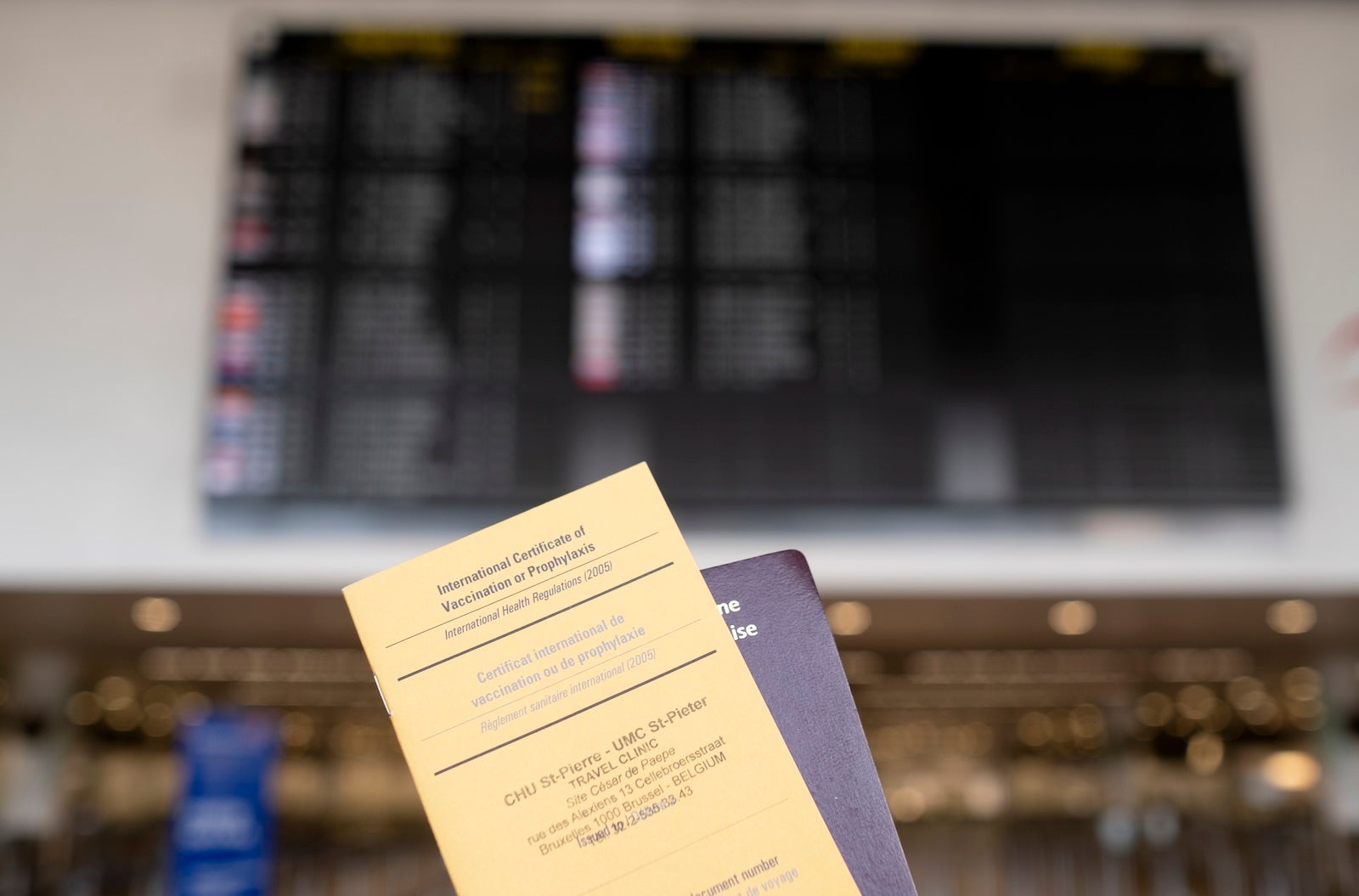
Health and safety regulations also pose a significant barrier to entry. While the world has largely moved past COVID-19 mandates, many tropical and sub-Saharan African nations strictly enforce yellow fever vaccination requirements. Without an International Certificate of Vaccination or Prophylaxis (the "Yellow Card"), entry is denied. This extends to traveling with pets, which has become increasingly complex. The U.S. Centers for Disease Control and Prevention (CDC) recently tightened rules for bringing dogs into the United States, requiring them to be at least six months old to ensure they can be properly vaccinated against rabies. One traveler found himself stranded in Egypt for months because his three-month-old puppy, though born in the U.S., was legally barred from returning until it reached the age threshold.

Legal pitfalls regarding banned substances are perhaps the most frightening travel mistakes. Ignorance of local law is never a valid defense. Many travelers are unaware that common over-the-counter medications or U.S.-prescribed drugs are strictly prohibited in countries like Japan, the UAE, or Singapore. In Japan, certain stimulants used to treat ADHD and even some inhalers are illegal. Bringing them into the country can lead to immediate detention. The U.S. Embassy in Japan strongly advises travelers to carry a "Yakkan Shoumei"—an import certificate—for any restricted medications, along with a doctor’s letter and the original prescription.
Behavioral errors, particularly those fueled by alcohol, can result in permanent consequences. Airlines and cruise lines have zero tolerance for belligerent behavior. Being denied boarding for being visibly intoxicated is one thing; being placed on a lifetime "no-fly" list for an alcohol-induced altercation with flight crew is another. Furthermore, international "DUI" laws are often much stricter than the 0.08% blood alcohol concentration (BAC) limit common in the U.S. In countries like Sweden and Iceland, the limit is 0.02%, and in nations like Romania and the Czech Republic, there is a zero-tolerance policy. One glass of wine at dinner followed by a drive back to the hotel could result in an immediate jail sentence.
Finally, the logistics of accommodation and transportation require careful scrutiny. Vacation rental scams are rampant, often involving hosts who try to move communication or payment off-platform (away from Airbnb or Vrbo) by offering a "direct booking discount." This removes all consumer protections, often leaving the traveler with no place to stay and no way to recover their funds. Similarly, rental car companies in many European and Asian countries require an International Driving Permit (IDP) in addition to a standard state license. Showing up at a rental counter in Italy or Japan without an IDP—which must be obtained in your home country before departure—will result in a cancelled reservation. Even hotels have hidden barriers, such as minimum age requirements for check-in. Many hotels in major U.S. cities require guests to be 21, meaning a 20-year-old solo traveler could be turned away at midnight regardless of having a confirmed, prepaid reservation.
Travel is an exercise in freedom, but that freedom is governed by a dense web of international laws, local regulations, and logistical realities. By checking passport validity, verifying visa types, researching medication laws, and double-checking dates and locations, travelers can ensure that their only memories are of the sights they saw, rather than the airports they were deported from. Avoid these epic errors, and your vacation will remain a dream rather than a legal or logistical nightmare.
