
 By Rifan Muazin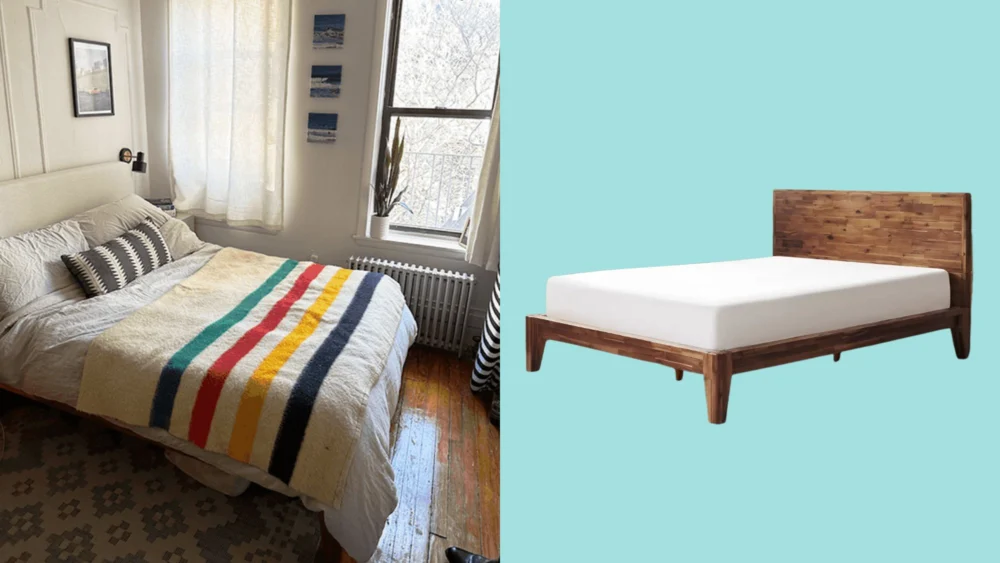
The emergence of Silk & Snow has effectively disrupted this binary choice, offering a platform bed that utilizes sophisticated Japanese wooden joinery—a design hallmark popularized by brands like Thuma—but at a price point that is significantly more accessible. This evolution in the direct-to-consumer furniture market represents a broader shift toward "slow furniture," where the focus returns to solid materials and timeless construction techniques that eschew the need for temporary fasteners like screws and bolts. The Silk & Snow Wooden Bed Frame, paired with their proprietary memory foam mattress, promises a marriage of durability and style that challenges the notion that luxury sleep requires a four-figure investment for the frame alone.

When considering an upgrade to a sleep system, the material composition is the first indicator of longevity. Most budget frames rely on medium-density fiberboard (MDF) or thin metal rails that eventually develop the dreaded "squeak" as screws loosen over time. In contrast, Silk & Snow utilizes solid acacia wood, a hardwood known for its exceptional density and natural oils that resist warping and pests. Acacia sits high on the Janka hardness scale, making it significantly more durable than the pine or rubberwood often found in mid-tier furniture. This choice of material is not merely aesthetic; the weight of the solid wood provides a foundational stability that prevents the frame from shifting during movement, a critical factor for light sleepers who are easily disturbed by motion transfer.
The design philosophy of the Silk & Snow frame is rooted in the ancient tradition of Japanese joinery, specifically techniques like kigumi, which rely on interlocking wooden parts rather than metal hardware. In a modern context, this translates to a "tool-free" assembly that is as much about structural integrity as it is about convenience. Because the weight of the sleeper is distributed through the interlocking joints rather than concentrated on a few steel screws, the frame actually becomes more stable the more weight is applied to it. This mechanical advantage is a primary reason why joinery-style beds have become the gold standard for minimalist bedroom design.

However, the reality of "solid wood" construction brings a logistical challenge that every urban dweller must consider: the weight of delivery. For those living in multi-story walkups, the arrival of five heavy-duty boxes is a reminder that quality has mass. The Silk & Snow system arrives in a modular fashion—three boxes for the frame components, one for the mattress, and a smaller package for the upholstered headboard cover. While the modularity makes it possible to navigate tight hallways, the sheer density of the acacia wood means that a full-size frame is a two-person job for the initial move-in. The headboard box, in particular, is unwieldy, necessitating a degree of physical labor that stands in stark contrast to the effortless assembly that follows.
Once the components are in the bedroom, the assembly process is a revelation in simplicity. The instructions are remarkably clear, but for many, they are almost unnecessary. The pieces are designed to "click" into place like a giant wooden jigsaw puzzle. The only manual labor involves twisting on the legs for the central support beam; from there, the side rails and footboard slide into the notched corner posts with satisfying precision. This lack of hardware is not just a marketing gimmick; it solves the perennial problem of the "missing hex key" and ensures that if the bed needs to be moved to a new home, it can be disassembled in minutes without stripping screw holes or weakening the frame’s structure.

The mattress component of the Silk & Snow ecosystem is equally intentional. The "bed-in-a-box" industry has matured significantly since its inception, and the S&S Memory Foam Mattress represents the current peak of that evolution. It features a multi-layer design aimed at balancing pressure relief with temperature regulation—a common pain point for traditional memory foam. The top layer is infused with cooling gel to dissipate body heat, while the high-density transitional and support layers provide the "push-back" necessary to prevent that "sinking" feeling that can lead to lower back pain. When the vacuum seal is broken, the mattress springs to life, reaching near-full decompression within minutes, though the manufacturer recommends a 72-hour window for the foam to fully stabilize.
Sleeping on the Silk & Snow system for an extended period—over a full year, in this instance—reveals the true value of the investment. In an era of "fast furniture" that often ends up in landfills after a few moves, the S&S frame remains as rock-solid as the day it was assembled. There is no wobbling, no creaking, and the minimalist aesthetic continues to serve as a versatile anchor for the room’s decor. The eight-inch under-bed clearance is a functional sweet spot; it provides enough height for standard storage bins without making the bed feel like a towering monolith that dominates the space. This height also facilitates better airflow, which is essential for maintaining the hygiene and longevity of the mattress.

The financial analysis of this setup is perhaps its most compelling feature. To achieve a similar level of craftsmanship and material quality from high-end boutiques or competitors like Thuma, consumers are often looking at a price tag of $1,500 to $2,000 for the frame alone. Silk & Snow manages to offer their wooden frame for approximately $850 to $1,000, and a queen mattress for under $600 during promotional periods. This price-to-quality ratio is achieved through a vertically integrated supply chain and a direct-to-consumer model that bypasses the traditional furniture showroom markup.
From a design perspective, the Silk & Snow frame hits the "mid-century modern" notes perfectly. The warm tones of the acacia wood and the optional upholstered headboard—available in neutral shades like stone or charcoal—allow it to blend into various interior styles, from Scandinavian minimalism to bohemian chic. The headboard, which slides into the frame via the same joinery system, provides a soft backrest for reading or working in bed, addressing one of the primary complaints about simple platform frames that lack integrated support.

The long-term durability of the mattress also deserves mention. Many foam mattresses lose their structural integrity within the first 18 months, leading to "valleys" that compromise spinal alignment. After a year of nightly use, the Silk & Snow mattress has shown no signs of sagging. This is likely due to the quality of the base foam, which provides a consistent foundation. For sleepers transitioning from an old, worn-out mattress, the improvement in sleep quality is often immediate and profound. The firmness level is best described as a "medium-firm," which caters to the widest range of sleeping positions, from side sleepers needing hip cushioning to back sleepers requiring lumbar support.
In conclusion, the Silk & Snow Wooden Bed Frame and Mattress represent a significant achievement in the modern furniture market. They prove that the "utilitarian" stage of life can be bypassed or ended without needing an exorbitant budget. By focusing on high-quality natural materials and time-tested construction methods, Silk & Snow has created a product that is both an aesthetic upgrade and a functional investment. The minor inconvenience of moving heavy boxes is a small price to pay for a bed that feels like a permanent piece of architecture rather than a temporary solution. For anyone looking to elevate their bedroom from a collection of mismatched pieces to a curated sanctuary, this system offers a compelling, stylish, and undeniably sturdy path forward. It is a rare example of a product that actually lives up to the marketing hype, providing a luxurious sleep experience that is built to last through many years—and many apartments—to come.
