
 By Rifan Muazin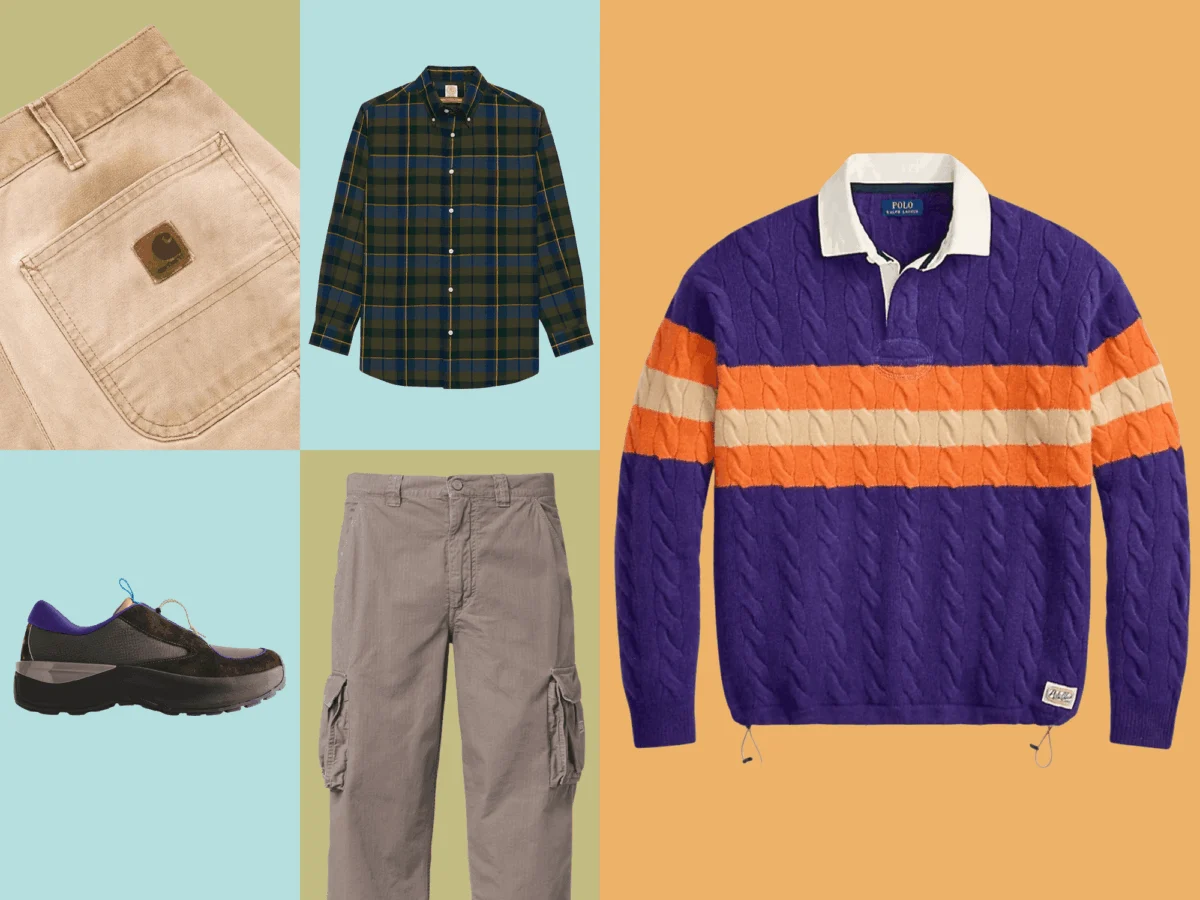
At the heart of this selection is a profound appreciation for texture and provenance. The collaboration between J. Press and the Original Madras Trading Company is a prime example of how heritage brands are revitalizing their archives for a new generation. Madras, a lightweight cotton fabric with a distinctive checked pattern, originated in the city now known as Chennai, India. Historically, it was a staple of the 1960s Ivy League wardrobe, prized for its breathability and vibrant "bleeding" colors. By revisiting this fabric through the lens of J. Press—the quintessential New Haven clothier—the collaboration brings a sense of authentic "Old Money" aesthetics into the contemporary era. This isn’t just a shirt; it is a piece of sartorial history that addresses the modern man’s desire for "Quiet Luxury" with a loud, patterned twist. Market data suggests that the heritage menswear segment has seen a 15% uptick in interest over the last two fiscal quarters, as consumers pivot away from disposable fast fashion toward garments with a narrative.

While heritage prep provides the foundation, brands like ERL, led by the visionary Eli Russell Linnetz, are providing the necessary disruption. Based in Venice Beach, ERL has become the poster child for a new kind of Californian maximalism. The brand’s inclusion in the "Hit List" underscores the industry’s obsession with nostalgia-infused streetwear that doesn’t feel like streetwear. ERL’s pieces often feature sun-faded palettes, oversized proportions, and a playful subversion of Americana. Linnetz, who has previously collaborated with Kim Jones at Dior, understands that the modern consumer wants to feel like they are wearing a piece of art. His "freaky shorts"—often characterized by unexpected fabrics like corduroy-padded quilting or neon-drenched prints—represent a broader trend in menswear: the shortening of inseams and the widening of creative expression. The "5-inch inseam" movement, popularized by style icons like Paul Mescal, has evolved from a niche internet meme into a dominant retail category, with sales of shorter men’s shorts outperforming traditional knee-length styles by nearly 40% in high-end boutiques.

The concept of "breezy layers" has also taken on a new meaning in the current climate. No longer relegated to simple linen button-downs, the category now encompasses open-knit crochet, technical mesh, and ultra-fine gossamer wools. This shift is partly a response to the "Coastal Grandmother" aesthetic migrating into menswear, but it is also a practical reaction to a warming planet. Men are increasingly looking for clothes that provide a silhouette and "look" without the weight. Martin Sallières, a name gaining significant traction in the Parisian underground, exemplifies this through his focus on the architecture of the garment. Sallières treats fabric as a medium for sculpture, creating pieces that drape in ways that feel both organic and futuristic. His work appeals to the "advanced" fashion enthusiast—the individual who views their wardrobe as a collection of curated objects rather than mere utility.

Complementing this high-concept approach is Wylie Welling, a brand that represents the burgeoning "Slow Fashion" movement. In an era of algorithmic trends, Welling focuses on meticulous construction and the kind of detailing that requires a second or third look to truly appreciate. This artisanal approach is a direct counterpoint to the logistical behemoths of the industry. By focusing on small-batch production, brands like Wylie Welling are tapping into a consumer base that is increasingly wary of the environmental impact of their purchases. According to recent sustainability reports, 62% of Gen Z and Millennial men prefer to buy from brands that offer transparency in their supply chain, even if it comes at a premium price point.

No "Hit List" would be complete without the inclusion of Polo Ralph Lauren, the undisputed titan of American style. Ralph Lauren’s genius has always been his ability to sell an aspirational lifestyle that feels attainable. In the current season, Polo is leaning into a "New Prep" aesthetic that mixes classic sporting motifs with rugged, outdoor-ready elements. This "Gorpcore" influence—the intersection of camping gear and high fashion—remains a dominant force. Whether it is a perfectly weathered field jacket or a rugby shirt styled with technical hiking boots, the Polo inclusion reminds us that the best menswear is often a remix of things we already know and love.

The accessories featured in this selection also signal a major shift in how men perceive "finishing touches." For decades, a man’s accessory kit was limited to a watch and perhaps a wedding band. Today, the "hottest accessories" include pearl necklaces, cross-body "man bags," and intricate headwear. The bag market for men, in particular, has seen explosive growth, with luxury houses reporting that men’s leather goods are one of their fastest-growing categories. This reflects a broader societal shift toward the "de-gendering" of fashion, where functionality and aesthetics are no longer restricted by traditional binary norms.

From a structural perspective, the "Best New Menswear Hit List" reflects a healthy and diverse ecosystem. We are seeing a move away from the "uniformity" of the 2010s—where every man seemed to be wearing the same slim-fit chino and white sneaker—toward a more fragmented and interesting landscape. This fragmentation is fueled by the "niche-ification" of social media. On platforms like TikTok and Instagram, subcultures such as "Archival Fashion," "Workwear Enthusiasts," and "Vintage Prep" have created dedicated communities that drive demand for specific, often obscure, items. This has forced major retailers to be more agile and editorial in their offerings.

Expert analysis suggests that the current "Hit List" is also a reflection of the "Post-Pandemic" psyche. After years of loungewear dominance, there is a palpable hunger for "dressing up," but not in the traditional sense of a suit and tie. Instead, men are dressing up for themselves, using clothes as a tool for self-actualization. The "freakier" the shorts and the "breezier" the layers, the more the wearer is signaling their membership in a global community of style-literate individuals.

In conclusion, the items handpicked by GQ editors are more than just seasonal suggestions; they are artifacts of a specific moment in fashion history. We are witnessing the death of the "trend" in the traditional sense and the birth of the "vibe." Whether it is the hand-loomed textures of J. Press x Original Madras Trading Company, the sun-soaked eccentricity of ERL, or the sculptural precision of Martin Sallières, the message is clear: the best menswear right now is that which tells a story. As we move further into the decade, the focus will likely continue to shift toward pieces that offer a blend of high-performance utility and deep, soulful craftsmanship. The "Hit List" is not just about what to buy; it is about how to see the world through the lens of style—one breezy layer at a time.
