
 By admin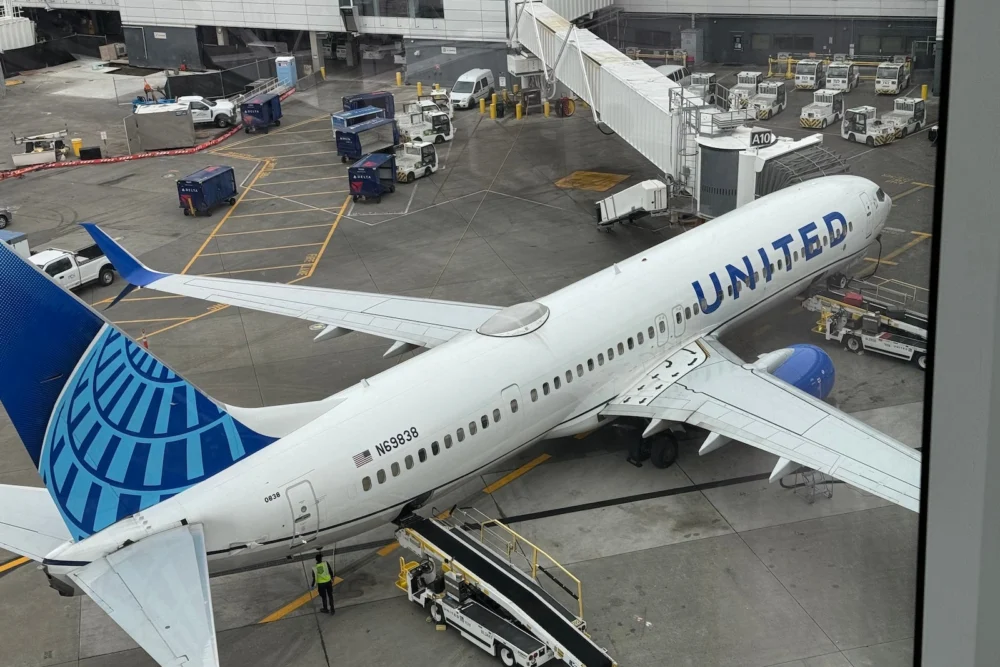
The traditional era of airline loyalty, once defined by the rhythmic hum of jet engines and the simple tally of miles flown, has officially been superseded by a new financial paradigm: the era of the "flying bank." While the transition from distance-based to spend-based rewards has been underway for over a decade, United Airlines has recently signaled a more aggressive evolution. This week, the Chicago-based carrier unveiled a sweeping transformation of its MileagePlus program that creates a stark, structural divide between travelers who carry a United-branded credit card and those who do not. Beginning in April, the airline will fundamentally redefine the value of a seat based not just on the fare paid, but on the plastic held in the traveler’s wallet.
This strategic shift represents the most significant "carrot and stick" maneuver seen in the domestic aviation industry to date. For years, airlines have nudged passengers toward co-branded credit cards through sign-up bonuses and incidental perks like free checked bags. United’s new policy, however, goes much further by actively penalizing those who remain outside the credit card ecosystem. Under the new rules, non-cardholders will see their mileage earning rates slashed, while those with a United card—issued primarily through Chase—will see their earnings boosted. This is not merely an incentive; it is a realignment of the airline’s core value proposition.
The Mechanics of the New MileagePlus Hierarchy
The most immediate impact of these changes will be felt in the mileage earning rates for flights. Currently, MileagePlus members earn miles based on their elite status level and the base fare of their ticket. Starting in April, United will introduce a tiered earning structure that prioritizes cardholders. Members who do not carry a co-branded card will earn fewer miles per dollar spent than they do under the current system. Conversely, those who have a United card in their wallet will see an increase in their earning potential, effectively creating a "loyalty tax" for those who prefer to use independent premium cards like the Chase Sapphire Reserve or the American Express Platinum Card for their travel purchases.
Beyond the earning side, United is significantly enhancing the redemption side for its cardholding base. The airline is introducing automatic award pricing discounts, promising at least a 10% reduction on the mileage cost of award flights for all cardholders. For those who manage to balance both a co-branded card and Premier elite status, that discount jumps to at least 15%. Perhaps more importantly for high-value redeemers, United is granting cardholders expanded access to "saver" award space—the lowest-priced mileage seats that are often shielded from the general public. This ensures that the best "deals" are gated behind a credit card requirement, leaving non-cardholders to pay higher prices for the same inventory.
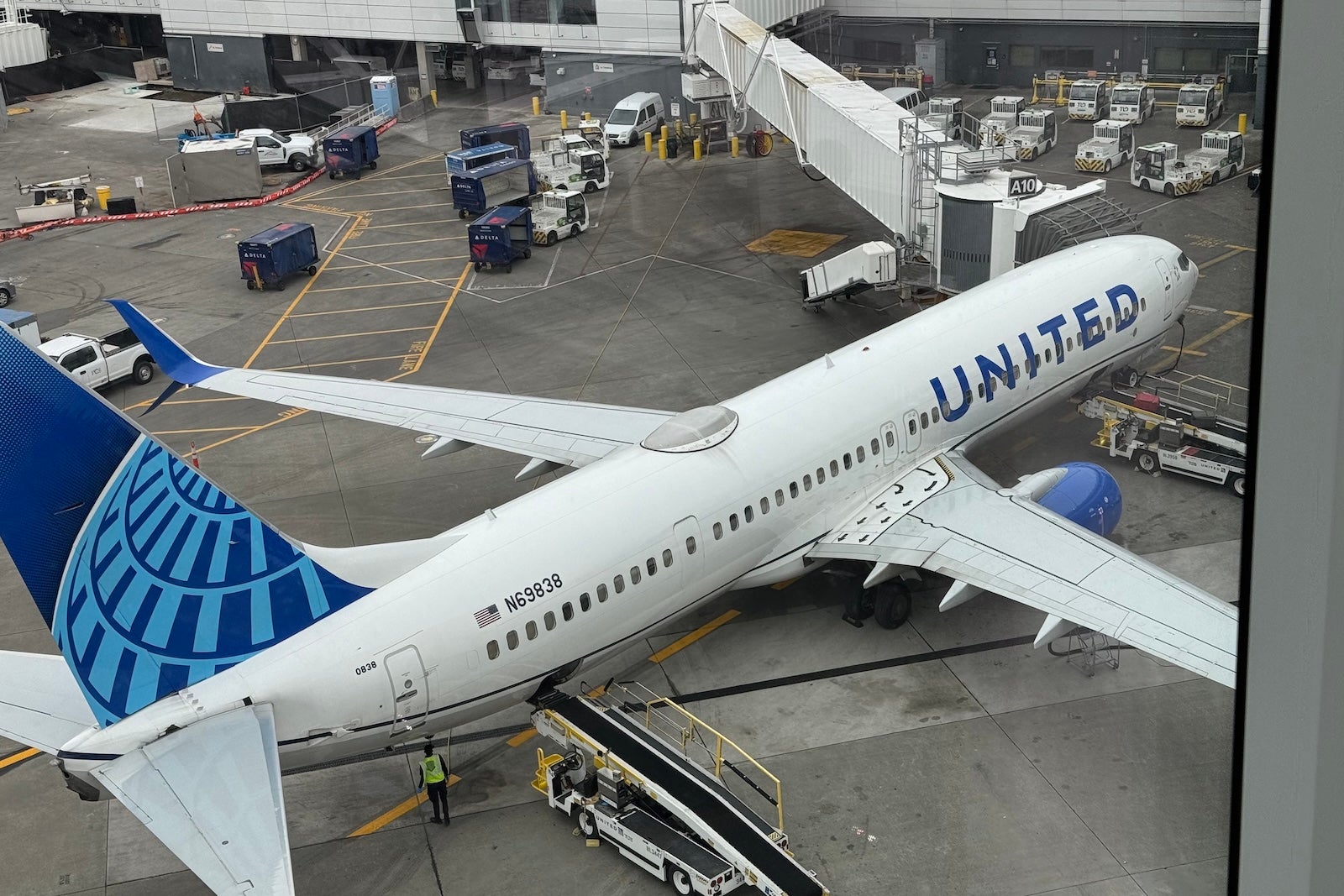
The most punitive change, however, targets the budget-conscious traveler. In a move that mirrors the restrictive policies of competitors like Delta and American, United will now award zero miles to non-cardholders and non-elites who book Basic Economy fares. Historically, even the cheapest tickets earned some progress toward future travel. By zeroing out these earnings for the general public, United is sending a clear message: the lowest fare is no longer a path to loyalty unless it is paired with a financial product.
The Rationale: "Value for Value"
The logic behind this aggressive pivot was articulated by Jill Doyle, United’s managing director of the MileagePlus program. In an interview with The Points Guy, Doyle explained that the airline is "doubling down" on rewarding the customers who provide the most holistic value to the company. "We just know that when somebody has a credit card they are more valuable to United," Doyle stated. This admission highlights a fundamental truth in modern aviation: a customer who flies twice a year but spends $50,000 on a co-branded credit card is often more profitable to the airline than a frequent flyer who strictly shops on price and uses a non-affiliated bank card.
This "value for value" philosophy is a response to a saturated and highly competitive travel credit card marketplace. With banks like Capital One and Chase offering versatile "transferable points" ecosystems, airlines are finding it harder to lock customers into a single carrier’s currency. By making it "demonstrably worse" to fly United without their specific card, the airline is attempting to reclaim its "share of wallet" from the broader banking sector.
The Financial Engine: Why Credit Cards Matter
To understand why United is willing to risk alienating a portion of its passenger base, one must look at the balance sheet. For major U.S. carriers, loyalty programs are no longer just marketing tools; they are the primary engines of profitability. These programs operate by selling miles to credit card issuers (like Chase or American Express) at a fixed rate. The banks then distribute these miles to consumers as rewards for spending.
The scale of these partnerships is staggering. Delta Air Lines, for instance, generated a record $8 billion from its partnership with American Express in 2023 alone. These revenues are high-margin and remarkably resilient, providing a financial cushion during fuel price spikes or economic downturns. For United, the goal is to narrow the gap with Delta’s lucrative financial machine. By forcing more MileagePlus members into the Chase ecosystem, United increases the volume of miles Chase must purchase, directly boosting the airline’s bottom line without needing to sell a single additional plane ticket.
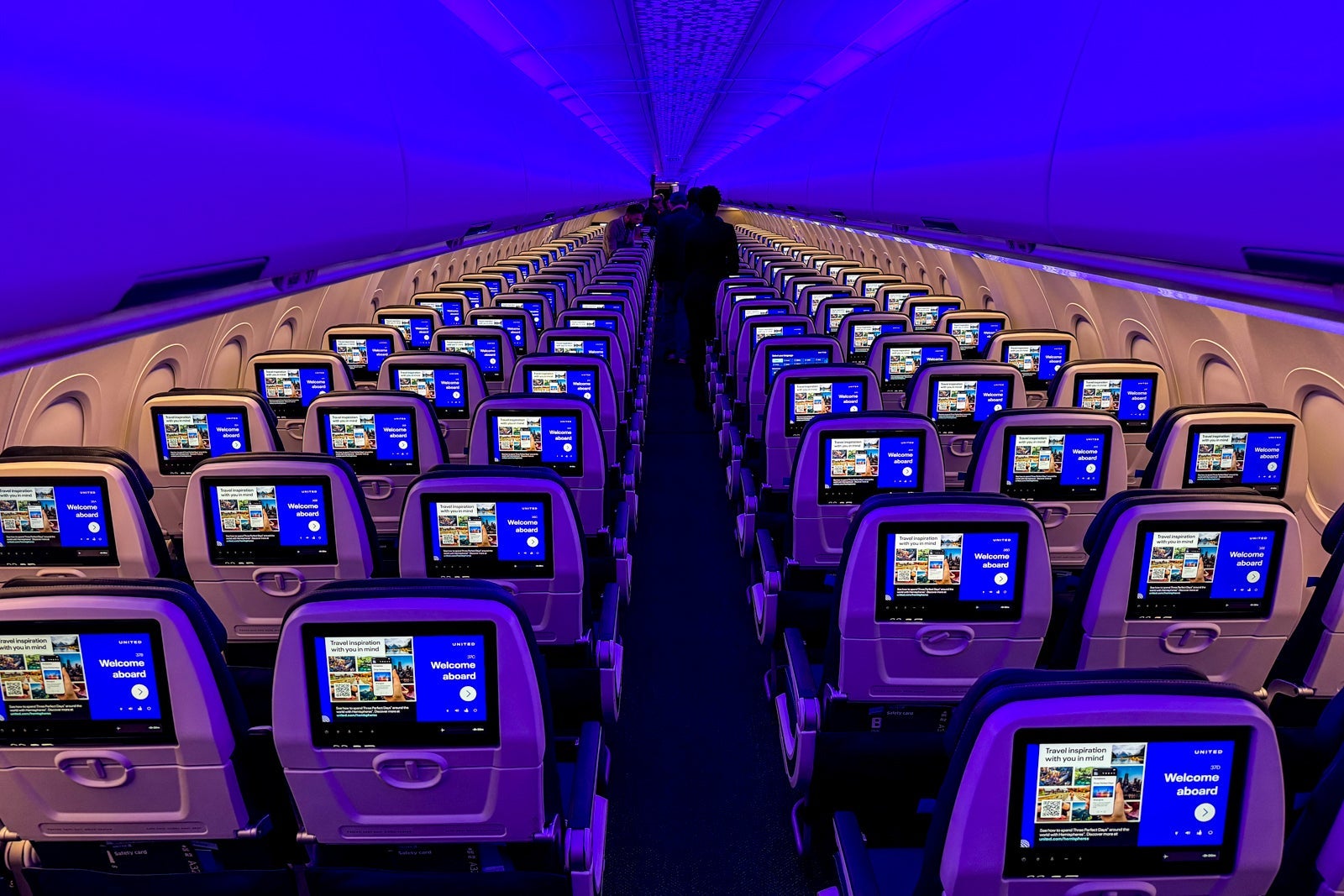
Industry analysts often joke that major airlines are essentially "banks that happen to fly airplanes." This isn’t far from the truth. During the COVID-19 pandemic, United and its peers used their loyalty programs as collateral to secure billions of dollars in loans. The programs were valued at significantly more than the airlines’ entire fleets of aircraft, proving that the data and spending habits of the "loyal" customer are the industry’s most valuable assets.
Competitive Context: Following the Leaders
United’s move does not exist in a vacuum. It is part of a broader industry trend toward "gamifying" status and rewards through financial products. Delta Air Lines set the stage in late 2023 with a controversial overhaul of its SkyMiles program, which made credit card spending the primary pathway to earning elite status. While Delta eventually walked back some of the most extreme changes following a public outcry, the core strategy remained: prioritize the high-spending cardholder.
American Airlines has followed a similar path with its "AAdvantage Business" and "Loyalty Points" system, where almost any activity—from booking a hotel to buying flowers through a specific portal—counts toward elite status. United’s latest move is a more direct approach, using the earning rate of miles themselves as the primary lever to drive card adoption.
Furthermore, the restrictions on Basic Economy are a direct competitive response. Delta and American have long utilized "unbundled" fares to compete with low-cost carriers like Spirit and Frontier, often stripping away mileage accrual to encourage "upselling" to Main Cabin fares. United is now using that same lever but offering a "bypass" for those who carry their credit card, effectively making the card a permanent upgrade to the travel experience.
The Traveler’s Dilemma: To Apply or To Pivot?
For the consumer, United’s decision presents a complex calculation. The MileagePlus card portfolio is diverse, ranging from the entry-level United Gateway Card (which has no annual fee) to the premium United Club Infinite Card (which carries a high annual fee but includes lounge access). There is even a new debit card option for those who avoid traditional credit.
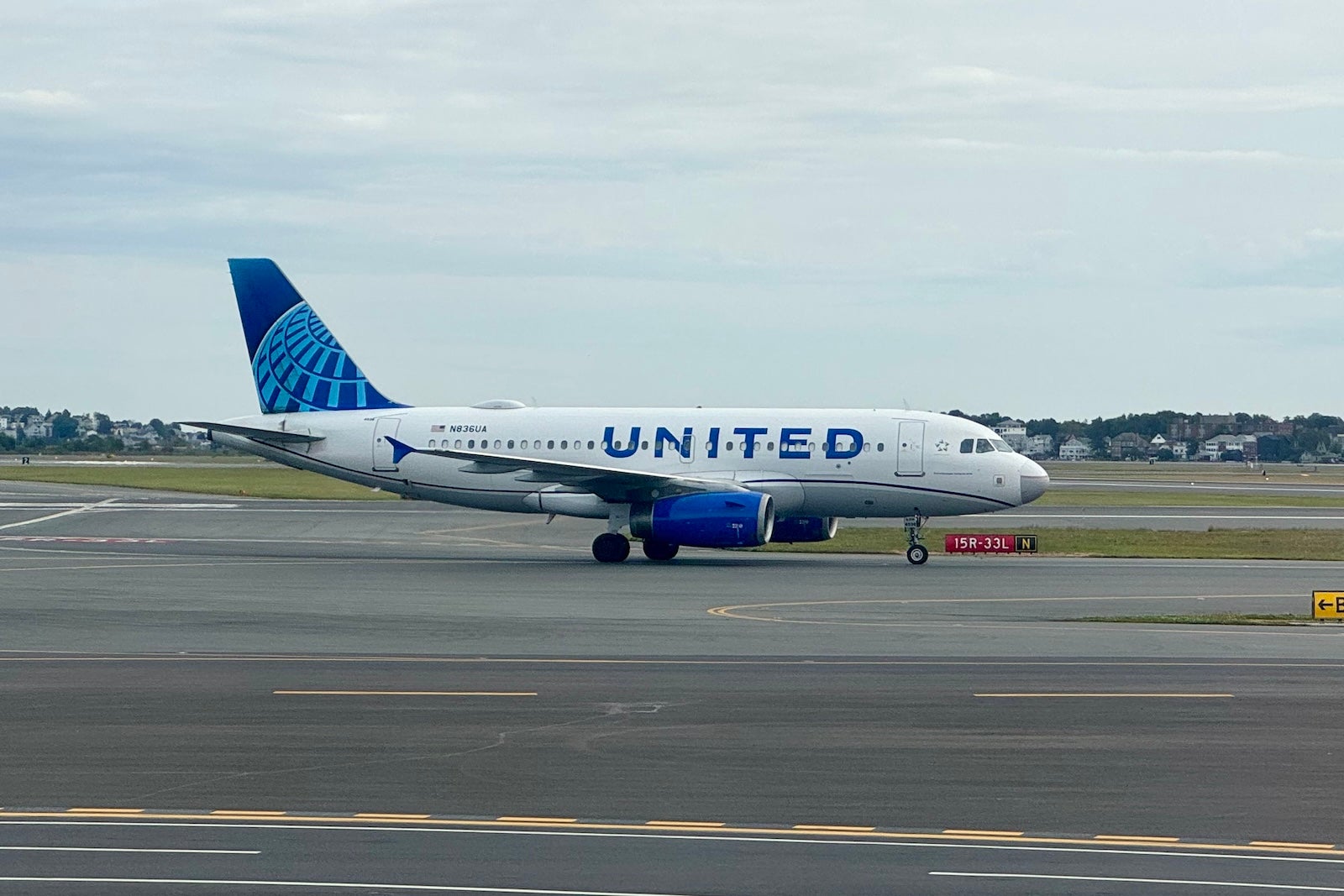
For semi-frequent United flyers, the math may now lean heavily toward carrying at least a basic card. The 10-15% discount on award flights can quickly offset a modest annual fee, and the ability to earn miles on Basic Economy fares preserves the "reward" element of budget travel. However, for "free agents"—travelers who prioritize the best schedule and price regardless of the carrier—United’s move may be the final push to abandon the program entirely. If the earning rates for non-cardholders are too low to ever reach a meaningful redemption, the incentive to stay loyal vanishes.
The Future of Loyalty in 2026 and Beyond
As United prepares to implement these changes in April, the rest of the industry will be watching closely. If United sees a surge in credit card applications without a significant drop in passenger load factors, other carriers like Alaska Airlines or JetBlue may be tempted to follow suit.
The long-term risk for United is the potential erosion of brand affinity among the next generation of travelers. Younger consumers are increasingly savvy about "point valuations" and may bristly at being forced into a specific financial product. However, United’s leadership seems confident that the data-driven value of a cardholder outweighs the sentimental loss of a casual flyer.
Ultimately, United Airlines is no longer just competing with Delta or American for the skies; it is competing with the entire financial services industry for a permanent spot in the consumer’s wallet. By drawing this line in the sand, United has signaled that in the future of aviation, your status isn’t just about where you’re going—it’s about how you’re paying to get there.
