
 By Rifan Muazin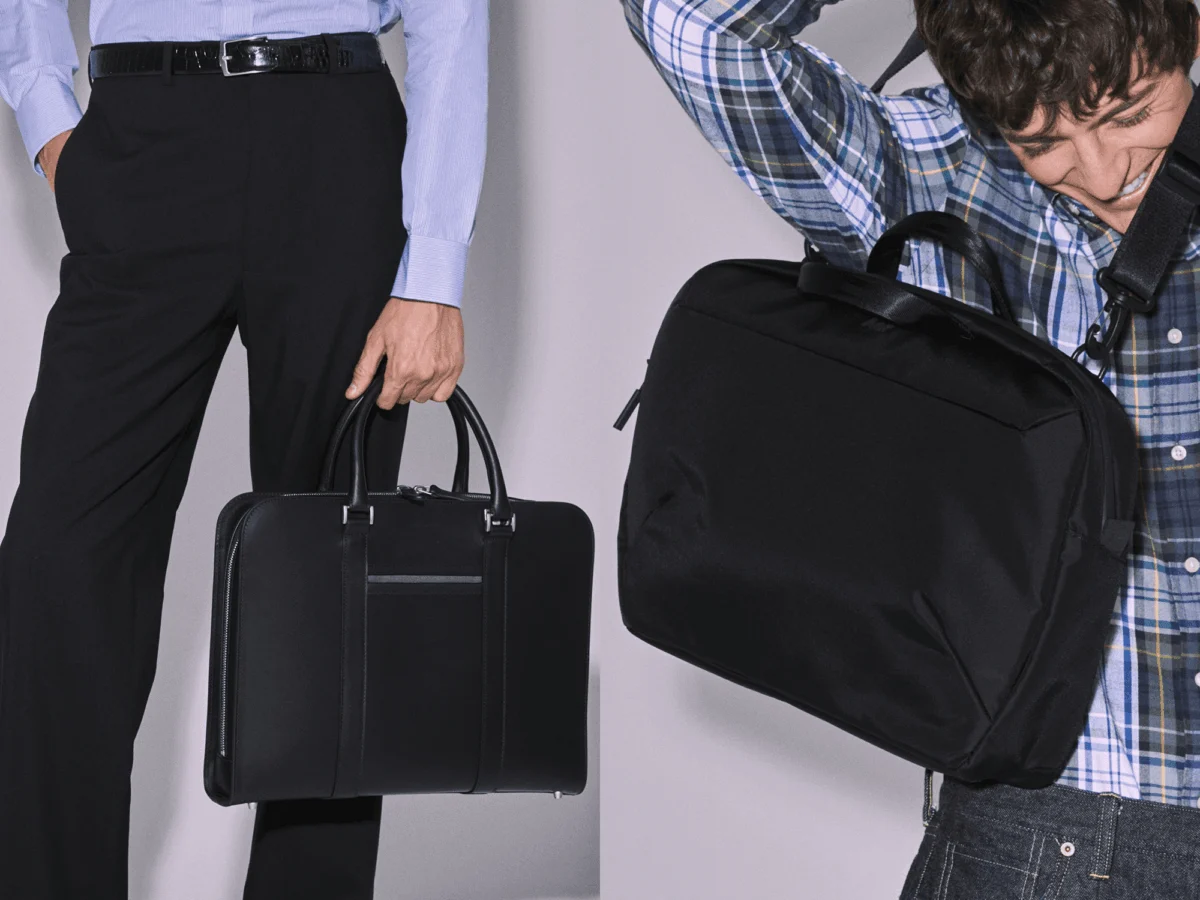
The modern briefcase is not the rigid, cumbersome anchor of the 1950s. Instead, it has evolved into a streamlined, high-performance tool tailored for a world where paper has been replaced by pixels, yet the need for a polished silhouette remains. Unlike the bottomless pit of a backpack, which encourages overpacking and results in a rumpled suit jacket, a well-designed briefcase forces a focus on the essentials. It is a lighter, more agile daily carry that offers superior protection against the elements. While a canvas tote might succumb to a spring shower, the technical nylons and treated leathers of today’s premium briefcases ensure that a $3,000 laptop remains bone-dry. Furthermore, in an increasingly competitive job market, the psychological impact of the briefcase cannot be overstated. While it may not technically secure a second interview, it commands a level of respect that a backpack—no matter how expensive—simply cannot replicate.
To identify the best options in this resurgent category, the GQ Recommends team analyzed the market through a tripartite lens: quality of materials, functional fit for the modern commuter, and price-to-value ratio. The following selections represent the pinnacle of current design, ranging from rugged heritage pieces to ultra-luxury Italian masterpieces.
The Lightweight Vanguard: Porter-Yoshida & Co. Tanker 2Way Briefcase
Japanese craftsmanship has long been obsessed with the intersection of military utility and urban fashion, and few items embody this better than the Porter-Yoshida & Co. Tanker series. Inspired by the iconic US Air Force MA-1 flight jacket, this briefcase utilizes a high-density, three-layer fabric—nylon twill, polyester cotton, and nylon taffeta. The result is a bag that is incredibly lightweight yet remarkably resilient.
The "2Way" nomenclature refers to its versatility; it can be carried by its reinforced handles or worn as a crossbody bag for hands-free commuting. The interior, finished in a high-visibility rescue orange, ensures that small tech accessories don’t disappear into dark corners. This is the ideal choice for the creative professional who values a "streetwear-adjacent" aesthetic without sacrificing the structure required for a boardroom presentation. At $580, it is an investment in a piece of design history that only looks better with age.
The Master of Order: Bellroy Via Work Bag
For many, the primary frustration with traditional bags is the lack of internal architecture. Bellroy, an Australian brand that built its reputation on slimming down men’s wallets, has applied that same organizational rigor to the Via Work Bag. Priced at a more accessible $135, this bag is a masterclass in minimalist efficiency.
The Via Work Bag features a dedicated padded laptop sleeve and a series of mesh zip pockets designed specifically for the "digital nomad" toolkit: charging bricks, dongles, and earbuds. Perhaps its most forward-thinking feature is a hidden internal slip pocket designed specifically for an Apple AirTag, providing peace of mind for those carrying high-value electronics. The use of recycled, water-resistant woven fabrics speaks to the brand’s commitment to sustainability, making it a favorite among the eco-conscious tech set.
The Modern Classic: Carl Friedrik Palissy Slim Leather Briefcase
If the goal is to channel the effortless elegance of the Mad Men era through a 2024 lens, the Carl Friedrik Palissy is the definitive answer. Utilizing Italian Vachetta leather—a material known for its smooth finish and ability to develop a unique patina over time—the Palissy is a structural marvel. Unlike cheaper leathers that rely on heavy pigments to hide imperfections, Vachetta is transparently dyed, allowing the natural grain to show.
The Palissy is intentionally slim, designed for the professional who has fully transitioned to a paperless workflow. It fits a 16-inch laptop with ease and features heavy-duty Raccagni zippers, often cited as the "Rolls-Royce" of hardware. The inclusion of a luggage pass-through strap makes it an elite travel companion, allowing it to sit securely atop a rolling suitcase during airport transits. At $795, it sits in the "sweet spot" of luxury: high-end materials without the four-figure designer markup.
The Heritage Workhorse: Filson Rugged Twill Original Briefcase
There is a specific subset of the population for whom a briefcase must be as durable as a pair of work boots. For these individuals, Filson is the only name that matters. Founded in Seattle in 1897 to outfit prospectors during the Klondike Gold Rush, Filson’s "Rugged Twill" is legendary. It is an industrial-strength fabric that is lightly waxed to repel water and grime.
The Original Briefcase ($499) features Bridle Leather handles and straps—the same grade of leather used in horse tack. This is not a bag that needs to be babied; it is a bag designed to be thrown into the back of a truck, dragged through rain-slicked city streets, and eventually passed down to a grandchild. Its aesthetic is "rugged-academic," making it equally at home in a university library or a construction firm’s headquarters.
The Executive Voyager: Smythson Lightweight Large Briefcase
Smythson of Bond Street holds three Royal Warrants, a testament to its status as a pillar of British luxury. Their Lightweight Large Briefcase ($1,895) is designed for the high-altitude executive for whom travel is a constant. Crafted from Panama cross-grain leather—a texture invented by Frank Smythson in 1908—the bag is exceptionally resistant to scratches and wear.
The "Large" designation is key here; it provides enough depth to house not just a laptop and documents, but a change of shirt or a light sweater for an overnight trip. It represents a "somewhat approachable" luxury—a piece that signals high status through craft rather than loud logos.
The Mobility Solution: Briggs and Riley Medium Spinner Brief
For the frequent flier or the commuter with a long walk from the train station, the ergonomic strain of a shoulder bag can become a health liability. The rolling briefcase was once the exclusive domain of commercial airline pilots, but Briggs and Riley has modernized the concept for the business traveler.
The Medium Spinner Brief ($639) features four high-grade 360-degree wheels and a telescopic handle that is mounted on the outside of the bag to preserve flat packing space inside. Briggs and Riley is also famous for its "Simple as That" lifetime guarantee, which covers even damage caused by airlines—a rarity in the luggage industry.
The Pinnacle of Craft: Bottega Veneta Getaway Slim Briefcase
At the apex of the market sits Bottega Veneta. Their Getaway Slim Briefcase ($4,200) is less of a bag and more of a sculptural achievement. It features the brand’s signature Intrecciato weave, a technique where strips of leather are hand-woven into a seamless grid. Because there are no visible logos, the bag relies entirely on the recognition of its craftsmanship to signal its pedigree. It is the ultimate "if you know, you know" accessory for the person who has reached the highest echelons of their career.
Expanding the Horizon: Honorable Mentions and Niche Favorites
Beyond the primary categories, several other brands are doing work that deserves recognition. Frank Clegg, a family-owned business in Massachusetts, produces the "Leather Zip Top Briefcase" ($1,450) famously used by President Barack Obama. It represents the pinnacle of American artisanal leatherwork. Bennett Winch offers a stunning Suede Brief ($2,400) for those who want to move away from traditional hide, while Stuart and Lau provides the "Cary Briefcase" ($375), which includes clever features like an integrated umbrella socket.
For those seeking a more adventurous look, Globe-Trotter’s Centenary Attaché ($2,095) brings back the hard-shell case favored by style icons like Tyler, the Creator. Meanwhile, Shinola and Buck Mason are proving that American "heritage-lite" brands can produce high-quality leather goods that bridge the gap between casual and corporate.
Conclusion: Why the Briefcase Matters in 2024
Selecting a briefcase is more than a utilitarian choice; it is an act of self-curation. In a world that has become increasingly informal, the briefcase serves as a tether to professionalism. It signals that the wearer takes their work—and themselves—seriously. When choosing your next carry, consider the "Rule of Three": Quality of hide or textile, the Fit for your specific tech, and the Price relative to the years of service you expect to extract from it. Whether you opt for the rugged twill of a Filson or the woven leather of a Bottega, you are not just buying a bag; you are investing in a daily partner for your professional journey. The briefcase is back, and it is more than ready to get to work.
