
 By Titik Puspa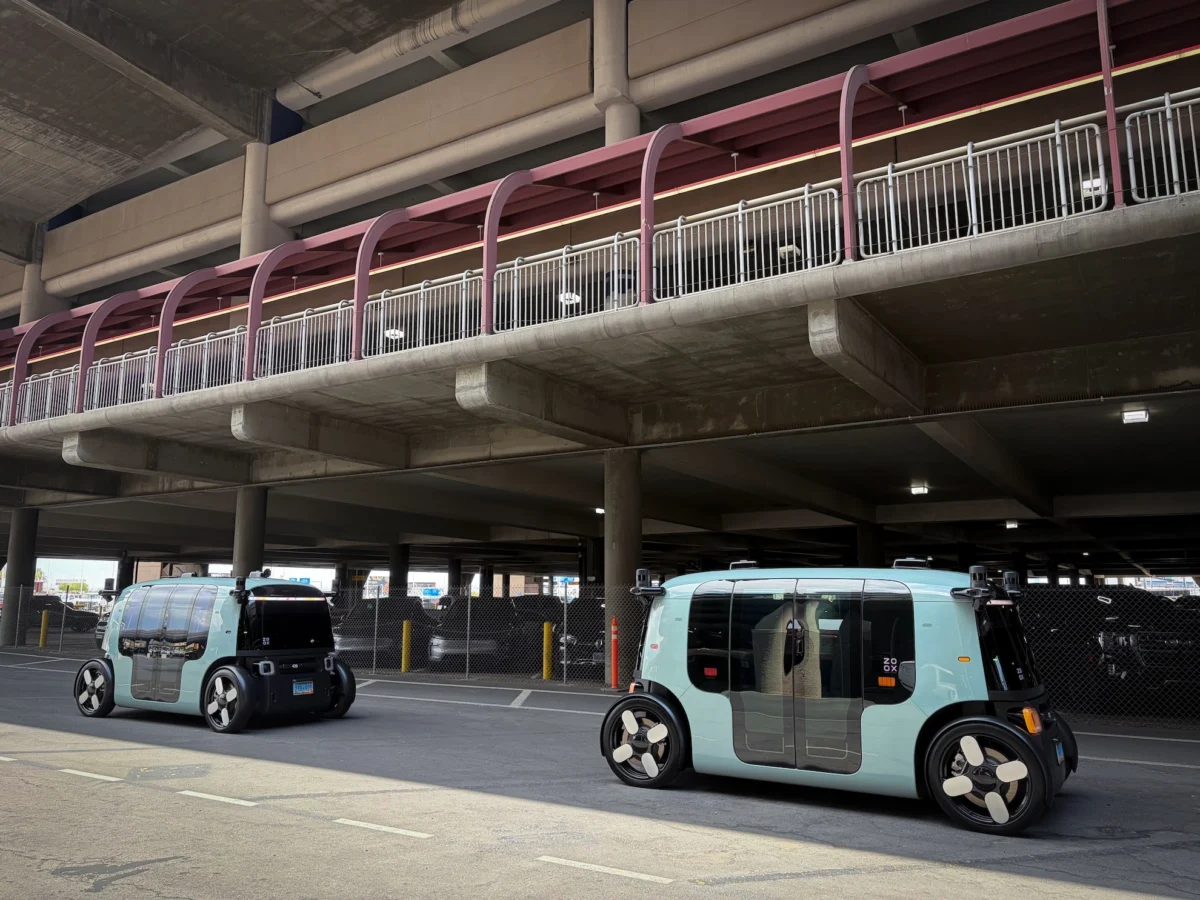
Zoox, the autonomous vehicle pioneer backed by Amazon, is aggressively accelerating its commercial robotaxi operations in Las Vegas following its recent acquisition of crucial regulatory approvals. The company announced a significant expansion of its paid ride-hailing service, which will now include direct access to and from Harry Reid International Airport, a pivotal hub for both leisure and business travelers. This strategic move, commencing on Thursday, positions Zoox to capture a vital segment of the transportation market, offering a potentially more convenient and seamless airport transit experience compared to traditional ride-sharing platforms. This latest development underscores a period of rapid advancement for Zoox, a company that has dedicated over a decade to the meticulous development of its unique, purpose-built robotaxi and its sophisticated self-driving technology.
The Zoox vehicle itself represents a departure from conventional automotive design. Stripped of traditional driver controls such as steering wheels and pedals, it is engineered from the ground up for autonomous operation, prioritizing passenger experience and safety. While the company has been providing autonomous rides to customers in Las Vegas for the past year, it operated under a more restricted framework, unable to function as a fully commercial service. This limitation was fundamentally altered in August when Zoox secured a pivotal temporary exemption from federal safety regulators. This exemption, valid for two years, grants Zoox permission to deploy up to 2,500 vehicles and waives compliance with eight specific federal motor vehicle safety standards. These waived standards include critical elements such as windshield defrosting and light vehicle braking systems, demonstrating a significant regulatory stride forward for the company.
The impact of this federal exemption has been transformative, propelling Zoox’s business expansion into high gear. On August 10th, the company officially began charging passengers for its robotaxi rides, marking its transition into a commercial enterprise. In parallel, Zoox announced its intention to commence testing of its self-driving vehicles in San Diego and Houston, two other major metropolitan areas ripe for autonomous mobility solutions. Furthermore, the company proactively released its comprehensive safety framework, a move that signals a commitment to transparency and a robust operational strategy as it scales its services. These concerted actions collectively paint a picture of a company rapidly ramping up its operations and strategically positioning itself for widespread adoption.
The inclusion of Harry Reid International Airport in Zoox’s service area offers a distinct advantage over established ride-hailing giants like Uber and Lyft, particularly for travelers arriving in or departing from Las Vegas. According to Zoox, its robotaxis are designed to provide direct pick-up and drop-off services at both airport terminals, conveniently located near baggage claim areas. In contrast, while Uber and Lyft are permitted to drop off passengers at the terminal curbside, their pick-up points for arriving passengers often necessitate a significant walk – approximately five to ten minutes from baggage claim – to a designated area on the upper floor of a nearby parking garage. This difference in convenience could prove to be a significant draw for time-conscious travelers.
While Zoox currently stands as the sole robotaxi company offering direct service to the Las Vegas airport, the competitive landscape is poised for a dramatic shift. Las Vegas has long served as a vital proving ground for autonomous vehicle technologies, and the city is now on the cusp of becoming a major commercial hub for robotaxi operators. In a significant development last month, Tesla, Uber, and Waymo, alongside Zoox, all received permits from the Nevada Transportation Authority to operate commercial robotaxi services within Clark County, which encompasses Las Vegas. Uber’s strategy involves operating its robotaxis through collaborations with various partners, including Hyundai subsidiary Motional, and Zoox itself.
The collective permits issued by the Nevada Transportation Authority represent a substantial potential deployment of autonomous vehicles. These permits collectively authorize the deployment of up to 8,000 robotaxis across Clark County within the next 12 months. This influx of autonomous vehicles signals a bold commitment from both regulatory bodies and private companies to usher in a new era of transportation. The sheer scale of this potential deployment highlights the strategic importance of the Las Vegas market and its readiness to embrace autonomous mobility solutions on a broad scale.

The regulatory landscape for autonomous vehicles has been evolving rapidly, with jurisdictions worldwide grappling with the best approaches to ensure safety while fostering innovation. The temporary exemption granted to Zoox by federal regulators is a testament to the growing recognition that unique vehicle designs, like Zoox’s, may require tailored regulatory frameworks. Traditionally, vehicle safety standards have been built around human-operated vehicles. However, with the advent of highly sophisticated autonomous systems, a different set of considerations and standards becomes relevant. The two-year duration of Zoox’s exemption provides a critical window for the company to demonstrate the safety and reliability of its vehicles in real-world commercial operations, and for regulators to gather data and potentially adapt permanent standards.
The financial implications of this expansion are also significant. Zoox, as an Amazon-owned entity, benefits from the vast resources and strategic vision of its parent company. The ability to charge for rides and capture revenue streams is a crucial step in the company’s journey towards profitability and long-term sustainability. The integration of airport services is particularly lucrative, as airport transportation often represents a high-value market within the broader ride-hailing ecosystem. By offering a compelling alternative to traditional taxis and ride-sharing services, Zoox aims to capture a substantial share of this market.
The competitive dynamics in Las Vegas are intensifying. While Waymo, a subsidiary of Alphabet (Google’s parent company), has been operating its fully autonomous ride-hailing service in Phoenix and San Francisco for years, its expansion into Las Vegas signifies a major push into a new, high-profile market. Tesla’s entry, while still in its nascent stages for commercial robotaxi operations, signals its ambitions to leverage its Autopilot and Full Self-Driving (FSD) technology beyond personal vehicle ownership. The partnerships involving Uber and Motional further highlight the collaborative nature of the industry, as established players seek to integrate autonomous capabilities into their existing platforms.
The success of these commercial robotaxi operations will hinge on several critical factors. Public perception and trust in autonomous technology will play a paramount role. Ensuring a consistently safe and reliable service, especially in a high-traffic environment like Las Vegas, will be crucial for building and maintaining customer confidence. Furthermore, the integration of these new services with existing urban infrastructure, including traffic management systems and pedestrian safety measures, will require careful planning and coordination. The economic impact on existing taxi and ride-sharing drivers also remains a significant consideration for policymakers and industry stakeholders.
The long-term vision for companies like Zoox extends far beyond airport runs and city commutes. The ultimate goal is to create a comprehensive autonomous mobility ecosystem that can transform how people and goods move. This includes the potential for freight delivery, on-demand public transportation, and even specialized services tailored to specific industries. Las Vegas, with its unique blend of tourism, entertainment, and a forward-thinking regulatory environment, provides an ideal testbed for these ambitious plans. The data gathered from these initial commercial deployments will be invaluable in refining the technology, optimizing operations, and shaping the future of autonomous transportation.
The expansion of Zoox’s commercial robotaxi service to Harry Reid International Airport is not merely an incremental step; it represents a bold leap forward in the company’s journey to redefine urban mobility. By addressing a critical transportation need with its innovative autonomous technology, Zoox is poised to capture a significant market share and set a new standard for convenience and efficiency in airport transportation. As the competitive landscape in Las Vegas intensifies with the arrival of other major players, Zoox’s early strategic moves, particularly its focus on key destinations like the airport, position it as a formidable contender in the burgeoning robotaxi industry. The next few years will be crucial in determining the long-term success of these ventures and the ultimate realization of a truly autonomous transportation future. The intersection of advanced technology, evolving regulations, and growing consumer acceptance is creating a dynamic environment where companies like Zoox are no longer just developing the future of transportation, but actively building it on our streets. The coming months and years will undoubtedly witness further innovation and competition as the autonomous revolution continues to accelerate.
