
 By admin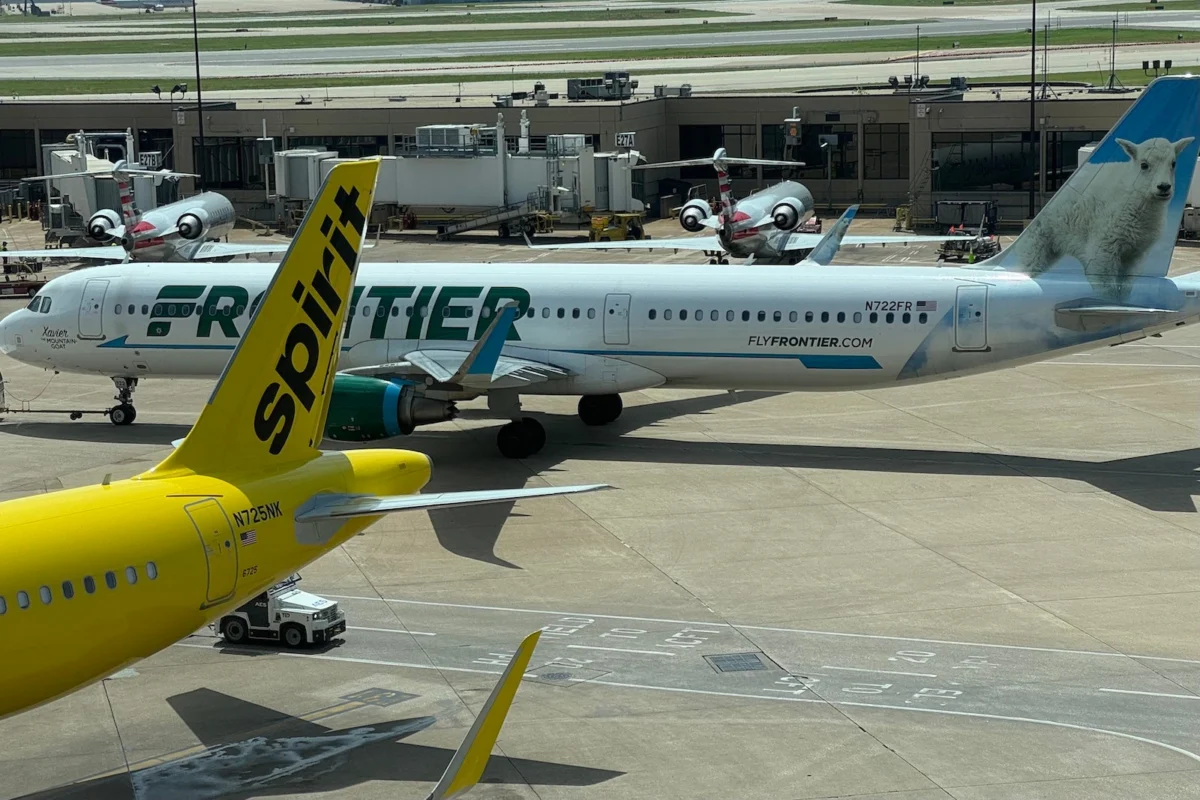
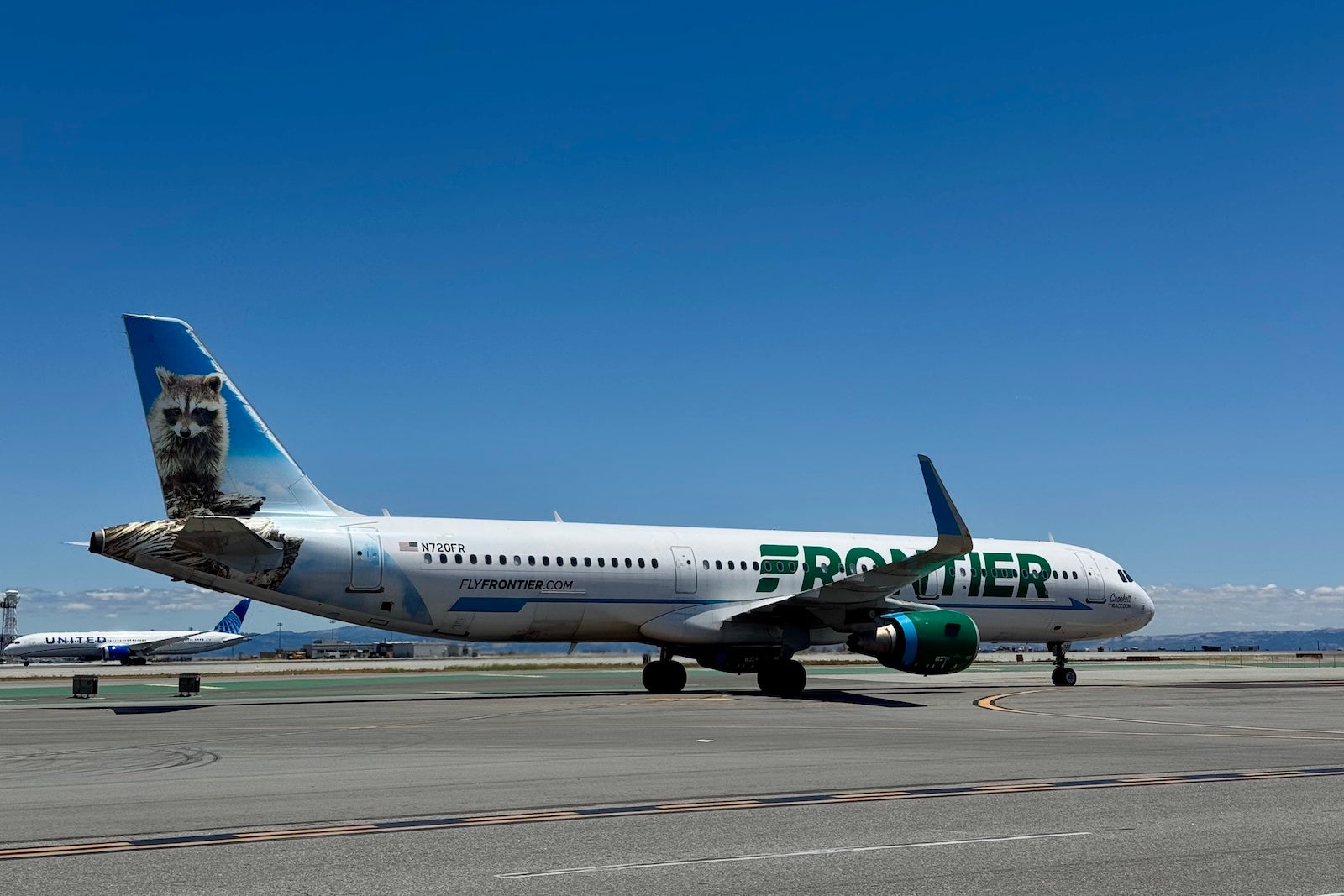
In a strategic shift that underscores the volatile nature of the ultra-low-cost carrier (ULCC) market in the United States, Frontier Airlines has officially announced its departure from John F. Kennedy International Airport (JFK). The Denver-based airline, known for its distinctive animal-themed tail fins and budget-friendly fare structures, will terminate all operations at New York City’s premier international gateway effective October 5, 2026. This move marks the end of a relatively brief and experimental tenure at an airport typically dominated by legacy carriers and high-spending international travelers. A spokesperson for Frontier confirmed the decision on Friday, noting that the final daily flight—a service connecting JFK to Hartsfield-Jackson Atlanta International Airport (ATL)—will represent the conclusion of the airline’s presence at the hub.
The exit from JFK does not come as a complete surprise to industry analysts who have been tracking Frontier’s recent network adjustments. Earlier this year, the airline began a significant retrenchment at the airport, slashing the majority of its routes and leaving Atlanta as the sole surviving destination. By choosing to eliminate the JFK-ATL route, Frontier is effectively acknowledging that the economics of operating at one of the world’s most expensive and congested airports no longer align with its current profitability goals. In an official statement, the carrier cited a combination of factors for the withdrawal, including the high overhead costs associated with JFK, fluctuating market demand, and the inherent seasonality of the travel industry. "We periodically review and update routes based on market demand, seasonality, costs associated with operating from a particular airport, and other factors," the airline stated, echoing a sentiment that has become common among ULCCs struggling to find their footing in a post-pandemic economy.
Frontier’s history at JFK lasted just over two years, a period characterized by ambitious expansion followed by a rapid retreat. The airline first touched down at JFK in June 2024, a move that was viewed at the time as a bold gamble. Traditionally, budget airlines like Frontier prefer secondary airports—such as Long Island MacArthur Airport (ISP) or New York Stewart International Airport (SWF)—where landing fees are lower and gate access is easier to manage. However, under a broader "network shake-up" strategy, Frontier attempted to challenge incumbents like Delta Air Lines, JetBlue, and American Airlines on their home turf. At its peak during the summer of 2025, Frontier served eight nonstop destinations from JFK, offering a low-cost alternative for travelers heading to leisure hotspots and major domestic hubs.
The airline’s commitment to JFK seemed solidified as recently as last year when it announced plans to become a tenant in the airport’s upcoming Terminal 6. That multi-billion-dollar redevelopment project, currently under construction, was intended to provide Frontier with a modern base of operations to better compete for the New York City traveler. With the announcement of its total exit, those plans appear to have been abandoned, representing a significant pivot in the airline’s long-term infrastructure strategy. The decision to forgo a presence in a brand-new terminal suggests that the cost-benefit analysis of operating out of JFK simply did not pencil out, especially as the airline seeks to stabilize its balance sheet.
The challenges of operating a low-cost model at JFK are manifold. As a "slot-controlled" airport, JFK is one of the most difficult environments in the world for an airline to maintain operational efficiency. Delays are frequent due to heavy international traffic and complex airspace, which can wreak havoc on a ULCC’s "quick-turn" model, where aircraft need to spend as little time on the ground as possible to remain profitable. Furthermore, the Port Authority of New York and New Jersey imposes some of the highest landing fees and terminal rents in the country. For an airline that relies on thin margins and ancillary revenue—such as baggage fees and seat assignments—to offset low base fares, the high cost of doing business at JFK often proves prohibitive.
Despite the departure from JFK, Frontier is not abandoning the New York metropolitan area entirely. The airline continues to maintain a robust presence at LaGuardia Airport (LGA) and Newark Liberty International Airport (EWR). From LaGuardia, Frontier currently serves four key markets: Atlanta (ATL), Dallas/Fort Worth (DFW), Charlotte (CLT), and Orlando (MCO). At Newark, the airline offers a similar roster of flights to ATL, DFW, and MCO. These airports, while also expensive, offer different competitive dynamics. LaGuardia, following its massive multi-year renovation, has become more attractive for domestic-focused carriers, while Newark serves as a critical alternative for travelers in New Jersey and Manhattan’s West Side.
The broader context of Frontier’s decision involves the recent seismic shifts in the ultra-low-cost sector, most notably the collapse and subsequent restructuring of its primary rival, Spirit Airlines. For years, Frontier and Spirit engaged in fierce price wars, often cannibalizing each other’s profits on identical routes. With Spirit’s footprint significantly diminished in the Northeast, Frontier has had to decide whether to aggressively fill the vacuum or adopt a more conservative approach. Frontier’s CEO, James Dempsey, has signaled that the airline will choose the latter. In recent interviews, Dempsey emphasized a "methodical" and "cherry-picking" strategy for future route planning. Rather than chasing market share at any cost, Frontier is now focusing on high-utilization routes where it can maintain a clear competitive advantage and sustainable margins. "We’ll be cherry-picking what we think is the right path and market to go into the future," Dempsey noted, adding that while some former Spirit routes are attractive, the airline will not overextend itself.
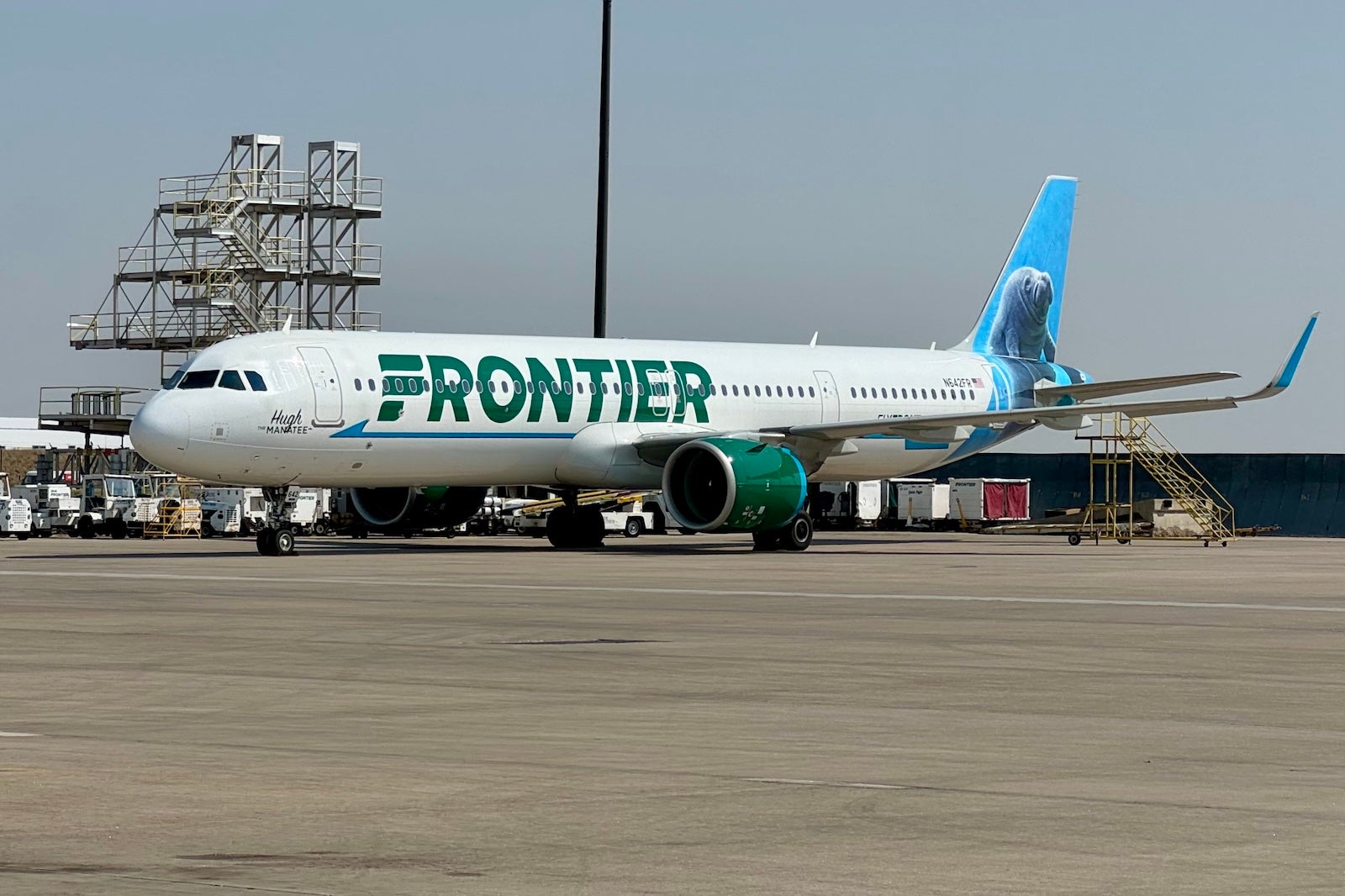
This strategic evolution is part of a larger transformation known internally as the "New Frontier." Recognizing that the traditional "bare-bones" budget model was losing favor with consumers who felt nickel-and-dimed, the airline has introduced several premium-lite features. These include "UpFront Plus" seating—which offers extra legroom and a guaranteed empty middle seat in the first two rows—and more transparent "bundled" fare options that include bags and seat selection in the initial price. This shift toward a more "high-value" offering suggests that Frontier is trying to appeal to a broader demographic, including small business travelers and more discerning leisure fliers. However, even with these upgrades, the premium-heavy environment of JFK, where passengers are accustomed to the full-service lounges and global connectivity of legacy carriers, remained a difficult sell for the Frontier brand.
Industry experts point out that Frontier’s exit from JFK is emblematic of a trend where airlines are increasingly prioritizing "fortress hubs" and profitable niches over expansive but money-losing networks. In 2026, the aviation industry faces continued headwinds, including high labor costs, fluctuating fuel prices, and delays in aircraft deliveries from manufacturers like Boeing and Airbus. In such a climate, every flight hour must be optimized. The JFK-ATL route, while popular, forced Frontier to compete directly against Delta’s massive hub operation in Atlanta. Competing with a legacy carrier on a high-frequency route from a high-cost airport is a recipe for financial strain, especially when the legacy competitor can offer frequent flyer perks and a superior terminal experience.
For travelers, the loss of Frontier at JFK means one fewer low-cost option in an already expensive market. While JetBlue and Delta provide ample service to Atlanta and other domestic points, the absence of a ULCC often leads to higher average fares as the downward pressure on pricing is removed. Travelers who previously relied on Frontier’s $49 or $79 fares out of JFK will now have to trek to LaGuardia or Newark to find similar deals, or potentially look toward secondary airports like Islip’s MacArthur Airport, which has seen a resurgence in interest from budget carriers looking to avoid the congestion of the "Big Three" New York airports.
Looking ahead, Frontier has not completely slammed the door on a return to JFK. The airline’s spokesperson indicated that the company would continue to monitor market conditions and could reconsider the airport if the economic landscape shifts or if more favorable operating terms become available in the future. "As with any station closure," the spokesperson said, "[we] will evaluate market conditions going forward to consider a return at some point in the future." For now, however, the airline is focusing its resources on markets where it can achieve higher reliability and better financial returns.
As Frontier prepares to fly its final mission out of JFK this October, the move serves as a reminder of the relentless math of the airline business. In the high-stakes world of New York aviation, even the most ambitious growth plans must eventually bow to the reality of the bottom line. Frontier’s two-year experiment at JFK will likely be studied as a case lesson in the difficulties of bridging the gap between the ultra-low-cost model and the world’s most prestigious—and expensive—aviation hubs. For the "New Frontier," the path forward is one of caution, precision, and a renewed focus on the core markets that can sustain its evolving business model.
