
 By admin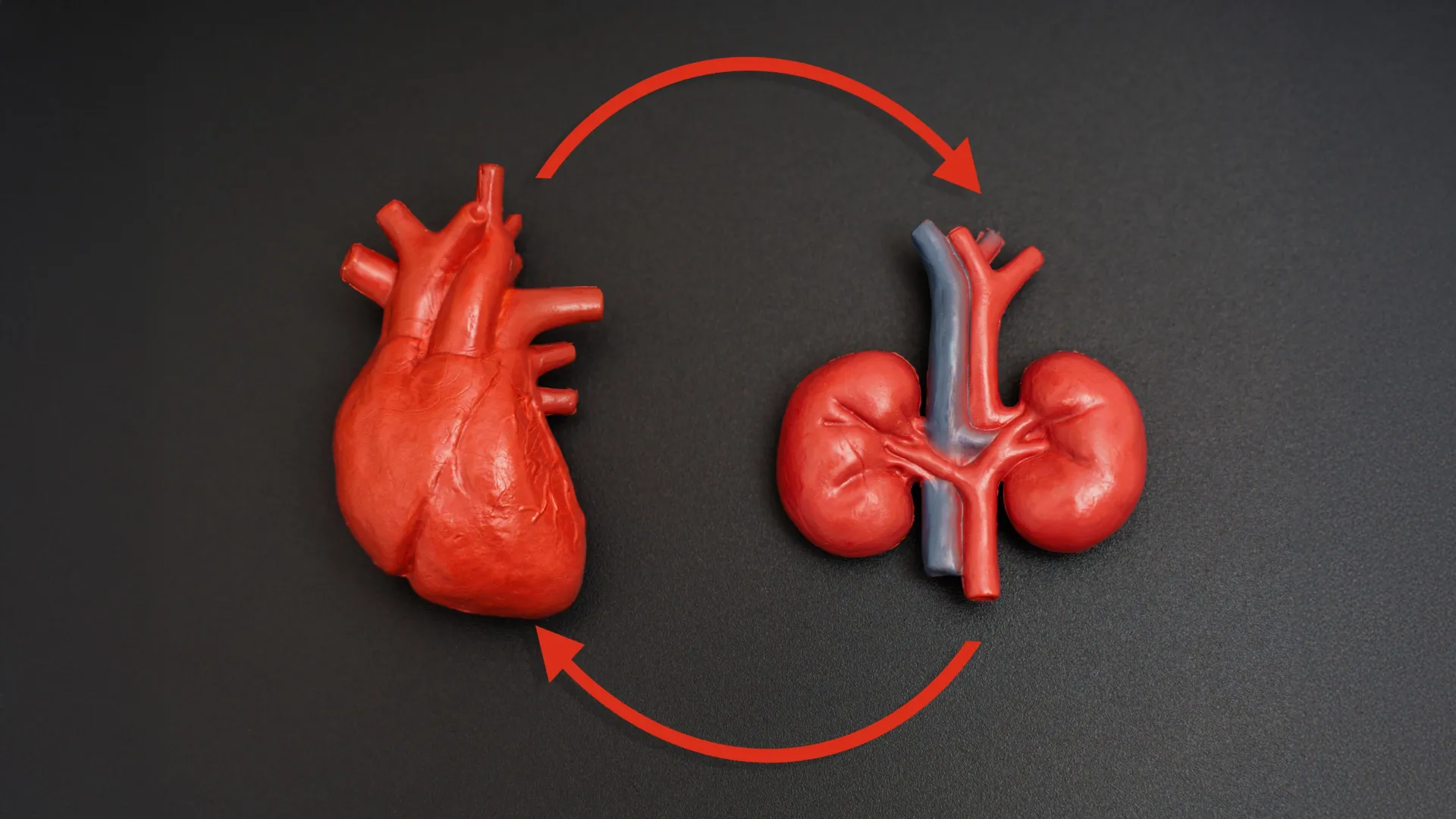
Chronic kidney disease (CKD) is precisely diagnosed when abnormalities in kidney structure or function persist for at least three months, significantly impacting an individual’s health and overall well-being. These abnormalities can manifest as reduced glomerular filtration rate (eGFR), indicating impaired kidney function, or the presence of albumin in the urine (albuminuria), a key marker of kidney damage. The insidious nature of CKD often means it progresses silently in its early stages, with many individuals remaining undiagnosed until the disease has reached an advanced point. The scale of this public health challenge is immense; an estimated 100 million people across Europe alone are grappling with CKD, a figure that mirrors a global epidemic affecting over 850 million individuals worldwide. This staggering prevalence underscores CKD not merely as a kidney disorder but as a systemic condition with far-reaching consequences. Crucially, the condition substantially increases their risk of developing a wide range of cardiovascular diseases (CVD), positioning CKD as one of the most potent and often overlooked risk factors for heart-related complications.
The Dangerous Link Between Heart and Kidney Disease: A Bidirectional Threat
The intricate relationship between the heart and kidneys, often referred to as the cardiorenal axis, is a critical area of modern medicine. When one organ is compromised, the other often follows suit, creating a vicious cycle of decline. For patients with CKD, the risk of developing cardiovascular disease is significantly amplified, often by a factor of two to five times compared to the general population. This elevated risk encompasses a spectrum of conditions, including coronary artery disease, heart failure, stroke, peripheral artery disease, and sudden cardiac death. The mechanisms underpinning this dangerous link are multifaceted, involving chronic inflammation, oxidative stress, mineral and bone disorders, anemia, hypertension, dyslipidemia, and endothelial dysfunction, all of which are common in CKD and contribute to accelerated atherosclerosis and myocardial damage.
As Task Force Chair, Associate Professor Kevin Damman from University Medical Centre Groningen, Netherlands, eloquently stated, "The disability and lifetime lost to each disease are profound, but CKD can accelerate CVD and vice versa, resulting in cardiovascular events and the need for dialysis much earlier in life." This quote encapsulates the dire reality for millions. The bidirectional nature of the relationship means that not only does CKD predispose individuals to CVD, but existing CVD, such as heart failure or hypertension, can also precipitate or worsen kidney function, leading to conditions like cardiorenal syndrome. This complex interplay results in a significantly higher burden of disease, reduced quality of life, increased healthcare expenditures, and ultimately, a shortened lifespan for affected individuals. The good news, as Associate Professor Damman highlighted, is that "there have been major advances over the last few years, which mean there are now several simple treatments that can substantially lower the risk of both cardiovascular and kidney complications." This therapeutic optimism forms the bedrock of the new guidelines.
The historical tendency for cardiology and nephrology to operate as distinct specialties, often in professional silos, has inadvertently led to fragmented patient care. Patients with coexisting heart and kidney conditions frequently found themselves navigating a complex healthcare landscape, receiving care that was not always fully integrated or optimized for their dual diagnosis. Recognising this challenge, the new guidelines place a strong emphasis on identifying kidney problems earlier in people already receiving treatment for cardiovascular disease. This proactive approach aims to bridge the historical gap and foster a more holistic view of patient health.
Task Force Chair, Professor William Herrington from the University of Oxford, UK, underscored this critical point: "Many patients with CKD are treated by the cardiology community and the new ESC Guidelines aim to increase the use of kidney function and urine albumin testing in patients with CVD." This statement highlights a fundamental shift in responsibility, empowering cardiologists to actively screen for kidney disease, moving beyond simply managing the heart to understanding the systemic implications of renal impairment. Professor Herrington added, "With improved screening, more at-risk patients can be identified, and the most appropriate treatments for both CKD and CVD can be prescribed." This integration of screening practices is not merely an add-on but a fundamental enhancement to routine cardiovascular assessment, ensuring that the patient’s entire physiological landscape is considered.
A New STAMP on CKD Strategy: A Comprehensive Framework for Integrated Care
To facilitate the adoption and implementation of these comprehensive recommendations, the Task Force ingeniously created the ‘STAMP on CKD’ acronym. This mnemonic device provides a clear, structured, and memorable framework for healthcare professionals: Screen, Triage, Address CKD Risk, Modify CVD management, and Plan health services. Each component represents a crucial step in the integrated management pathway, designed to ensure no patient with coexisting heart and kidney disease is overlooked or undertreated.
S – Screen: Screening is unequivocally the first and most foundational step in the STAMP strategy. The guidelines issue a robust recommendation for universal screening: testing every patient with CVD for CKD at the time cardiovascular disease is diagnosed. This proactive screening involves two simple yet powerful diagnostic tools: a blood test to estimate glomerular filtration rate (eGFR) from serum creatinine, and a urine test to determine the albumin-to-creatinine ratio (UACR). The eGFR provides a measure of how well the kidneys are filtering waste from the blood, while the UACR detects albuminuria, an early and sensitive marker of kidney damage, even when eGFR might still be within a normal range. The emphasis on both tests is critical because albuminuria can precede a significant drop in GFR, offering an invaluable window for early intervention. This systematic screening approach is expected to significantly increase the detection rate of CKD among cardiovascular patients, allowing for earlier intervention and potentially preventing progression to more severe stages.
T – Triage: Once CKD is identified, the next step, Triage, focuses on determining the patient’s prognosis and risk profile. This involves evaluating how likely a patient is to develop progressive kidney failure, as well as thoroughly assessing their overall cardiovascular risk. The guidelines advocate for the use of validated risk scoring tools that specifically incorporate kidney function parameters (eGFR and UACR) alongside traditional cardiovascular risk factors. These sophisticated tools enable healthcare professionals to stratify patients into different risk categories, guiding the intensity of subsequent monitoring, the urgency of interventions, and the appropriate referral pathways. This personalized risk assessment ensures that resources are allocated effectively and that patients at the highest risk receive the most intensive and timely care.
A – Address CKD Risk: Embracing Novel and Established Therapies
The third priority, Addressing CKD Risk, centers on the timely introduction of proven, cost-effective therapies early enough to slow the progression of CKD and substantially lower the likelihood of cardiovascular events. This section of the guidelines reflects the significant therapeutic breakthroughs of recent years. As Associate Professor Damman explained, "Early use of drugs called RAS inhibitors and SGLT2 inhibitors alongside statin-based therapy are particularly important and effective."
- Renin-Angiotensin System (RAS) Inhibitors: These include Angiotensin-Converting Enzyme (ACE) inhibitors and Angiotensin Receptor Blockers (ARBs). For decades, RAS inhibitors have been cornerstones in the management of hypertension and heart failure. Their renoprotective effects, particularly their ability to reduce proteinuria and slow the progression of kidney disease, are well-established. They work by blocking the effects of angiotensin II, a powerful vasoconstrictor, thereby reducing blood pressure, decreasing intraglomerular pressure, and mitigating kidney damage.
- Sodium-Glucose Co-Transporter 2 (SGLT2) Inhibitors: The inclusion of SGLT2 inhibitors represents one of the most transformative advances in cardiorenal medicine in recent memory. Initially developed for type 2 diabetes, landmark clinical trials have unequivocally demonstrated their remarkable benefits in patients with heart failure and CKD, irrespective of diabetic status. These drugs work by inhibiting SGLT2 in the kidney tubules, leading to increased urinary glucose excretion, diuresis, and natriuresis. Beyond glucose lowering, SGLT2 inhibitors exert pleiotropic effects, including reductions in intraglomerular pressure, improvements in renal oxygenation, anti-inflammatory actions, and favorable effects on cardiac remodeling. Their ability to simultaneously improve cardiovascular outcomes, reduce heart failure hospitalizations, and slow CKD progression has positioned them as foundational therapy for a vast cohort of patients.
- Statin-Based Therapy: Statins remain indispensable for cardiovascular risk reduction. By lowering cholesterol levels, particularly LDL-C, statins reduce atherosclerotic plaque formation and stabilize existing plaques, thereby preventing myocardial infarction and stroke. Their pleiotropic effects, including anti-inflammatory and antioxidant properties, may also offer some kidney protection.
Beyond pharmacotherapy, the guidelines implicitly underscore the importance of comprehensive lifestyle modifications, including dietary interventions (e.g., reduced sodium intake), regular physical activity, smoking cessation, and weight management. These foundational measures are critical for both CVD and CKD risk reduction and enhance the efficacy of pharmacological treatments.
M – Modify CVD Management: Tailoring Treatments for Dual Diagnosis
The fourth component, Modifying CVD Management, recognizes that reduced kidney function can profoundly affect the body’s ability to clear certain medicines. This necessitates careful adjustment of cardiovascular treatments to ensure both efficacy and safety in individuals with CKD. The guidelines provide specific advice on which treatments can be used safely, which require dose adjustments, and when standard options may not be appropriate due to altered pharmacokinetics or pharmacodynamics in the context of impaired kidney function. For example, the dosing of certain anticoagulants, antiarrhythmics, and even some diuretics may need to be modified based on eGFR. Additionally, certain medications that are typically safe for cardiac patients, such as non-steroidal anti-inflammatory drugs (NSAIDs), can be detrimental to kidney function and should be used with extreme caution or avoided in CKD patients. This section emphasizes the importance of personalized medicine, careful medication reconciliation, and ongoing pharmacovigilance to prevent adverse drug reactions and optimize therapeutic outcomes.
P – Plan Health Services: Fostering Collaborative Care Models
The final and arguably most crucial part of the STAMP strategy focuses on Planning Health Services. This involves reorganizing and optimizing healthcare delivery so that patients at greatest risk can be recognized quickly and receive timely, coordinated care from both cardiologists and nephrologists. The guidelines advocate for models of care that break down traditional departmental barriers and promote interdisciplinary collaboration.
As Professor Herrington aptly noted, "Active and efficient communication between specialties is often necessary due to the complexities associated with CKD." This implies the establishment of multidisciplinary teams, integrated clinics, shared electronic health records, and regular joint consultations where cardiologists and nephrologists can collaboratively assess patients, formulate treatment plans, and monitor progress. Such models ensure a seamless transition of care, prevent duplication of services, and provide a unified message to the patient.
Moreover, the guidelines place significant emphasis on the engagement of patients and their families/caregivers in the multidisciplinary care process. This approach helps to ensure that patients’ priorities are met, improves their overall experience within the healthcare system, and promotes truly patient-centered care. To facilitate this, a dedicated patient version of the guidelines has also been developed. This accessible resource aims to help individuals better understand their condition, its implications, and the rationale behind their treatment plans, empowering them to participate more confidently and actively in shared decision-making with their healthcare providers. This commitment to patient education and empowerment is vital for improving adherence to complex treatment regimens and fostering a sense of partnership in managing chronic conditions.
Broader Implications, Challenges, and Future Directions
The issuance of these landmark guidelines by the European Society of Cardiology in partnership with the European Renal Association represents a significant leap forward in the fight against cardiovascular and kidney diseases. As the Task Force Chairs concluded, "CVD and CKD are major burdens on patients, healthcare systems and society." The economic impact alone is staggering, with billions spent annually on managing these conditions, including costs associated with hospitalizations, medications, dialysis, and transplantations, not to mention the immense societal cost of lost productivity and diminished quality of life.
The successful implementation of these guidelines, however, will not be without its challenges. It will require a paradigm shift in medical education and practice, encouraging cardiologists to embrace nephrology principles and vice versa. It will necessitate significant investment in healthcare infrastructure to support integrated clinics and multidisciplinary teams. Furthermore, raising awareness among primary care physicians, who often serve as the first point of contact for many patients, will be crucial for early detection and appropriate referral. Overcoming established professional silos and fostering a culture of true collaboration will be paramount.
Despite these hurdles, the potential benefits are immense. The guidelines offer a roadmap to prevent progression, reduce hospitalizations, improve quality of life, and ultimately save lives. They lay the groundwork for a more proactive, integrated, and patient-centered approach to care. The call to action is clear: "The key messages in these guidelines should be noted by all relevant healthcare stakeholders and policymakers." This includes not only clinicians but also health administrators, policy shapers, and medical educators, all of whom have a role to play in translating these recommendations into tangible improvements in patient care.
Finally, the guidelines acknowledge that there are still "several gaps in the evidence" that require further research. Future studies will need to explore the long-term outcomes of integrated care models, investigate novel biomarkers for earlier risk stratification, examine the cost-effectiveness of these interventions across diverse healthcare systems, and address specific populations, such as ethnic minorities or those with rare forms of cardiorenal disease. By continuously refining our understanding and treatment strategies, the medical community can further enhance the impact of these guidelines. Raising awareness and fostering a collaborative spirit will help realize the hope that these comprehensive guidelines will lead to important individual and societal improvement for those with, or at risk of, CVD and CKD, ushering in an era where the dangerous link between the heart and kidneys is systematically addressed and effectively managed.
