
 By admin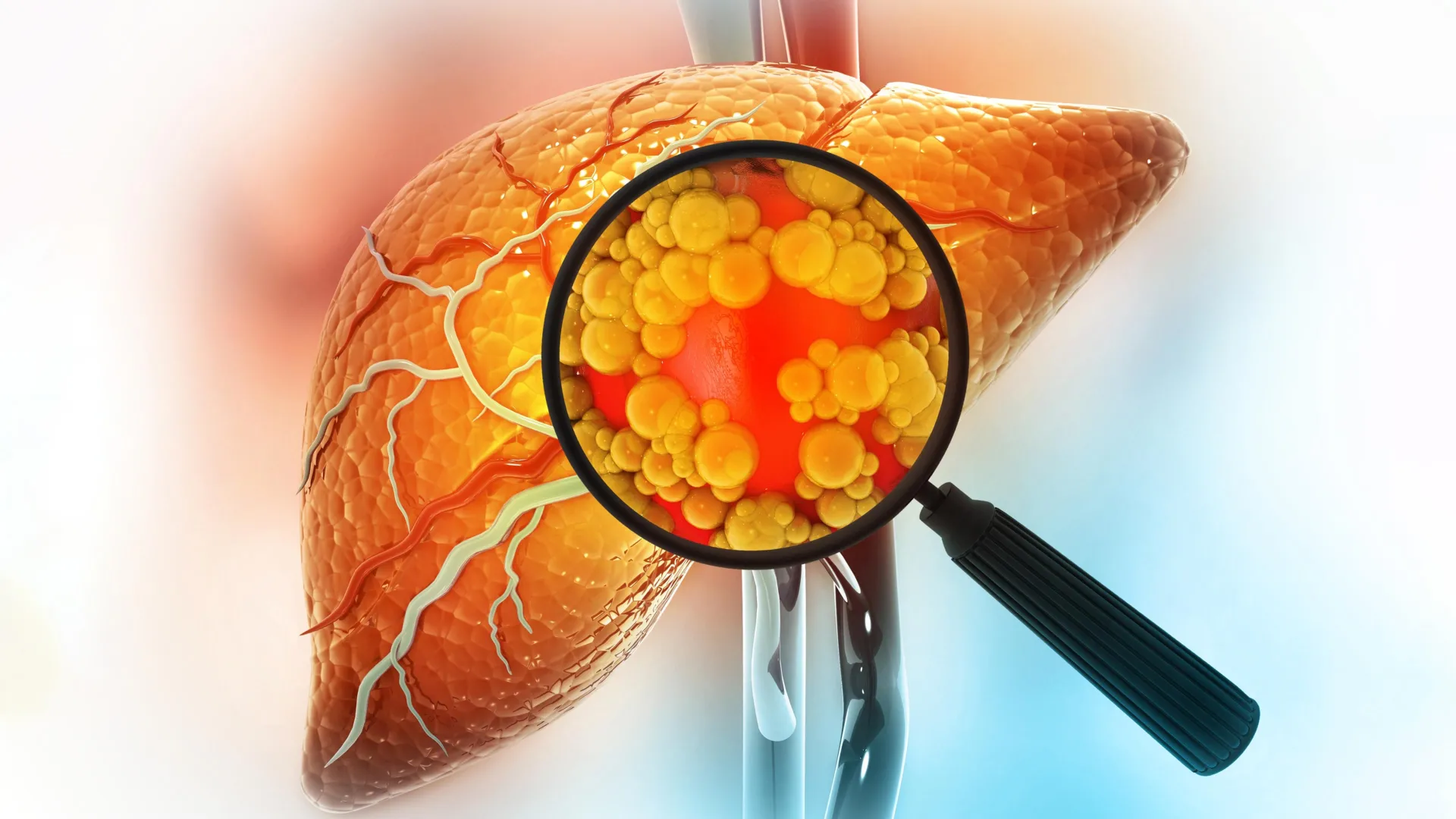
However, a growing body of scientific research is complicating the once straightforward idea that these alternatives are automatically healthier or metabolically inert. While they may reduce calorie intake from sugar, emerging evidence suggests they can have unforeseen and complex metabolic effects that challenge their long-held "harmless" reputation. A recent groundbreaking study, in particular, suggests that sorbitol, a widely used sugar alcohol, may not be as benign as many people assume, potentially carrying metabolic implications that warrant closer scrutiny.
Sorbitol: A Deceptive Sweetener Just One Step Away From Fructose
The research, recently published in the prestigious journal Science Signaling, brings to light a critical concern regarding sorbitol’s metabolic fate within the human body. This study builds upon an extensive line of inquiry from the laboratory of Dr. Gary Patti at Washington University in St. Louis, a distinguished institution at the forefront of metabolic research. Dr. Patti’s previous work has profoundly shaped our understanding of how fructose, a simple sugar found naturally in fruits and honey but also heavily processed into high-fructose corn syrup, impacts the liver and other vital organs.
Dr. Patti, holding the esteemed title of Michael and Tana Powell Professor of Chemistry, in Art & Sciences, and of genetics and medicine, at WashU Medicine, has dedicated significant effort to investigating the intricate processes that unfold when fructose is metabolized by the liver. His earlier pioneering work demonstrated that the metabolic byproducts of fructose can be strategically co-opted by cancer cells, effectively fueling their proliferation and promoting tumor growth. This discovery opened new avenues in cancer metabolism research, suggesting a potential link between dietary fructose and disease progression.
Beyond cancer, other research from Dr. Patti’s lab and the broader scientific community has firmly identified fructose as a significant and often underappreciated contributor to steatotic liver disease, commonly known as fatty liver disease. This condition, characterized by an excessive accumulation of fat within liver cells, is a global health crisis, affecting an alarming approximately 30% of adults worldwide. Left unchecked, steatotic liver disease can progress to more severe forms, including inflammation (steatohepatitis), fibrosis, cirrhosis, and even liver cancer, highlighting the profound public health implications of understanding fructose metabolism.
The new findings from Dr. Patti’s team raise substantial concerns about sorbitol precisely because of its remarkably close metabolic connection to fructose. Dr. Patti starkly described sorbitol as being "one transformation away from fructose," a statement that underscores the metabolic proximity between the two compounds. This means that once ingested or produced within the body, sorbitol can be readily converted into a closely related form that may, in turn, produce similar detrimental effects on metabolic health as fructose itself. This metabolic pathway effectively turns a seemingly innocuous sugar alcohol into a potential source of fructose-like compounds, circumventing the very reason many consumers opt for "sugar-free" alternatives.
From the Gut to the Liver: Tracing Sorbitol’s Journey
To unravel the complex metabolic journey of sorbitol within the body, the researchers employed sophisticated experiments using zebrafish as their model organism. Zebrafish are an excellent choice for such studies due to their genetic similarity to humans, rapid development, and transparent bodies, which allow for real-time visualization of metabolic processes.
Sorbitol is a ubiquitous ingredient in the modern food supply. It is commonly added to "low-calorie" candies, chewing gums, and various other processed foods, providing sweetness with fewer calories and often a cooling sensation. Beyond its industrial applications, sorbitol also occurs naturally in a variety of stone fruits, such as plums, peaches, and apricots, albeit typically in much smaller concentrations than those found in processed foods.
The research team made a critical discovery: sorbitol does not solely originate from dietary sources. They found that specific enzymes present in the intestine possess the capability to produce sorbitol endogenously from glucose, particularly after a meal when glucose concentrations in the gut lumen are elevated. This revelation adds another layer of complexity, indicating that even individuals who consciously avoid sorbitol-containing foods might still be exposed to it through internal biochemical processes.
Once sorbitol is present, whether from food or internal production, its ultimate fate within the body can be highly variable. This variability, the study found, depends on several crucial factors: the absolute quantity of glucose and sorbitol consumed, and perhaps most significantly, the specific composition and activity of the bacteria residing in the gut microbiome. This intricate interplay creates multiple potential routes through which fructose-related compounds can ultimately appear in the liver, irrespective of direct fructose consumption.
Beyond Diabetes: Sorbitol Production in Healthy Individuals
Historically, much of the research into sorbitol metabolism has been concentrated within the context of chronic diseases such as diabetes. In diabetic individuals, persistently unusually high blood glucose levels (hyperglycemia) can activate a metabolic pathway known as the polyol pathway. This pathway involves an enzyme called aldose reductase, which converts excess glucose into sorbitol. The enzyme responsible for initiating this conversion, aldose reductase, has a relatively low affinity for glucose. In simpler terms, it typically does not become highly active until glucose concentrations rise substantially, reaching levels often associated with uncontrolled diabetes. For this reason, increased sorbitol production has long been considered a pathological hallmark of diabetes, contributing to various diabetic complications, including nerve damage (neuropathy) and eye damage (retinopathy).
However, the groundbreaking zebrafish experiments conducted by Dr. Patti’s team challenged this long-held assumption. Their findings unequivocally demonstrated that diabetes is not a prerequisite for significant sorbitol production within the body. Even under conditions considered healthy, where systemic blood glucose levels are within the normal range, glucose concentrations inside the gut lumen can become sufficiently high after a meal to trigger substantial sorbitol production in the intestine. This occurs because the localized concentration of glucose in the gut after digestion can temporarily spike, activating aldose reductase even when overall blood glucose remains stable.
"It can be produced in the body at significant levels," Dr. Patti explained, highlighting the ubiquity of this internal production pathway. Yet, he added a crucial caveat: "But if you have the right bacteria, turns out, it doesn’t matter." This statement points to the pivotal role of the gut microbiome as a protective barrier against sorbitol’s potential adverse effects.
Gut Bacteria: A Protective Filter Against Sorbitol’s Harm
This leads to one of the most compelling insights of the study: the profound influence of the gut microbiome on sorbitol’s metabolic fate. The researchers discovered that certain strains of bacteria possess the remarkable ability to intercept and neutralize sorbitol. Specifically, sorbitol-degrading Aeromonas bacterial strains were identified as key players. These beneficial microbes can effectively consume the sugar alcohol, breaking it down and converting it into harmless bacterial byproducts.
This microbial cleanup process acts as a crucial protective filter, determining whether sorbitol remains confined to the digestive tract, where it can be harmlessly excreted or processed by bacteria, or whether it travels farther into the systemic circulation and reaches the liver.
"However, if you don’t have the right bacteria, that’s when it becomes problematic," Dr. Patti emphasized. "Because in those conditions, sorbitol doesn’t get degraded and as a result, it is passed on to the liver." Once sorbitol bypasses this microbial defense and reaches the liver, it can then be converted into a derivative of fructose, unleashing its potential for adverse metabolic consequences. This highlights the delicate balance of the gut ecosystem and its critical role in processing dietary compounds. Factors like antibiotic use, diet, stress, and lifestyle choices can all influence the composition of the gut microbiome, potentially impacting an individual’s susceptibility to sorbitol’s effects.
This finding is particularly relevant and carries significant implications for individuals with diabetes and other metabolic disorders. These populations often deliberately choose products labeled "sugar-free" or "diet" in a conscious effort to avoid the well-documented health effects associated with consuming table sugar (sucrose) and refined carbohydrates. Understanding whether alternative sweeteners, including sorbitol, truly offer a healthier metabolic outcome, or if they merely replace one set of problems with another, is therefore of paramount importance for guiding dietary choices and public health recommendations.
Too Much Sorbitol Can Overwhelm the Gut’s Defenses
The study also elucidated the dose-dependent nature of the gut microbiome’s protective capacity. At relatively low levels of sorbitol intake, such as the quantities typically obtained from naturally occurring sources like fruit, the resident gut bacteria appear to be highly effective at metabolizing and removing sorbitol before it can cause problems. The microbial ecosystem is well-equipped to handle these modest loads.
However, the situation can drastically change when the amount of sorbitol in the gut rises beyond the processing capacity of these beneficial microbes. This can occur through at least two primary mechanisms. Firstly, consuming large amounts of glucose, particularly in a single sitting, can cause the intestine to produce significantly more glucose-derived sorbitol internally, thereby increasing the overall load. Secondly, directly consuming large quantities of sorbitol from processed foods (e.g., multiple "sugar-free" candies or chewing gums) can also rapidly elevate the total sorbitol burden in the gut.
As glucose and sorbitol intake climbs, even individuals who harbor robust populations of beneficial sorbitol-degrading bacteria may eventually overwhelm those microbes’ ability to keep pace. The bacterial "cleanup crew" simply cannot process the influx quickly enough, allowing unmetabolized sorbitol to escape into the systemic circulation and reach the liver.
This intricate interplay makes navigating the landscape of sweeteners increasingly difficult for the average consumer. Many processed foods today contain not just one, but several forms of sugar and sugar substitutes simultaneously, often listed ambiguously on ingredient labels. Dr. Patti himself discovered this firsthand when he realized that his own favorite protein bar, intended as a healthy snack, contained a substantial amount of sorbitol, illustrating how pervasive these compounds are in our diets and how difficult it can be to avoid them without meticulous label reading.
Sugar Alcohols: Not Simply Passing Through the Body
Sorbitol belongs to a broader group of compounds known as polyols, or more commonly, sugar alcohols. These compounds are widely employed in the food industry because they provide a desirable level of sweetness while often supplying fewer calories than ordinary table sugar. Furthermore, they are generally not metabolized by oral bacteria, making them non-cariogenic (friendly to dental health).
A long-standing and common assumption within both the scientific community and among consumers has been that these sugar alcohols are largely expelled from the body without causing major metabolic effects. They are often perceived as inert fillers that provide sweetness without physiological consequence, due to their typically poor absorption in the small intestine. However, the new findings from Dr. Patti’s laboratory forcefully suggest that this story is far more complicated and nuanced than previously thought.
While Dr. Patti’s laboratory is still actively working to determine the precise biochemical mechanisms by which bacteria break down and remove sorbitol, their research has already provided clear and compelling evidence that sorbitol does not necessarily remain confined to the digestive tract. It can and does escape the gut under certain conditions.
"We do absolutely see that sorbitol given to animals ends up in tissues all over the body," Dr. Patti stated, directly challenging the notion of its metabolic inertness. This systemic distribution suggests that sorbitol, once absorbed, can interact with various physiological pathways beyond just the liver, though the full extent of these interactions requires further investigation.
These findings reinforce a broader and increasingly important lesson emerging from research on alternative sweeteners across the board. The act of simply replacing ordinary sugar with another sweet-tasting compound does not automatically eliminate potential metabolic consequences. The human body’s metabolic machinery is incredibly complex, and seemingly minor dietary substitutions can trigger unforeseen downstream effects.
As Dr. Patti succinctly summarized it, echoing a timeless adage, "there is no free lunch" when searching for sugar alternatives. This is particularly true when considering the liver, a central metabolic organ, where several metabolic pathways can ultimately converge and lead toward liver dysfunction. The study underscores the critical need for a more holistic understanding of how these widely consumed compounds interact with our unique biology and gut microbiomes, rather than simply focusing on their caloric or glycemic impact. Future research will undoubtedly delve deeper into human studies, the precise bacterial mechanisms involved, and the long-term health implications of chronic sorbitol exposure.
This groundbreaking work was made possible through the generous support of the National Institutes of Health, specifically through grants R35ES028365 (awarded to G.J.P.) and P30DK056341 (awarded to S.K.), demonstrating the commitment to unraveling the complexities of metabolic health and dietary interventions.
