
 By admin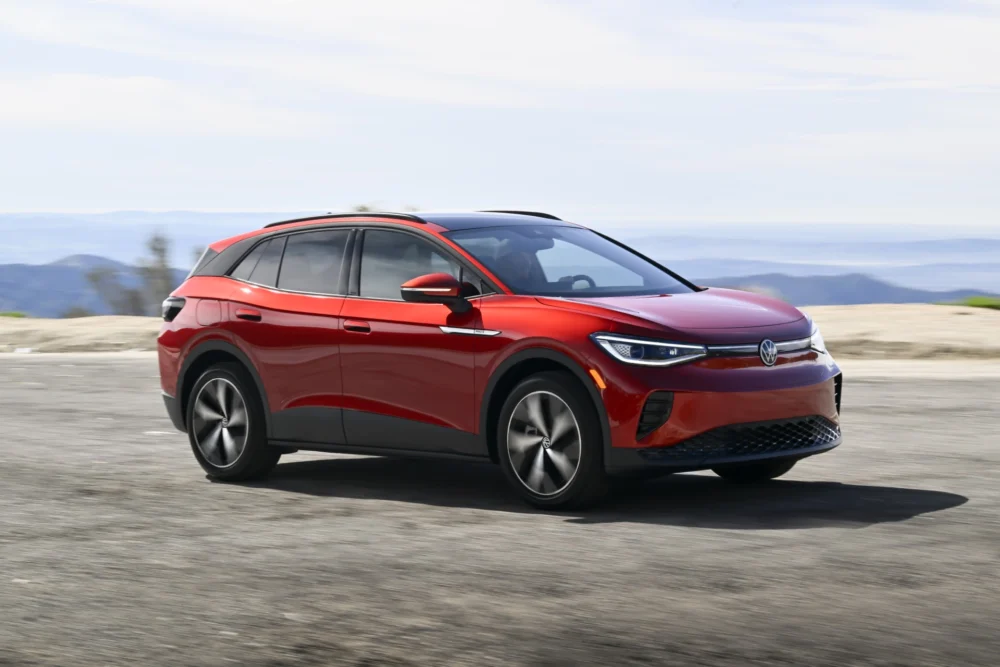
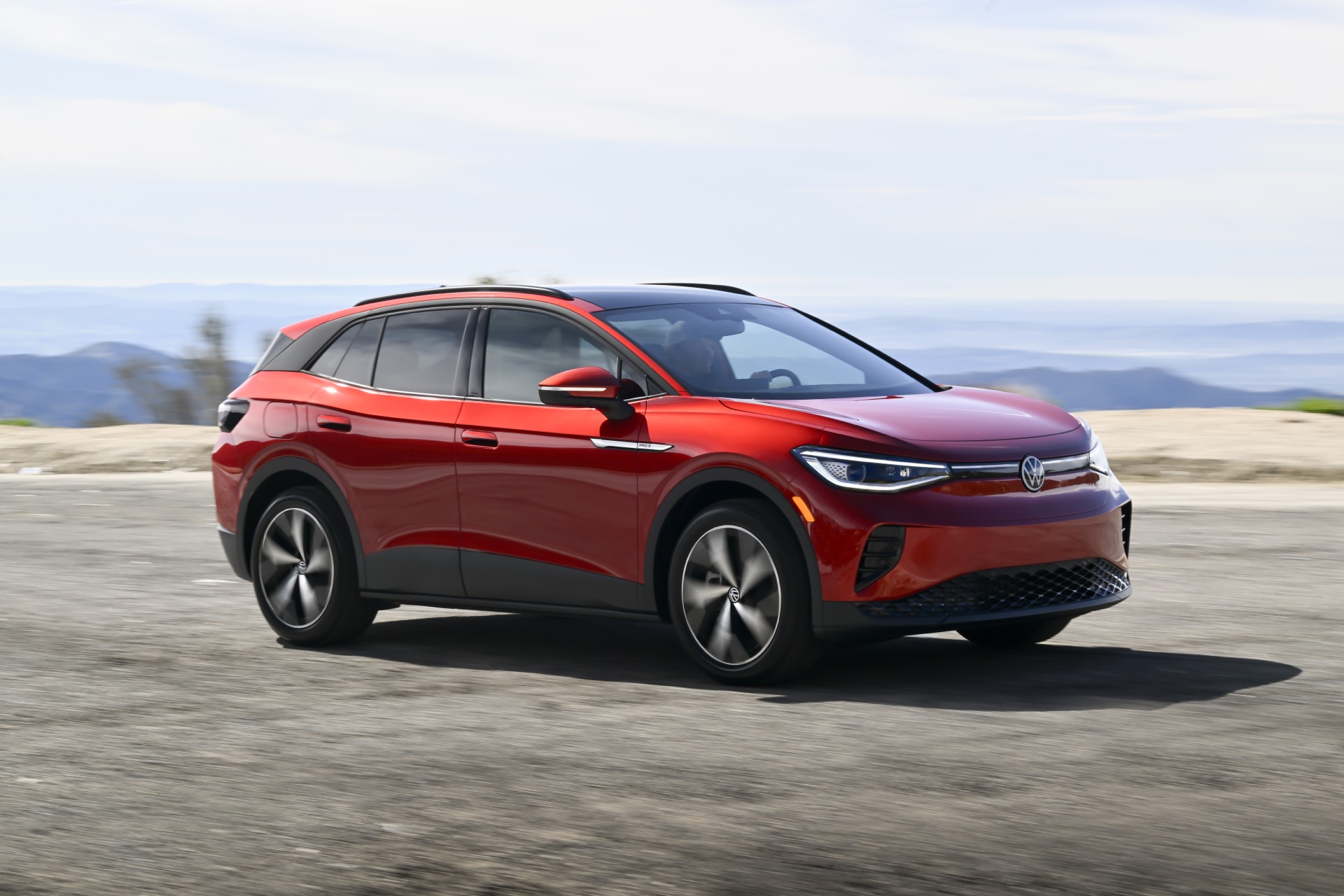
Volkswagen Group of America has initiated a significant recall affecting nearly 14,000 of its electric vehicles, specifically the 2024 Volkswagen ID.4 and 2024-2025 Audi Q4 E-Tron and Q4 E-Tron Sportback models. The recall, impacting 13,769 units, addresses a critical issue with the 12-volt battery charging system, a component often overlooked but vital for the operation of modern electric vehicles. This defect can lead to a complete loss of power, various electronic malfunctions, or the inability to restart the vehicle once it has been turned off, posing potential safety risks for drivers.
Contrary to what many might assume in an electric vehicle recall, the problem does not lie with the high-voltage battery packs responsible for propulsion. Instead, the focus is on the auxiliary 12-volt battery, which powers essential low-voltage systems such as the vehicle’s infotainment, lighting, power steering, braking systems, and even the "boot-up" sequence that prepares the car for driving. The core of the issue, as identified by the National Highway Traffic Safety Administration (NHTSA), is a manufacturing defect within the onboard charger designed to replenish this 12-volt battery. An insufficient protective coating on a printed circuit board within this charger can allow condensation to accumulate, leading to a malfunction.
When this malfunction occurs, the 12-volt battery ceases to recharge, gradually draining its stored power. As the 12-volt battery’s voltage drops below a critical threshold, the vehicle’s electronic systems begin to fail. This can manifest as a sudden loss of critical functions, including power steering and potentially power brakes, alongside the complete shutdown of the infotainment system, dashboard displays, and other accessory functions. Most critically, it can lead to a "loss of drive power," where the vehicle either enters a reduced power "limp home" mode or completely shuts down, increasing the risk of an accident, especially if it occurs at speed or in heavy traffic. The NHTSA warns that if such a malfunction is detected, "the vehicle will provide several, major warnings to the driver, and the vehicle will experience reduced driving functions." However, these warnings may precede an uncommanded power loss, leaving drivers in potentially hazardous situations.
The affected models, the 2024 Volkswagen ID.4 and the 2024-2025 Audi Q4 E-Tron and Q4 E-Tron Sportback, share the Volkswagen Group’s modular electric drive matrix, or MEB platform. This common architectural foundation means that components and software solutions are often shared across these closely related models, which explains why they frequently appear together in recall campaigns. The MEB platform is central to Volkswagen Group’s ambitious electric vehicle strategy, underpinning a wide range of current and future EVs across its brands. While platform sharing offers significant economies of scale and accelerates development, it also means that a single defect in a shared component can trigger widespread recalls across multiple models, as seen in this instance.
The remedy for the faulty onboard charger is straightforward but critical: dealers will replace the entire affected unit free of charge. Since all the vehicles involved in this recall are relatively new and still under warranty, Volkswagen and Audi do not anticipate having to reimburse customers for any related costs. This is standard procedure for recalls where the manufacturer acknowledges a defect in parts or manufacturing.
Owner notification letters are scheduled to be mailed out on April 29, providing affected customers with detailed instructions on how to proceed. Volkswagen owners can contact their brand’s customer service department at 1-800-893-5298 or visit its dedicated recall website for more information. The reference number for this VW recall is 93CJ. Similarly, Audi owners can reach their customer service department at 1-800-253-2834 and find information on Audi’s recall site. Audi’s reference number for this recall is 93FR. Drivers are strongly advised to heed these notifications and schedule the necessary repair promptly to mitigate any potential safety risks.
The necessity of a 12-volt battery in electric vehicles often comes as a surprise to new EV owners, who might assume the high-voltage propulsion battery handles all electrical needs. However, the 12-volt battery remains an indispensable component in almost all EVs, serving functions that are distinct from those powered by the main traction battery. It primarily powers the vehicle’s low-voltage accessories and safety systems, including headlights, interior lights, windshield wipers, power windows, central locking, infotainment systems, airbags, and critical control modules. Crucially, it also initiates the vehicle’s startup sequence, essentially "bootstrapping" the high-voltage system into operation. In a conventional internal combustion engine (ICE) vehicle, the alternator continuously recharges the 12-volt battery. In an EV, a DC-DC converter draws power from the high-voltage battery to maintain the 12-volt battery’s charge. The current recall highlights a failure in this critical charging mechanism, underscoring that even in advanced electric vehicles, fundamental electrical system integrity is paramount for safe operation.
This particular recall is not an isolated incident for the Volkswagen ID.4 and Audi Q4 E-Tron, nor for the broader MEB platform. It represents the latest in a series of quality control challenges faced by Volkswagen Group as it rapidly scales up its electric vehicle production. Earlier this month, the two brands announced another significant recall affecting 60,490 vehicles, including the ID.4 and Q4 E-Tron, due to a software error. This flaw could prevent mandatory gear indicators from displaying correctly, creating confusion for drivers regarding the vehicle’s current drive mode (e.g., drive, reverse, neutral, park). Such an issue, while seemingly minor, could lead to unintended vehicle movement, increasing the risk of crashes or injuries, particularly when parking or maneuvering at low speeds.
Furthermore, the Volkswagen ID.4 has experienced its own set of production and quality control hurdles. VW had only just restarted sales of the ID.4 after a prior recall concerning faulty door handles. That specific issue involved door handles that could allow water intrusion, potentially leading to an electrical short circuit and an unexpected opening of the door while driving. This defect was serious enough to warrant a temporary stop-sale and production halt for the ID.4, impacting delivery schedules and undoubtedly causing frustration among eager customers. The recurrence of recalls, especially across critical safety and operational components, points to potential systemic challenges in Volkswagen Group’s quality assurance processes for its new generation of electric vehicles.
The frequent nature of these recalls raises important questions about the maturity of EV technology and the robustness of manufacturing processes, even for established automotive giants like Volkswagen. While recalls are a standard part of the automotive industry – and indeed, a sign of responsible oversight when issues are identified and addressed – a high frequency of recalls for new models can erode consumer confidence. For early adopters of electric vehicles, who are often keen advocates for the technology, repeated inconveniences can dampen enthusiasm. For prospective buyers, such news might fuel lingering doubts about the reliability and complexity of EVs compared to traditional ICE vehicles.
From an industry perspective, these challenges underscore the immense complexity of designing, manufacturing, and integrating the myriad electronic and software systems that define modern electric vehicles. As automakers push the boundaries of technology and strive for rapid innovation, ensuring flawless execution across global supply chains becomes a monumental task. Expert analysts suggest that such "teething problems" are somewhat common with new vehicle platforms and rapidly evolving technologies. However, sustained quality issues can have significant financial implications for manufacturers, including the direct costs of repairs, logistical complexities, potential litigation, and, most importantly, damage to brand reputation and market share.
Volkswagen Group has invested billions into its electric transformation, with the MEB platform being a cornerstone of this strategy. The successive recalls, while addressing safety concerns, highlight the intense pressure on manufacturers to not only innovate but also to ensure uncompromising quality as they accelerate the transition to an all-electric future. Proactive recalls, while disruptive, are ultimately essential for maintaining consumer trust and ensuring the long-term success of electric mobility. As the EV market continues to expand and mature, the ability of manufacturers to deliver consistently reliable and safe vehicles will be a key differentiator in a fiercely competitive landscape.
