
 By admin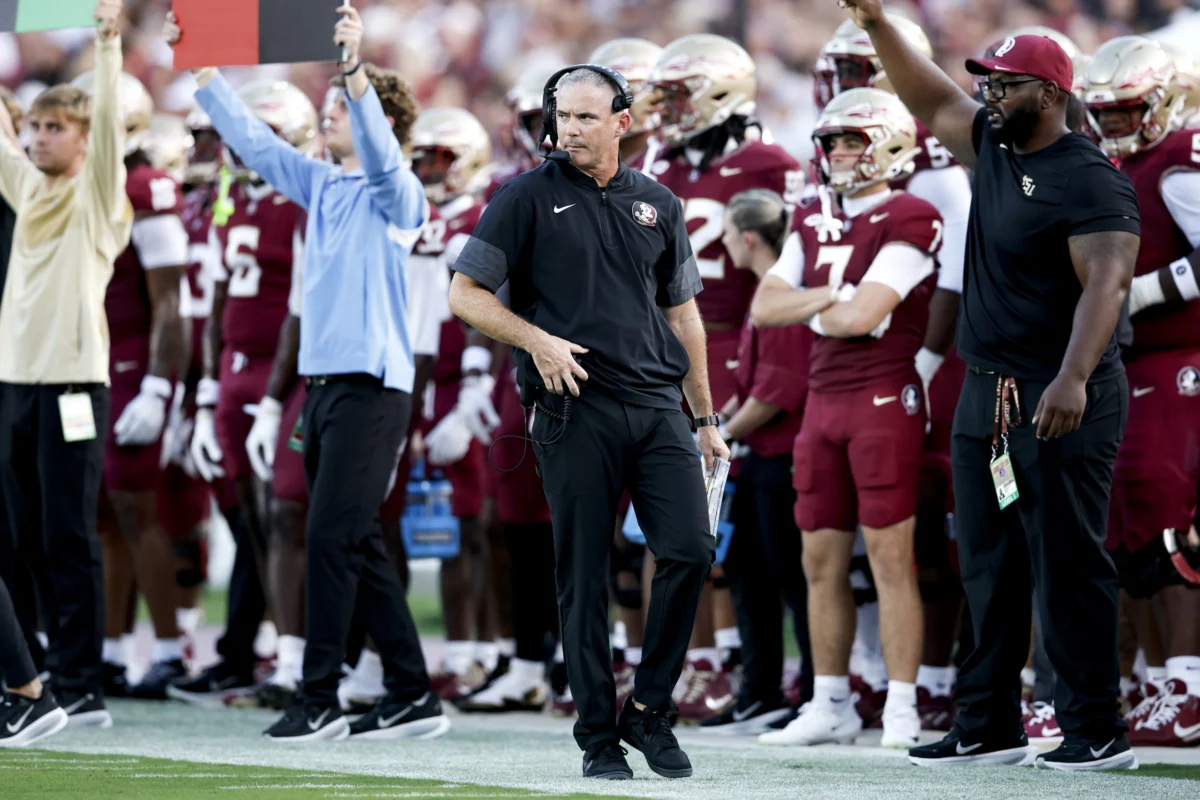
The air in Tallahassee crackles with an unfamiliar tension as Florida State head coach Mike Norvell navigates the precarious landscape of the 2026 college football season. Once hailed as a potential savior for the storied Seminoles program, Norvell now finds himself firmly entrenched on the hot seat, a stark reality underscored by two consecutive losing seasons that have chipped away at the fervent expectations of the FSU fanbase and its influential boosters. The euphoria of a perfect 13-0 regular season and an ACC championship in 2023, a seemingly distant memory, has been eclipsed by the harsh realities of a 2-10 campaign in 2024 and a subsequent 5-7 record in 2025. This dramatic downturn has thrust Norvell’s tenure under intense scrutiny, prompting a deep dive into his overall performance, the intricacies of his contract, and the potentially staggering financial implications should the university opt for a change in leadership.
As the 2026 season commences, Norvell’s overall record at Florida State stands at a middling 38-34. While this record might be acceptable for many programs, it falls far short of the championship pedigree that defines Florida State football. Within the fiercely competitive ACC, his conference record is even more concerning at 22-26 through six seasons. This consistent struggle to achieve conference dominance has fueled the growing chorus of discontent among those who believe FSU should be a perennial contender for the ACC crown and a national playoff participant. The disconnect between the program’s historical success and its recent struggles has created a palpable sense of urgency, forcing a reevaluation of Norvell’s leadership and his ability to steer the Seminoles back to glory.
The financial ramifications of any potential coaching change are particularly significant, given Norvell’s contract extensions and salary structure. He initially signed an eight-year contract extension prior to the 2024 season, a deal reportedly valued at over $84 million, averaging approximately $10 million annually and extending through the 2031 season. This substantial commitment was a testament to the faith placed in Norvell following the remarkable 2023 season. However, the subsequent performance has cast a shadow over that investment. Adding another layer of complexity, following the 2024 season, Norvell agreed to a restructured arrangement that saw $4.5 million redirected towards institutional revenue-sharing initiatives. While this move might have been intended to demonstrate financial responsibility or further align his compensation with program success, it does little to mitigate the financial burden should the university decide to part ways with him. Furthermore, his contract includes a stipulated $150,000 salary increase each season, a detail that further inflates the total compensation package over time and, consequently, any potential buyout.
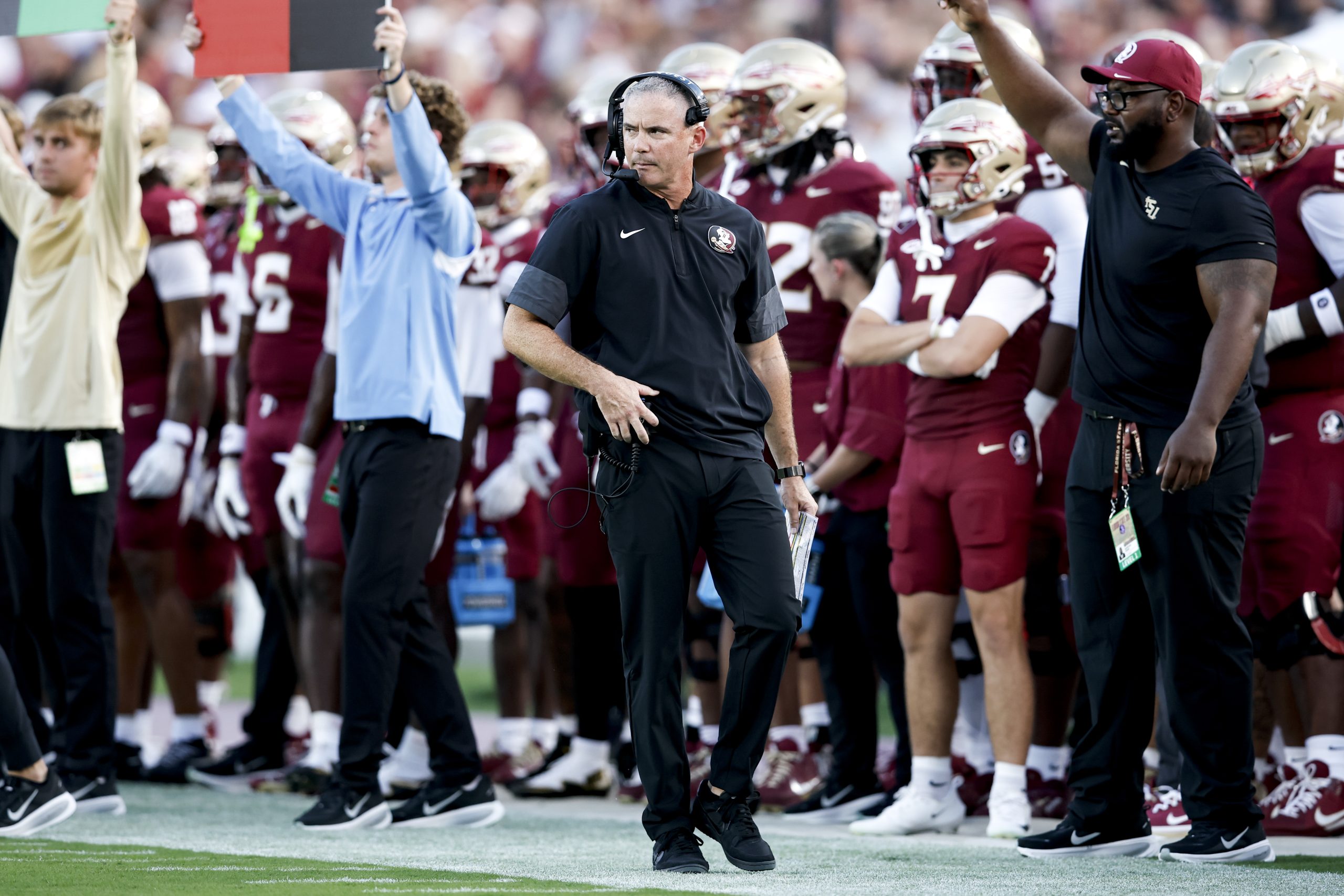
The question of Norvell’s buyout after the current 2026 season is a critical one for Florida State administrators and boosters alike. According to reports from On3.com, if Florida State terminates Norvell without cause during or before the conclusion of the 2026 season, the university would be obligated to pay him a staggering sum of approximately $51 million. This figure represents a significant financial hurdle, one that could severely impact the university’s athletic department budget and its ability to reinvest in other areas of the program. Should the decision to part ways with Norvell occur after the 2026 season concludes, the buyout figure would see a slight reduction, dropping to roughly $45.6 million. However, even this reduced amount remains a substantial financial commitment.
The structure of the buyout further details the financial obligations. On3.com also indicates that Norvell is owed 85% of his remaining salary and supplemental compensation. This means that any termination would trigger a payout that is directly tied to the remaining years of his lucrative contract. The buyout would reportedly be paid out in monthly installments of approximately $800,000 through 2031 if he were fired after the current season. This prolonged payout schedule would create a sustained financial drain on the athletic department, requiring careful budgeting and long-term financial planning. The sheer magnitude of these figures underscores the high stakes involved in Norvell’s current situation and the significant financial risk Florida State faces if they deem a coaching change necessary.
Compounding the pressure on Norvell and his staff is a challenging 2026 schedule that offers little respite. The Seminoles kicked off their 2026 campaign with a home victory against New Mexico State, a game that served as a preliminary test before facing a more formidable opponent in SMU. The early part of the season has provided a glimpse into the team’s capabilities, but the true mettle of the Seminoles will be tested in the weeks and months ahead. The remaining schedule is littered with high-profile matchups that could significantly impact the narrative surrounding Norvell’s tenure. A non-conference road contest against perennial powerhouse Alabama on September 19th represents a significant challenge, offering an opportunity for FSU to make a statement on a national stage. The regular-season finale on November 27th in Tallahassee against arch-rival Florida is always a game with immense implications, a fixture that carries the weight of bragging rights and recruiting momentum.
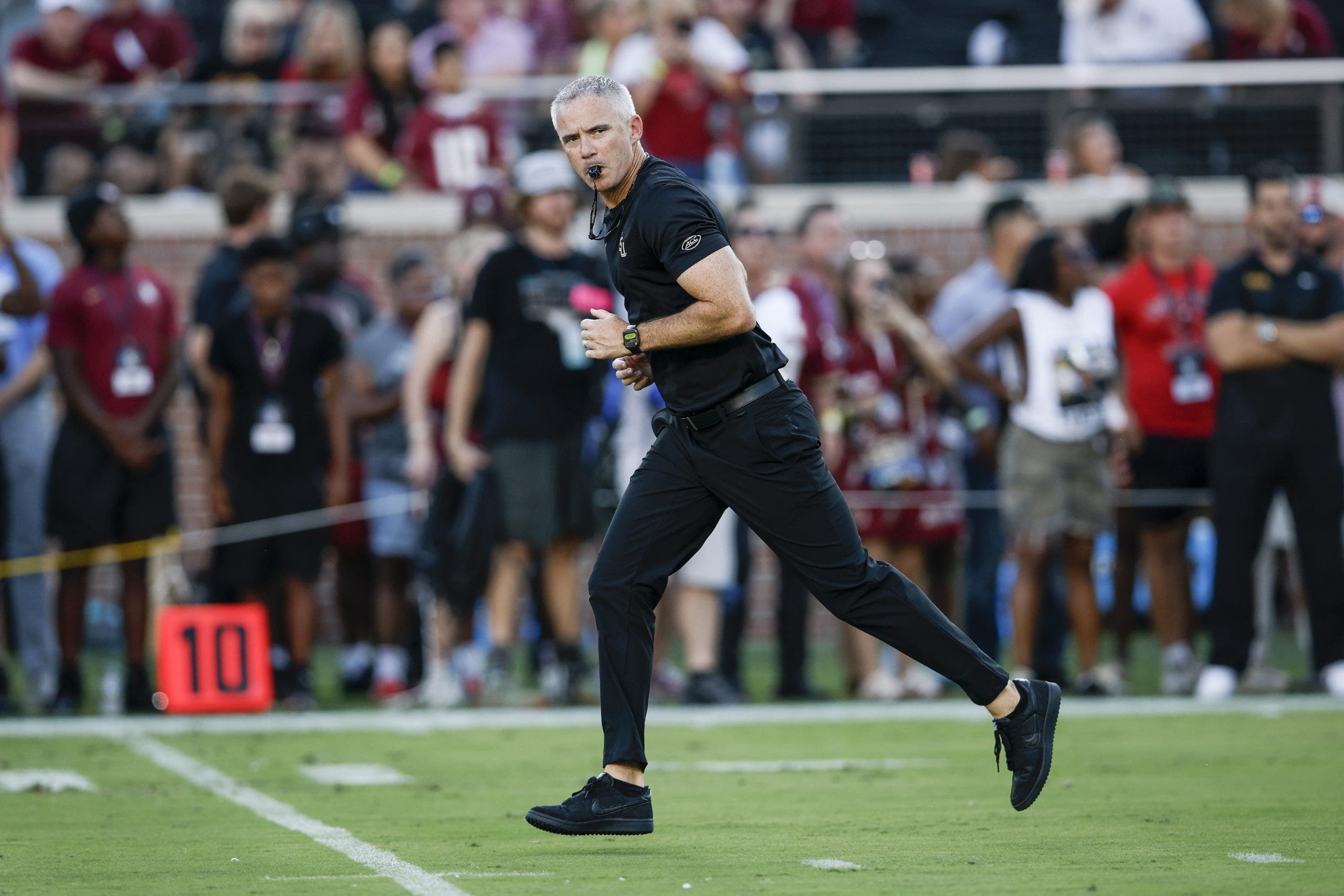
Florida State’s 2026 Football Schedule, as it stands, presents a gauntlet of tests:
- Week 1: vs. New Mexico State (W)
- Week 2: vs. SMU
- Week 3: at Alabama (September 19)
- Week 4: vs. Wake Forest
- Week 5: at Duke
- Week 6: vs. Georgia Tech
- Week 7: at Louisville
- Week 8: vs. NC State
- Week 9: at Syracuse
- Week 10: vs. Boston College
- Week 11: at Clemson
- Week 12: vs. Florida (November 27)
The prospect of navigating this demanding schedule, especially with the recent history of declining performance, creates an environment where every game outcome is magnified. A strong showing against top-tier opponents like Alabama and Clemson, or a decisive victory over Florida, could potentially alter the perception of Norvell’s leadership and provide a much-needed boost of confidence for the program. Conversely, further struggles in these high-stakes matchups would undoubtedly intensify the calls for his removal and bring the substantial buyout figure into even sharper focus.
The pressure on Mike Norvell is not merely about wins and losses; it’s about restoring Florida State to its rightful place among college football’s elite. The program’s rich history, marked by national championships and Heisman Trophy winners, sets an exceptionally high bar. Fans and boosters, accustomed to sustained success, are increasingly impatient with the perceived stagnation. The 2026 season is shaping up to be a critical juncture, where Norvell’s ability to rally his team, implement effective strategies, and overcome formidable opponents will be under the most intense scrutiny. The decisions made in the coming months will not only determine the immediate future of the Florida State football program but also carry significant financial implications that will resonate for years to come. The outcome of this season is not just about football; it’s about the strategic direction and financial health of one of college athletics’ most storied institutions.
