
 By admin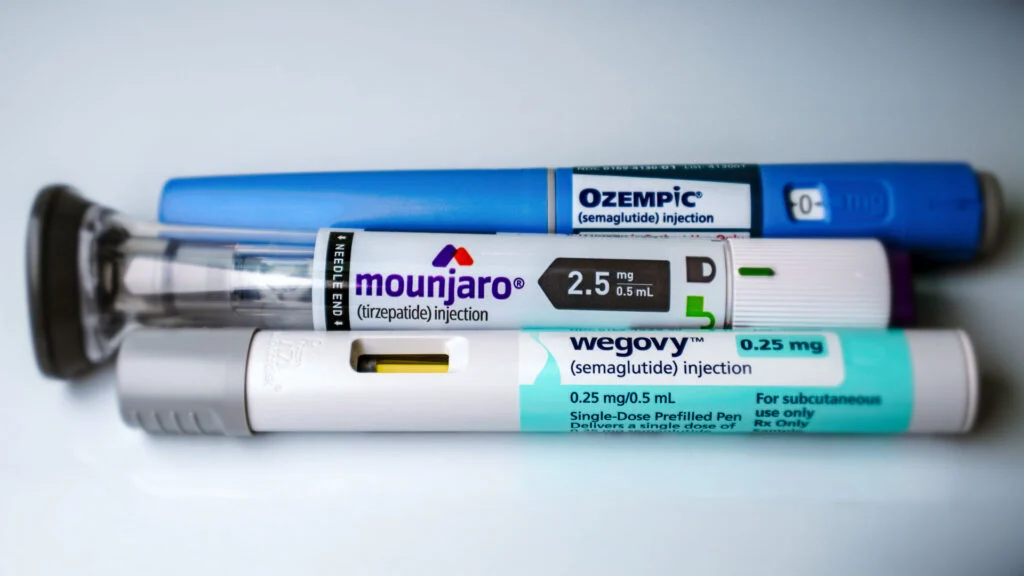
The landscape of modern medicine is currently defined by a tension between rapid technological advancement and the stubborn realities of institutional bureaucracy. While the cultural zeitgeist remains captivated by the fall of past medical icons—notably evidenced by the surprise debut of Nathan Fielder’s "shameless and fascinating" Elizabeth Holmes documentary at Telluride—the actual business of saving lives is grappling with more systemic challenges. From the integration of artificial intelligence in chaotic emergency departments to the administrative reshuffling of federal health agencies, the healthcare sector is undergoing a period of profound transition.
The promise of artificial intelligence as a panacea for the administrative and diagnostic burdens of healthcare remains a subject of intense debate. In the high-pressure environment of the emergency room, the theoretical benefits of AI often clash with the logistical friction of frontline medicine. As reported by STAT’s Brittany Trang, the implementation of AI-driven documentation tools has yet to fundamentally alter the status quo in emergency departments. While proponents argue that AI "scribes" can liberate physicians from their keyboards, allowing them to focus more intently on patient interaction, some practitioners remain skeptical. One ER doctor noted that these tools are doing "almost nothing" to improve the actual quality or efficiency of care. This disconnect stems from the unique environment of the ER: it is loud, the workflow is chronically fragmented, and patients often face long wait times for urgent interventions. In such a setting, a tool that merely automates note-taking does little to address the underlying bottlenecks of bed shortages, staffing deficits, and complex triage.
This skepticism is balanced by a broader philosophical debate within the medical community regarding the long-term role of AI. In a pair of "First Opinion" essays, industry leaders offer divergent visions of the future. Bioethicist and oncologist Ezekiel Emanuel, alongside researcher Abe Baker-Butler, posits that AI is significantly more capable than many skeptics acknowledge. They argue that as AI systems evolve from "assisted" tools to more "autonomous" entities, they will eventually match or exceed human proficiency in diagnostic accuracy and treatment planning. Conversely, John Whyte, the CEO of the American Medical Association, contends that the "art of medicine" is irreplaceable. While AI may master the data-heavy tasks of medicine, it lacks the capacity for empathy, ethical nuance, and the complex interpersonal trust that defines the doctor-patient relationship. This debate is not merely academic; it carries significant implications for medical education, liability, and the future of the healthcare workforce.
Parallel to these technological shifts, the Centers for Disease Control and Prevention (CDC) is undergoing a major structural reorganization that signals a formal transition in how the United States manages the legacy of the COVID-19 pandemic. As of September 4, the CDC’s National Center for Immunization and Respiratory Diseases (NCIRD) has officially consolidated its COVID-19 operations into its influenza division. This move, disclosed in the Federal Register, reflects a pragmatic response to declining dedicated funding and a decrease in the overall disease burden of COVID-19. By merging these operations, the agency aims to leverage shared resources and streamline its response to respiratory threats.
However, the timing and execution of this restructuring have drawn scrutiny. The consolidation comes just as the nation enters the peak season for respiratory viruses, including the flu and RSV. Furthermore, the NCIRD has been plagued by leadership instability, having seen a series of acting directors since the high-profile resignation of Demetre Daskalakis in August 2025. Daskalakis, who previously served as a director within the NCIRD, noted that while the merger makes organizational sense and has been in the works since the Biden administration, the "rocky" nature of the transition could hamper the agency’s agility. The political sensitivity of COVID-19 continues to loom over these administrative changes, as the agency attempts to de-politicize its operations while maintaining public trust.
In the realm of pharmaceutical innovation, a new frontier is opening in the treatment of substance use disorders. Quel, a pioneering telemedicine company, has launched as the first virtual health platform specifically built around the use of GLP-1 receptor agonists—drugs like semaglutide—to treat addiction. Originally developed for type 2 diabetes and later popularized for weight loss, GLP-1s are now being explored for their potential to curb cravings for alcohol, opioids, and even behavioral addictions. This venture is an extension of a clinical program pioneered at the Caron Treatment Centers in Pennsylvania.
The science behind this application is still in its nascent stages. While early clinical trials have shown promise in reducing the "reward" signals in the brain associated with addictive substances, the FDA has not yet approved GLP-1s for this specific indication. Consequently, Quel will be prescribing these medications off-label. Dr. Steven Klein, co-founder and chief medical officer at Quel, emphasizes that they are operating in "uncharted territory," using these drugs to address the neurological underpinnings of cravings across a spectrum of disorders. As dozens of new clinical trials get underway, the medical community is watching closely to see if these "miracle" weight-loss drugs can provide a breakthrough for the millions of Americans struggling with addiction, though concerns remain regarding the long-term safety and the potential for misuse in a telehealth-first model.
While domestic innovation captures headlines, international pharmaceutical supply chains are facing increased regulatory scrutiny. The FDA recently issued a stern warning letter to Shoolin Pharma, a manufacturer based in Gujarat, India, which supplies active pharmaceutical ingredients (APIs) to over a dozen medicines sold to U.S. compounding pharmacies. The warning letter was notable not just for its content, but for its inclusion of photographic evidence documenting "unsanitary conditions." These photos revealed significant lapses in basic hygiene and maintenance, including stains on production walls and manufacturing equipment, corrosion on product lines, and staff members wearing open-toed sandals in sterile environments.
This move by the FDA signals a more aggressive and transparent approach to international inspections. For compounding pharmacies in the U.S., which rely on these APIs to create customized medications for patients, the warning serves as a reminder of the vulnerabilities in the global drug supply chain. Contaminated or substandard APIs can lead to life-threatening complications, particularly for patients who require compounded medications because they cannot tolerate standard, mass-produced drugs. The FDA’s decision to include visual documentation in its public warning is likely intended to pressure manufacturers into compliance by creating a more visceral public record of their failures.
On the global stage, the leadership of the World Health Organization (WHO) is entering a period of transition. Jeremy Farrar, a prominent figure in global health and the current chief scientist at the WHO, has officially withdrawn from the race to succeed Director-General Tedros Adhanom Ghebreyesus. Farrar, who previously led the Wellcome Trust and managed Oxford University’s Clinical Research Unit in Vietnam during the 2003 SARS outbreak, was widely considered a frontrunner for the position. However, it was announced that Farrar will join PATH, a leading global health NGO, as the chief of its Asia, Middle East, and Europe regional division starting October 1.
Farrar’s departure from the WHO hierarchy effectively narrows the field for the next Director-General, whose term will begin in August 2027. Currently, four candidates remain in the race, with the nomination period set to close on September 24. Farrar’s move to PATH suggests a pivot toward direct regional impact rather than the high-level diplomacy required of the WHO’s top post. His legacy at the WHO and Wellcome Trust has been defined by an emphasis on clinical research and pandemic preparedness, and his absence from the Director-General race will undoubtedly shift the dynamics of the upcoming election.
Finally, the issue of public trust remains a critical hurdle for health authorities. A recent survey conducted by the Annenberg Public Policy Center reveals a continuing decline in public confidence in Anthony Fauci, the former director of the National Institute of Allergy and Infectious Diseases. Following a contentious Senate hearing in which he invoked the Fifth Amendment, only 50% of respondents expressed confidence that Fauci provided trustworthy public health information—a significant drop from the 63% to 71% range seen in 2021.
Despite this decline, Fauci still maintains higher levels of trust than other prominent figures in the public health sphere. The same survey found that only 38% of Americans trust the health information provided by Robert F. Kennedy Jr., a figure whose influence has grown within certain political circles despite widespread criticism from the scientific community. This data underscores a deepening polarization of health information in the United States, where public perception of expertise is increasingly filtered through political affiliation and high-profile media appearances rather than clinical outcomes or institutional track records. As the nation prepares for another season of respiratory viruses and continues to integrate AI and new pharmaceuticals into the care model, the restoration of this trust remains perhaps the most difficult "fix" of all.
