
 By admin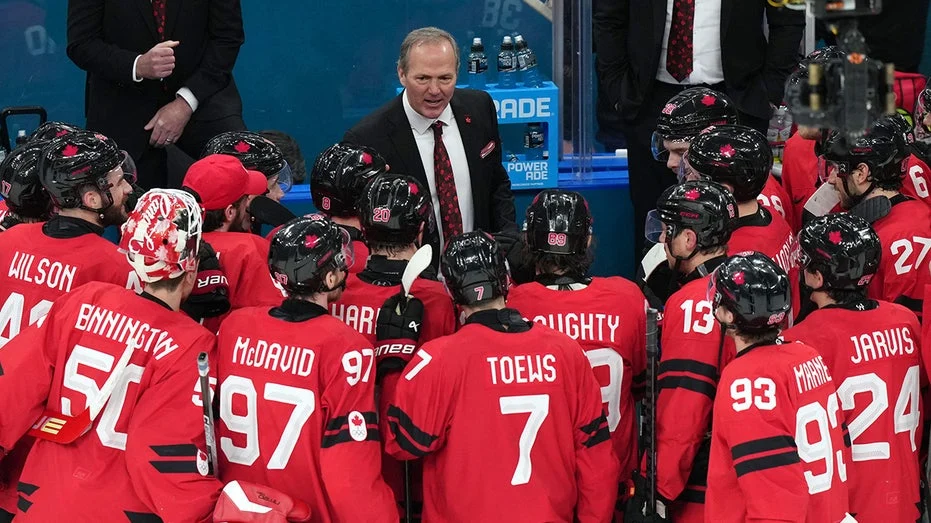
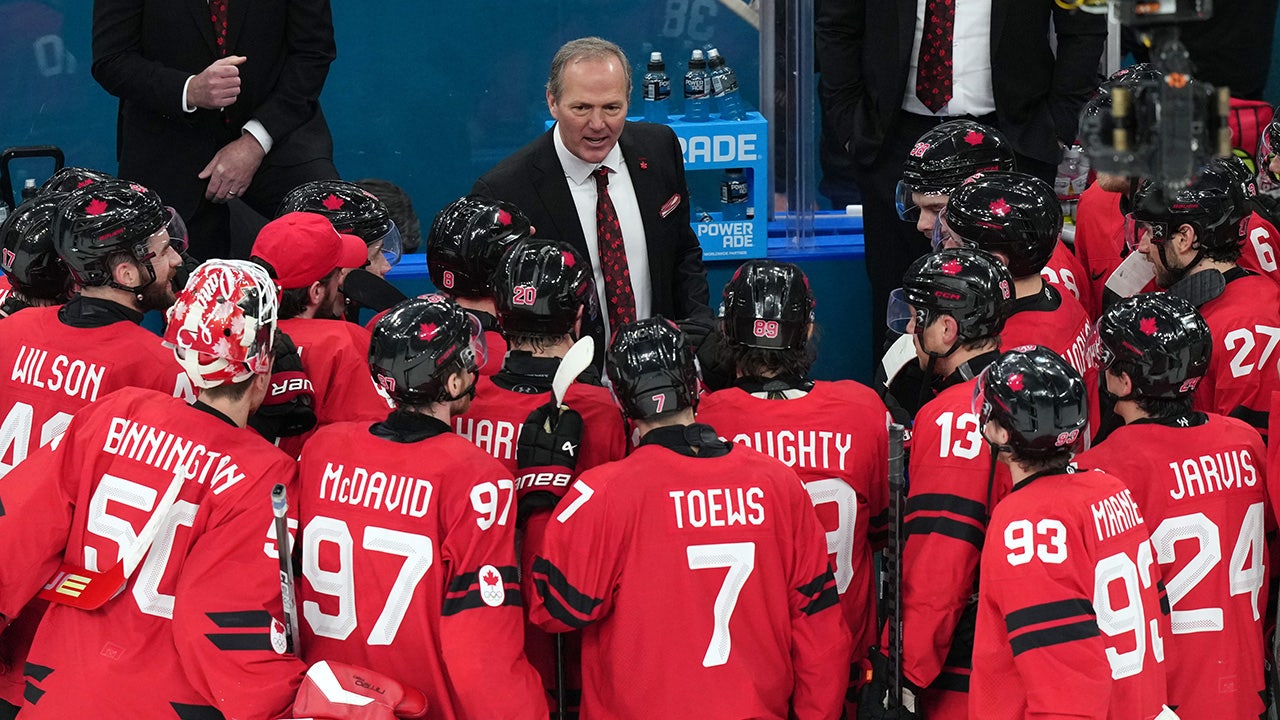
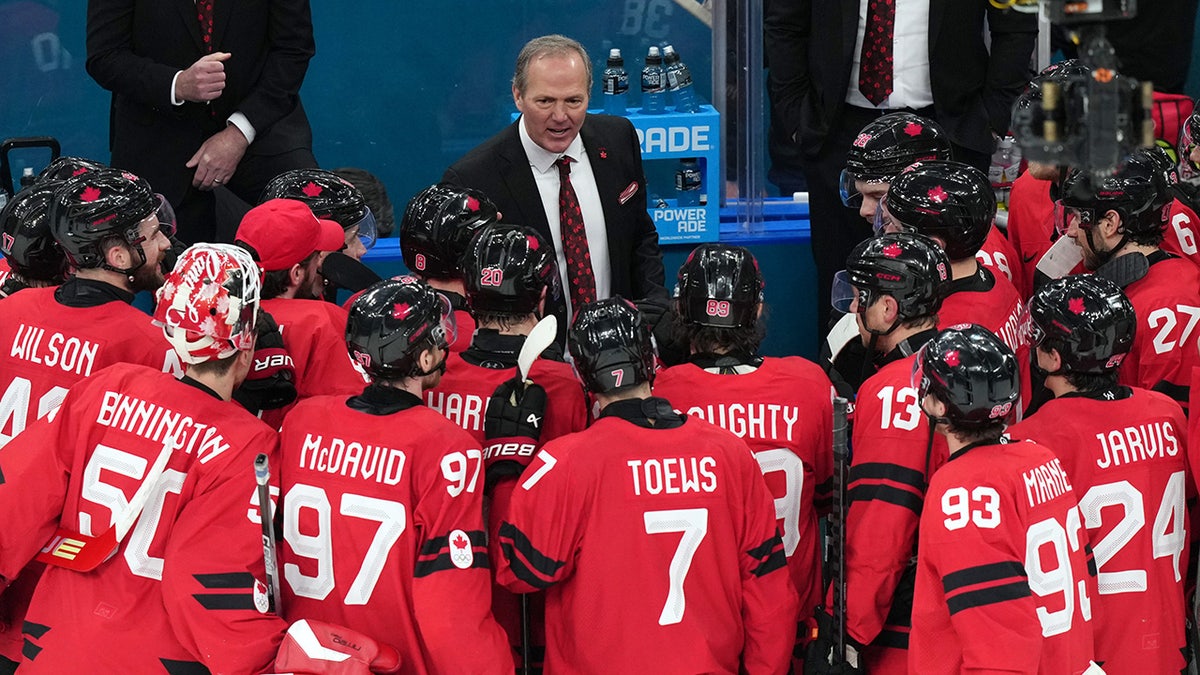
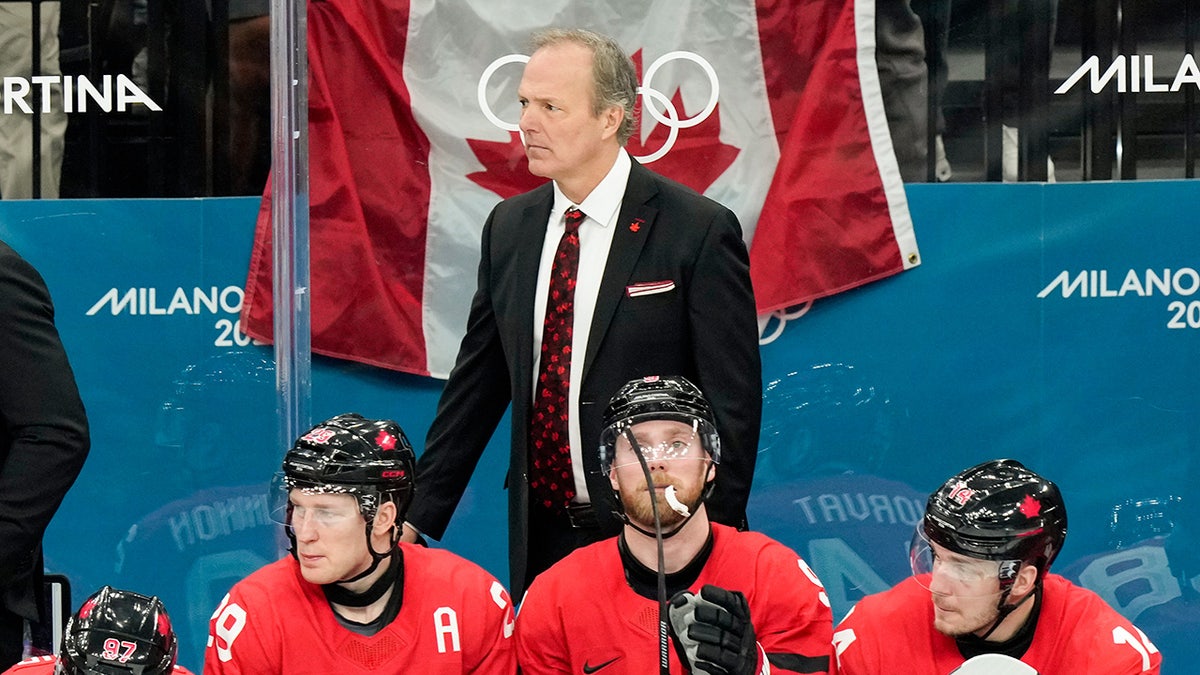
The sting of defeat, particularly a heartbreaking overtime loss in the pursuit of Olympic gold, often brings forth a wave of analysis and introspection. For Canadian Olympic men’s ice hockey coach Jon Cooper, that analysis extended to the very rules of the game that decided the fate of his team against their archrivals, Team USA, on Sunday. While acknowledging that the format wasn’t the sole reason for the loss, Cooper voiced his strong reservations about the 3-on-3 overtime system utilized in the Olympics, suggesting it deviates significantly from the traditional game of hockey.
"You take four players off the ice, now hockey’s not hockey anymore," Cooper stated emphatically in the post-game press conference, as reported by The Hockey News. His critique centered on the fundamental shift in gameplay that occurs when teams are reduced to three skaters each. "There’s a reason overtime and shootouts are in play – it’s all TV-driven to end games, so it’s not a long time. There’s a reason why (3-on-3) is not in the Stanley Cup final or playoffs."
Cooper’s sentiment underscores a long-standing debate within the hockey world regarding the efficacy and authenticity of 3-on-3 overtime. In professional leagues like the NHL, regular-season overtime is typically played with three skaters per side, a format introduced to increase scoring and avoid shootouts, which are often seen as less decisive. However, the Stanley Cup Playoffs, where the ultimate prize is on the line, revert to traditional 5-on-5 sudden-death overtime, a format that many purists argue better reflects the strategic nuances and physical demands of the sport at its highest competitive level. The Olympics, by adopting the 3-on-3 format for its medal rounds, effectively bridges this gap, creating a unique dynamic that can lead to exhilarating, fast-paced contests but also, as Cooper suggests, a game that is arguably less representative of the full scope of hockey.
The game itself was a nail-biter, culminating in a dramatic overtime winner by Team USA star Jack Hughes. Hughes, a pivotal player for the American squad, managed to elude Canadian netminder Jordan Binnington to secure the 2-1 victory. This triumph marked a significant milestone for Team USA, as it was their first Olympic gold medal in men’s ice hockey since the iconic "Miracle on Ice" team achieved the feat in 1980. The parallels to that historic victory were not lost on observers, as both games were decided by tight margins and featured moments of individual brilliance.
The path to the gold medal game for both teams was paved with overtime battles. Team USA had previously edged out Sweden in overtime during their quarterfinal matchup, showcasing their resilience in extended play. Canada, too, found themselves in overtime skirmishes, needing the extra period to overcome the Czech Republic in their quarterfinal. Notably, Canada had also defeated Team USA in overtime during the recent 4 Nations Face-Off tournament, though that contest was played under 4-on-4 conditions, a format Cooper also finds more palatable than 3-on-3. The difference in formats, while subtle, can significantly alter the flow and strategic imperatives of a game, particularly in high-stakes situations where fatigue and individual errors are amplified.
Despite his strong feelings about the overtime format, Cooper was careful to qualify his remarks, emphasizing that it was not the sole determinant of the gold medal outcome. "All the teams know the rules going into these beforehand," he conceded. "So you can’t come up here and say we’re the losing team because we lost in a 3-on-3 and that’s not fair. We knew the rules coming in. We won a game in this tournament 3-on-3, so that’s not the way it is." This acknowledgment demonstrates a commendable level of sportsmanship, recognizing that both teams competed under the same conditions and that Team USA ultimately executed better in the decisive moments.
However, the narrative of missed opportunities for Canada looms large in the aftermath. The Canadian offense, renowned for its depth and firepower, found itself stymied by a stellar performance from American goaltender Connor Hellebuyck. Hellebuyck was a formidable presence in the crease, turning away an impressive 41 shots throughout the contest. His performance was a masterclass in clutch goaltending, denying Canada numerous high-danger chances and keeping his team in the game when the pressure was at its peak.
One of the most critical junctures where Hellebuyck’s brilliance shone through was during a prime 5-on-3 power play opportunity for Canada in the second period. With a two-man advantage, Canada had a golden chance to break the deadlock and seize momentum. Yet, Hellebuyck stood tall, making crucial saves that not only preserved the tie but also visibly deflated the Canadian side. This inability to capitalize on such a significant power play proved to be a costly missed opportunity, highlighting how crucial special teams play and goaltending can be in championship games.
The lone Canadian player to find the back of the net against Hellebuyck was Cale Makar, a Norris Trophy winner and widely regarded as one of the premier defensemen in the world. Makar’s goal, a testament to his offensive prowess and ability to generate scoring chances from the blue line, momentarily brought Canada level. However, it was not enough to overcome the Americans’ cohesive team effort and Hellebuyck’s heroic performance. The image of Makar celebrating his goal, only to be met with the eventual disappointment of overtime defeat, encapsulates the fine margins that often define Olympic hockey finals.
The context of the 4 Nations Face-Off, mentioned by Cooper, provides further insight into the debate. This tournament, designed to bring together top hockey nations, also featured overtime play. While the NHL has embraced 3-on-3 in the regular season, and the Olympics have adopted it for their medal rounds, other international tournaments and formats have experimented with different approaches. The 4-on-4 format, as seen in the 4 Nations Face-Off, offers a middle ground between the open ice of 3-on-3 and the more structured 5-on-5 play. It allows for more offensive creativity than 5-on-5 while retaining a greater defensive structure than 3-on-3, potentially reducing the likelihood of quick, break-away goals that can decide games with less strategic depth.
Cooper’s criticism is not an isolated viewpoint. Many former players and coaches have echoed similar sentiments, arguing that the reduced player numbers in 3-on-3 overtime can lead to a style of play that emphasizes speed and individual skill over the intricate team strategies, defensive positioning, and physical battles that are hallmarks of traditional hockey. The argument is that while entertaining, it doesn’t always test the full range of a team’s capabilities. The fact that this format is not employed in the Stanley Cup Playoffs, where the ultimate professional championship is decided, lends credence to the idea that it is viewed as a different, perhaps less demanding, version of the game.
The Olympic stage, however, is unique. It is a condensed tournament where the need for exciting, marketable games is paramount. The 3-on-3 overtime format, with its high-octane pace and increased scoring opportunities, certainly delivers on entertainment value. It can transform a potentially drawn-out stalemate into a thrilling, decisive moment that captivates a global audience. This is likely the primary rationale behind its inclusion in the Olympic men’s hockey tournament.
Looking beyond the overtime format, the broader narrative of the game highlights the exceptional performance of Team USA. Their victory is a testament to their collective effort, strategic execution, and the standout play of key individuals like Jack Hughes and Connor Hellebuyck. For Canada, while the taste of silver is undoubtedly bitter, the tournament was a hard-fought journey. The team’s ability to reach the gold medal game, navigating through tough opposition and overcoming challenges, speaks volumes about their talent and dedication.
Cooper’s post-game comments, while critical of the format, also serve as a reminder of the diverse perspectives within the sport. His experience as a successful NHL coach, leading the Tampa Bay Lightning to multiple Stanley Cups, provides a valuable lens through which to view the evolution of hockey. His preference for the more traditional 5-on-5 overtime in championship scenarios reflects a desire to see the game’s fundamental principles tested at the highest stakes.
As the dust settles on another thrilling Olympic hockey final, the debate over overtime formats will undoubtedly continue. For Jon Cooper and the Canadian team, the focus will inevitably shift to the future, aiming to learn from this experience and potentially reclaim the gold medal in upcoming tournaments, perhaps with a different set of rules, or perhaps by mastering the current ones. The beauty of sport lies not only in the victories but also in the lessons learned from defeat, and the conversations that emerge from those moments of intense competition. The legacy of the 2026 Milan Olympics men’s ice hockey final will be remembered for Team USA’s triumphant return to the top, the heroics of Jack Hughes and Connor Hellebuyck, and the enduring questions surrounding the format that ultimately decided the fate of the gold.
