
 By admin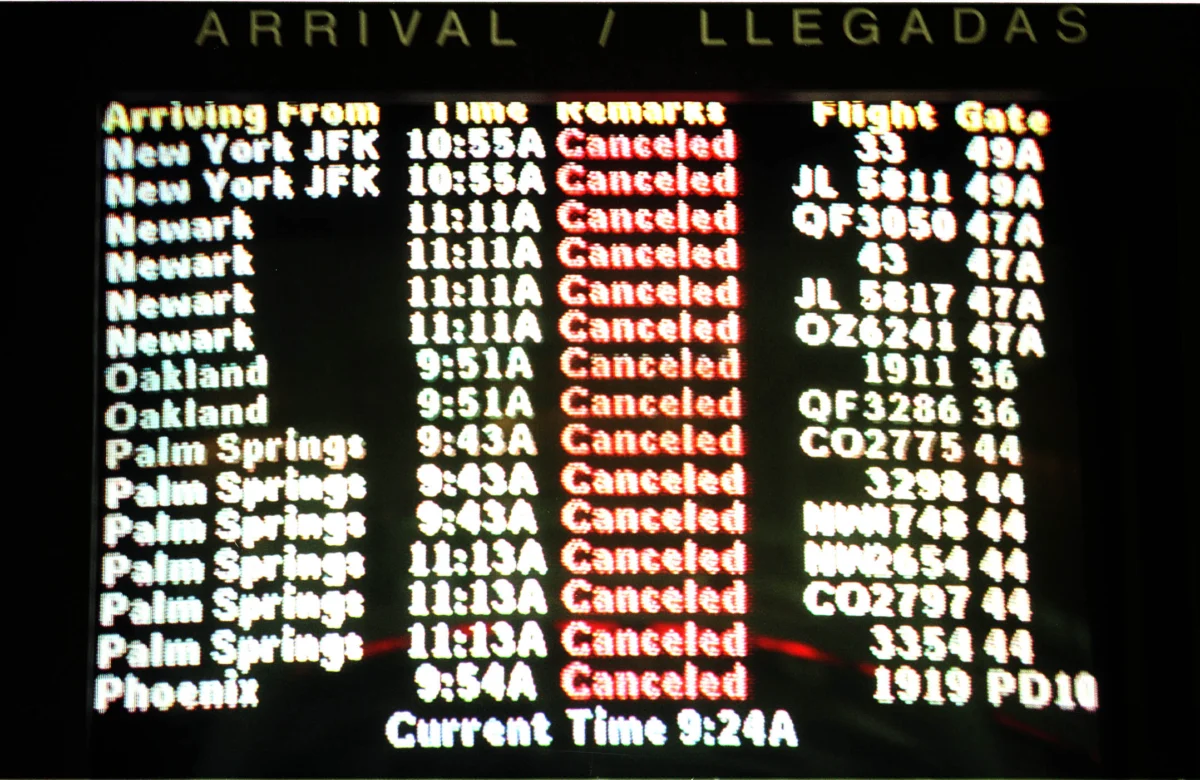
The morning of September 11, 2001, began as a crisp, unremarkable Tuesday, but by noon, the world had fundamentally shifted on its axis. While the geopolitical and social reverberations of the attacks on the World Trade Center and the Pentagon were felt in every corner of the globe, no single industry underwent a more radical, structural, and permanent transformation than commercial aviation. Today, marking 25 years since that pivotal day, the legacy of 9/11 remains etched into every boarding pass, every security checkpoint, and every cockpit door. The "new normal" that emerged in the wake of the tragedy has become the only reality known to a generation of travelers, yet the path from the chaos of 2001 to the high-tech, consolidated industry of 2026 was paved with immense financial hardship, technological innovation, and a total reimagining of the passenger experience.

The immediate response to the attacks remains the most dramatic moment in aviation history. As the scale of the hijacking plot became clear, the Federal Aviation Administration (FAA) took the unprecedented step of ordering a "ground stop," effectively clearing the skies of all civilian traffic. Ben Sliney, the National Operations Manager for the FAA—who was, remarkably, on his first day on the job—made the call to land more than 4,500 aircraft at the nearest available airports. This total closure of U.S. airspace, known as SCATANA (Security Control of Air Traffic and Navigation Aids), lasted for days, stranding hundreds of thousands of passengers and leaving the skies eerily silent. It was the first and, to this day, the only time such a measure has been taken, serving as a stark demarcation point between the era of "open skies" and the era of "fortress aviation."
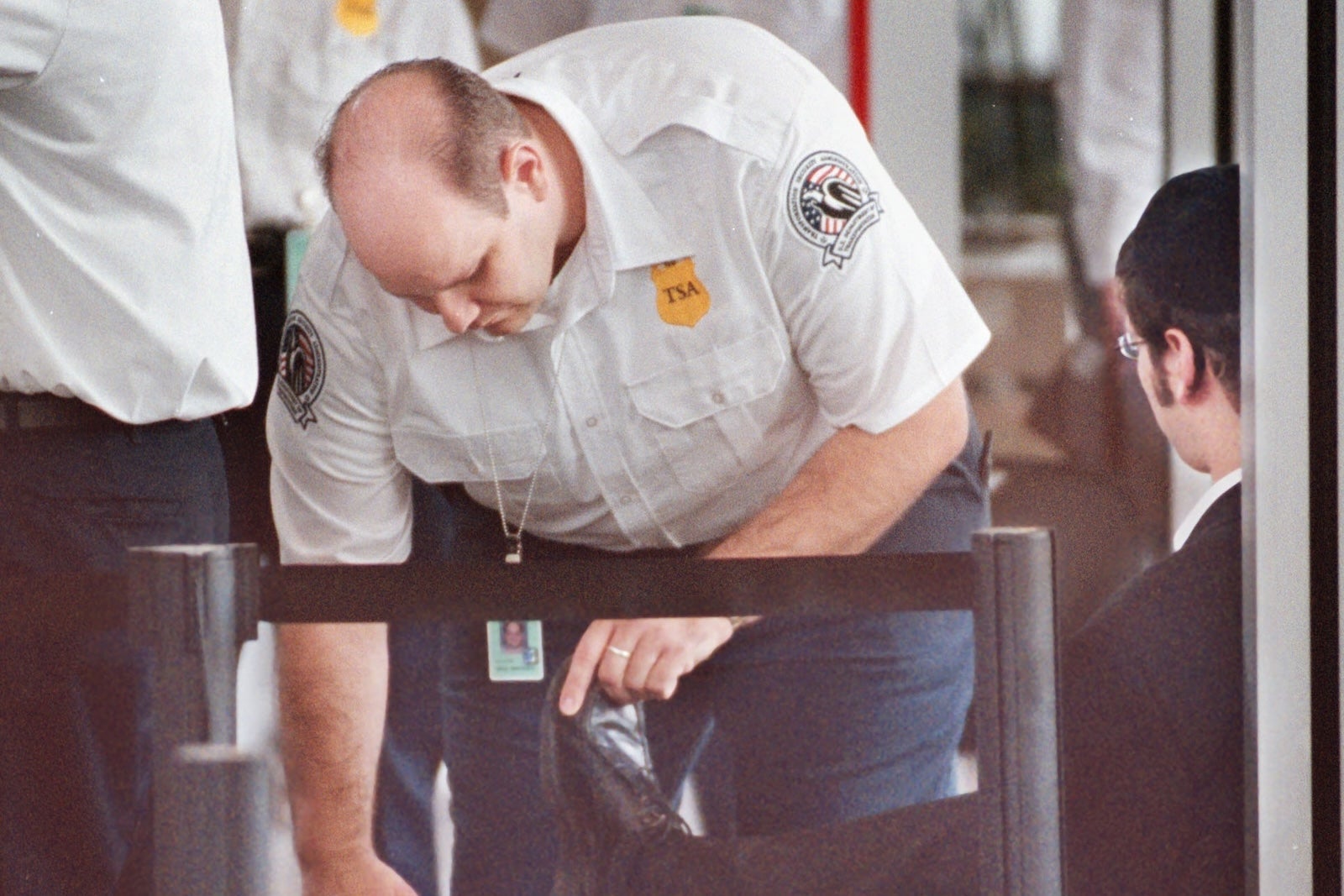
When the planes finally returned to the air, the world they flew over had changed. Before 9/11, airport security in the United States was a patchwork system managed by private contractors hired by the airlines. Screening was often perfunctory; passengers could carry small pocketknives, and family members could walk their loved ones directly to the departure gate to wave goodbye. The 9/11 Commission Report later identified this decentralized, profit-driven security model as a critical vulnerability. In response, Congress passed the Aviation and Transportation Security Act in November 2001, which federalized airport security and created the Transportation Security Administration (TSA). For the first time, a single federal agency was responsible for the safety of the traveling public, shifting the cost and responsibility of security from private corporations to the government.

The rollout of the TSA brought immediate and visible changes to the terminal. The "sterile area" of the airport was expanded, restricting gate access solely to ticketed passengers. This ended a decades-long tradition of airport reunions and farewells at the gate, fundamentally changing the social atmosphere of the terminal. As the years progressed, the security apparatus continued to evolve in response to new intelligence. The "shoe bomber" attempt by Richard Reid in December 2001 led to the requirement that all passengers remove their footwear for X-ray screening. The 2006 transatlantic liquid explosives plot resulted in the "3-1-1" rule, severely limiting the amount of liquids, gels, and aerosols allowed in carry-on luggage. These measures, once seen as temporary inconveniences, have become permanent fixtures of the travel process, reflecting a philosophy of layered security where every potential vulnerability is addressed with a specific protocol.
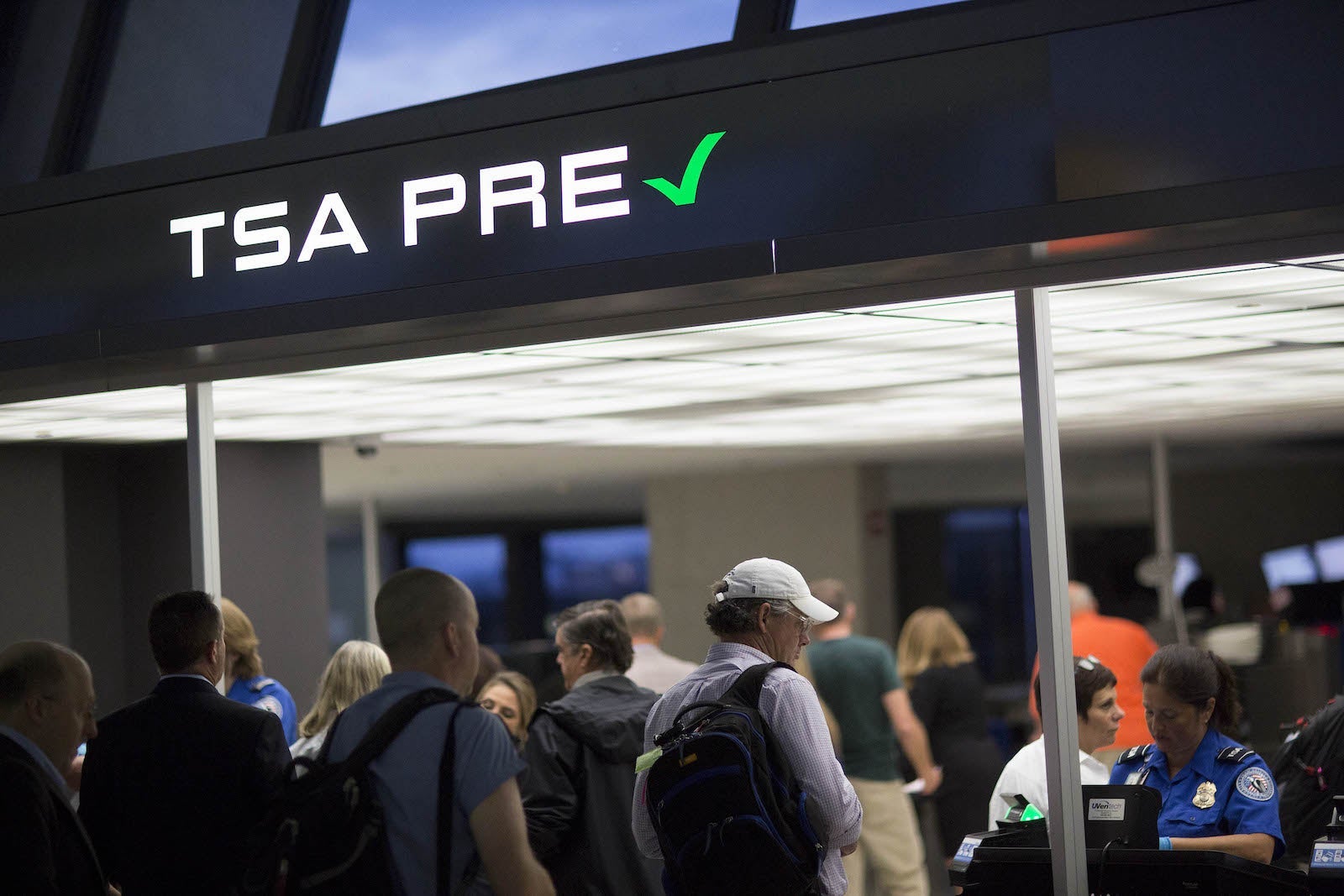
However, the sheer volume of passengers soon made "one-size-fits-all" screening unsustainable. The industry pivoted toward risk-based security, a move that gave birth to trusted traveler programs. Global Entry launched as a pilot program in 2008, followed by the official debut of TSA PreCheck at Harry Reid International Airport in Las Vegas in 2011. These programs represented a paradigm shift: rather than treating every passenger as a potential threat, the government began using background checks and data to identify "low-risk" individuals who could enjoy expedited screening. Today, in 2026, this has evolved into a highly sophisticated ecosystem of biometrics. Touchless ID, facial recognition eGates, and partnerships with private entities like CLEAR have streamlined the process for those willing to share their digital identity, though the debate over privacy versus security remains a central theme in modern aviation discourse.
The financial fallout of 9/11 was equally transformative, accelerating an industry-wide consolidation that changed the competitive landscape of American skies. The immediate drop in travel demand was catastrophic. Even with a $15 billion federal bailout package—the Air Transportation Safety and System Stabilization Act—major carriers found themselves on the brink of collapse. The "Lost Decade" of the 2000s saw a wave of bankruptcies that cleared the way for massive mergers. US Airways, United, Delta, and Northwest all navigated Chapter 11 proceedings, shedding debt and labor costs. What followed was a series of "mega-mergers": Delta and Northwest in 2008, United and Continental in 2010, Southwest and AirTran in 2011, and finally American Airlines and US Airways in 2013.
This consolidation fundamentally altered the economics of flying. By the late 2010s, four major carriers controlled approximately 80% of the domestic market. While this led to more stable profits and allowed airlines to reinvest in newer, more fuel-efficient fleets, it also resulted in higher fees and less competition on many routes. To survive the lean years following 9/11 and the subsequent 2008 financial crisis, airlines also turned to their loyalty programs as a primary source of revenue. The monetization of frequent flyer miles through co-branded credit card deals with banks like Chase and American Express became a lifeline. Today, these programs are often valued more highly than the airline’s physical assets, such as planes and hangars, illustrating how the industry shifted from a pure transportation service to a complex financial and data-driven enterprise.

Beyond the balance sheets and the X-ray machines, 9/11 forced a total overhaul of inflight safety and cockpit protocol. The most significant physical change was the installation of reinforced, bulletproof cockpit doors that remain locked throughout the flight. Flight deck procedures were rewritten to ensure that pilots would never open the door if a threat was detected in the cabin. The Federal Flight Deck Officer (FFDO) program was established, training and arming thousands of pilots to defend their cockpits. These changes effectively ended the era where a hijacking could be used as a weapon of mass destruction, turning the aircraft cabin into a secure environment that is monitored not just by crew, but by an increasingly vigilant traveling public.
Yet, as we look back from the vantage point of 25 years, the most profound impact of 9/11 is the human one. The attacks claimed the lives of 2,977 people, including 246 passengers and crew members across the four hijacked flights. We remember the heroism of flight attendants like Betty Ong and Amy Sweeney on American Airlines Flight 11, who provided the first calm, detailed reports of the hijackers to ground control. We remember the 40 passengers and crew of United Flight 93, whose decision to fight back prevented a fourth plane from striking the U.S. Capitol or the White House. Their sacrifice in a field near Shanksville, Pennsylvania, remains a testament to the courage of ordinary people thrust into extraordinary circumstances.
For those who work in the industry—the pilots, the flight attendants, the air traffic controllers, and the ground crews—9/11 is not just a date in a history book; it is a shared trauma that forged a deeper sense of responsibility. The "Points Guy" philosophy, and indeed the philosophy of the modern traveler, is rooted in the recognition that travel is a hard-won privilege. The hurdles we clear at the airport—the long lines, the removal of shoes, the digital scans—are constant reminders of the price of safety.
In 2026, aviation is more technologically advanced than ever. We see the integration of artificial intelligence in flight planning, the rise of sustainable aviation fuels, and the continued expansion of global networks. However, the shadow of September 2001 remains. We fly today in a world that is more scrutinized and more regulated, but also one where the resilience of the human spirit has ensured that the skies remain open. We do not board planes with fear, but with a refined sense of purpose. We honor the 246 souls who never reached their destinations by continuing to explore, continuing to connect, and refusing to let the gift of flight be grounded by the memory of tragedy. Twenty-five years later, we remember them, we acknowledge how much has changed, and, with a heavy but hopeful heart, we fly on.
