
 By admin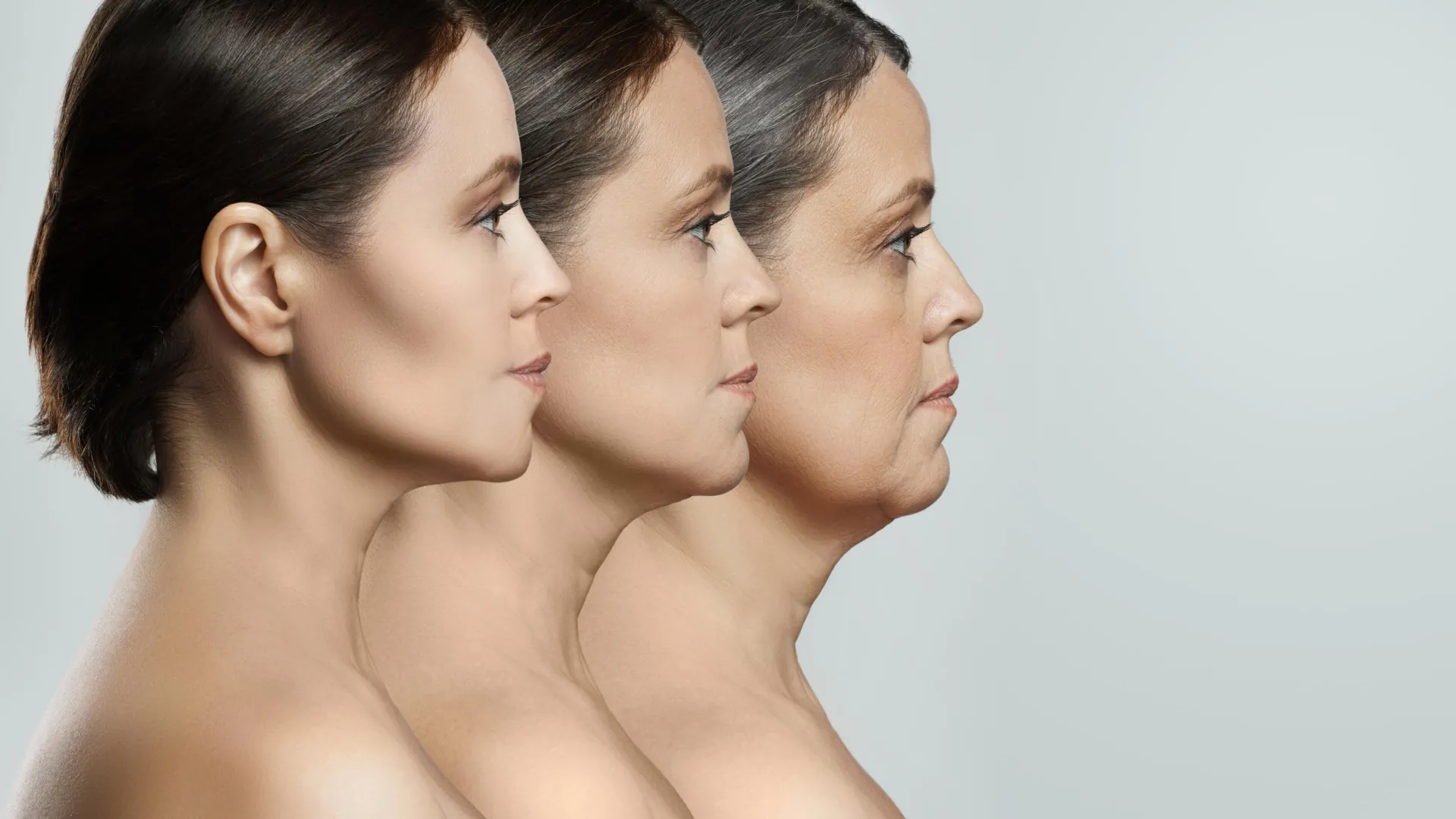
The disconcerting trend of rising cancer rates among younger populations has catalyzed researchers to explore a provocative, yet increasingly plausible, possibility: Are younger generations accumulating biological damage more quickly, causing their bodies to age faster than expected? This question strikes at the heart of our understanding of disease etiology in the modern era.
A groundbreaking study spearheaded by researchers at Washington University School of Medicine in St. Louis now provides compelling evidence suggesting that this phenomenon may indeed be unfolding. The team uncovered significant indicators that younger generations are experiencing accelerated biological aging compared to older generations when assessed at comparable chronological ages. This finding suggests a profound interplay between contemporary environmental factors, lifestyle choices, and genetic predispositions, leading to a prematurely aged internal landscape more susceptible to malignancy.
Scientists globally are actively engaged in deciphering the complex drivers behind these observed changes. This critical inquiry is being pursued through extensive international collaborations, notably involving research members of the Siteman Cancer Center, a consortium based at Barnes-Jewish Hospital and WashU Medicine, and Cancer Grand Challenges, a prestigious global initiative co-founded by the National Cancer Institute (NCI) in the United States and Cancer Research UK. These collaborative efforts underscore the urgency and complexity of the challenge, requiring diverse expertise and vast datasets to untangle the intricate web of factors contributing to early-onset cancers.
Crucially, the Washington University researchers established a clear correlation: accelerated biological aging was directly associated with a significantly greater risk of early-onset cancers among these younger generations. Early-onset cancers are generally defined as those diagnosed at age 55 or younger, a demographic traditionally considered to be at lower risk. This connection offers a potential mechanistic explanation for the observed increase in cancer incidence in younger adults, shifting the focus from purely genetic predispositions to the cumulative impact of biological wear and tear.
The Chasm Between Biological Age and Actual Age
To fully grasp the implications of these findings, it is essential to distinguish between chronological age and biological age. Chronological age is a straightforward metric, simply measuring the number of years a person has been alive – an external, immutable count. Biological age, by contrast, offers a more nuanced and dynamic reflection of the body’s true physiological state. It reflects how old the body appears at a cellular and systemic level, based on measurable changes in cells, tissues, organ function, metabolic processes, and other intricate physiological systems. Think of chronological age as a car’s odometer, while biological age is a comprehensive assessment of its engine wear, tire condition, and overall performance – a far more accurate indicator of its remaining lifespan.
The researchers observed a concerning trend: cancer risk demonstrably escalated as the disparity between an individual’s biological age and their chronological age widened. Individuals from more recent generations consistently exhibited larger gaps, indicating their bodies appeared biologically older than their chronological age would suggest, particularly when compared to those born in earlier decades. This generational divergence in the biological aging process could, at least in part, elucidate the perplexing rise in cancer diagnoses among younger adults, suggesting a systemic vulnerability emerging earlier in life.
Further refining their analysis, the team discovered that accelerated aging did not uniformly affect all organ systems. Instead, specific parts of the body showed faster aging patterns, which were then linked to particular types of cancers. For instance, an immune system that presented as biologically older was specifically associated with an elevated risk of early-onset lung cancer, even in non-smokers. Similarly, older-appearing adipose (fat) tissue was found to be strongly connected to an increased risk of early-onset colorectal cancer. These organ-specific findings hint at targeted vulnerabilities that could pave the way for highly personalized prevention strategies.
The profound implications of these findings were underscored by their publication in the prestigious scientific journal Nature Medicine, signaling their significant contribution to the field of oncology and aging research.
Looking ahead, researchers believe that robust measurements of accelerated biological aging could eventually equip medical professionals with a powerful tool to identify younger individuals who face unusually high cancer risks. This predictive capability could revolutionize cancer prevention, potentially allowing for earlier initiation of targeted screening programs or proactive interventions, long before the disease manifests clinically.
"Our ultimate goal is to decode how modern environments become biologically embedded to drive cancer risk, transforming prevention from broad recommendations to personalized interventions," articulated Yin Cao, ScD, a distinguished molecular epidemiologist and an associate professor of surgery and of medicine at WashU Medicine. Her statement emphasizes the paradigm shift these findings represent, moving towards a future where cancer prevention is tailored precisely to an individual’s unique biological profile. "This brings us closer to identifying risk earlier and developing prevention strategies that are customized to an individual’s biology," she added, highlighting the promise of precision prevention.
Looking Beyond Individual Cancer Risk Factors
Dr. Cao’s team has a notable history of investigating a multitude of factors known to influence cancer risk throughout a person’s life. Their previous research has delved into the roles of obesity, metabolic dysregulation (such as insulin resistance and type 2 diabetes), alcohol consumption, sedentary behavior, suboptimal dietary quality, and even factors like cesarean delivery. While each of these factors offers valuable clues into the mechanisms driving earlier cancer development, no single factor, in isolation, appears to adequately account for the sweeping generational trend observed across diverse populations.
This realization prompted Dr. Cao, who is also a vital research member of Siteman, and her colleagues to seek a more comprehensive and integrative approach. They aimed to develop a broader methodology for quantifying how a myriad of disparate influences might collectively interact over time to heighten an individual’s susceptibility to cancer. This holistic perspective acknowledges the complexity of modern life and its cumulative impact on human biology.
Crucial support from Cancer Grand Challenges has empowered Dr. Cao, in her role as co-lead of Team PROSPECT, to pursue this ambitious question on an unprecedented scale, leveraging vast datasets and international collaboration.
For this landmark study, the researchers meticulously analyzed health data from more than 154,000 young adults enrolled in the UK Biobank, an invaluable resource that compiles extensive biological, health, and lifestyle information from a large, diverse cohort. Complementing this, they also examined data from over 10,000 participants in the United States who are part of the National Institutes of Health’s (NIH) All of Us Research Program. This ambitious initiative is designed to construct a comprehensive health database encompassing over 1 million individuals living across the U.S., offering unparalleled insights into population health dynamics.
Measuring How Fast the Body Is Aging
To accurately determine biological aging, the research team, including first author Ruiyi Tian, a dedicated doctoral student in the Cao lab, employed a sophisticated dual-scale approach. One scale focused on systemic aging, providing a holistic measure of aging across the body as a whole. The other scale addressed organ-specific aging, offering granular estimates of how rapidly individual organs or particular biological systems were deteriorating.
For assessing systemic aging, the researchers leveraged established and validated approaches that utilize a panel of clinical biomarkers. These included the widely recognized PhenoAge and the Klemera-Doubal Method, both sophisticated algorithms that integrate various physiological markers to derive a biological age estimate. They further incorporated a metabolomic age score, specifically designed to capture age-related patterns within a person’s complex metabolic profile. PhenoAge, for example, computes biological aging using nine key blood biochemistry markers, such as albumin (a protein produced by the liver) and creatinine (a waste product filtered by the kidneys), providing a composite snapshot of physiological health.
For the more intricate analysis of organ-specific aging, the researchers delved into blood proteomic data. This involved measuring the levels of numerous proteins associated with the function and health of specific organ systems. These intricate protein patterns were then expertly analyzed to estimate the biological age of individual organs, offering an unprecedented level of detail into localized aging processes.
The team meticulously calculated the average difference between biological and chronological age within each distinct birth cohort. To quantify the extent to which each generational group deviated from the overall study average, they employed standard deviation – a statistical measure that precisely indicates how spread out data points are around the mean, thereby highlighting significant generational shifts in biological aging.
Younger Generations Show Older Biological Profiles
The generational disparities in biological aging were strikingly evident and consistent across both the UK and U.S. populations analyzed, lending significant robustness to the study’s findings.
Among participants from the UK Biobank, individuals born between 1965 and 1974 displayed systemic aging that was 23% of one standard deviation higher than people born between 1950 and 1954. This difference persisted even after meticulously accounting for chronological age, meaning that when a 50-year-old from the younger cohort was compared to a 50-year-old from the older cohort, the younger individual’s body appeared biologically older. Put more simply, members of the younger generation tended to exhibit slightly older biological profiles, indicating a faster rate of physiological decline, than members of the older generation when evaluated at the same chronological point in their lives.
An even more pronounced and concerning difference emerged from the U.S. data, highlighting a potentially accelerating trend. Participants born between 1990 and 1999 had systemic aging that was a staggering 92% of one standard deviation higher than those born between 1965 and 1969. This dramatic increase suggests that the most recent generations are experiencing an even more rapid acceleration in biological aging, painting a stark picture of shifting health landscapes.
Following these foundational observations, the researchers proceeded to investigate the crucial link: whether these observed biological aging differences were directly connected to cancer risk.
Faster Aging Linked to Early-Onset Cancer
The findings unequivocally established a troubling connection: greater systemic aging in the younger group was associated with an 8% increased risk of early-onset solid cancers. This statistic translates to a substantial public health concern when considering population-wide trends. The strongest associations were particularly noted for early-onset lung, gastrointestinal, and uterine cancers, pointing to specific vulnerabilities exacerbated by accelerated biological aging.
When the participants were categorized into three distinct groups based on their level of systemic aging – least advanced, moderately advanced, and most advanced – an even more compelling pattern emerged. Individuals exhibiting the most advanced systemic aging faced a significantly higher risk: a 15% increased risk of early-onset solid cancer compared with participants demonstrating the least advanced aging. This gradient effect further solidifies the link between biological age acceleration and cancer susceptibility. Importantly, this association held true even after researchers meticulously adjusted for inherited genetic cancer risks and known genetic predispositions to accelerated aging, indicating that environmental and lifestyle factors likely play a substantial role.
Delving into the specifics of individual biological systems further illuminated these connections. Advanced aging of the immune system, for example, was strongly associated with a higher risk of early-onset lung cancer. This suggests that a compromised or prematurely aged immune response might be less effective at detecting and eliminating nascent cancer cells. Similarly, advanced aging of adipose (fat) tissue was directly linked to a higher risk of early-onset colorectal cancer, underscoring the role of metabolic health and inflammation originating from fat tissue in gastrointestinal carcinogenesis.
"If we can identify younger people with the highest cancer risk when they are still healthy, we can focus on prevention and early-detection strategies for the individuals who will benefit most from early interventions," Dr. Cao reiterated, emphasizing the clinical potential of these findings to shift the paradigm of cancer care from treatment to proactive prevention.
Searching for the Causes of Cancer in Younger Adults
This pivotal research forms a core component of Team PROSPECT, a collaborative Cancer Grand Challenges team co-led by Dr. Cao. Cancer Grand Challenges stands as a monumental international research funding initiative, jointly established by Cancer Research UK and the National Cancer Institute (NCI). Its mission is to unite brilliant scientists from diverse specialties and countries, directing their collective intellect toward solving some of the most formidable and intractable problems in cancer research.
One of these paramount problems, and a central focus of Team PROSPECT, is to definitively explain why early-onset cancers are becoming increasingly prevalent across the globe. The current lack of a singular, definitive answer underscores the complexity of the challenge.
"Right now, we don’t have a definitive answer to what’s driving the rise of early-onset cancers around the world, but studies like this are helping us piece together the bigger picture, showing that cancer may be influenced not just by changes inside individual cells, but by wider changes happening across the body as a whole," commented David Scott, PhD, the director of Cancer Grand Challenges. Dr. Scott highlighted the transformative nature of such large-scale, collaborative research: "Research on this scale is possible through Cancer Grand Challenges, which brings together scientists from different fields around the world to tackle these complex questions together."
Dr. Cao and her esteemed colleagues are now intensifying their efforts to gain a deeper understanding of precisely why cancer is increasingly afflicting younger generations. A major thrust of their ongoing research involves meticulously determining how profound shifts in the modern environment, pervasive lifestyle choices, and evolving societal structures may be leaving indelible biological marks on the human body. These long-lasting effects could manifest as accelerated biological aging, alongside a host of other physiological indicators that render certain individuals more vulnerable to a spectrum of diseases, including cancer.
By painstakingly tracing how these multifaceted risks accumulate throughout an individual’s life course, researchers harbor the profound hope of uncovering more of the intricate biological origins of early-onset cancers. The ultimate aspiration transcends mere understanding; it is to proactively identify individuals at elevated risk while they are still in good health. Such early identification could revolutionize cancer care, enabling the strategic implementation of prevention and screening initiatives much earlier in life, and critically, tailoring these interventions to an individual’s unique biological makeup. This proactive approach holds the promise of fundamentally shifting cancer care toward stopping the disease before it even has a chance to begin, safeguarding the health of future generations.
This work was part of the PROSPECT team supported by the Cancer Grand Challenges initiative funded by Cancer Research UK, grant numbers CGCATF-2023/100043 and CGCATF-2023/100037; the National Cancer Institute of the NIH, grant numbers OT2CA297577 and OT2CA297576; the French National Cancer Institute; and the Bowelbabe Fund for Cancer Research UK. The project was also supported by grants from NIH/National Cancer Institute, grant number R37CA246175; the NIH/National Institute of Diabetes and Digestive and Kidney Diseases, grant number P30DK052574; the Alvin J. Siteman Cancer Center through the Foundation for Barnes-Jewish Hospital. Further support was provided by a pre-doctoral fellowship in the Cancer Biology pathway supported by NIH Molecular Oncology Training Grant T32CA113275 to Washington University School of Medicine in St. Louis; the Pediatric Gastroenterology Research Training Program grant T32DK077653 to Washington University School of Medicine in St. Louis; the Washington University School of Medicine in St. Louis Institute of Clinical and Translational Sciences, grant number UL1TR002345; and the Foundation for Barnes-Jewish Hospital. The content is solely the responsibility of the authors and does not necessarily represent the official views of the NIH.
