
 By admin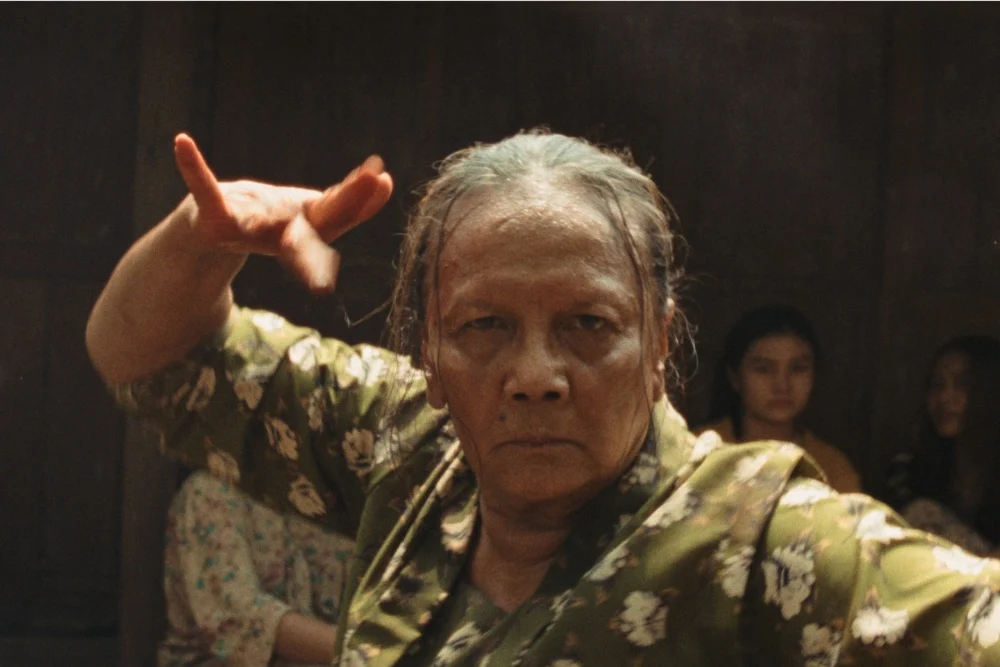
Asian Shadows, a distinguished name in the international film sales arena, has officially boarded the global distribution rights for Eddie Cahyono’s deeply affecting drama, "Ibuku." This significant acquisition comes as the film has been recognized for its artistic merit and compelling narrative, earning a coveted spot in the Competition lineup at the prestigious Busan International Film Festival. Starring the legendary Christine Hakim and the talented Ayushita Nugraha, "Ibuku" promises to be a poignant exploration of maternal love, resilience, and the harsh realities faced by many in the Indonesian diaspora.
The narrative of "Ibuku" is anchored by the formidable Christine Hakim, who portrays Sumiati, a woman in her sixties navigating profound grief and isolation in a remote Javanese village. Her world was shattered by the suicide of her husband, a tragedy that cast a long shadow over her life. Her daughter, Sri, played by Ayushita Nugraha, had previously sought a life beyond the confines of their village, escaping a pre-arranged marriage and an abusive relationship by seeking work abroad. The fragile peace Sumiati has managed to cultivate is abruptly shattered when news reaches her: Sri is facing a death sentence in Saudi Arabia, accused of killing a man who attempted to assault her. This devastating revelation ignites a desperate quest within Sumiati, a frantic search for the means to reach her daughter one last time, to offer solace, support, or perhaps even a final farewell. Her solitary struggle is not entirely without assistance; the village chief, Djatmiko, portrayed by Landung Simatupang, emerges as a crucial ally, connecting Sumiati with Indonesian officials and journalists, individuals who might hold the key to navigating the labyrinthine legal and diplomatic channels that stand between a mother and her condemned child.
The visual aesthetic of "Ibuku" is as deliberate as its storytelling. Shot on 16mm film, the choice of format imbues the film with a raw, textured quality, evoking a sense of authenticity and a nostalgic yet unvarnished gaze upon its subject matter. This artistic decision is deeply rooted in Cahyono’s extensive research into the complex lives of Indonesian migrant workers. His work shines a light on the multifaceted motivations that drive individuals to leave their homes, often seeking escape from crushing financial hardship that grips their families and communities. The film unflinchingly confronts the darker aspects of this migration, including the pervasive issues of domestic violence and forced marriages that some families endure in the absence of their primary breadwinners. However, "Ibuku" intentionally shifts the focus from the migrants themselves to the profound impact their absence has on those left behind. It meticulously traces the emotional and psychological journey of a mother grappling with the void left by her daughter’s departure, exploring themes of separation, longing, and the enduring strength of familial bonds in the face of immense adversity.
The casting of "Ibuku" brings together a constellation of seasoned talent. Christine Hakim, a titan of Indonesian cinema, brings her unparalleled depth and gravitas to the role of Sumiati. Her illustrious career spans over five decades, gracing the silver screen with iconic performances in films such as "Tjoet Nja’ Dhien," a historical epic that earned her international acclaim, and the globally recognized "Eat Pray Love." More recently, Hakim has captivated audiences with her role in HBO’s critically acclaimed series "The Last of Us," further solidifying her status as a formidable presence in contemporary filmmaking. Complementing Hakim’s powerhouse performance is Ayushita Nugraha, who delivers a nuanced portrayal of Sri. Nugraha has previously showcased her acting prowess in notable Indonesian productions like "What They Don’t Talk About When They Talk About Love" and "Kartini: Princess of Java," demonstrating a consistent ability to inhabit complex characters. The veteran actor Landung Simatupang, a familiar face in Indonesian cinema, lends his considerable experience to the role of Djatmiko. His filmography boasts significant contributions to acclaimed works such as "Gie," "Soegija," and another collaboration with Nugraha on "Kartini: Princess of Java," all of which underscore his mastery of dramatic performance.
The production of "Ibuku" is a testament to international collaboration and emerging talent. Indonesia’s ANP Talenta Media, spearheaded by the visionary Tika Bravani, is co-producing the film, marking Bravani’s debut as a feature film producer, a significant milestone in her burgeoning career. Alongside them is Japan’s Knockonwood Inc., led by Shin Yamaguchi, further broadening the film’s global reach. Adding a crucial layer of creative guidance, Isabelle Glachant and Li Xiaorong, executives from Hong Kong’s Chinese Shadows, are serving as creative producers, bringing their discerning eye and extensive experience in Asian cinema to the project. Eddie Cahyono himself holds an executive producer credit through his own production company, Memorieslight Pictures, underscoring his deep personal investment in bringing this story to fruition.
Maria Ruggieri, the head of sales and acquisitions at Asian Shadows, expressed her profound enthusiasm for the film. " ‘Ibuku’ is a poetic and touching portrait of a mother, seen through the timeless eyes of her own daughter," Ruggieri stated, highlighting the film’s emotional resonance and its unique perspective. "We are proud to bring ‘Ibuku’ to the attention of the international audience." This statement not only conveys Asian Shadows’ confidence in the film’s artistic and commercial potential but also reaffirms their commitment to championing compelling Asian narratives on a global stage.
Asian Shadows’ track record further solidifies their reputation as astute curators of exceptional Asian cinema. Their previous collaboration with Eddie Cahyono on his second feature, "Siti" (2014), proved to be a resounding success. "Siti" garnered significant critical acclaim and numerous accolades, including three National Indonesian Awards for best screenplay, best music, and best film. Furthermore, it secured prestigious prizes at the Singapore International Film Festival and the Shanghai International Film Festival, underscoring Cahyono’s emerging talent and the universal appeal of his storytelling. Founded in 2014, the Hong Kong-based boutique sales company has established itself as a vital platform for Asian films directed by Asian filmmakers. Their impressive roster includes critically acclaimed works such as Mouly Surya’s "Marlina the Murderer in Four Acts," a neo-western thriller that garnered international attention, and Garin Nugroho’s visually stunning "Memories of My Body," a deeply personal and historically resonant film. Asian Shadows’ continued partnership with Cahyono on "Ibuku" speaks volumes about their belief in his directorial vision and their commitment to supporting his artistic growth.
The selection of "Ibuku" for the Busan International Film Festival’s Competition lineup is a significant endorsement, placing it among a curated selection of the year’s most compelling cinematic works from around the world. The festival, renowned for its discerning taste and its role in launching emerging filmmakers and films onto the international scene, provides a vital platform for "Ibuku" to connect with distributors, critics, and cinephiles alike. This exposure is crucial for a film that tackles such sensitive and vital themes, offering a window into the often-overlooked struggles of migrant workers and the families they leave behind.
The narrative of "Ibuku" delves into a socio-economic reality that affects millions globally. The phenomenon of labor migration, particularly from developing nations like Indonesia, is driven by a complex interplay of economic necessity, limited opportunities at home, and the lure of better prospects abroad. While these remittances often form a vital lifeline for families, the personal cost can be immense. Children grow up without one or both parents, leading to potential emotional and psychological challenges. Women, in particular, often face exploitation, abuse, and precarious working conditions in destination countries. The film’s focus on Sumiati’s desperate efforts to save her daughter highlights the profound emotional toll of this separation and the lengths to which a mother’s love will extend, even in the face of seemingly insurmountable odds.
The film’s exploration of domestic violence and forced marriages within the Indonesian context adds another layer of social commentary. These issues, while often hidden from public view, remain persistent challenges for many women in the region. The film suggests that economic hardship can exacerbate these problems, forcing individuals into difficult choices and compromising their agency. Sri’s initial flight from an arranged marriage and an abusive spouse is a testament to her desire for autonomy, a desire that ultimately leads her to a life of perilous labor and, tragically, to the brink of execution.
The artistic choice of 16mm film contributes significantly to the film’s overall impact. In an era dominated by digital filmmaking, the use of celluloid evokes a sense of timelessness and an unfiltered reality. The grain and texture inherent in 16mm can lend a dreamlike quality to certain scenes, while simultaneously grounding others in a gritty, authentic representation of life in a rural village and the harsh realities of Sumiati’s quest. This aesthetic choice is not merely stylistic; it is a deliberate artistic decision that enhances the emotional resonance of the story and invites the audience to connect with the characters on a deeper, more visceral level.
The collaboration between Indonesian and Japanese production companies, along with the creative input from Hong Kong’s Asian Shadows, underscores the global nature of filmmaking and storytelling today. This international co-production model allows for a pooling of resources, expertise, and diverse cultural perspectives, ultimately enriching the final product. The involvement of Tika Bravani as a producer marks a significant moment, showcasing the emergence of new voices and talents within the Indonesian film industry, poised to make their mark on the international stage.
The critical reception and festival success of "Ibuku" are anticipated to be substantial, given the pedigree of its cast, the compelling nature of its narrative, and the established track record of its sales agent, Asian Shadows. The film’s thematic relevance, touching upon universal issues of family, sacrifice, and the human cost of economic disparity, positions it for broad international appeal. The selection for Busan’s prestigious competition is a powerful indicator of the film’s artistic merit and its potential to spark important conversations about the lives of migrant workers and the societal issues they confront. As Asian Shadows prepares to introduce "Ibuku" to the global market, the film stands poised to leave a lasting impression on audiences and critics alike, solidifying Eddie Cahyono’s reputation as a filmmaker of significant depth and sensitivity.
