
 By admin
For over a decade, the partnership between Chase and United Airlines has stood as one of the most robust alliances in the travel rewards industry, offering a comprehensive suite of six distinct credit cards designed to cater to every type of traveler, from the occasional vacationer to the high-flying corporate executive. Navigating this ecosystem requires more than just a passing knowledge of annual fees; it demands a strategic understanding of welcome bonuses, which serve as the primary engine for accumulating significant quantities of United MileagePlus miles in a short period. As United Airlines continues to evolve its loyalty program—moving toward dynamic award pricing and more stringent requirements for elite status—securing a top-tier welcome offer has never been more critical for maximizing the return on your daily spending.

The current roster of Chase United cards is meticulously tiered, ensuring that there is a "place in your wallet" for a card regardless of your budget or travel frequency. However, the value of these cards is heavily front-loaded in the form of welcome offers. These bonuses are not static; they fluctuate based on seasonal travel demand, competitive pressure from other carriers like Delta and American Airlines, and broader economic shifts. To truly capitalize on these offers, potential cardholders must look beyond the current headline and analyze historical data to determine if they are applying at a peak period or during a "valley" of lower incentives. This guide provides an exhaustive analysis of the United card lineup, historical offer trends, and the strategic timing necessary to ensure you never leave miles on the table.
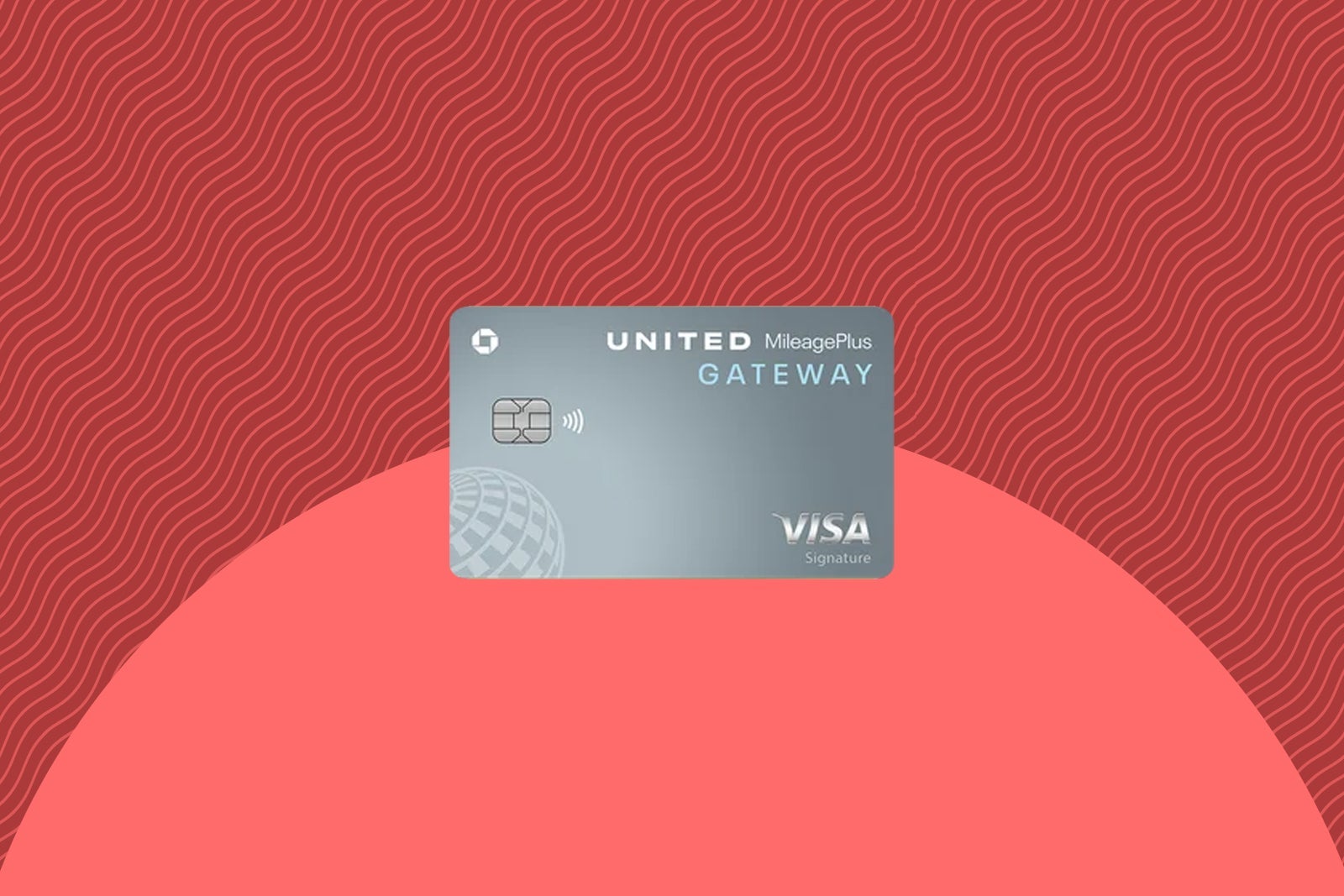
At the entry level, the United Gateway Card serves as a crucial "starter" card for those who wish to earn United miles without the burden of an annual fee. While it lacks the high-profile perks like free checked bags or lounge access, it provides a consistent path into the MileagePlus ecosystem. Historically, the Gateway Card has oscillated between a 20,000-mile and a 30,000-mile welcome offer. Data from the past several years indicates a clear cyclical pattern: from late 2021 through mid-2025, the offer has regularly jumped to 30,000 miles for two-to-three-month windows, usually in the early summer and late autumn. Based on a valuation of approximately 1.5 cents per United mile, a 30,000-mile bonus is worth roughly $450 in travel. Applying when the offer is at its 20,000-mile floor represents a $150 loss in potential value, making patience a virtue for the budget-conscious traveler.
Stepping up to the United Explorer Card, we find the "workhorse" of the United portfolio. This card carries a $150 annual fee, which is notably waived for the first year, making it an incredibly low-risk trial for new users. The Explorer Card is famous for its "hidden" benefit: expanded award availability. Cardholders can see more "Saver" level award seats than non-cardholders, often saving tens of thousands of miles on a single international booking. The welcome offer history for the Explorer is more volatile than the Gateway. While the standard offer often sits at 50,000 to 60,000 miles, we have seen peaks as high as 80,000 miles. In early 2026, the offer reached 70,000 miles, providing over $1,050 in value. For this card, the "sweet spot" for application is any offer of 60,000 miles or higher. Because the first year’s fee is $0, a 60,000-mile bonus effectively grants the user nearly $1,000 in travel value for the mere cost of meeting the minimum spend requirement.
The United Quest Card, introduced to bridge the gap between the mid-tier Explorer and the premium Club Infinite, offers a more complex value proposition. With a $350 annual fee, it targets frequent flyers who may not need a full lounge membership but want premium perks. It offers a $125 annual United credit and two 5,000-mile anniversary award flight credits. The welcome offers for the Quest Card have recently begun to include Premier Qualifying Points (PQPs), which are the currency of United elite status. This is a game-changer for travelers chasing Silver, Gold, or Platinum status. The highest offer recorded was 100,000 bonus miles plus 3,000 PQPs. Given that 3,000 PQPs can get a traveler nearly halfway to Silver status without stepping foot on a plane, the timing of this application is vital. We recommend applying only when the offer exceeds 80,000 miles and includes a PQP component, as the PQP value can often outweigh the cash value of the miles for status seekers.

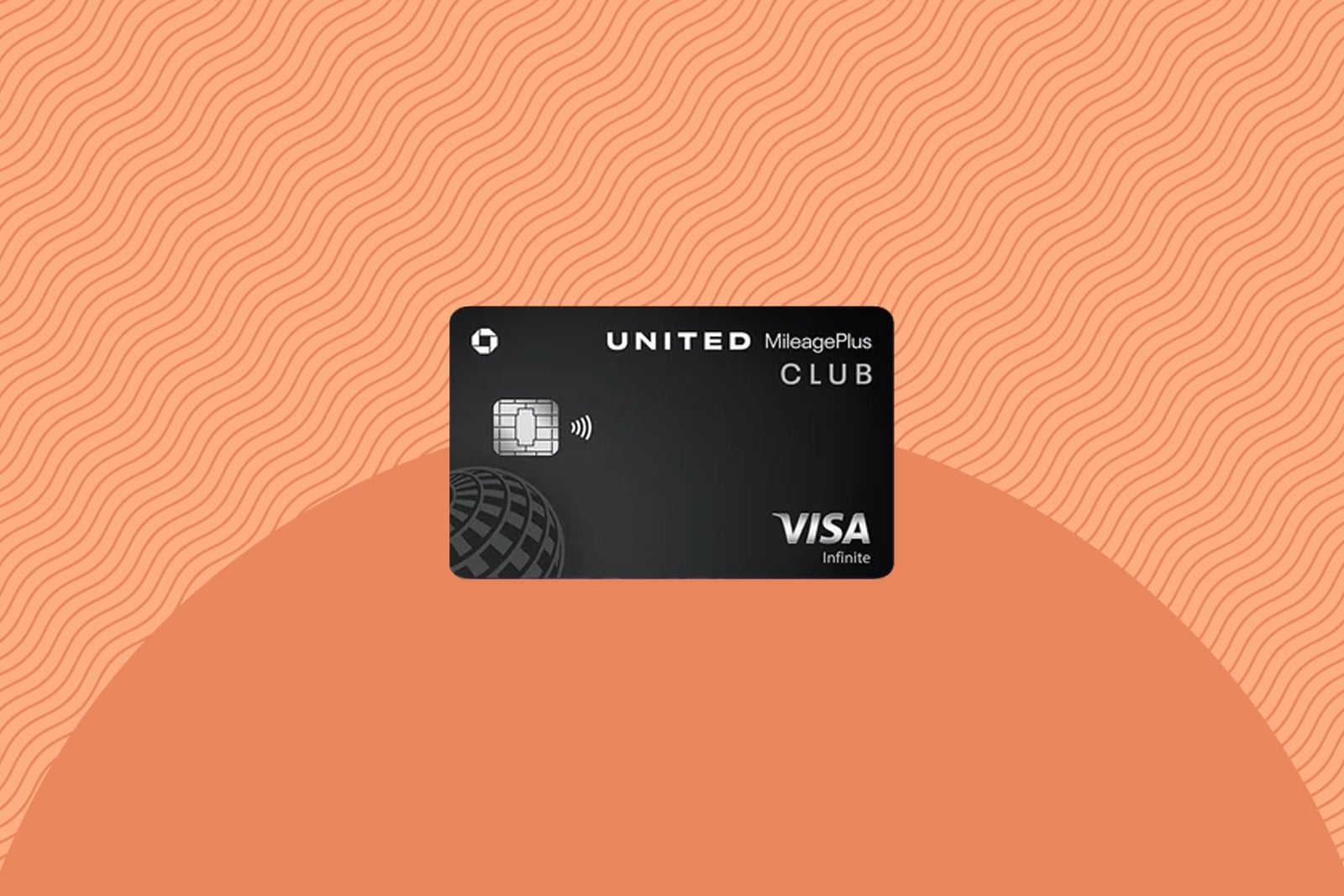
For the ultimate United loyalist, the United Club Infinite Card is the premier consumer choice. Despite its daunting $695 annual fee, the card provides full United Club membership, which would cost more if purchased outright. It also offers a 10% discount on domestic Saver awards and significant PQP earning potential. History shows that the Club Infinite Card frequently offers 80,000 to 90,000 miles, but it has hit the 100,000-mile mark several times, most notably in early 2022 and late 2023. At a 100,000-mile bonus, the value of the points alone ($1,500) more than doubles the cost of the annual fee in the first year. Expert perspectives suggest that for high-fee cards like this, the inclusion of bonus PQPs is the "sweetener" that should trigger an application. If you see 90,000 miles plus a PQP bonus, it is historically an optimal time to apply.
The business sector is equally well-served by the United Business Card and the United Club Business Card. The standard United Business Card, with a $150 annual fee, is a powerhouse for small business owners, offering a 5,000-mile "better together" bonus for those who also hold a personal United card. Its welcome offers have been some of the most generous in the Chase portfolio, occasionally reaching a staggering 150,000 miles. However, these "mega-bonuses" usually require a tiered spending structure (e.g., $5,000 in three months and $20,000 in six months). For businesses with high monthly expenses, waiting for the 150,000-mile offer is the most logical move. For those with more modest spending, a flat 75,000 to 100,000-mile offer after $5,000 in spending represents better "mile-per-dollar" efficiency.

The United Club Business Card mirrors the Infinite in its $695 fee and lounge benefits but is tailored for the corporate traveler. Its highest-ever offer of 125,000 miles after $5,000 in spending (seen in early 2025) set a high bar. More recently, Chase has shifted toward offering lower mile counts (50,000 to 75,000) but adding 1,000 to 2,000 PQPs. For a business owner who travels weekly, those PQPs can be the difference between sitting in economy and enjoying a Polaris business class upgrade.
Beyond the specific numbers, any discussion of Chase United cards must address the "Chase 5/24 Rule." This is an unofficial but widely recognized policy where Chase will generally decline any credit card application if the applicant has opened five or more personal credit cards (from any issuer) in the past 24 months. Because United miles are so valuable for Star Alliance redemptions—allowing for flights on Lufthansa, ANA, and Singapore Airlines—many enthusiasts prioritize their United applications early in their points-and-miles journey to ensure they don’t get "locked out" by the 5/24 rule. Furthermore, Chase typically limits cardholders to receiving a welcome bonus on a specific card once every 24 months. This "cooldown" period makes it even more imperative to wait for a high-water mark offer; if you apply for a 40,000-mile offer today, you are essentially barred from a 70,000-mile offer for the next two years.
Strategic timing also involves looking at the calendar. United and Chase frequently launch "limited-time" elevated offers during periods of peak travel planning. Late winter (January to March) often sees a surge in offers as people plan their summer vacations, while late summer (August to October) sees another spike as the travel industry prepares for the holiday season. Monitoring these windows can yield a 20% to 50% increase in the total miles earned.
In conclusion, the decision to apply for a United credit card should be a calculated move based on historical data and personal travel goals. If you are a casual traveler, the Gateway or Explorer cards provide accessible entry points, but you should wait for the 30k and 60k milestones, respectively. If you are chasing status or luxury, the Quest and Club Infinite cards are your best bets, provided you apply during a PQP-enhanced offer window. Business owners should look for tiered offers that reward their higher spending capacity. By aligning your application with these historical peaks, you transform a simple credit card into a powerful engine for global travel, ensuring that every dollar spent brings you closer to your next dream destination. Whether you are flying United once a year or every week, the right card at the right time is the ultimate key to unlocking the full potential of the MileagePlus program.
