
 By admin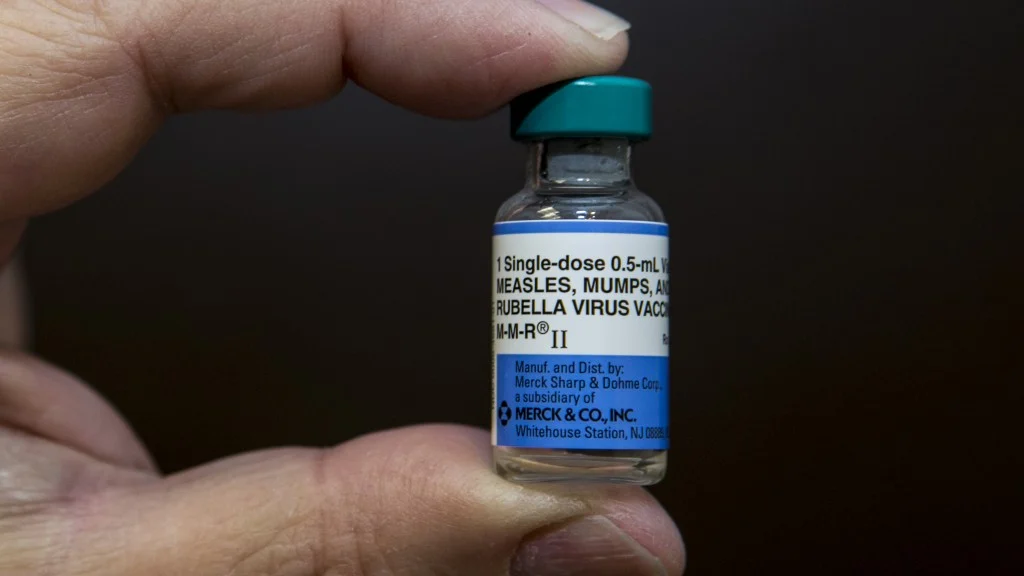
The American healthcare landscape is currently navigating a period of profound transformation, characterized by a volatile mix of political shifting, emerging drug crises, and a fundamental re-evaluation of how the public interacts with scientific authority. As the nation moves toward pivotal elections, the role of high-profile figures like Robert F. Kennedy Jr. and the implementation of unconventional health agendas are taking center stage, forcing a reconciliation between traditional medical consensus and a growing populist skepticism. This evolution is not merely happening in the halls of Washington D.C., but is manifesting in local pharmacies, gas stations, and the personal lives of citizens who feel increasingly alienated by a system they find difficult to navigate.
At the heart of this political and medical nexus is the "Make America Healthy Again" (MAHA) movement, spearheaded by Robert F. Kennedy Jr. Since joining forces with the Trump administration, Kennedy has become a central figure in the Republican effort to capture voters who are disillusioned with the status quo of American health. His influence is being felt keenly in states like Iowa, where local candidates are leveraging his popularity to bolster their own campaigns. For instance, gubernatorial candidate Zach Lahn has openly embraced Kennedy’s platform, seeking to tap into a demographic that views Kennedy not just as a politician, but as a crusader against the perceived corporate capture of regulatory agencies.
The MAHA agenda focuses on a broad array of issues, ranging from the elimination of ultra-processed foods and pesticides to a radical overhaul of vaccine policy. Political analysts note that this messaging could be particularly effective in the current climate; while economic concerns and foreign policy typically dominate voter priorities, the personal nature of health and the rising rates of chronic illness offer a unique avenue for political mobilization. Kennedy’s ability to frame health as a matter of personal liberty and institutional accountability resonates with a public that is weary of rising healthcare costs and the perceived opacity of pharmaceutical companies.
However, the political integration of Kennedy’s ideas has also reignited intense debates over public health safety, particularly regarding childhood immunizations. In a recent Oval Office address, President Trump signaled a significant shift in the administration’s approach to vaccines, announcing "demands" that pharmaceutical companies begin splitting combined vaccines, such as the Measles, Mumps, and Rubella (MMR) shot, into individual components. Trump’s rhetoric has revived the long-debunked claim that combined vaccines are linked to the rise in autism—a theory that has been thoroughly refuted by decades of global scientific research and numerous large-scale studies.
The President’s proposal goes beyond merely splitting the shots; he has suggested a "micro-dosing" approach, where children would receive only 20% of a standard dose at a time, potentially requiring up to five separate injections for a single vaccine. Public health experts warn that such a policy could lead to a massive decline in immunization rates due to the logistical burden on parents and the increased risk of children being under-protected during their most vulnerable years. The administration is also looking toward the Centers for Medicare and Medicaid Services (CMS), now under the leadership of Dr. Mehmet Oz, to implement these changes through federal regulatory frameworks. This move represents a historic departure from established pediatric guidelines and sets the stage for a major confrontation with the broader medical community.
While the vaccine debate dominates the headlines, a more silent but equally devastating crisis is unfolding in communities across the country: the rise of potent "gas station drugs," specifically new formulations of kratom. Traditionally, kratom—a botanical substance derived from the leaves of Mitragyna speciosa—has been sold as a powder or tea used for mild pain relief or as a mood enhancer. However, the market has recently been flooded with concentrated extracts designed to interact more aggressively with the brain’s mu-opioid receptors.
These new, highly potent versions of kratom are creating a withdrawal crisis that medical professionals are beginning to compare to the opioid epidemic involving fentanyl and oxycodone. Myles Jen Kin, a director of multiple inpatient recovery centers, reports a surge in patients seeking help for kratom addiction, many of whom experience intense physical and psychological withdrawal symptoms that the current treatment infrastructure is struggling to manage. Because kratom remains largely unregulated and is easily accessible at gas stations and convenience stores, it often bypasses the scrutiny applied to prescription opioids, leading many users to underestimate its addictive potential until they are firmly in the grip of dependency.
This crisis of addiction is inextricably linked to a broader crisis of trust. As the medical system grapples with new threats, many Americans are finding themselves searching for answers that traditional science seems unable to provide in a way that feels empathetic or accessible. This sentiment is captured in the personal reflections of those living with chronic conditions—individuals who, despite having access to modern medicine, feel that their health is in a state of permanent decline.
The struggle to find explanations for conditions like obesity, high blood pressure, and ADHD has driven many to look outside the established medical "orthodoxy." The challenge for the scientific community is no longer just about presenting data; it is about understanding the intersection of scientific knowledge and human emotion. When patients feel that their concerns are dismissed or that the system is more interested in profit than healing, they become vulnerable to misinformation and alternative narratives that promise simpler, more intuitive answers. This shift has necessitated a new kind of journalism—one focused on "trust in science"—that seeks to bridge the gap between researchers and the public by investigating why the communication of truth is failing.
One area where the system has demonstrably failed is in the inclusion of pregnant and lactating individuals in clinical research. For decades, this population has been excluded from the vast majority of drug trials due to fears of fetal or infant harm—a legacy of past medical tragedies like the thalidomide crisis. However, this "protection" has created a massive data vacuum, leaving millions of people to make critical health decisions during pregnancy without adequate information on drug safety or efficacy.
Recent advocacy from medical experts, including professors at Brown University, has highlighted a relatively simple and inexpensive fix to this problem. By adding a mandatory eligibility field to ClinicalTrials.gov—the primary database for clinical research—investigators could clearly flag whether a study enrolls pregnant or lactating participants. Currently, there is no streamlined way for patients or providers to find this information, making it difficult for willing participants to join trials that could provide the very data the medical community lacks. While a checkbox on a website is not a complete solution to the complexities of maternal health research, it represents a necessary step toward transparency and inclusivity in the development of new therapies.
The current state of medicine is perhaps best understood through the lens of the literature that documents its successes and failures. Books like Uche Blackstock’s Legacy and Theresa Brown’s Healing offer critical perspectives on the systemic inequities and the often-overlooked role of nursing in the healing process. Meanwhile, classics like The Spirit Catches You and You Fall Down continue to serve as essential reminders of the cultural disconnects that can occur when the Western medical model clashes with the beliefs and traditions of immigrant families. Even monumental works like Siddhartha Mukherjee’s The Emperor of All Maladies are being updated to reflect the rapid pace of oncological advancement, reminding us that science is a living, breathing entity that must constantly adapt to new information.
As the United States moves forward, the confluence of political ideology and medical practice will continue to shape the lives of its citizens. Whether through the radical restructuring of vaccine protocols, the regulation of emerging substances like kratom, or the long-overdue inclusion of marginalized populations in clinical research, the decisions made today will have repercussions for generations. The path toward a healthier nation requires more than just policy changes; it requires a restoration of the trust that binds the public to the experts charged with their care. Without that trust, even the most advanced medical breakthroughs risk being lost in a sea of skepticism and division.
