
 By admin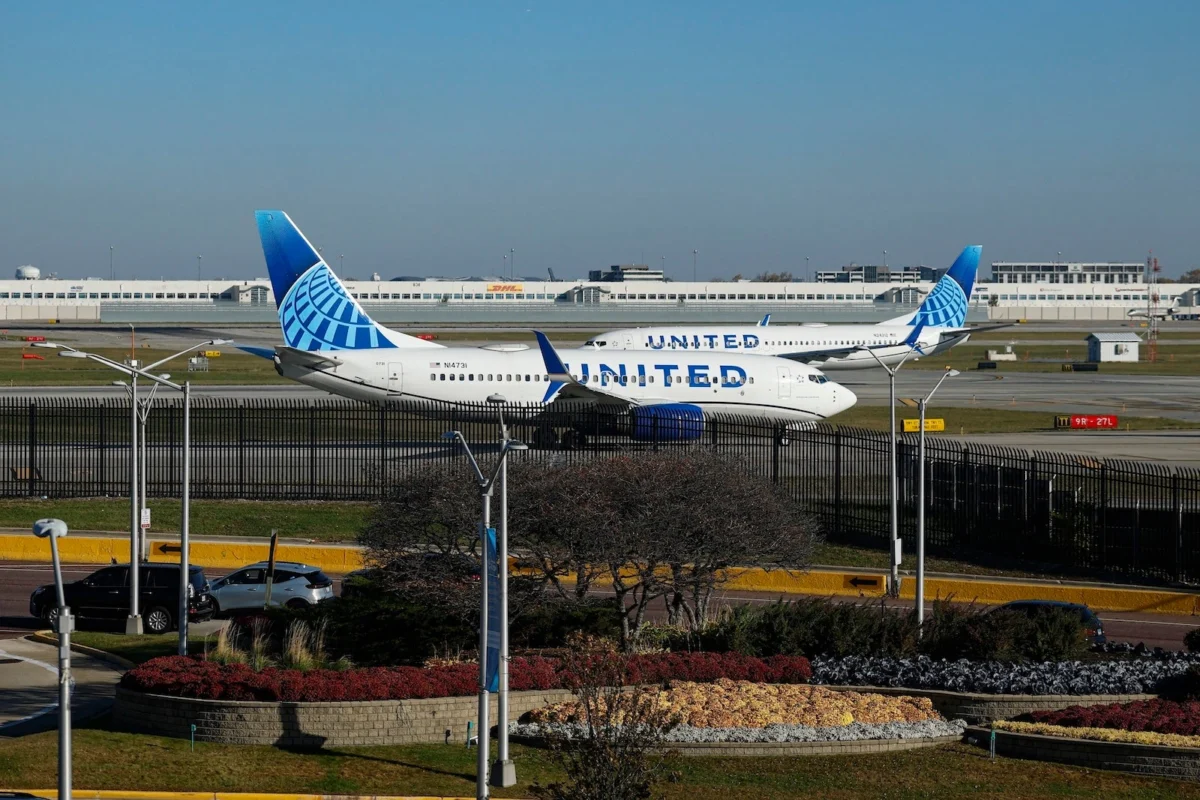
The American aviation landscape was thrust into a state of unprecedented chaos on Monday, September 21, 2026, as a catastrophic communications failure within the Federal Aviation Administration (FAA) brought air traffic across the Northeast Corridor to a grinding halt. By 10:20 p.m. EDT, the ripple effects of the technical blackout had manifested in approximately 1,100 flight cancellations nationwide, according to real-time data from the flight-tracking service FlightAware. The epicenter of the disruption was Newark Liberty International Airport (EWR), where more than half of all scheduled departures were scrubbed, leaving thousands of travelers stranded in terminal corridors and forcing airlines to scramble to contain a logistical nightmare that threatens to bleed into the remainder of the work week.
The catalyst for this systemic collapse was traced to a critical FAA communications node in Philadelphia. Transportation Secretary Sean Duffy confirmed in a late-evening press briefing that the crisis was initiated by a mundane but devastating human error: a rail worker performing maintenance on a nearby track accidentally severed a high-capacity fiber-optic line. This specific cable serves as a primary artery for the telecommunications infrastructure that allows air traffic controllers to coordinate with pilots and other regional hubs. While the line was reportedly repaired by early evening, the damage to the day’s flight schedules was already irreversible. The incident highlights the persistent vulnerability of the nation’s aging aerospace infrastructure, where a single point of physical failure can destabilize the most sophisticated air travel network in the world.

Newark Liberty International Airport bore the brunt of the systemic failure, earning the dubious distinction of being the hardest-hit facility in the country. With over 50% of its outbound flights canceled, the airport became a scene of frustration and exhaustion. However, EWR was far from alone in its struggle. Philadelphia International Airport (PHL), situated near the site of the fiber cut, saw roughly 20% of its departures canceled by sunset, a figure that continued to climb as the night progressed. The FAA was forced to implement consecutive ground stops for the "Big Three" New York area hubs—Newark, John F. Kennedy International (JFK), and LaGuardia (LGA)—as well as Boston Logan International Airport (BOS) and Ronald Reagan Washington National Airport (DCA). These ground stops effectively froze the skies, preventing aircraft from taking off toward the affected region and forcing dozens of airborne flights to divert to secondary airports as far away as Pittsburgh, Cleveland, and Montreal.
United Airlines, which maintains a massive hub operation at Newark, found itself at the center of the storm. The carrier reported more than 350 cancellations by Monday evening, a number that reflects the sheer volume of its operations in the Northeast. In a statement released to the media, United acknowledged the severity of the situation: "We know this outage is a significant disruption for our customers. Once it is resolved, we will work to safely get them to their destinations." The logistical challenge for United and other major carriers like Delta and American Airlines extends far beyond simply restarting the engines. When a ground stop of this magnitude occurs, flight crews exceed their federally mandated "duty hours," and aircraft end up out of position—parked at diversion airports rather than at the hubs where they are needed for the next day’s first wave of departures.
Industry analysts suggest that the economic impact of Monday’s outage could reach hundreds of millions of dollars. Beyond the immediate loss of ticket revenue and the cost of rebooking passengers, airlines must contend with the "soft costs" of operational recovery, including overtime pay for ground crews and the fuel burned during holding patterns and diversions. For the broader economy, the disruption of the Northeast Corridor—the busiest and most economically vital airspace in the United States—represents a significant loss in productivity. Business travelers, who make up a disproportionate share of Monday morning and evening traffic, found themselves missing critical meetings, while cargo operations responsible for "just-in-time" deliveries faced similar delays.

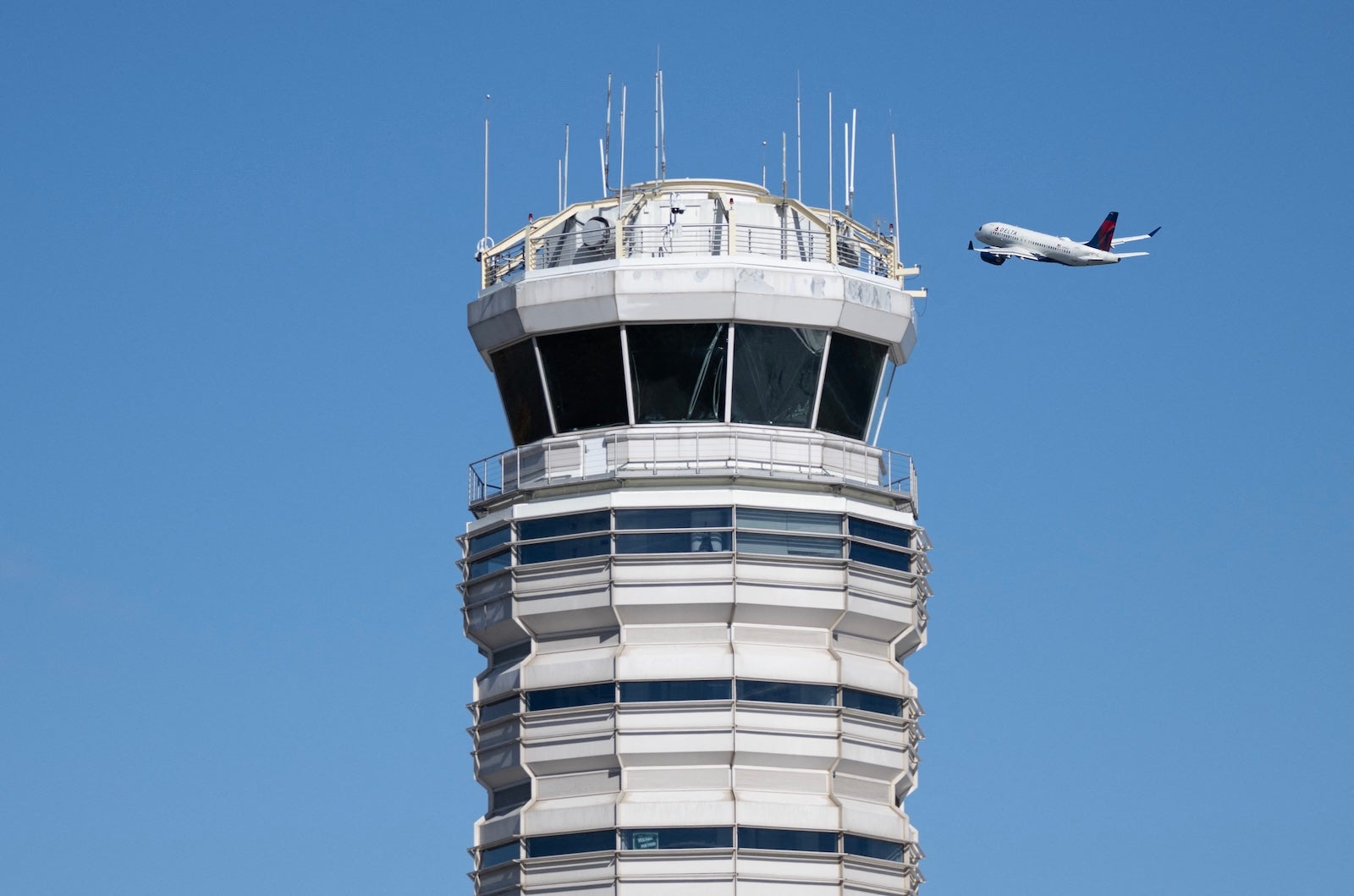
From a technical perspective, the Philadelphia outage raises uncomfortable questions about the FAA’s redundancy protocols. While the agency has spent billions of dollars on the "NextGen" modernization program intended to transition air traffic control from ground-based radar to satellite-based GPS technology, the underlying physical infrastructure—the wires and cables that connect towers to data centers—remains a "single point of failure" in many regions. Transportation Secretary Sean Duffy emphasized that while the fiber line had been repaired, the agency would conduct a comprehensive review of why backup systems did not seamlessly take over the communication load. Aviation experts point out that as the climate becomes more volatile and infrastructure ages, these types of "black swan" events may become more frequent unless significant investments are made in subterranean cable protection and satellite-based backup communication links.
For the traveling public, the immediate concern is navigating the maze of cancellations and rebookings. Despite the fact that the outage was caused by a third party (the rail worker) and managed by a government agency (the FAA), federal refund rules remain a powerful tool for consumers. Under the U.S. Department of Transportation (DOT) mandates, passengers are entitled to a full refund to their original form of payment if their flight is canceled or "significantly delayed," provided the passenger chooses not to take the alternative flight offered by the airline. This rule applies regardless of the cause of the delay. In the context of the 2026 travel landscape, many passengers are now utilizing this rule to cancel their tickets and opt for the Amtrak Acela or Northeast Regional trains, which, despite being crowded, remained operational during the air traffic crisis.
Airlines have responded to the crisis by issuing flexible travel waivers. These waivers generally allow passengers traveling through Newark, Philadelphia, Boston, and New York to change their flights without paying a change fee or a difference in fare, provided they remain in the same cabin and travel within a specific window (usually the next 7 to 14 days). Experts advise travelers to bypass the long queues at airport customer service desks and the hours-long wait times on telephone hold lines. Instead, the most efficient way to secure a new itinerary is through the airline’s mobile app. Over the last several years, carriers have invested heavily in "self-service" rebooking tools that allow passengers to see available seats on upcoming flights and confirm their new plans with a few taps on a smartphone.
However, a significant point of contention remains: the provision of meals and hotels. Because the FAA outage is classified as an "uncontrollable" event rather than an "airline-controllable" one (such as a mechanical failure or crew scheduling error), airlines are not legally required to provide hotel vouchers or meal stipends for stranded passengers. This is where the importance of travel insurance and premium credit card benefits becomes apparent. Travelers who booked their trips using cards like the Chase Sapphire Reserve, American Express Platinum, or Capital One Venture X may be eligible for "Trip Delay Reimbursement." These policies often cover up to $500 per ticket for "reasonable" expenses—including hotel stays, meals, and toiletries—if a flight is delayed for more than a certain number of hours (typically six to twelve) or requires an overnight stay.
As Tuesday approaches, the aviation industry is bracing for a "hangover" effect. Even with the FAA systems back online, the process of "de-stacking" the backlog of passengers will take days. With load factors on most U.S. flights hovering near 90%, there are very few empty seats available to accommodate the thousands of people displaced by Monday’s 1,100 cancellations. Some travelers may not find a confirmed seat until Thursday or Friday.
Looking toward the future, this incident is likely to spark renewed debate in Congress regarding the FAA’s budget and the acceleration of infrastructure hardening. The fact that a single accidental cut to a fiber line could paralyze the economic heart of the country is being viewed by many as a national security concern. "We cannot have a system where a single shovel or a single pair of wire cutters can shut down the East Coast," said one aviation safety consultant. As the investigation into the Philadelphia outage continues, the focus will remain on building a more resilient, redundant, and modern air traffic control system that can withstand both human error and technical failure in an increasingly connected world. For now, the millions of people who rely on the American skies are left to hope that the lessons learned from this Monday meltdown will lead to a more stable Tuesday.
