
 By Titik Puspa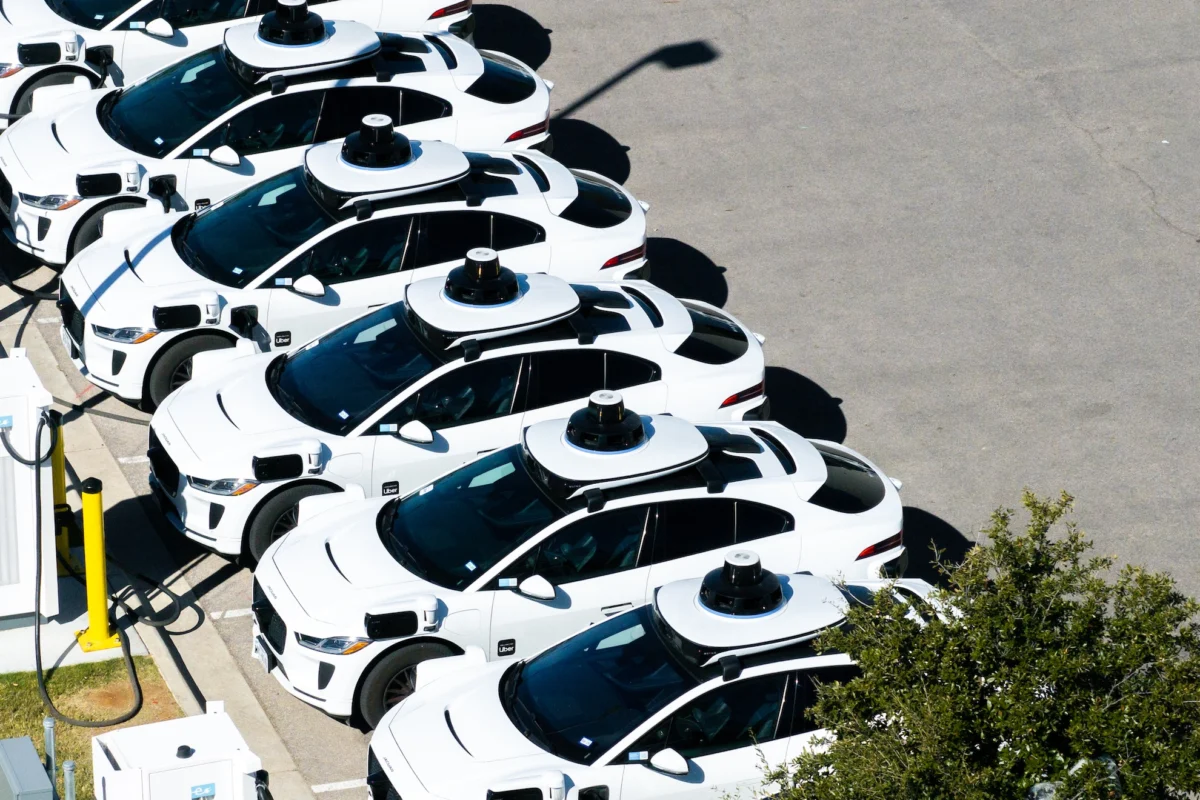
Waymo, the pioneering autonomous vehicle company spun out of Google and still majority-owned by Alphabet, is projecting an image of rapid and widespread commercial expansion in the robotaxi sector. Over the past two years, the company has significantly broadened its geographic footprint, transitioning from operating in a mere three cities – Phoenix, Los Angeles, and San Francisco – in September 2024 to offering its driverless ride-hailing service in an impressive 15 U.S. cities. This aggressive rollout, with the majority of these commercial launches occurring within the last year, has been mirrored by a dramatic surge in ridership. Waymo now reports averaging a staggering 500,000 paid robotaxi rides weekly, a testament to the growing adoption and operational capacity of its technology.
However, a deeper dive into Waymo’s fleet deployment reveals a more nuanced picture, highlighting a concentrated strategic focus on just two states: California and Texas. Approximately 80% of Waymo’s substantial fleet, numbering around 4,000 robotaxis, is currently stationed within these two states. This concentration is particularly pronounced in Texas, which has emerged as the company’s current operational epicenter. In a remarkable display of accelerated growth, Waymo’s fleet in Texas has expanded by nearly half in the past three weeks alone. This rapid scaling is largely fueled by the introduction of a new Chinese-built minivan, a vehicle Waymo is heavily investing in as a key enabler of its mass-market ambitions, even as potential tariffs loom, threatening to inflate its acquisition costs.
The remaining approximately 800 Waymo vehicles are distributed across other states, including Arizona and Florida, both of which are identified as burgeoning hotspots for autonomous vehicle deployment. While the familiar white Jaguar I-Pace electric SUVs continue to form a significant portion of the fleet, a growing share is now comprised of the aforementioned new minivan. This vehicle, a modified Zeekr RT, has been branded by Waymo as the "Ojai."
Waymo’s enduring focus on California is hardly surprising. As its headquarters are nestled in the heart of Silicon Valley, the region has been instrumental in the company’s extensive early-stage testing and development phases. Furthermore, California’s demographic landscape often exhibits a strong inclination towards early adoption of cutting-edge technologies, making it a natural and receptive market for Waymo’s innovative services.
The recent and dramatic growth in Texas, however, presents a more compelling narrative of strategic expansion. Data meticulously gathered from state vehicle registrations and insights from the Texas Autonomous Vehicle Fleet Tracker paints a clear picture of this surge. As of September 24th, Waymo had officially registered 1,102 autonomous vehicles within the Lone Star State, indicating a substantial increase. This rapid fleet expansion in Texas has been a deliberate and accelerated effort, particularly over the last three weeks, demonstrating a significant pivot in resource allocation.
Waymo’s commercial journey in Texas commenced in March 2025, with an initial launch in Austin. This early phase was characterized by a strategic partnership with Uber, allowing riders to conveniently hail Waymo’s robotaxis directly through the popular ride-sharing app. Since this initial foray, Waymo has systematically broadened its robotaxi service offerings, extending its reach to encompass other major Texan metropolitan areas, including Dallas, Houston, and San Antonio. This phased expansion into key urban centers underscores a calculated approach to capturing market share and establishing a robust operational presence across the state.
For the majority of the summer months, Waymo’s Texas fleet maintained a relatively stable trajectory, experiencing only incremental growth. From approximately 600 vehicles in June, the fleet gradually expanded to just over 700 by the end of August. This period of moderate growth was a prelude to the dramatic acceleration witnessed in September. The fleet experienced a significant surge, primarily driven by the substantial influx of the new "Ojai" minivans. These vehicles now constitute approximately one-third of Waymo’s total fleet operating within Texas, signaling a clear shift in the company’s vehicle strategy for the region. This trend is expected to continue, with the proportion of Ojai vehicles poised for further growth.
The "Ojai" robotaxi is engineered to be a cornerstone of Waymo’s strategy for achieving mass-scale deployment. It is equipped with Waymo’s most advanced sixth-generation self-driving system, promising enhanced performance and reliability. Beyond its sophisticated autonomous capabilities, the Ojai’s interior has been meticulously designed for durability and heavy daily usage, a crucial consideration for a commercial ride-hailing service. Passengers will benefit from an upgraded rider interface, offering a more intuitive and seamless experience. Furthermore, the integration of Google’s Gemini AI serves as an intelligent in-car assistant, poised to enhance the passenger journey with advanced conversational capabilities and personalized support.
Beneath the advanced Waymo technology, the Ojai is fundamentally a minivan manufactured by Zeekr, a brand that falls under the umbrella of China’s automotive giant, Geely Holding Group, which also owns the renowned Volvo brand. The Ojai is built upon Zeekr’s innovative SEA-M platform, a versatile, shared vehicle architecture specifically engineered for applications such as robotaxis and delivery vans. To ensure compliance with U.S. regulations and to integrate Waymo’s proprietary autonomous driving technology, the base Zeekr vehicles are initially shipped to the United States devoid of any integrated Chinese connected-car systems. Upon arrival, these vehicles are transported to Waymo’s dedicated facility in Arizona. It is at this state-of-the-art factory that they are meticulously outfitted with Waymo’s cutting-edge self-driving hardware and software, transforming them into the "Ojai" robotaxis that are now populating Waymo’s fleet.
The strategic objective behind the Ojai’s development and deployment is to significantly reduce operational costs and, ultimately, pave the way for Waymo to achieve profitability in its burgeoning robotaxi business. However, the current trade landscape presents a significant hurdle. Under existing U.S. trade policies, vehicles manufactured in China are subject to substantial import tariffs. These tariffs directly increase Waymo’s acquisition costs for every Ojai vehicle brought into the country, effectively offsetting some of the anticipated cost savings.
Despite these tariff-related cost increases, Waymo appears committed to absorbing these additional expenses, signaling a strong conviction in the Ojai’s long-term value proposition. Research firm MoffettNathanson, based in New York, which meticulously tracks Ojai imports by analyzing detailed shipping records, reported in its September findings that Waymo is on track to import a substantial 5,100 of these vehicles into the United States by the end of the current year. This aggressive import target underscores Waymo’s unwavering commitment to scaling its fleet and expanding its market presence.
The question of where these newly imported Ojai vehicles will ultimately be deployed is a key point of interest. Texas is undoubtedly a primary destination, given the recent surge in fleet numbers and the company’s ongoing expansion across the state’s major cities. However, Florida, where Waymo is already establishing a presence with operations in three cities, is also expected to receive a significant influx of these new vehicles. Furthermore, newer markets such as Las Vegas, which represent nascent but promising opportunities for autonomous ride-hailing, are also likely to witness a substantial deployment of the Ojai. This strategic distribution across key growth markets suggests a multi-pronged approach to capitalizing on emerging opportunities and solidifying Waymo’s leadership in the autonomous vehicle sector. The continued influx of the Ojai signifies a critical phase in Waymo’s commercialization strategy, aiming to balance rapid expansion with the economic realities of global supply chains and trade policies.
When you purchase through links in our articles, we may earn a small commission. This doesn’t affect our editorial independence.
Kirsten Korosec is a seasoned reporter and editor with over a decade of experience covering the dynamic landscape of transportation technology. Her expertise spans electric vehicles (EVs), autonomous vehicles (AVs), urban air mobility, and in-car technology. Currently, she serves as the transportation editor at TechCrunch and is a co-host of the TechCrunch Equity podcast. Additionally, Korosec is the co-founder and co-host of "The Autonocast," a podcast dedicated to the future of autonomous driving. Her previous journalistic endeavors include contributions to prominent publications such as Fortune, The Verge, Bloomberg, MIT Technology Review, and CBS Interactive.
For verification or outreach, Kirsten Korosec can be contacted via email at [email protected] or through encrypted messaging on Signal at kkorosec.07.
