
 By admin
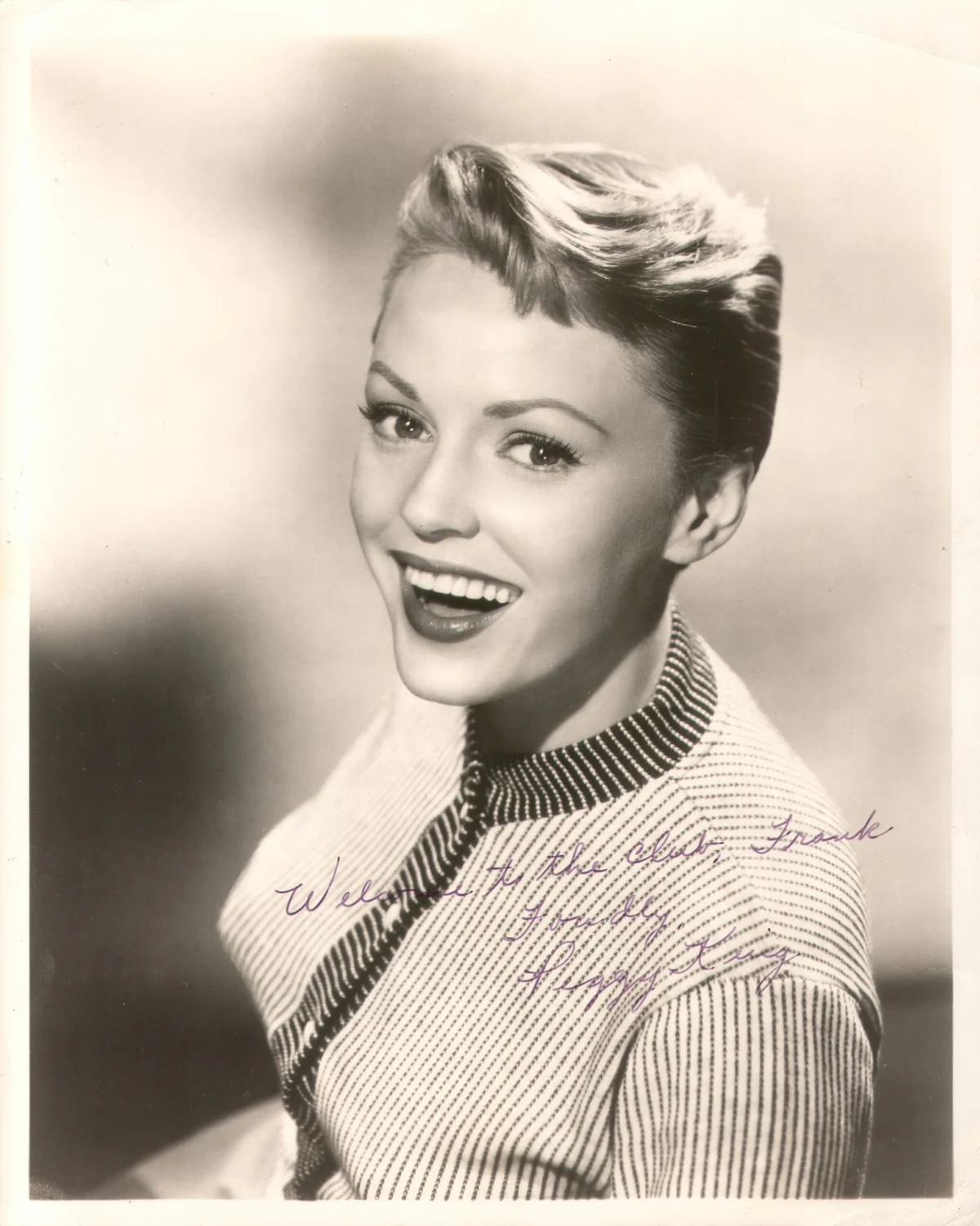
King’s formative years were spent in Ravenna, Ohio, where she graduated from Ravenna High School. Even in her youth, her prodigious vocal talent was evident. She began honing her skills by singing on local radio stations in Cleveland, a crucial stepping stone for aspiring performers in the pre-television era. This early exposure to broadcast media laid the foundation for her future success, providing her with invaluable experience in front of a microphone and an understanding of the demands of live performance. Her early radio work led to further opportunities, including becoming a regular on “The Mel Torme Show” for CBS, a significant platform that showcased her burgeoning talent to a wider audience. Beyond her singing, King also demonstrated an early knack for commercial appeal, crafting a memorable and successful jingle for Hunt’s Tomato Sauce, a jingle that likely echoed in countless American households and contributed to her growing name recognition.
Her breakthrough into mainstream television fame arrived when she became a beloved regular on the “George Gobel Show” from 1954 to 1957. George Gobel, a comedian known for his gentle humor and folksy persona, recognized King’s unique appeal and affectionately dubbed her “Pretty Perky Peggy King.” This catchy moniker not only stuck but became synonymous with her vibrant stage presence and radiant personality, perfectly encapsulating the effervescent charm she brought to every performance. Her role on the “George Gobel Show” was more than just a singing spot; it established her as a versatile entertainer capable of holding her own alongside a popular comedic host. This exposure led to significant industry recognition, including an Emmy Award nomination for Best Female Singer in 1955, a prestigious honor that underscored her critical acclaim within the burgeoning television industry.
King’s talent was not confined to the small screen; she was also a significant figure in the music industry and on the grandest stages. Her performance of the Oscar-nominated song “Count Your Blessings” at the 1955 Academy Awards ceremony was a highlight, demonstrating her ability to command a major live event and connect with a vast, diverse audience. Further solidifying her status as a premier television personality, she co-hosted the Emmy Awards in 1958, a role that required poise, charisma, and an ability to navigate the complexities of a live telecast, qualities she possessed in abundance.
The breadth of King’s television appearances speaks volumes about her popularity and versatility. She graced the stages of numerous iconic shows, becoming a familiar and welcome face in American living rooms. Her credits include appearances on Bob Hope’s “Chevy Show,” a testament to her appeal to a broad demographic, and the groundbreaking live music program “American Bandstand,” where she connected with a younger generation of music fans. She also performed on “The Steve Allen Show,” known for its innovative and often experimental format, and “The Kraft Music Hall with Milton Berle,” a cornerstone of early television variety programming. Her wit and charm were evident on game shows like “What’s My Line?”, where she engaged with panelists and viewers alike. Furthermore, she was a frequent guest on late-night talk shows, including “The Tonight Show Starring Johnny Carson,” a benchmark for any performer seeking to reach the pinnacle of show business, as well as “The Perry Como Show” and “The Garry Moore Show,” both celebrated for their polished musical and comedic presentations. Even the legendary comedian Jack Benny sought her out for “The Jack Benny Program,” a testament to her broad appeal across different comedic and musical styles.
Beyond her musical talents, King also ventured into acting, showcasing her dramatic range. Her dramatic credits include guest roles on popular Western series like “Maverick” and the iconic crime procedural “Dragnet,” demonstrating that her talents extended beyond the realm of musical performance. These roles allowed her to explore different facets of her acting abilities and further solidified her presence in the entertainment industry.
King’s cinematic journey began when she signed a contract with MGM in 1952. This pivotal move led to a memorable cameo in Vincente Minnelli’s acclaimed film “The Bad and the Beautiful.” While her on-screen appearance was brief, her contribution to the film was significant as she sang on the soundtrack album, further enhancing her musical legacy. She also appeared in the popular comedy “Abbott and Costello Meet the Mummy,” a film that appealed to a family audience and showcased her ability to fit into different genre settings.
Her musical career flourished under the guidance of legendary producer Mitch Miller, who signed her to a long-term contract with Columbia Records. With Miller at the helm, King recorded two best-selling albums and a string of hit singles. Her distinctive voice and interpretative skills made her a sought-after vocalist. While her recording career was highly successful, there’s a poignant footnote: composer Arthur Hamilton famously wrote the iconic torch song “Cry Me a River” with King in mind. However, Mitch Miller, for reasons that remain debated, ultimately prevented her from recording the song, a decision that denied the world a potentially definitive rendition by the artist for whom it was penned. This anecdote highlights the often-unseen decisions and circumstances that shape the careers of even the most talented artists.
King also starred in several notable television musicals. She captivated audiences alongside Tab Hunter in the television musical “Hans Brinker or the Silver Skates.” Her versatility was further demonstrated when she starred in a TV musical adaptation of “Jack and the Beanstalk,” sharing the screen with esteemed performers like Joel Grey, Celeste Holm, and Cyril Ritchard, proving her ability to hold her own in productions with a stellar cast. Her acting prowess extended to thrillers as well; she played a stewardess in the 1957 suspense film “Zero Hour!,” starring alongside Dana Andrews and Linda Darnell, a role that showcased her ability to convey tension and contribute to a dramatic narrative.
King’s enduring impact on the broadcast industry was formally recognized with her induction into the Broadcast Pioneers Hall of Fame in 2010. This honor placed her among the esteemed individuals who have significantly shaped the landscape of American broadcasting. Furthermore, she was among the inaugural group of celebrities to receive a star on the Hollywood Walk of Fame, a permanent tribute to her lasting contributions to the world of entertainment. Even in her later years, King remained actively engaged with her music. Her last released recording, the album “Songs a la King,” was released in 2016, a testament to her lifelong passion for singing. She continued to perform regularly in the Philadelphia area, New York, and Los Angeles as late as 2014, demonstrating a remarkable commitment to her art and her fans.
Peggy King’s legacy extends beyond her professional achievements to her personal life. She is survived by her daughter, Suzy Rudofker, and son-in-law, Dwain Goforth. Her passing marks the end of an era, a moment to reflect on the contributions of a performer who brought joy, talent, and a touch of glamour to American households for decades. Her story is a reminder of the power of television and music to shape culture and create lasting memories for generations of viewers and listeners. The "Pretty Perky Peggy King" may have left the stage, but her performances and her indelible spirit will continue to resonate.
